
Planning a Giant Cantaloupe Prop
A giant cantaloupe prop is defined by its rounded melon mass and netted rind. The network pattern, subtle segment divisions, stem end, and display orientation should be planned together so the object does not read as a plain ball.
Plan a Giant Cantaloupe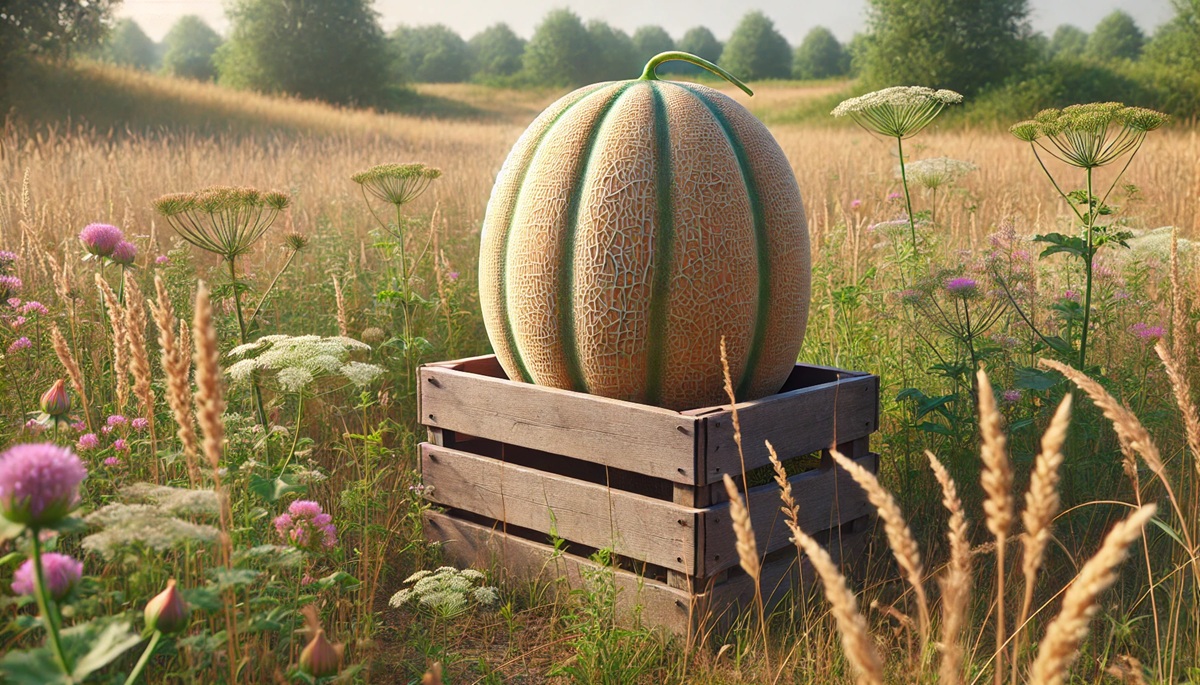
Make the netted rind part of the form
A cantaloupe is more than a tan sphere. Establish its slightly compressed melon volume, stem and blossom ends, shallow segment rhythm, and dense netted rind before choosing the size of the enlarged display.
Decide whether the project shows one whole melon or a deliberately cut version. A cut half introduces rind thickness, orange flesh, seed cavity, and a viewing plane that do not belong on the simpler whole-fruit direction.
Coordinate network, grooves, and pole details
The rind must remain readable from the intended distance without becoming an unrelated rope pattern or an ordinary painted ball.
Netted network
Set the density, line width, relief, and irregularity of the pale rind network across every visible quadrant.
Segment rhythm
Use restrained longitudinal divisions when the selected variety shows them, keeping the grooves subordinate to the netting.
Stem and blossom ends
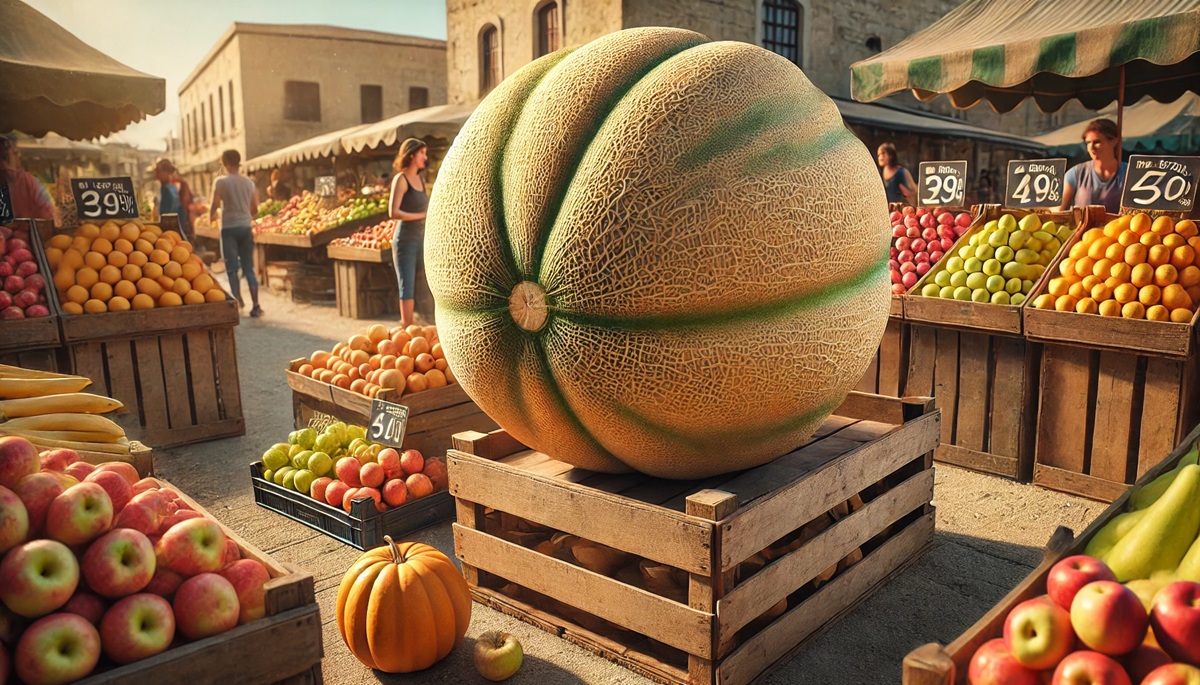
Define both poles and choose which one is visible; the end treatment gives the round body a clear orientation.
Optional cut face
If the melon is open, map the green edge, orange flesh, central cavity, and seeds on the exact cut plane rather than adding a generic orange disc.
Turn the melon so texture survives the sightline
Raking light and a three-quarter view reveal the rind network better than a flat frontal presentation. Choose the pole direction, display height, and background contrast together, then show the entire base contact on the floor plan.
A product-branded melon, character treatment, stack, crate, or interactive display changes the assignment. List those elements separately instead of allowing a general food theme to blur the cantaloupe itself.
Study netting at two display scales
These concepts compare a rounded whole cantaloupe, visible pole treatment, shallow segmentation, and two approaches to the rind network. They are planning visuals, not completed WhiteClouds work.
Specify the rind before requesting an estimate
The most useful references include close views of the surface as well as the complete melon.
- Exact cantaloupe variety and whole or cut state
- Diameter, height, and any oval compression
- Stem-end and blossom-end references
- Rind-network density and desired relief
- Segment grooves and background rind color
- Cut-face layers and cavity only when required
- Rotation, platform, lighting direction, and viewing distance
- Venue access, ship-to address, and installation date
Request pricing for a giant cantaloupe
Share the melon variety, overall measurements, rind-network direction, pole orientation, cut-state choice, venue constraints, destination, and schedule.