Custom Channel Letters for Building & Storefront Signage
A defined letter body, a considered mounting system and the right lighting package for your location.
WhiteClouds helps plan dimensional channel lettering and logos for exterior identification and branded interiors. Start with your artwork, viewing conditions and installation surface.
Faces, returns & backsLit or unlitWall & raceway mounting
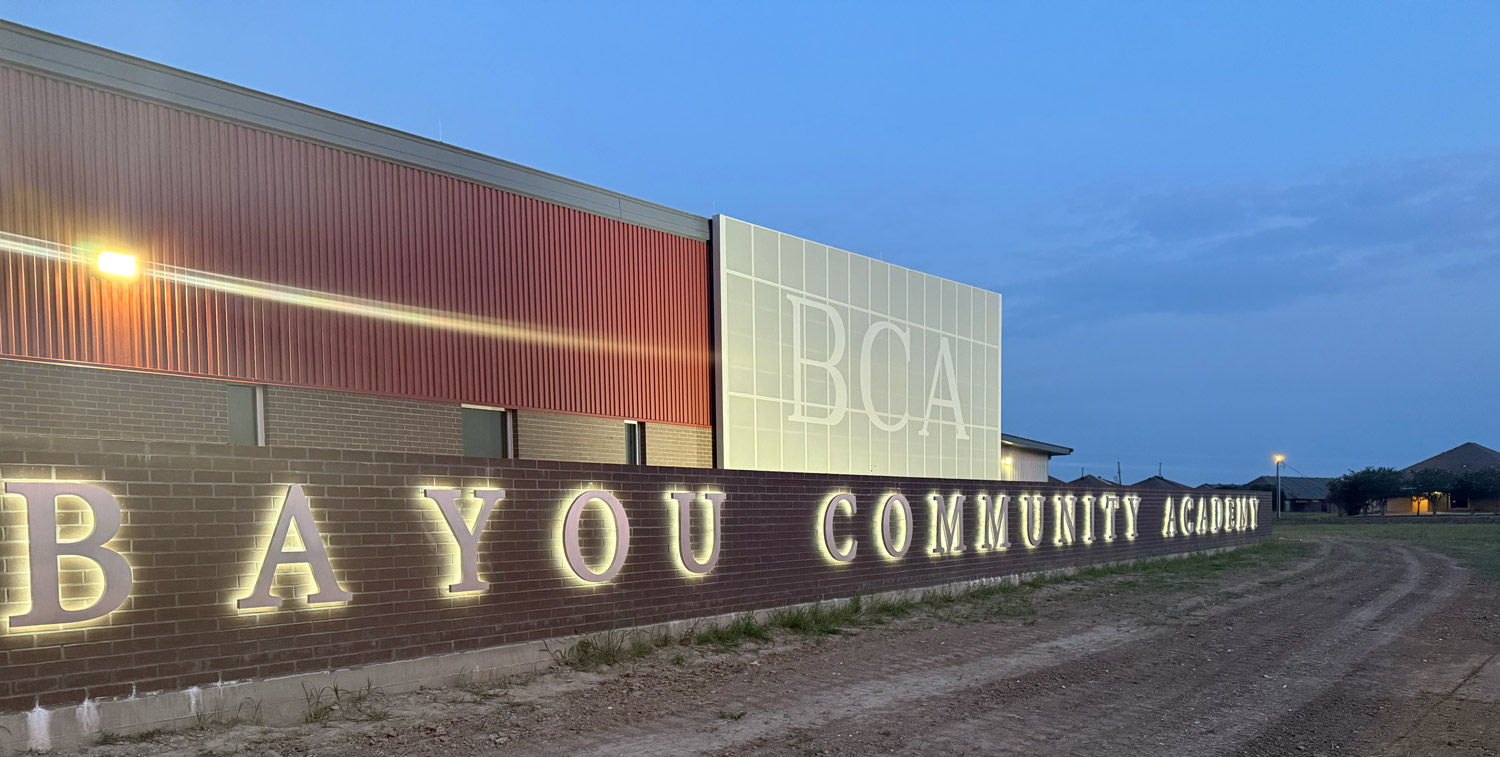
Bayou Community AcademyWhiteClouds lighted outdoor channel lettering for Bayou Community Academy.
WhiteClouds projects
Channel Lettering in Its Setting
TRIBE gymnasium letteringWhiteClouds illuminated wall lettering for a school gymnasium.Rainforest Cafe signWhiteClouds fabricated the Rainforest Cafe sign at Disney’s Animal Kingdom, with channel letters by Humble Sign Co.
The location shapes the sign: an exterior building name, a high interior wall and a themed entrance have different backgrounds, viewing angles and installation needs.
Understand the product
What Makes a Channel Letter?
A channel letter is a dimensional sign character built around a defined body or “can.” Its face, sidewalls and back are assembled to create depth and, when specified, space for lighting. A channel logo follows the same construction idea in a custom shape.
A construction, not just a material
A letter can combine metal returns, an acrylic face and a separate back. Solid flat-cut acrylic, cast metal and ordinary dimensional wall letters do not become channel letters simply because they project from a wall.
Illumination is optional
Many channel letters contain LEDs, but a fabricated body can also be supplied unlit. The lighting package changes the face, back, depth, power access and mounting requirements.
The site completes the specification
The same face artwork can require a different body or mounting arrangement on a masonry storefront, a raceway or an indoor feature wall. Specify the environment and supporting surface early.
The front surface carries the visible letter shape. A translucent face can pass light; an opaque metal face can support a rear halo.
Artwork, face material, day/night color, graphic film or finish, retention method and service access.
Return
The sidewall gives the letter body its depth. Formed aluminum and fabricated metal returns are common; other hollow-shell systems use different materials.
Depth, return color/finish, visible seams, stroke width and compatibility with the face and back.
Back
Closes or supports the body and provides attachment or a light exit, depending on construction. Some non-lit systems use an open back.
Metal or light-transmitting back, removable access, attachment locations and cable exits.
LEDs and power supply
LED modules distribute light inside a suitable body; the power supply and wiring form part of the complete electrical system.
Light color, diffusion, power-supply placement, location rating, service access and applicable certification.
Trim cap or another face-retention system
Traditional trim cap wraps the face edge and secures it to the return. Fabricated and trimless products can use other retention details.
Visible border, color, face access, compatible materials and the actual product construction.
Mounting assembly
Connects the letter to the building directly, through stand-offs or as part of a raceway/backing assembly.
Wall structure, fasteners, penetration positions, wall clearance and installation responsibilities.
Fabricated face-lit letterManufacturer reference — available through WhiteClouds. A light-transmitting face is supported by a metal letter body.Fabricated halo-lit letterManufacturer reference — available through WhiteClouds. Light exits behind the metal face to illuminate the background.
Trim cap and formed sidewalls
Trim-cap face assemblyManufacturer reference — available through WhiteClouds. Flexible trim follows the face outline. Width, color and fastening detail depend on the specified system.Formed plastic sidewall detailManufacturer reference — available through WhiteClouds. A formed shell can combine a face and sidewall. An illuminated assembly also needs a compatible back, lighting and mounting system.
A trimless edge and a trim-cap edge have different visible profiles and servicing details. A shaped or stepped formed-plastic shell is also different from a conventional metal return. Choose the complete assembly rather than mixing components from unrelated products.
Choose the light direction
Face-Lit, Halo-Lit or Unlit?
Face-lit channel letters
LEDs illuminate a translucent face, often acrylic. Face color, translucent graphics, module layout and depth affect the appearance. The visible face-retention detail may be trim cap or a fabricated/trimless system.
Reverse or halo-lit letters
An opaque face blocks forward light while a light-transmitting rear arrangement lets light reach the wall. Stand-off spacing and wall color or texture affect the halo. A dark or uneven surface can produce a different result from a light smooth wall.
Unlit fabricated letters
A hollow fabricated body can create a deeper profile without an internal light package. Ambient light and shadows make the face and returns visible. Discuss nighttime requirements before choosing an unlit sign.
Want light at both the front and back?
Front-and-back lighting needs a compatible body, face, rear light path and mounting arrangement. Include the intended effect in your request so we can review the available assembly for your artwork. Specialty open-face or exposed-light requests also need individual review.
Our Illuminated Letters page compares broader lighting approaches, including acrylic systems that are different from conventional channel construction.
Compare the finished effect
Fabricated Letter Examples
Illuminated fabricated letters and logos
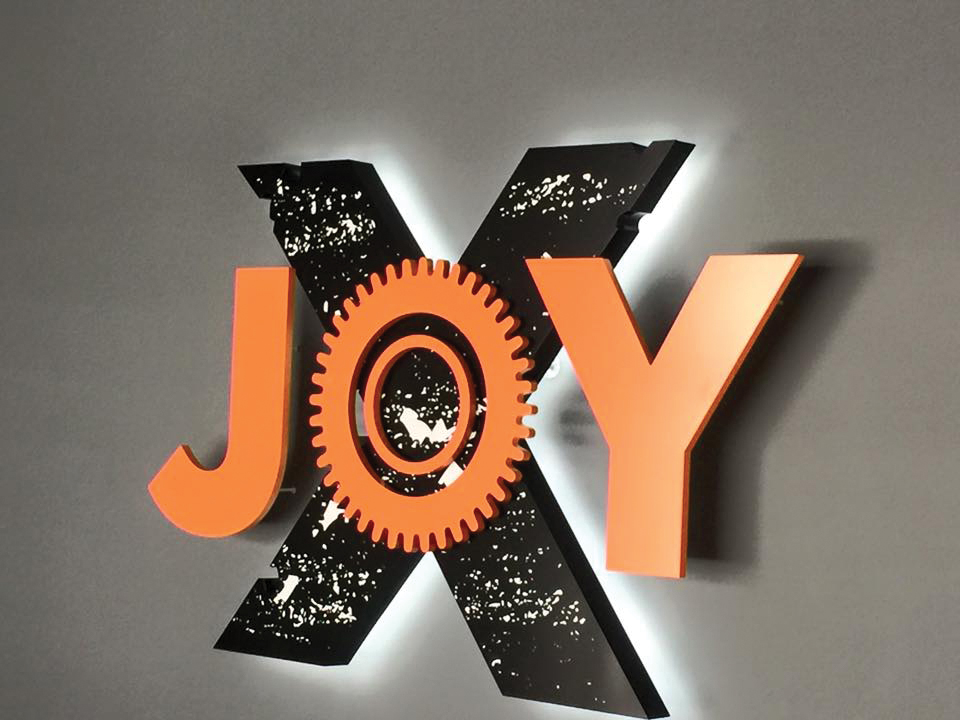
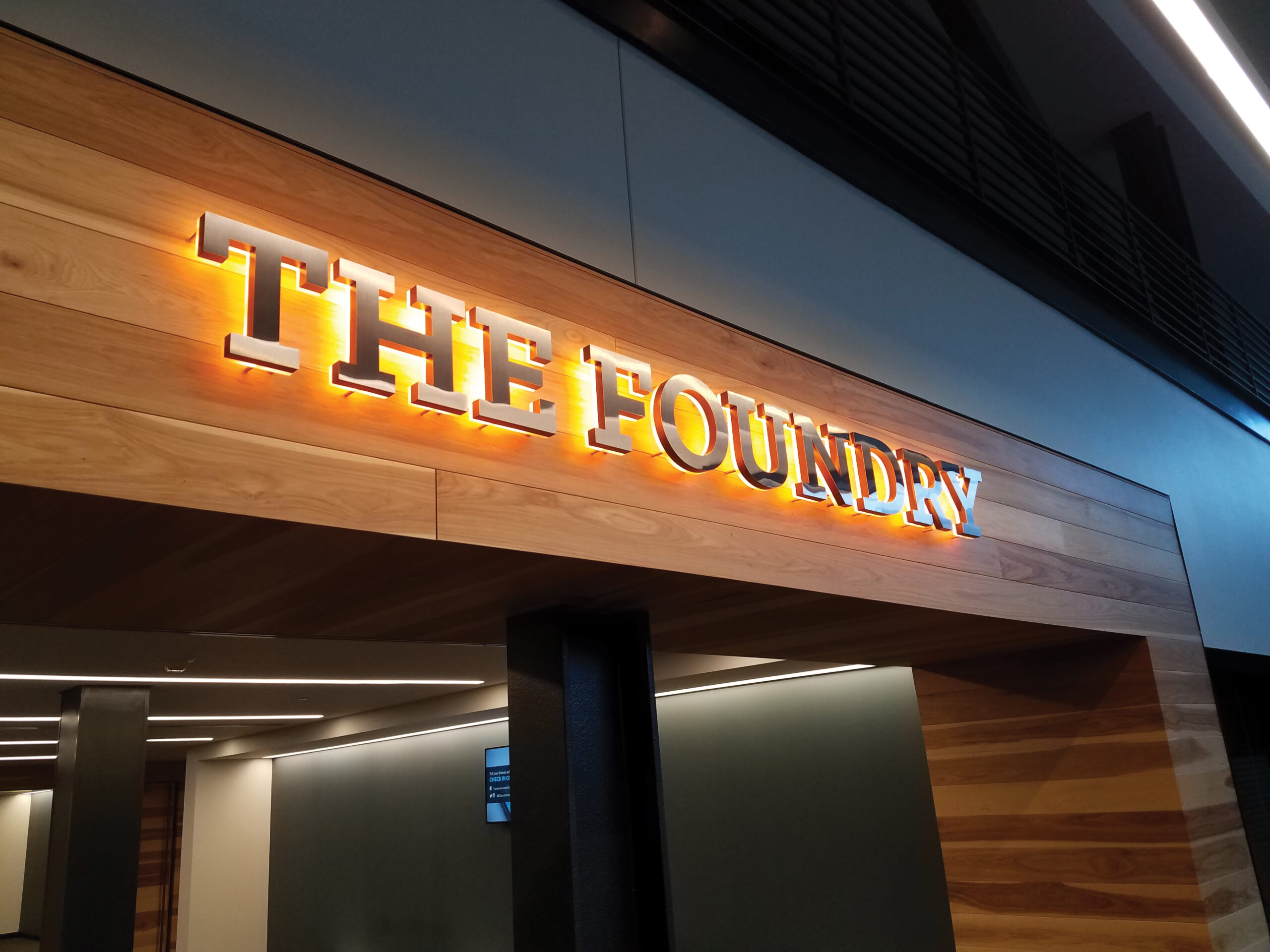
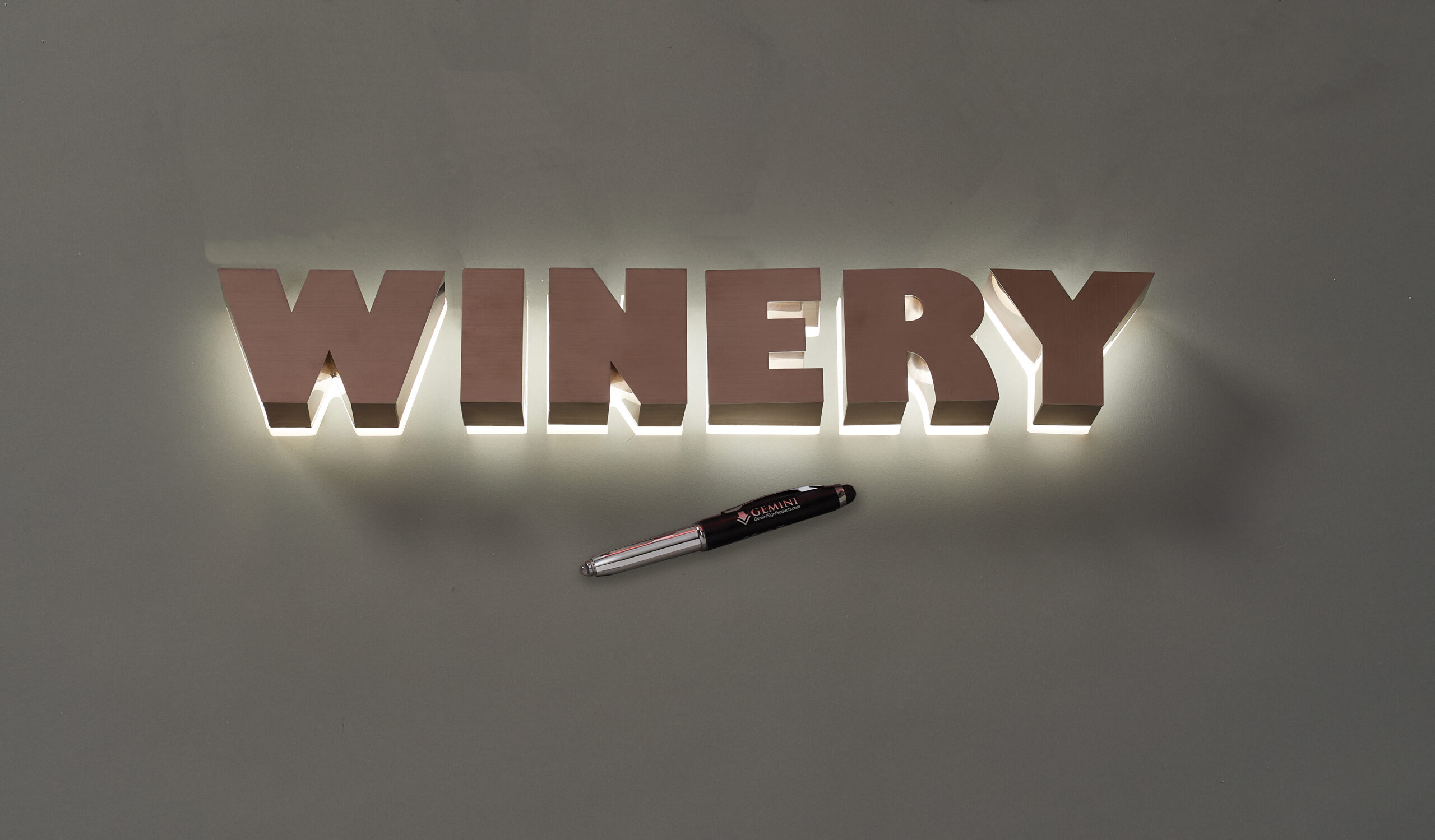
These examples illustrate fabricated illuminated signage. Compare the body, visible face and relationship to the wall.
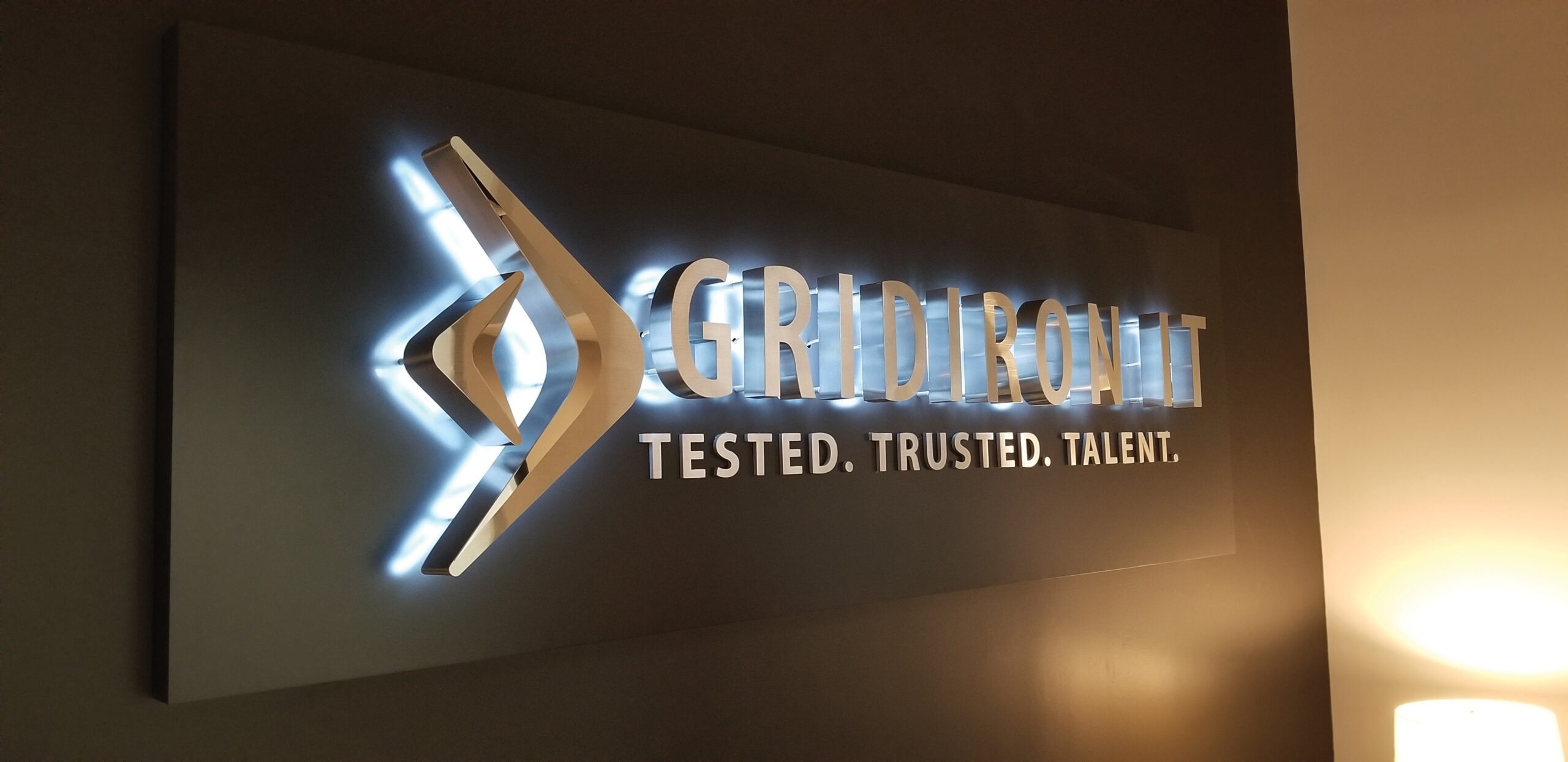
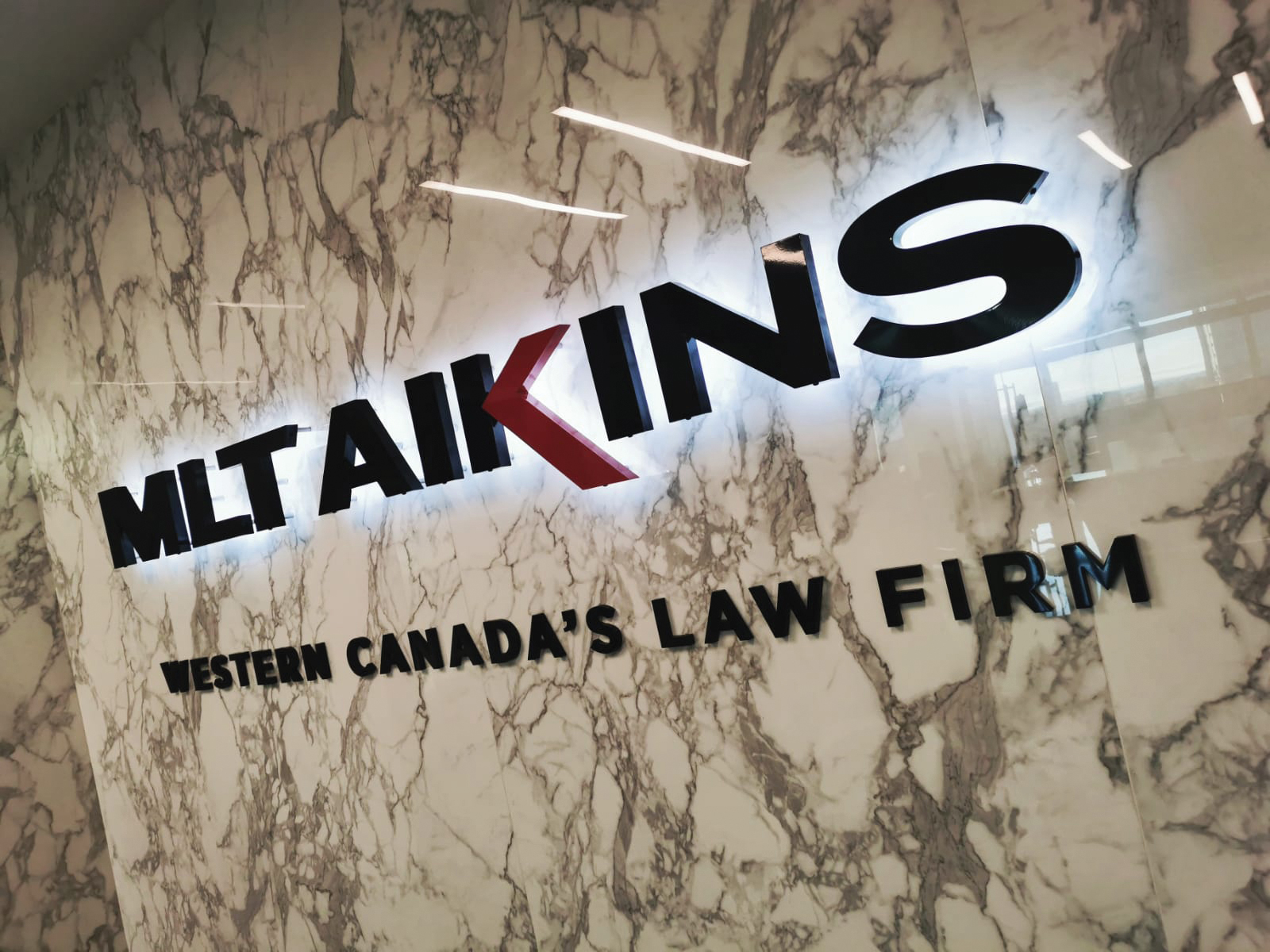
Rising Pharmaceuticals halo-lit signManufacturer reference — available through WhiteClouds.Smashburger illuminated logoManufacturer reference — available through WhiteClouds.Gridiron IT halo-lit signManufacturer reference — available through WhiteClouds.MLT Aikins halo-lit letteringManufacturer reference — available through WhiteClouds.JOY X illuminated logoManufacturer reference — available through WhiteClouds.Villanova illuminated letteringManufacturer reference — available through WhiteClouds.The Foundry illuminated letteringManufacturer reference — available through WhiteClouds.CGI illuminated letteringManufacturer reference — available through WhiteClouds.OKC Autobody at nightManufacturer reference — available through WhiteClouds.OKC Autobody in daylightManufacturer reference — available through WhiteClouds.VitaPro illuminated lettersManufacturer reference — available through WhiteClouds.Winery halo-lit lettersManufacturer reference — available through WhiteClouds.
Fabricated lettering in daylight
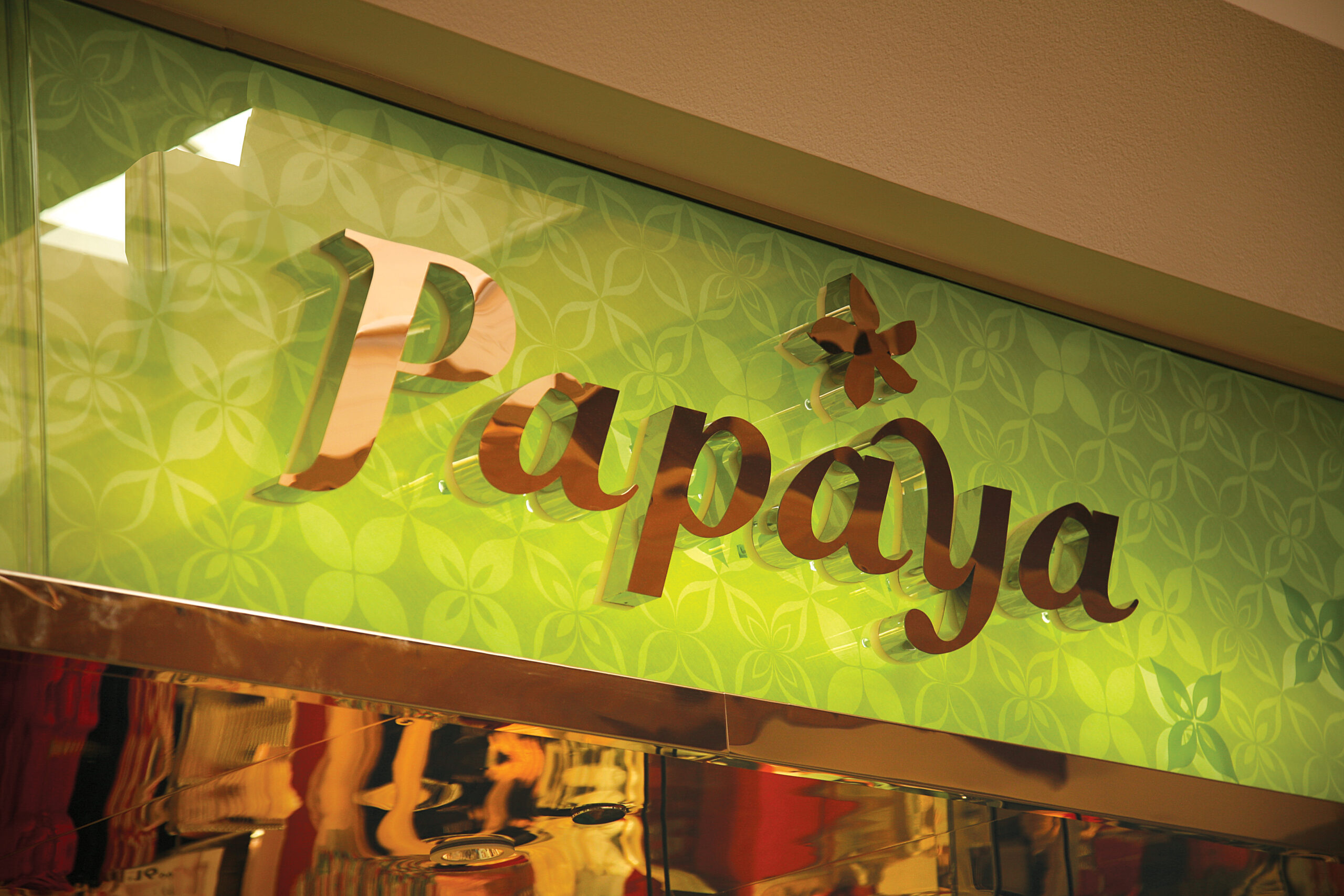
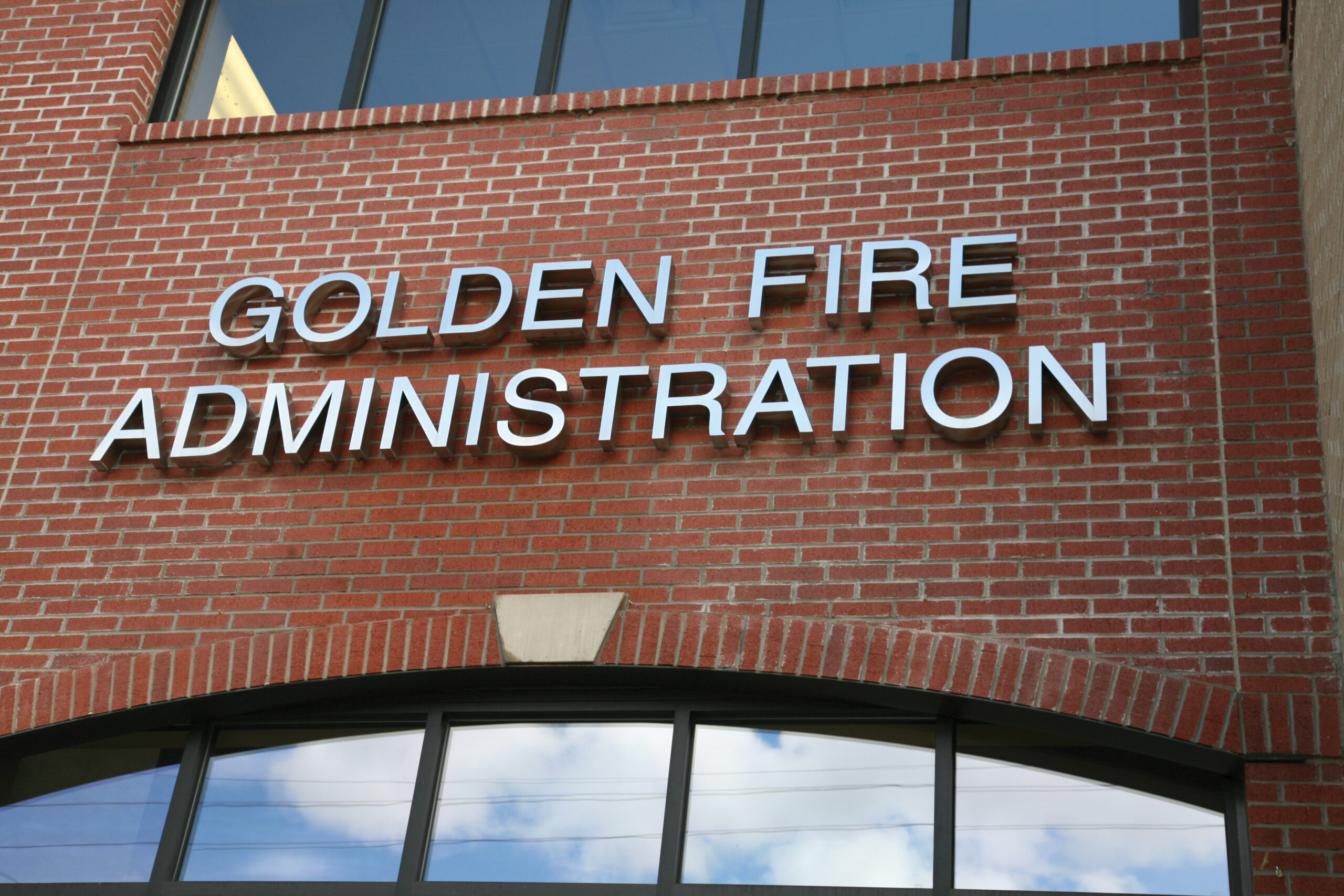
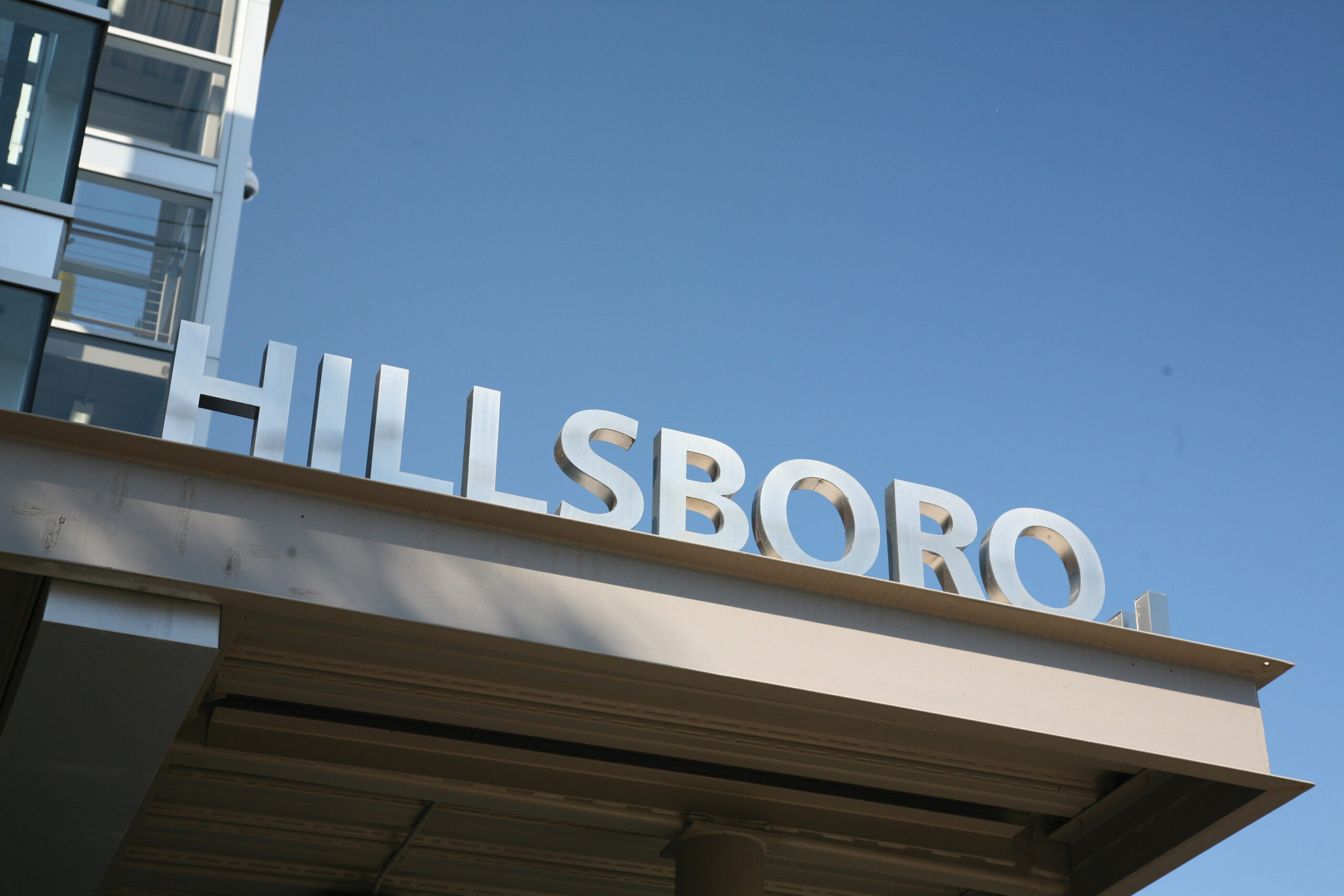
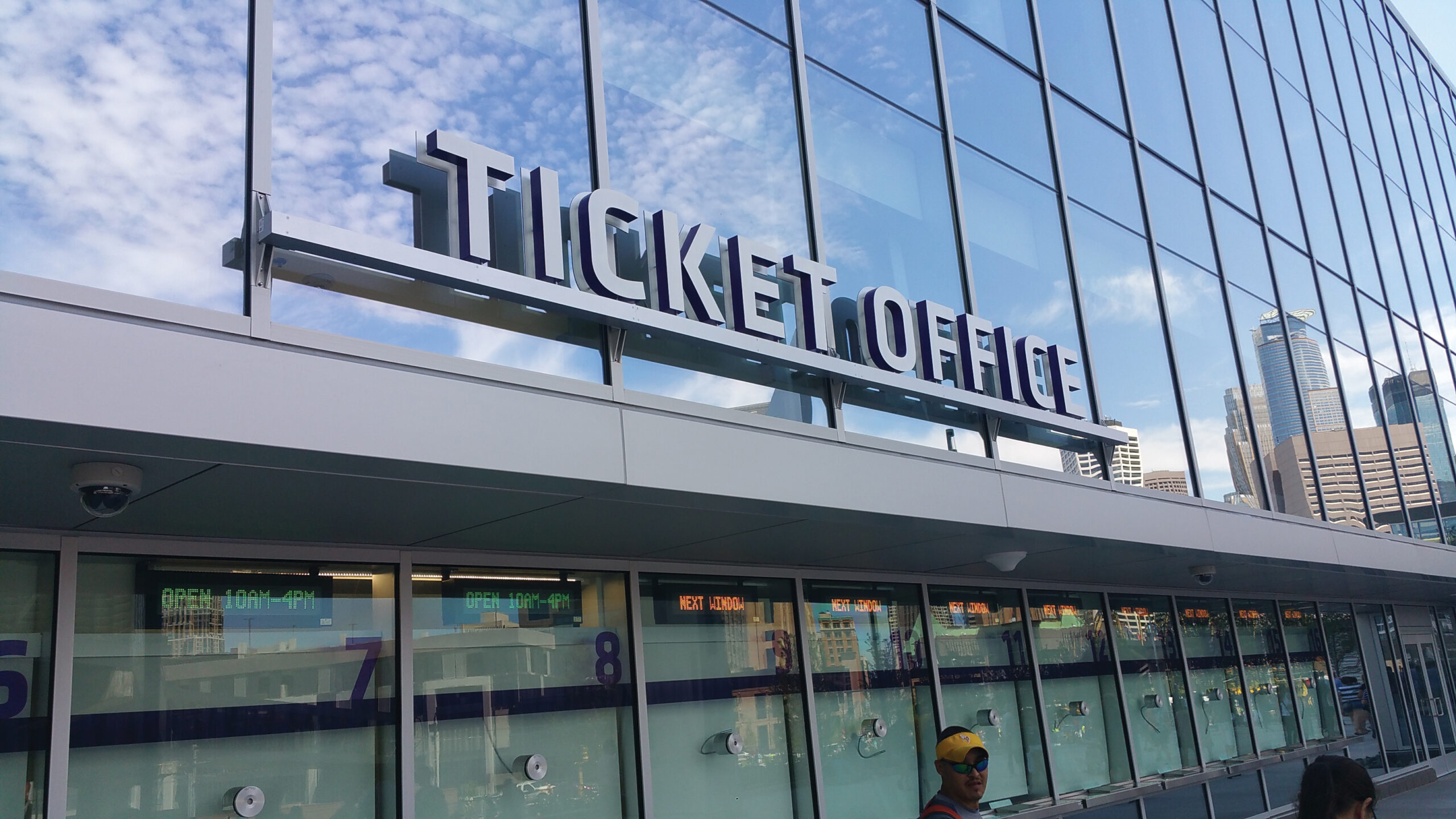
These manufacturer examples show fabricated metal lettering in its architectural setting. Lighting, when required, is specified separately; a daylight photograph alone does not identify the installed electrical package.
Papaya dimensional letteringManufacturer reference — available through WhiteClouds.Balliamos dimensional letteringManufacturer reference — available through WhiteClouds.CAPRI lettering and logoManufacturer reference — available through WhiteClouds.Cigar Vault letteringManufacturer reference — available through WhiteClouds.Coldwell Banker building letteringManufacturer reference — available through WhiteClouds.Dentiq dentistry letteringManufacturer reference — available through WhiteClouds.Golden Fire Administration letteringManufacturer reference — available through WhiteClouds.Hillsboro building letteringManufacturer reference — available through WhiteClouds.Level signageManufacturer reference — available through WhiteClouds.Oklahoma Central letteringManufacturer reference — available through WhiteClouds.Patagonia storefront letteringManufacturer reference — available through WhiteClouds.South Pointe Dental letteringManufacturer reference — available through WhiteClouds.Ticket office letteringManufacturer reference — available through WhiteClouds.
Illuminated formed-plastic assemblies
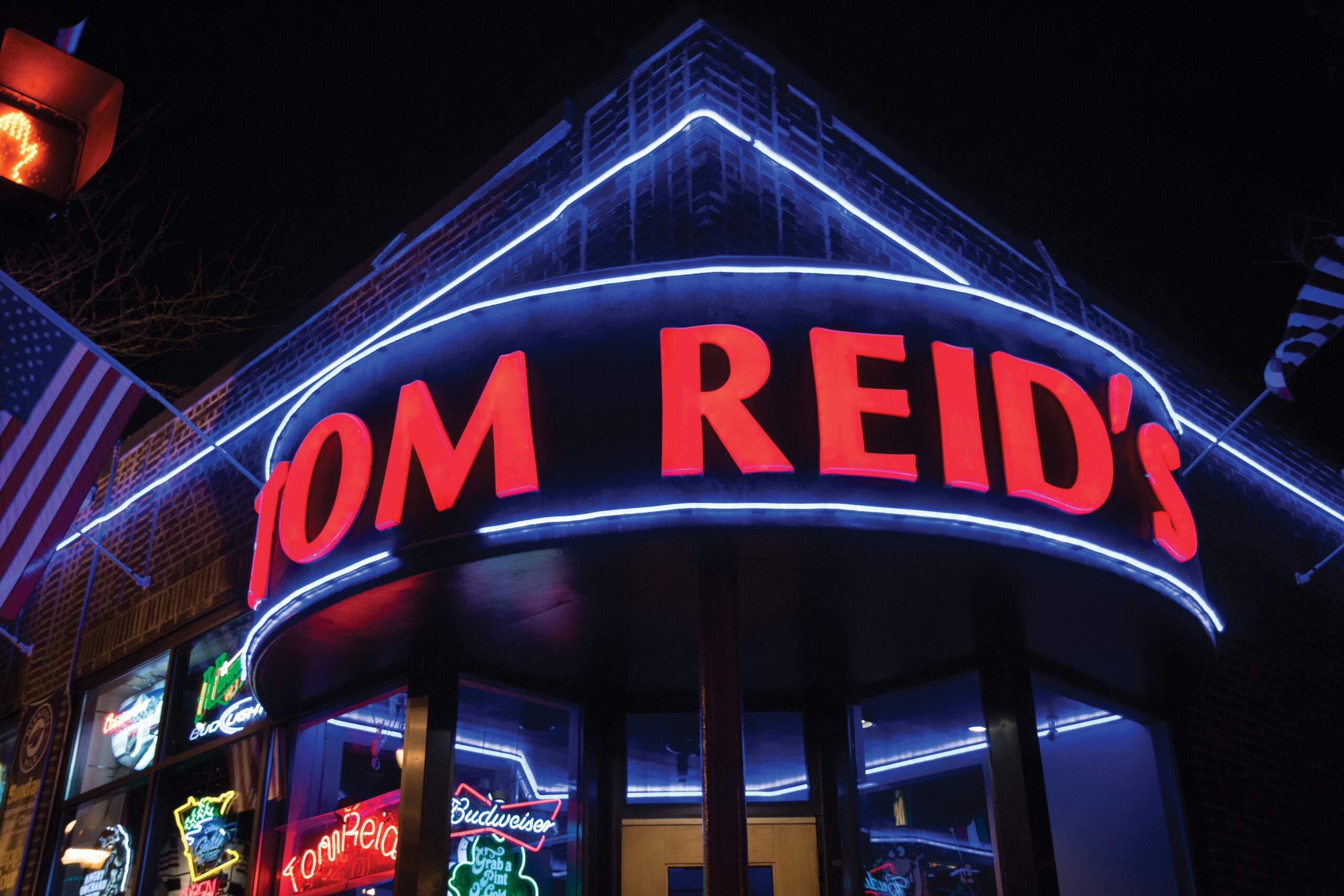
Formed plastic can create an illuminated letter or logo shell with a face and sidewalls. Compare these complete lit assemblies with conventional fabricated metal bodies; an ordinary solid plastic letter is a different product.
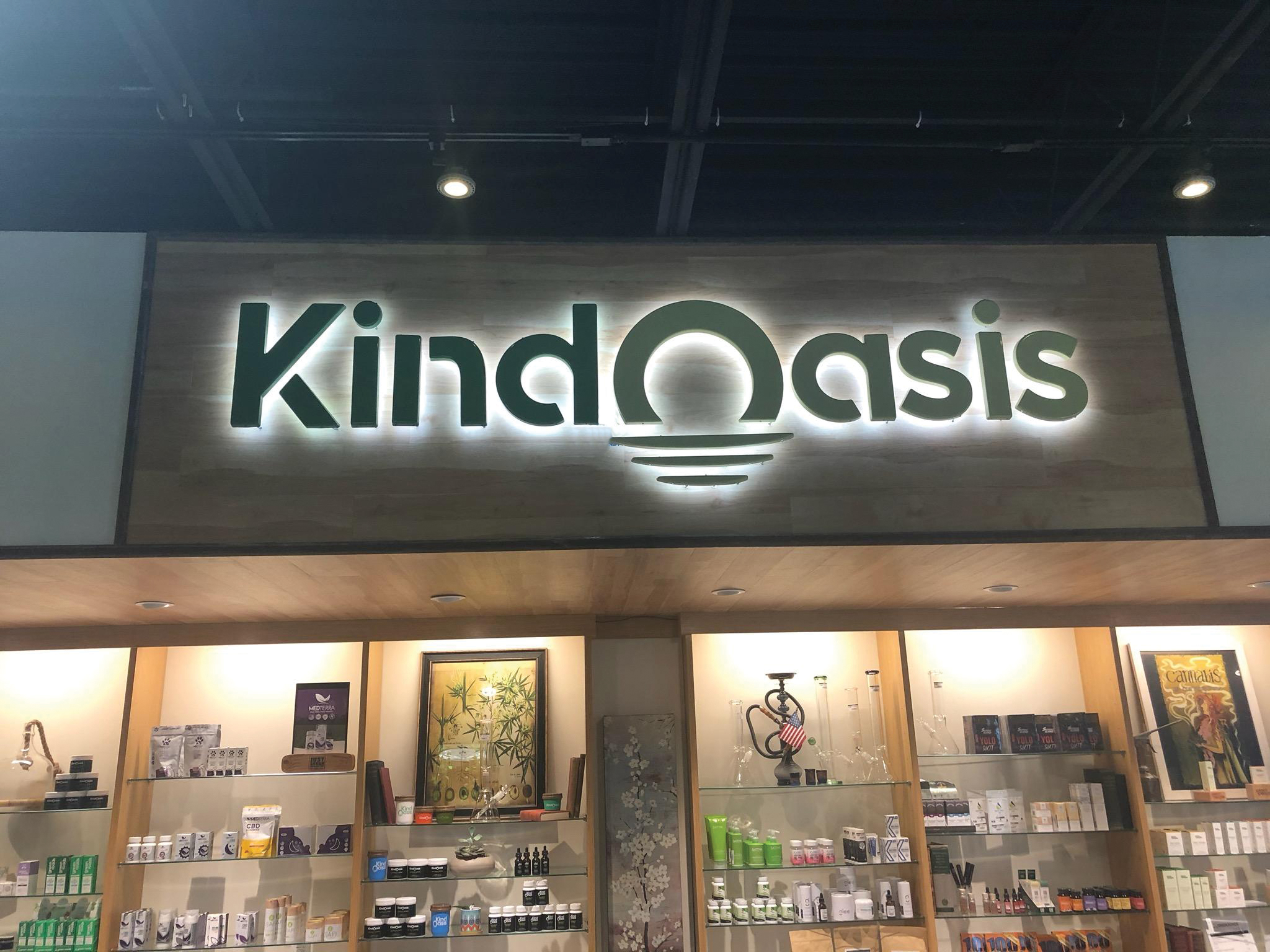
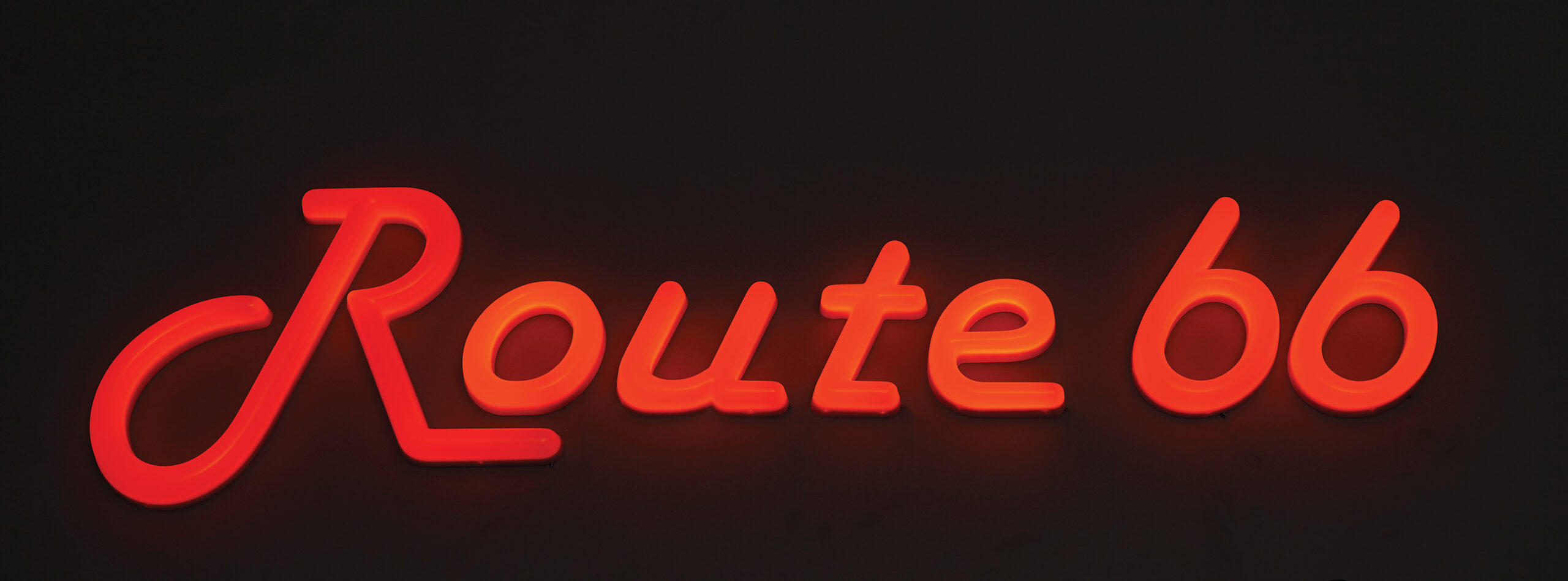
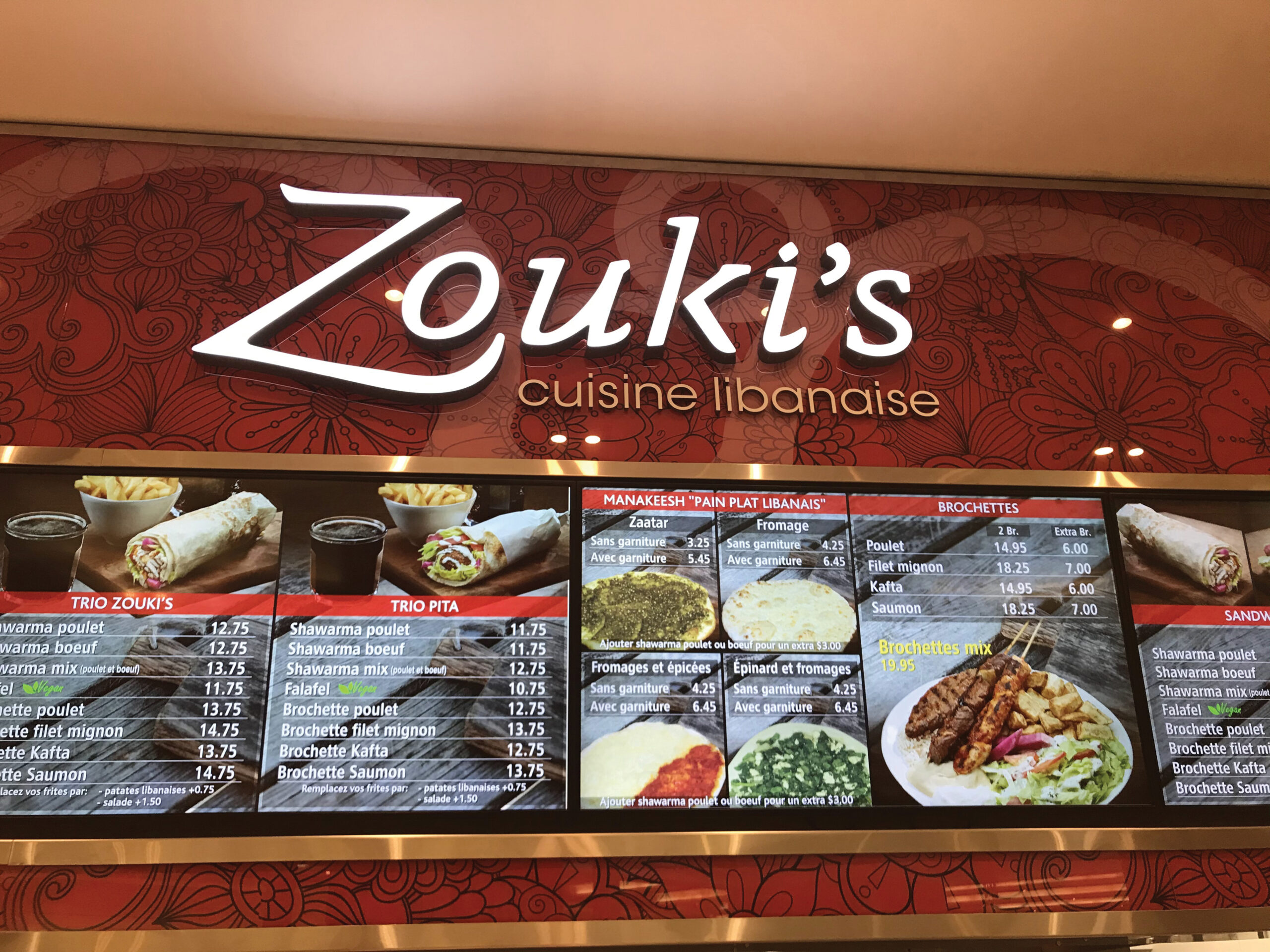
Mister Donut illuminated signManufacturer reference — available through WhiteClouds.Tom Reid’s illuminated signManufacturer reference — available through WhiteClouds.Kind Oasis illuminated signManufacturer reference — available through WhiteClouds.Route 66 illuminated signManufacturer reference — available through WhiteClouds.Esso illuminated signManufacturer reference — available through WhiteClouds.Zoukis illuminated signManufacturer reference — available through WhiteClouds.Lawson illuminated signManufacturer reference — available through WhiteClouds.
Size the complete assembly
Specifications to Set Before Ordering
A channel-letter specification checklist
Specification
Why it matters
What to provide
Overall size and stroke width
LED spacing, bends, joints and face retention need room inside the letter. A narrow stroke can limit a lighting system.
Letter heights, overall sign width, vector artwork and the smallest detail that must remain.
Body depth
Projection affects appearance, light diffusion, weight, mounting and access.
Preferred depth or a reference, plus any facade or landlord limits.
Face and return finishes
Daylight appearance and illuminated appearance can differ.
Day/night color targets, face graphics, return finish and trim preference.
Back and wiring access
The rear arrangement determines light escape, attachment and servicing.
Wall section or photos, cable route, power-supply location and access limitations.
Environment
Indoor, damp and exposed exterior locations need appropriately selected materials and electrical components.
City/location, exposure, cleaning conditions and known building requirements.
Mounting and weight
The full assembly must be supported by the actual building substrate.
Raceway or direct-mount preference, wall material, attachment points and installer coordination.
There is no single minimum or maximum size for every channel letter. Height, stroke, depth, material and light package are connected. Large signs may ship in sections, and a shallow return may limit the room available for light diffusion. The quote and drawings establish the dimensions for your design.
The sign by day and night
Coordinate Faces, Returns and Trim
Face color & graphics
Pigmented translucent material carries color within the plastic. Painted surfaces or applied graphics create color on the surface. For a lit face, the material and graphics must transmit the intended light; ordinary opaque paint can block it.
Returns & trim
A painted return can match the face, contrast with it or blend into the building. Trim-cap color is a separate selection with its own available range. Metal finishes are another option for suitable fabricated bodies.
Color matching
Send a brand specification, paint reference or physical sample. Confirm the sheen and compare illuminated and unlit samples when color is critical. Matching requirements and any associated charges belong in the quote.
These paint samples help describe a finish direction. They are not a translucent-face or LED-color chart. Available colors depend on the component and product; screen appearance is approximate.
View paint color samples
Manufacturer paint examples for compatible sign components. Confirm the current finish and sheen for your assembly.
Aztec Copper paintManufacturer reference — available through WhiteClouds.Aztec Gold paintManufacturer reference — available through WhiteClouds.Black Cherry paintManufacturer reference — available through WhiteClouds.Black paintManufacturer reference — available through WhiteClouds.Blue paintManufacturer reference — available through WhiteClouds.Brick Red paintManufacturer reference — available through WhiteClouds.Brilliant Gold paintManufacturer reference — available through WhiteClouds.Brown paintManufacturer reference — available through WhiteClouds.Citrus Yellow paintManufacturer reference — available through WhiteClouds.Copper paintManufacturer reference — available through WhiteClouds.Dark Blue paintManufacturer reference — available through WhiteClouds.Dark Green paintManufacturer reference — available through WhiteClouds.Desert Sand paintManufacturer reference — available through WhiteClouds.Dove Grey paintManufacturer reference — available through WhiteClouds.Duranodic Bronze paintManufacturer reference — available through WhiteClouds.Emerald Green paintManufacturer reference — available through WhiteClouds.Federal Green paintManufacturer reference — available through WhiteClouds.Grey paintManufacturer reference — available through WhiteClouds.Hunter Green paintManufacturer reference — available through WhiteClouds.Ivory paintManufacturer reference — available through WhiteClouds.Lemon Yellow paintManufacturer reference — available through WhiteClouds.Light Blue paintManufacturer reference — available through WhiteClouds.Light Green paintManufacturer reference — available through WhiteClouds.Magenta paintManufacturer reference — available through WhiteClouds.Mango paintManufacturer reference — available through WhiteClouds.Marine Reef Blue paintManufacturer reference — available through WhiteClouds.Maroon paintManufacturer reference — available through WhiteClouds.Medium Blue paintManufacturer reference — available through WhiteClouds.Medium Bronze paintManufacturer reference — available through WhiteClouds.Metallic Gold paintManufacturer reference — available through WhiteClouds.Metallic Silver paintManufacturer reference — available through WhiteClouds.Midnight Blue paintManufacturer reference — available through WhiteClouds.Old Copper paintManufacturer reference — available through WhiteClouds.Orange paintManufacturer reference — available through WhiteClouds.Purple paintManufacturer reference — available through WhiteClouds.Rampart Orange paintManufacturer reference — available through WhiteClouds.Red Orange paintManufacturer reference — available through WhiteClouds.Red paintManufacturer reference — available through WhiteClouds.Safety Green paintManufacturer reference — available through WhiteClouds.Spring Green paintManufacturer reference — available through WhiteClouds.Sundance Yellow paintManufacturer reference — available through WhiteClouds.Teal Blue paintManufacturer reference — available through WhiteClouds.Violet Toner paintManufacturer reference — available through WhiteClouds.White paintManufacturer reference — available through WhiteClouds.Yellow paintManufacturer reference — available through WhiteClouds.
Plan for the actual view
Letter Size, Contrast and Viewing Distance
Start with the position of the viewer, not just the available wall space. A sign facing approaching traffic presents a different reading opportunity from one mounted parallel to the road or high above an entrance.
Approximate sizing references
Viewing distance
Letter height to discuss
100 feet
4 inches
250 feet
10 inches
360 feet
16 inches
500 feet
22 inches
750 feet
33 inches
1,000 feet
43 inches
1,320 feet
57 inches
These figures are an initial sizing reference, not guaranteed reading distances or universal minimums. Typeface, stroke width, contrast, illumination, viewing angle, obstructions and the time available to read the message can require a different size. Evaluate the complete layout against photographs or elevations of the actual site.
Height & placement
Check the approach angle, building elevation, landscaping, parked vehicles and nearby signs. A sign may be visible as an object before its wording becomes readable.
Contrast & message length
Keep the wording and spacing clear at the expected distance. Thin strokes, elaborate scripts or a low-contrast background can reduce readability, even when letter height is generous.
Nighttime appearance
Review the face and background together. A bright face, a soft halo and an unlit metal face respond differently after dark. More brightness alone does not solve every visibility problem.
Connect the sign to the building
Raceway, Direct or Stand-Off Mounting
Channel-letter mounting choices
Mounting approach
How it works
Planning considerations
Raceway mounted
Letters attach to a common enclosure that can organize wiring and, when specified, electrical components. The raceway then attaches to the building.
Visible raceway size/color; building anchor locations; power entry; service access; landlord approval. A raceway may reduce wall penetrations, but the actual layout determines the number.
Direct mounted
Letters attach individually to the supporting surface. Wiring passes through planned openings or a cable path agreed with the installer.
Wall structure; anchor type; cable penetrations; access behind the wall; sealing and drainage; exact letter spacing.
Stand-off mounted
Letters sit away from the surface on specified supports. This is often used to create clearance for a halo.
Consistent separation; back construction; wall reflectance and texture; concealed wiring; resistance to weight and wind where applicable.
Backing panel
A finished panel provides a coordinated background and can support a letter group when designed for the assembly.
Panel joints/edges; color; attachment; cable access; overall weight. A decorative panel is not automatically an electrical raceway.
Mounting hardware must suit the assembly and the actual wall. The sign drawings should show attachment points and cable exits; the installer determines suitable building anchors and installation methods within the project requirements. Confirm which hardware, patterns and electrical components are supplied.
Letter layout illustrationManufacturer reference — available through WhiteClouds. Letter outlines help establish spacing and alignment. The installation pattern supplied for your specific sign determines mounting and wiring positions.
Read the installation pattern
Check the centerline or baseline, overall dimensions, letter orientation and identifiers before drilling. Similar letters may have different stud or cable positions. Follow the pattern’s legend and keep the drawings for future servicing or replacement.
Layout and drilling patterns serve different purposes
A layout pattern locates the visible lettering; a drilling pattern identifies the specified mounting holes. Channel-letter installation may also need wiring-exit and raceway drawings. Confirm the documents for your assembly rather than using a pattern intended for a different letter construction.
Power, access & local requirements
Coordinate the Complete Electrical Sign
LED modules, power supplies, wiring and the letter enclosure need to work as a complete system. A recognized or certified component is not, by itself, proof that the complete installed sign has the required certification.
Power & service access
Identify the available power, power-supply location and the path to each letter. Leave access for inspection and replacement of serviceable parts; concealed wiring should still have a defined route.
Environment & components
Specify indoor, damp or exposed outdoor conditions. The electrical package, enclosure, cable entries and drainage details must fit the intended location and installation instructions.
Installation responsibilities
Confirm landlord or sign approvals, local permits, electrical connection and qualified installation in the project scope. WhiteClouds does not automatically include every local permitting or installation service with a fabricated sign.
UL evaluates electric signs and components under applicable standards, including UL 48 for electric signs. Ask for the certification and installation documentation relevant to the actual assembly. Local approval requirements depend on the location and scope.
From first files to finished display
Plan the Sign, Then Build the Assembly
01
Define the location
Send site photos or elevations, wall construction, dimensions, viewing conditions and installation date.
02
Develop the sign
Choose the face, returns, lighting and mounting. Review depth, colors, power access and any building restrictions.
03
Review drawings
Approve the artwork, spacing, overall dimensions, mounting and electrical scope before production.
04
Fabricate & assemble
The specified components are fabricated, finished and assembled. The light package and access details follow the selected system.
05
Deliver & install
Coordinate packing, delivery, patterns and local installation. Confirm the production schedule and payment terms with the order.
Price the actual assembly
What We Need for Channel Letter Pricing
The lettering
Vector logo or exact wording and font; letter heights; overall width; number of sets; desired depth. Include small details and any dimensional drawing.
The light & finish
Face-lit, halo-lit or unlit; day/night color goals; face graphics; return and trim finishes; any sample-matching requirement.
The building & installation
Address; indoor/outdoor exposure; wall photos and construction; raceway/direct/stand-off preference; power location; installation access and delivery date.
Price changes with letter count, geometry, depth, materials, finish, LED package, raceway or supports, access requirements, packaging and freight. Replacement letters may also need measurements and photographs of the existing assembly. An approved drawing and a complete installation scope make quotes easier to compare.
Questions before you build
Channel Letters: Common Questions
What is a channel letter?
It is a dimensional letter with an assembled body or can, including a face and sidewalls with a back or mounting arrangement appropriate to the construction. The body may contain lighting. Ordinary solid cut letters are a different product.
Are channel letters always illuminated?
No. A fabricated channel body can be unlit. If you want lighting, specify it from the start because the face, back, depth, wiring access and mounting may change.
What are returns?
Returns are the sidewalls that give a letter its depth. Their material, finish and height affect the side profile, joining details and the space available for lighting.
What does trim cap do?
Trim cap follows the face perimeter and helps attach the face to the return. Other fabricated and trimless systems use different face-retention details. Confirm which construction is included in the quote.
How do face-lit and halo-lit letters differ?
A face-lit letter sends light through its front. A halo-lit letter sends light toward the wall behind an opaque face. The wall surface and stand-off distance are especially important for a halo effect.
Can a channel sign light at both the front and back?
It can be possible with a compatible assembly. Send the desired effect and artwork so the body, optical arrangement, wiring and mounting can be reviewed together.
Is a raceway better than direct mounting?
It depends on the building and the desired appearance. A raceway groups letters and wiring on a common enclosure; direct mounting attaches each letter to the wall. Compare visibility of the support, wall penetrations, power access and installer requirements.
How far from the wall should halo letters sit?
The spacing depends on the letter back, light package and desired halo. Wall reflectance and texture also matter. Use the stand-offs and spacing specified for the product rather than choosing a universal distance.
Can a custom logo use channel construction?
Yes, when its shape and dimensions can accommodate the required body, connections and light package. Fine strokes or small isolated pieces may need artwork adjustments or a different construction.
Will the sign look the same during the day and at night?
Not necessarily. Translucent faces and graphics can change appearance when illuminated. Review samples or a specified day/night treatment when matching brand colors is critical.
What size should the letters be?
Consider viewing distance, angle, message length, typeface, contrast and the time available to read the sign. The reference chart is a starting point; the site and product geometry determine the final size.
Does a UL-rated LED make the whole sign certified?
No. Component suitability and complete-sign certification are different questions. Confirm the documentation for the full assembly and the installation requirements that apply at your location.
Can channel letters be used indoors?
Yes, suitable channel systems can be used on indoor walls and in branded spaces. Compare room lighting, viewing distance, power access and wall attachment; Interior Letters covers indoor applications across materials.
What affects production time, shipping and payment?
Artwork approval, components, finish, assembly size and current capacity affect scheduling. Packing and parcel or freight delivery depend on the finished assembly. The quote confirms the schedule, shipping scope and payment terms.
What warranty comes with a channel-letter sign?
Request the written terms for the body, finish, LEDs and power supplies included in your order. Coverage and maintenance requirements can differ, and removal, access and reinstallation costs should be clarified before ordering.
Match the project format
Other Lettering Options
For oversized freestanding event letters, stage displays or campus landmarks, visit Large Letters. For large custom metal installations, see Large Metal Letters. These projects have different support and transport needs from standard mounted channel signage.
Use the 3D Letters Ultimate Guide to compare materials, mounting and planning considerations across lettering types.
Start your project
Discuss Your Channel Letter Project
Send your artwork and installation details so we can define the channel body, light package and mounting together.
What to send for pricing
Wording or vector logo and finished dimensions
Face-lit, halo-lit or unlit appearance
Face, return and trim colors or finish references
Wall construction, mounting preference and power access
Project location, delivery requirements and installation date
Site photographs and any landlord sign criteria help identify the right questions early.