Custom Scale Models for Business Displays, Museums & Trade Shows
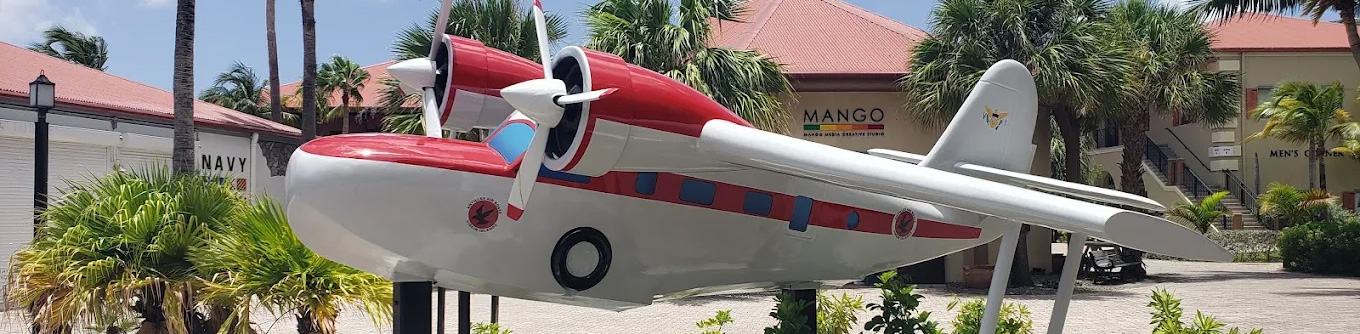
WhiteClouds creates custom scale models and scaled-down physical displays of equipment, products, facilities, sites, vehicles, artifacts, prototypes, and concepts. When the real subject is too large, expensive, fragile, complex, or impractical to display, a scale model makes it easier to explain, transport, compare, photograph, and understand.
Miniature scale models built to make large, complex, fragile, or conceptual subjects easier to present in a smaller physical format.
Explore examples ↓Custom Scaled-down models for sales, museums, planning, prototypes, and permanent displays.
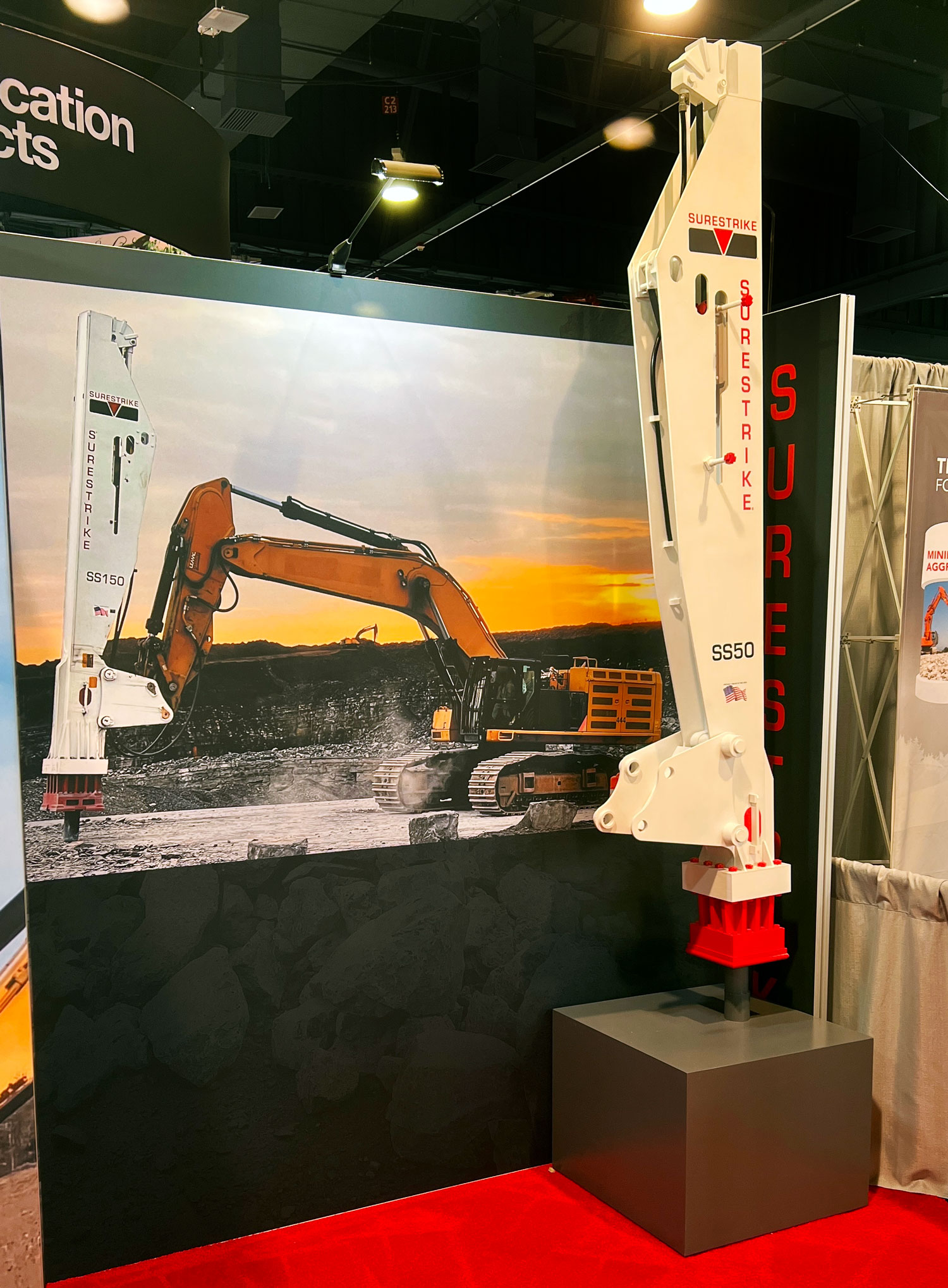
Trade show & sales demos
Miniature models help teams present large equipment, systems, vehicles, products, or facilities in a format that fits a booth, table, case, or meeting room.
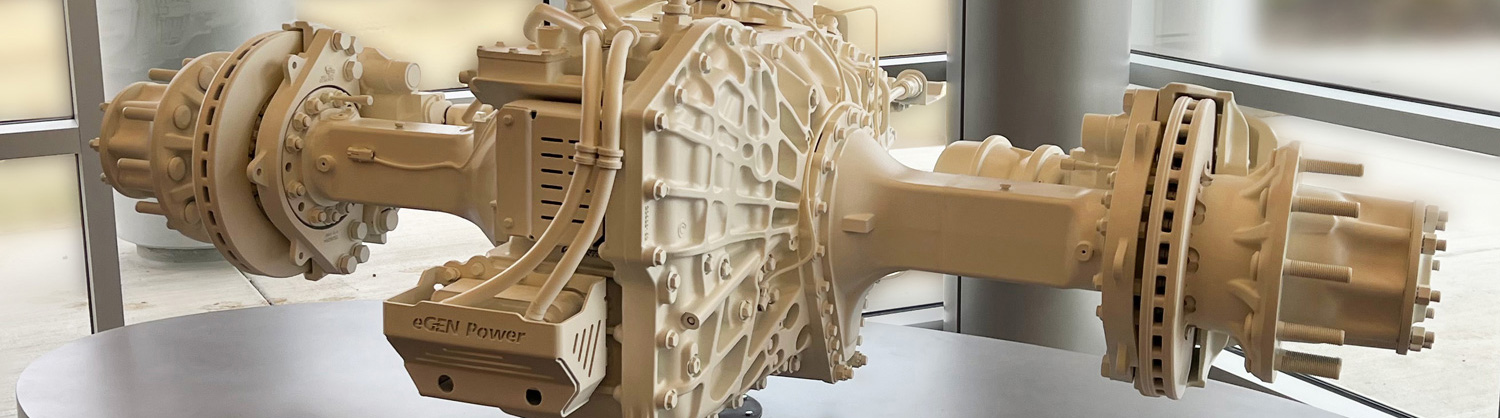
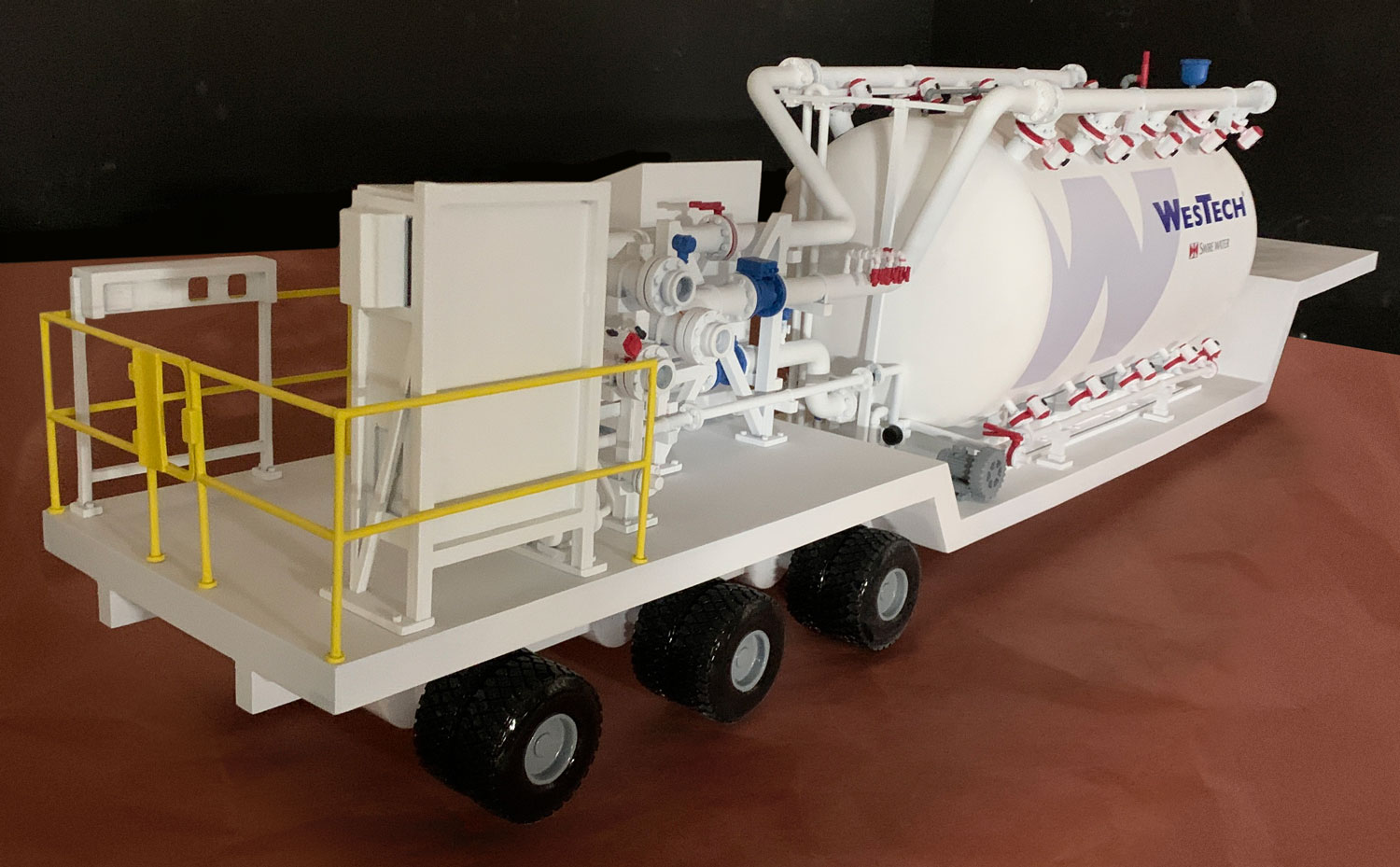
Equipment & machinery scale models
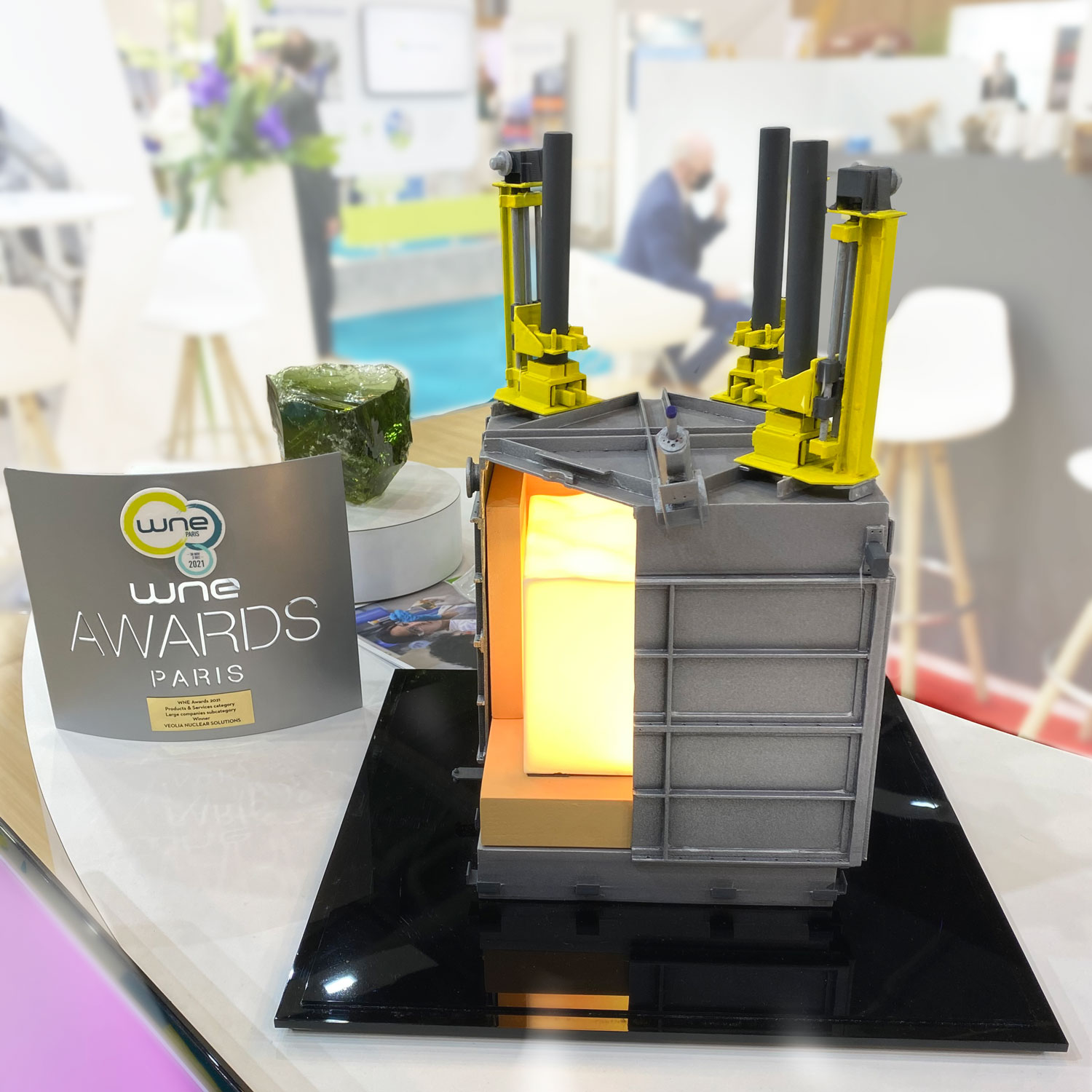
Scaled-down equipment models can show form, features, layout, and key details without transporting the full-size machine or system.
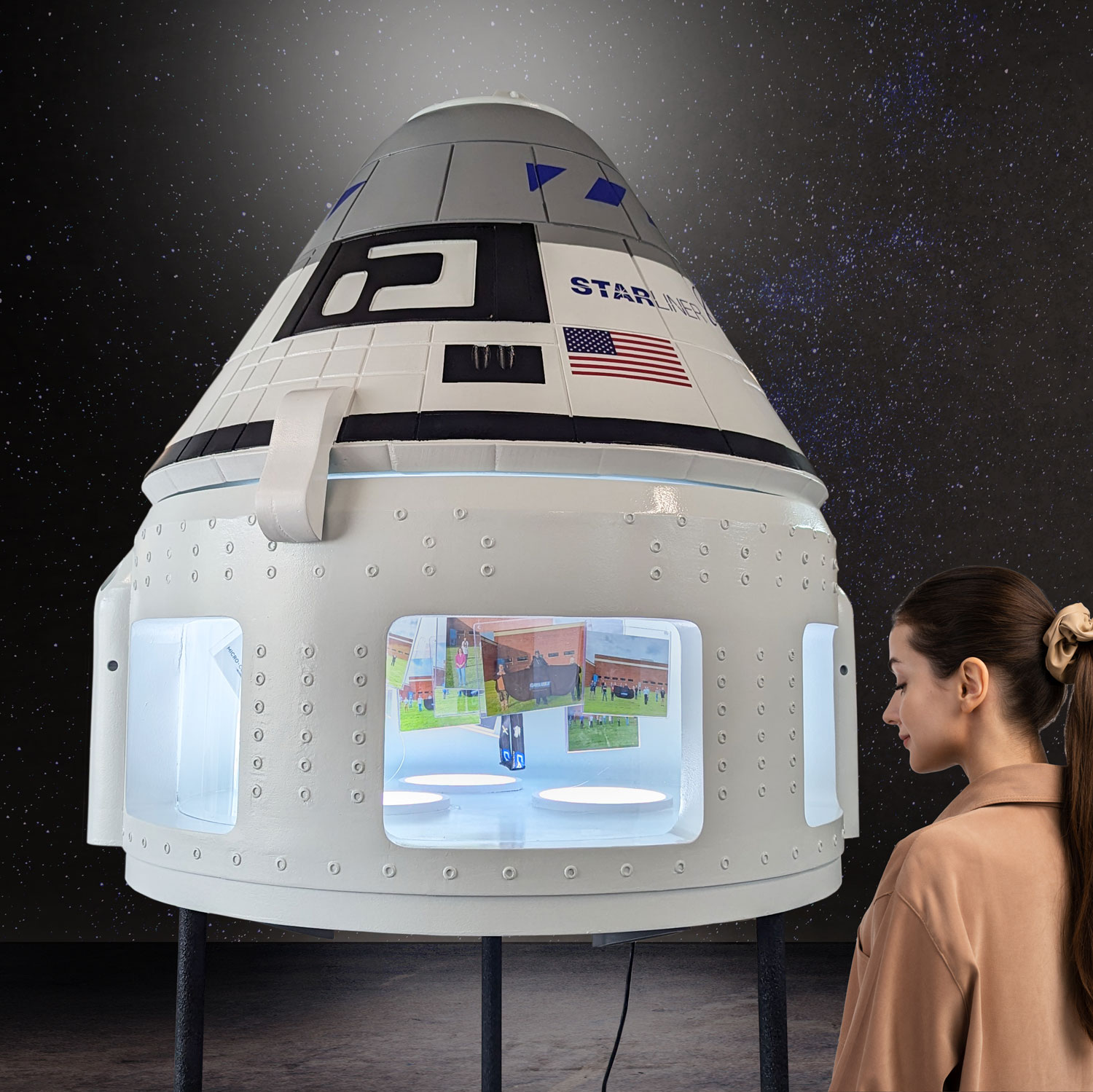
Museum & historical displays
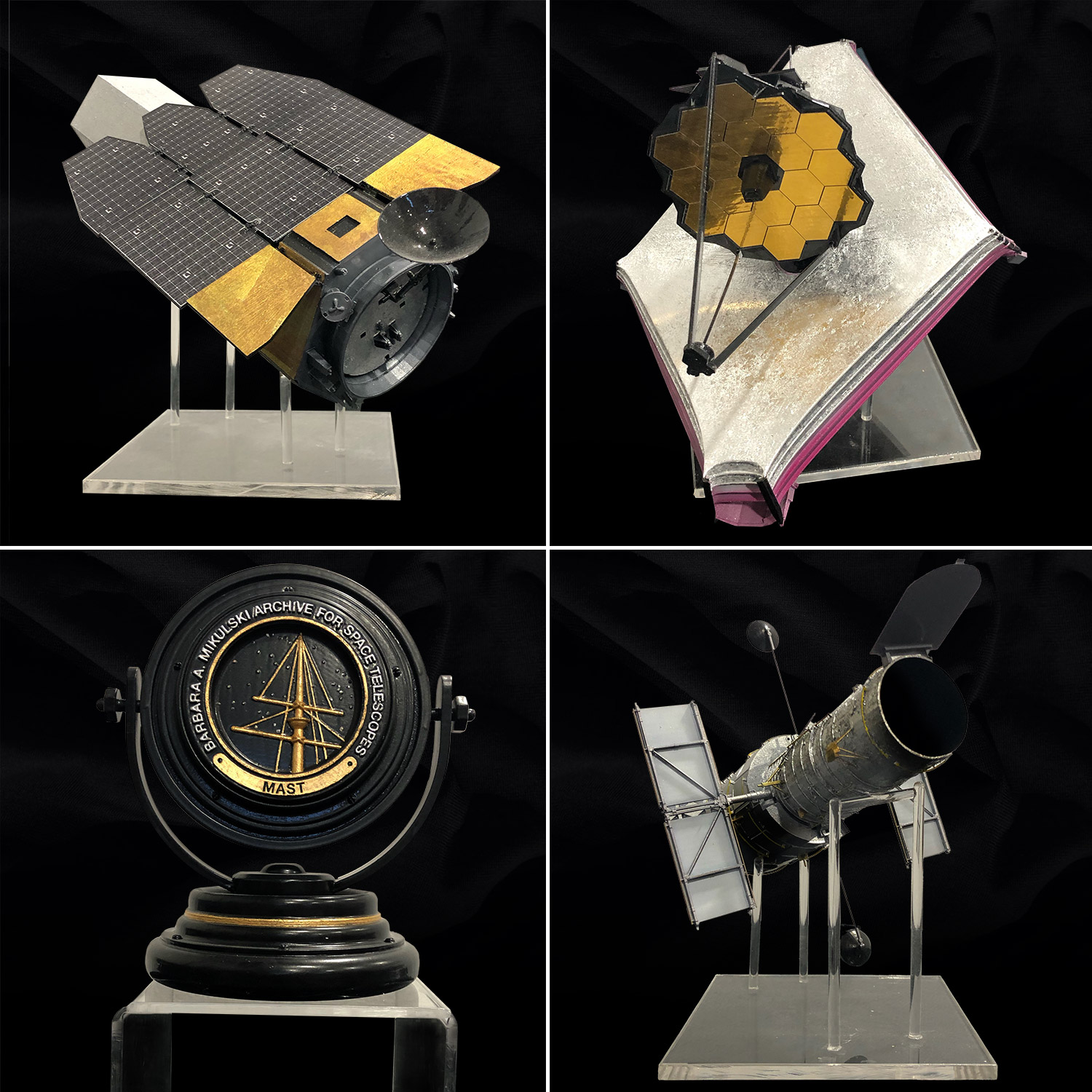
Miniature models can help museums, visitor centers, and institutions present artifacts, buildings, vehicles, sites, and historic scenes in a durable exhibit format.
Prototype, concept & planning models
A scale model can help teams present a new product, site, facility, layout, or concept before the full-size version exists or before decisions are final.
Miniature scale models, equipment replicas, facility models, museum displays, prototype models, and trade show demos
WhiteClouds has fabricated miniature scale models, business display models, museum models, equipment replicas, prototype models, facility models, and trade show demo models for manufacturers, industrial companies, museums, institutions, developers, and public-facing organizations.
Explore custom scale model projects by use case
Custom scale models can be used for sales, exhibits, trade shows, museums, prototype reviews, planning presentations, and permanent displays. Browse examples by model type and display purpose.
Custom scale models built for presentation clarity, portability, detail, and display-ready use
Smaller, Clearer Presentations
Miniature models make large, complex, expensive, or hard-to-access subjects easier to present in a meeting, booth, case, gallery, lobby, or classroom.
Built Around the Real Object
Models can be created from drawings, photos, CAD files, dimensions, product samples, site plans, reference images, or historic documentation.
Display-Ready Detail
Scale models can include labels, bases, cases, color coding, graphics, lighting, removable sections, and finished details that support the presentation.
Portable and Practical
A scaled-down model can travel to trade shows, sales meetings, investor presentations, museums, and planning reviews when the full-size subject cannot.
Cutaway and Internal Views
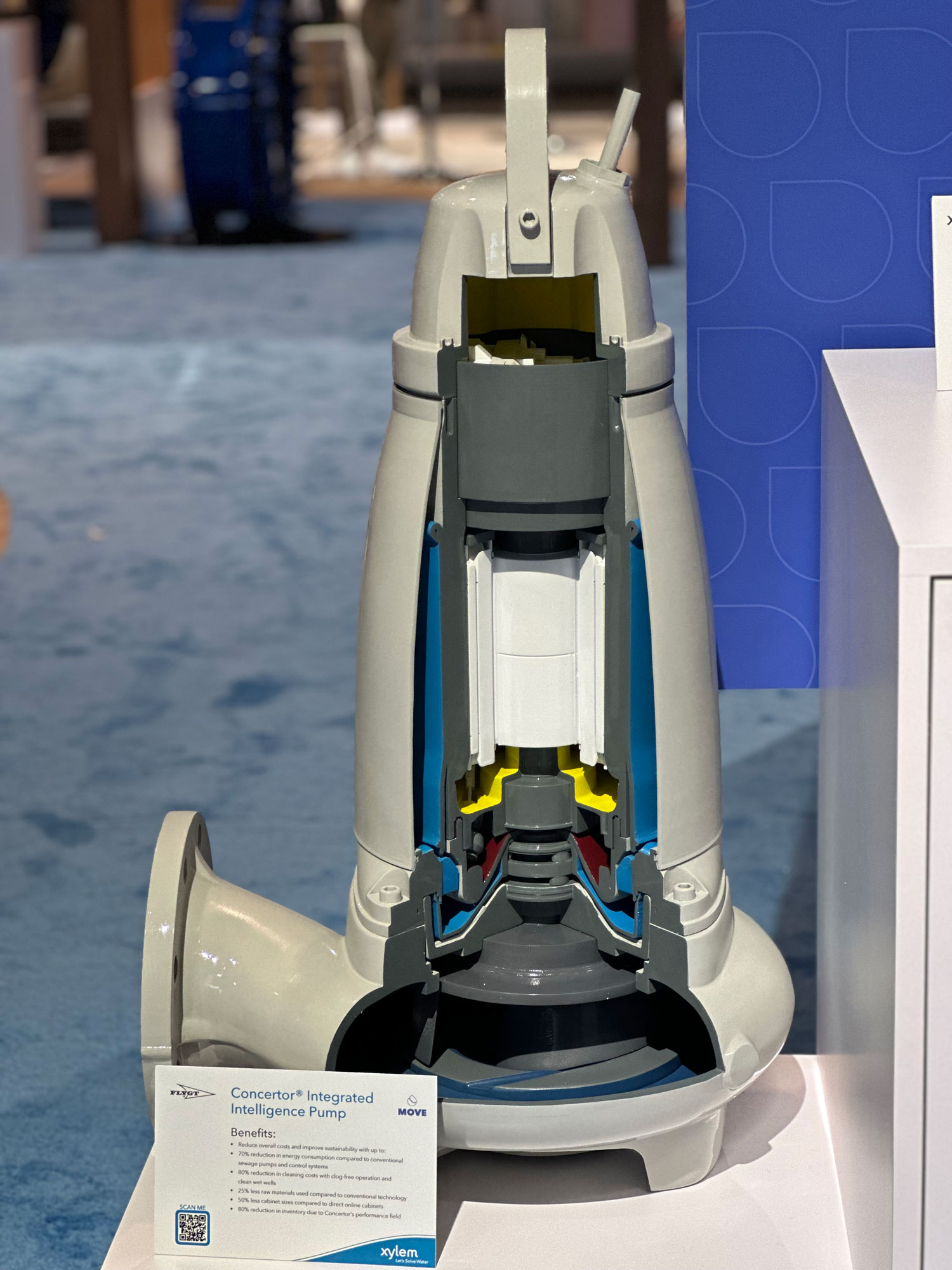
Miniatures can reveal internal layouts, equipment relationships, hidden details, or process flow through cutaways, removable parts, transparent elements, and lighting.
Fabrication Flexibility
WhiteClouds can combine 3D printing, CNC fabrication, model making, painting, acrylic, wood, metal, graphics, and custom cases to create the right scale model.
What clients say after the work is done
A few examples of the feedback WhiteClouds receives when the finished work is installed and in use.
“Hi team! Just wanted to thank this group for going the extra mile to help Netflix with their statue. Absolutely world class service. I know your team is super proud of the work they do, and your group's effort certainly shows it. Thank you for continuing to see this project through! Netflix is super excited to give Derpy and Sussie their new home after the big victory over the weekend. Cheers!”
“... and an extra thank you to our friends at WhiteClouds for bringing Luna to life! They did incredible work and made our mascot one of the biggest attractions during the event!”
“WhiteClouds has been an incredible partner for our candy expos, consistently bringing our products to life through stunning, life-size sculptures. Their craftsmanship is top-notch, and their team provides exceptional customer service throughout every project. They are reliable, always delivering on time and ensuring shipping meets our needs without issue. I highly recommend them to anyone looking for high-quality, custom display creations.”
Miniature models can be customized by scale, subject, detail level, display format, finish, and presentation needs.
The right model format depends on what needs to be shown, how much detail matters, where the model will be displayed, how close people will view it, and whether it needs to travel, sit under a cover, or support a sales, museum, training, or planning presentation.
Equipment and machinery scale models
Create smaller physical versions of industrial equipment, machines, technical products, and mechanical systems that are too large or complex to present at full size.
Vehicle and product miniatures
Build scaled-down replicas of vehicles, products, tools, devices, packaging, and branded objects for displays, sales presentations, exhibits, and demonstrations.
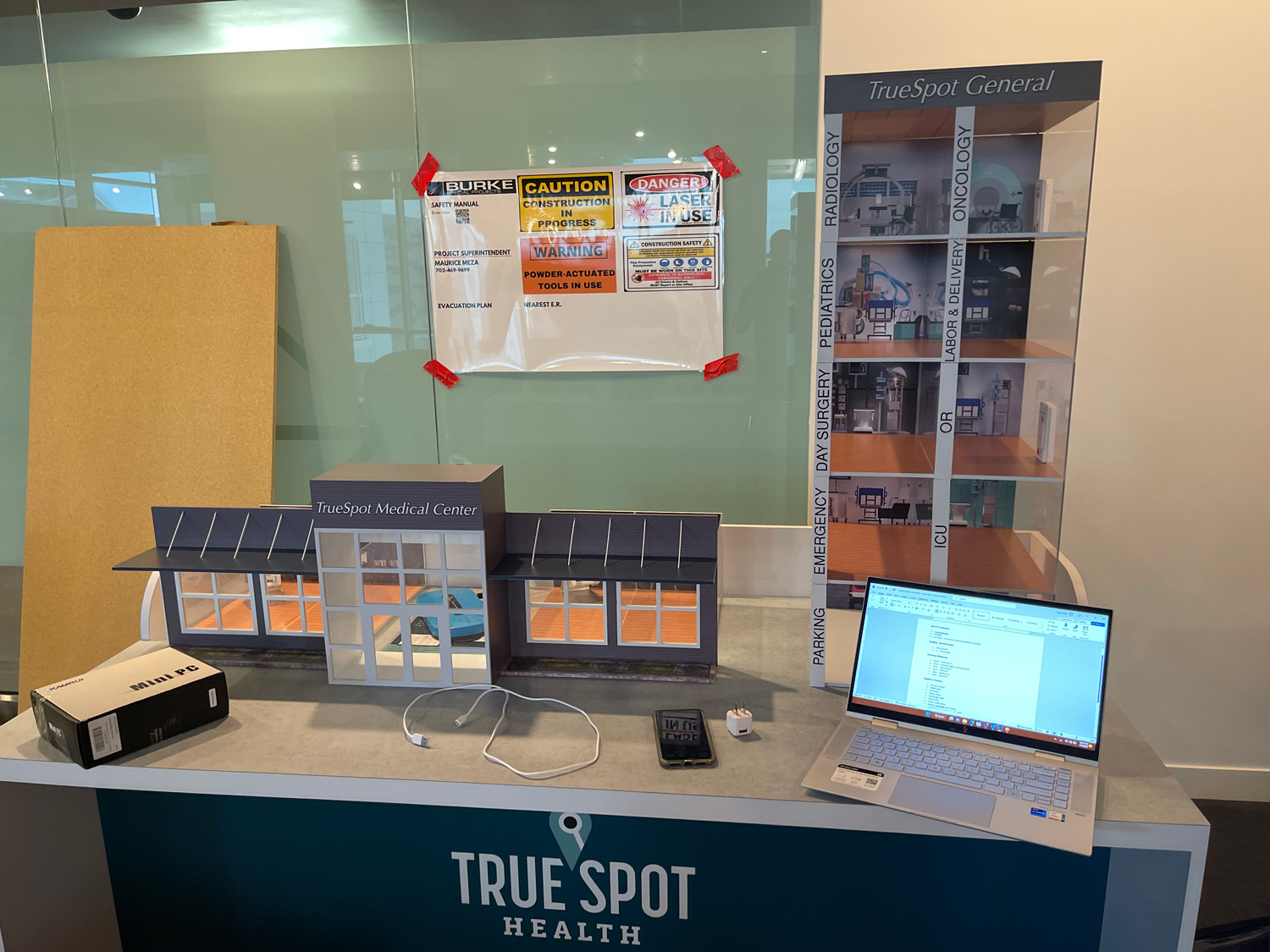
Facility, site, and campus models
Show buildings, production areas, campuses, development sites, industrial layouts, or destination spaces in a compact physical format.
Museum and historical display models
Recreate historical scenes, artifacts, structures, vehicles, equipment, landscapes, or interpretive displays at a scale that supports storytelling and education.
Prototype and concept models
Turn early product ideas, design concepts, inventions, and technical systems into physical models that can be reviewed, explained, photographed, or presented.
Trade show sales demo models
Use miniature models to help customers understand large equipment, products, systems, layouts, or processes when the real thing cannot fit in a booth.
Cutaway and internal-detail models
Expose interiors, layers, compartments, flow paths, mechanical details, or hidden systems so viewers can understand how something works inside.
Tabletop models
Create compact models for meetings, offices, showrooms, trade shows, museums, visitor centers, classrooms, and other spaces where a smaller footprint matters.
Case-mounted models
Protect detailed miniature models with acrylic covers, display cases, clear enclosures, or presentation boxes for long-term public or customer-facing display.
Base-mounted and labeled displays
Add custom bases, labels, callouts, legends, nameplates, color coding, and branded graphics to make the model easier to understand and present.
Interactive and lighted models
Include LEDs, illuminated paths, highlighted features, buttons, screens, or other presentation elements when the model needs to guide attention or explain a process.
Acrylic covers and protective cases
Use protective covers or display cases to help prevent dust, damage, handling wear, and accidental contact in public, retail, museum, or office settings.
Modular, removable, or take-apart details
Design sections, panels, roofs, components, or model layers to be removed when viewers need to see interior details or alternate configurations.
A miniature model can make something easier to explain because it is smaller, not simpler.
Fits the setting
A scale model can bring a large product, facility, vehicle, site, or artifact into a booth, meeting room, museum case, lobby, or presentation space.
Makes details visible
Miniature models can emphasize important features, labels, cutaways, colors, or internal details so viewers understand what matters.
Travels more easily
A smaller model can be crated, transported, reused, and displayed in places where the real subject would be impossible to bring.
Supports decisions
Scale models can help buyers, stakeholders, visitors, investors, students, and internal teams understand a concept before making decisions.
WhiteClouds can help plan the miniature model around scale, detail level, audience, references, accuracy, finish, base, case, labels, lighting, shipping, and long-term display needs.
Built with the right process for scale, detail, durability, and presentation use
WhiteClouds matches the fabrication method to the miniature model’s scale, detail level, subject, and display environment. A compact equipment model, a museum artifact replica, a facility model, a prototype display, and a trade show sales demo may each require a different combination of digital modeling, 3D printing, CNC fabrication, hand finishing, graphics, lighting, and casework.
- 3D printing for detailed small parts, complex shapes, repeatable components, and fine-scale model details
- CNC cutting and model fabrication for clean profiles, layered parts, bases, site models, and precision-built components
- Plastics, resins, foam, acrylic, wood, metal, and composites selected around model scale, detail, strength, and finish requirements
- Custom bases, pedestals, and display platforms for tabletop, case-mounted, or presentation-ready models
- Acrylic covers, clear windows, and protective cases for public, museum, office, retail, or long-term display environments
- Printed graphics, labels, callouts, legends, nameplates, and color coding to help viewers understand the model quickly
- Paint, scenic finishing, surface textures, weathering, color matching, and hand detailing for realistic or presentation-grade finishes
- LED lighting, illuminated paths, highlighted features, screens, or interactive elements when the model needs to guide attention
- Removable, modular, or take-apart components for models that need to show internal details, alternate views, or multiple configurations
- Custom crating and shipping support for models that need to travel to trade shows, museums, sales meetings, or long-term display locations
What affects the cost of a custom scale model?
Every scale model is priced around the scope of the build. Cost depends on size, selected scale, detail level, subject complexity, reference quality, materials, finish, base or case requirements, lighting, interactivity, shipping, and timeline.
Presentation scale planned around the setting
Miniature models can be sized for a booth, case, table, meeting room, museum display, or permanent exhibit.
Bases, cases, and labels
Display-ready details can include custom bases, acrylic covers, protective cases, labels, legends, lighting, and callouts.
Built to travel or stay on display
Scale models can be planned for trade show travel, sales presentations, museum display, long-term protection, and shipping needs.
From references and scale planning to a finished miniature model display
A miniature model project moves more smoothly when the subject, intended use, scale, detail level, display format, case or base needs, timeline, and must-show features are discussed early.
Project review
We start with the subject being modeled, intended use, approximate size or scale, audience, display location, deadline, shipping destination, and any CAD files, drawings, dimensions, photos, site plans, product samples, artifacts, or reference images available.
Scale and detail planning
The team reviews the best scale, model footprint, detail level, display format, case or base needs, labels, lighting, portability, interaction needs, and long-term display requirements.
Design proof and approval
A design proof, rendering, drawing, or production direction is prepared when needed so the size, scale, shape, layout, finish, color coding, labels, and display details can be reviewed before fabrication begins.
Fabrication and model making
The model is produced using the best-fit fabrication methods, which may include 3D printing, CNC fabrication, acrylic work, woodworking, painting, printed graphics, hand assembly, and detailed finishing.
Display details and final assembly
Labels, bases, acrylic covers, lighting, removable parts, cutaways, cases, graphics, protective finishes, and final display details are integrated and tested as needed.
Crating, delivery, and setup support
The finished model is packed for safe transit. WhiteClouds can provide handling, assembly, placement, and setup guidance for your team, venue, exhibit partner, installer, or local contractor.
Answers to common questions about custom scale models
What types of scale models do you make?
WhiteClouds builds custom scale models of equipment, machinery, vehicles, products, facilities, campuses, sites, artifacts, prototypes, concepts, trade show displays, museum exhibits, and historical subjects.
Are these hobby miniatures or business display models?
WhiteClouds primarily builds custom scale models for businesses, museums, manufacturers, agencies, developers, institutions, trade shows, sales presentations, planning reviews, and permanent displays.
What do you need to start a quote?
Helpful starting details include the subject being modeled, approximate size or scale, intended use, display location, deadline, shipping destination, and any CAD files, photos, drawings, dimensions, site plans, product samples, sketches, or reference images.
Do you need CAD files?
CAD files are helpful but not always required. WhiteClouds can often work from photos, drawings, dimensions, product samples, site plans, historic references, sketches, or written descriptions.
Can scale models include cutaways or internal details?
Yes. Scale models can include cutaway views, removable sections, visible interiors, transparent elements, labels, color coding, lighting, and other details that help explain what is inside or how something works.
Can you make scale models for trade shows?
Yes. Scale models are often used for trade shows and sales demos because they make large equipment, products, systems, or facilities easier to present in a portable display format.
Can you make museum or historical scale models?
Yes. WhiteClouds can build scale models for museums, visitor centers, historical displays, educational exhibits, and interpretive installations using available references, images, drawings, or documentation.
Can scale models be protected with a case?
Yes. Scale models can include custom bases, acrylic covers, display cases, labels, legends, and protective features depending on the display environment and handling needs.
How large or small can a scale model be?
The best size depends on the subject, desired scale, detail level, viewing distance, display location, shipping needs, and how the model will be used. Some scale models are tabletop size, while others are larger display pieces that still represent a scaled-down subject.
How long does a scale model project take?
Timeline depends on size, scale, detail level, complexity, references, approvals, fabrication method, finishing, base or case requirements, shipping, and installation needs.
Get a custom quote for a scale model built around your subject, audience, and display needs.
Share the subject being modeled, approximate scale or size, intended use, display environment, deadline, shipping destination, and any CAD files, photos, drawings, dimensions, site plans, product samples, artifacts, or reference images. WhiteClouds can help refine the model scope, materials, detail level, casework, shipping plan, and next steps.