
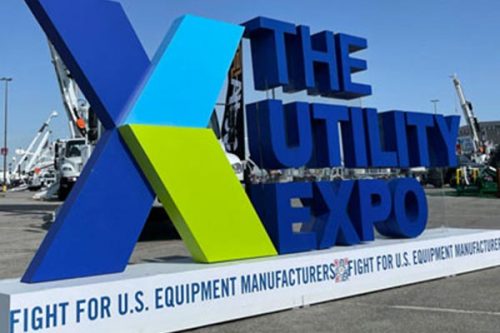
The Smart Signage Choice: Lightweight, Affordable, and Built to Impress
In the world of signage, décor, and branding, the material you choose matters as much as the design itself. Letters made from wood, metal, acrylic, or vinyl each bring their own set of strengths—but foam letters have become a standout favorite across events, businesses, and creative industries. They’re lightweight yet bold, affordable yet customizable, and versatile enough to fit both temporary celebrations and long-term branding. But what makes foam letters so appealing compared to their heavier, costlier counterparts? To answer that question, let’s explore the unique qualities of foam letters, their advantages over other materials, and the fascinating process that turns simple foam into polished, dimensional works of art.
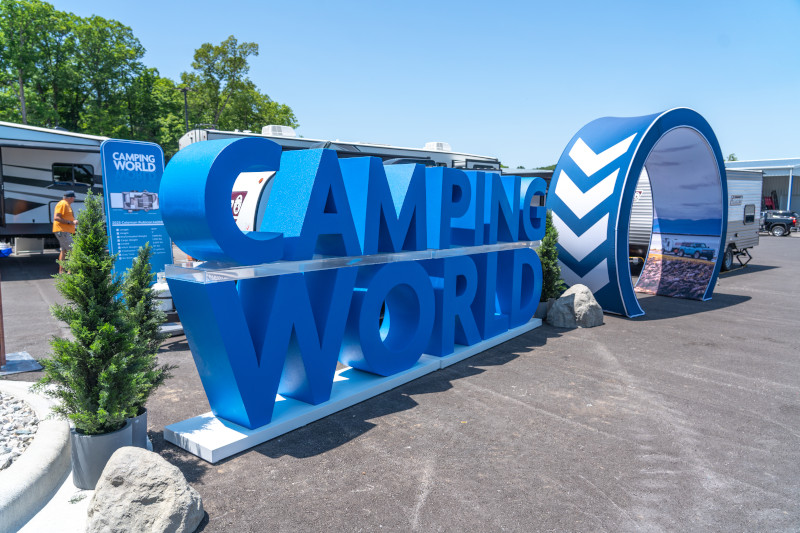
Foam Letters Defined
Foam letters are three-dimensional cutouts made from expanded polystyrene (EPS) or high-density urethane (HDU) foam. Unlike flat vinyl graphics or decals, foam letters have depth and dimension. They create shadows, interact with light, and command attention in ways two-dimensional signage cannot. Because they can be fabricated in virtually any font, size, or thickness, foam letters have earned a place everywhere—from wedding stages to trade shows, storefronts, and corporate offices. The ability to scale up or down while keeping costs and weight manageable makes them uniquely adaptable.
The Allure of Foam Letters
Foam letters check multiple boxes at once: they’re affordable, highly customizable, easy to transport, and visually impactful. Whether you’re a bride wanting bold initials for a reception, a retailer announcing a seasonal sale, or a business owner seeking sleek lobby signage, foam letters provide a solution that balances quality with practicality.
The versatility of foam extends beyond mere shapes. With coatings, paint, glitter, or vinyl wraps, foam letters can mimic the look of wood, stone, or even metal—at a fraction of the cost and weight. That’s why designers and event planners often consider them the “chameleon” of the signage world.
Comparing Foam Letters to Other Materials
When choosing between foam and alternatives like wood, metal, or acrylic, it helps to see how they stack up.
Foam vs. Wood
Wooden letters have a natural charm, but they’re heavy, difficult to transport, and more expensive to produce in large sizes. Foam letters, on the other hand, are easy to move, lightweight enough for DIY installation, and far less costly for oversized displays.
Foam vs. Metal
Metal signage exudes durability and sleek sophistication. But it comes with drawbacks: high production costs, long lead times, and logistical headaches during installation. Foam letters can achieve a similar metallic appearance with specialized coatings, all while staying within budget and avoiding heavy hardware requirements.
Foam vs. Acrylic
Acrylic offers a modern, polished finish, but scaling up to larger sizes makes it heavy, fragile, and expensive. Foam letters can reach several feet in height without these limitations, making them the preferred choice for oversized displays.
Foam vs. Vinyl
Vinyl is thin and affordable, often used for temporary wall or window lettering. However, vinyl lacks the dimension that foam provides. Foam letters add physical depth and presence, making them more engaging both in person and in photos.
Ultimately, foam strikes the perfect balance: lightweight, versatile, and adaptable enough to rival the appearance of other premium materials without the same costs or challenges.
Cost Efficiency Without Sacrificing Impact
Budget often dictates choices in signage and décor. Foam letters stand out because they deliver dramatic visual impact without breaking the bank. A business preparing for a trade show might spend a fortune on large wooden or metal signage—but with foam letters, they can achieve the same eye-catching presence for a fraction of the cost. This cost efficiency extends to shipping and installation as well. Lightweight foam cuts down on freight charges and doesn’t require heavy equipment for setup. That makes them an attractive option not just for one-time events, but also for brands that frequently update displays.
Weight and Portability
One of the strongest advantages foam has over other materials is weight. A five-foot-tall metal letter would be nearly impossible to move without equipment, but a foam equivalent can be carried by one or two people. This portability makes foam letters ideal for events where décor must be moved or reconfigured throughout the day.
For businesses, the lighter weight means easier installation and reduced labor costs. Even permanent signage benefits, since lightweight letters place less strain on walls or mounting surfaces.
Versatility in Style and Finish
Foam letters can transform to suit any theme, brand, or mood. Paint them in matte black for a sleek, modern vibe. Coat them in metallic gold for an upscale gala. Add glitter for a whimsical party or apply a vinyl wrap with branded graphics for a professional trade show booth. Other materials can offer style, but few can adapt as quickly or as affordably. Foam is like a blank canvas that can take on countless personalities.
Foam Letters in Action
The applications for foam letters are as diverse as their finishes. At weddings, couples display giant glowing initials as photo backdrops. Retail stores line windows with bold foam signage to announce seasonal sales. Trade show booths rely on oversized foam logos to stand out in crowded halls.
Schools use foam numbers for graduations, while businesses install sleek foam branding in lobbies. Even small uses—like spelling out a child’s name in foam letters for a bedroom wall—show the broad appeal of this material.
Everywhere they appear, foam letters serve one purpose: to grab attention and make an impression.
The Fabrication Process: From Foam Block to Finished Letter
Foam letters may look simple, but the process behind them combines engineering, craftsmanship, and creativity.
Step 1: Digital Design
The journey begins with design files. Fonts, logos, or custom artwork are translated into digital blueprints using vector or 3D software. These ensure accuracy in shape, scale, and proportions.
Step 2: Cutting the Foam
The foam is cut into shape using hot-wire cutters for smooth, clean lines or CNC routers for precision detail. Some projects even involve hand-carving to achieve artistic textures.
Step 3: Smoothing and Refining
Once cut, rough edges are sanded and refined. This step ensures the surface is ready for coatings or paint, creating a professional finish.
Step 4: Coating for Strength
Raw foam is fragile, so coatings are applied to add durability. For indoor use, paint may be sufficient. For outdoor or long-term projects, polyurethane or epoxy hard-coats create a protective shell.
Step 5: Painting and Finishing
This is where creativity shines. Foam letters are painted, wrapped, or decorated to achieve the desired look. Finishes can range from metallics and glitter to faux wood or stone textures.
Step 6: Installation
Finally, the letters are mounted or freestanding, depending on their use. Lightweight foam makes installation easy, whether on walls, stages, or platforms.
Durability and Lifespan
While foam may sound fragile, properly coated foam letters are surprisingly tough. Indoor letters can last indefinitely, while outdoor letters with protective coatings withstand weather and wear for years. Other materials may last longer overall, but for the balance of cost, impact, and reusability, foam delivers more than enough durability for most applications.
Sustainability Considerations
Foam’s environmental footprint is often a concern, especially with EPS. However, many manufacturers are addressing this by using recycled materials and eco-friendly coatings. Foam letters can also be reused across multiple events or campaigns, reducing waste compared to single-use signage. As technology evolves, more sustainable foam options are likely to emerge.
The Future of Foam Letters
The future promises even more innovation. With advancements in CNC technology and 3D printing, foam letters will only become more precise and customizable. Interactive features like LED lighting, motion sensors, or augmented reality integration may transform foam letters from static displays into dynamic experiences. As brands and events increasingly rely on bold, photogenic backdrops, foam letters are perfectly positioned to remain in high demand.
Conclusion
When it comes to signage and décor, foam letters rise above the competition for their unique blend of affordability, portability, and versatility. They mimic the appearance of more expensive materials without the heavy price tag or logistical challenges. They’re lightweight enough to move with ease but bold enough to dominate a stage or storefront.
From their fabrication process to their real-world impact, foam letters prove that sometimes the smartest choice isn’t the heaviest, the priciest, or even the most traditional. It’s the one that delivers maximum impact with minimum hassle. So why choose foam letters over other materials? Because they offer the perfect balance of cost, style, and practicality—turning ordinary spaces into extraordinary experiences, one letter at a time.
Check out WhiteClouds’ Large Letters for more information.
Contact us today to learn more about our 3D services and how we can help you achieve your goals.