
Wheel Motor Scale Models
Custom physical models for explaining wheel-mounted motor systems
A wheel motor scale model can show how the motor, wheel, housing, and neighboring drivetrain components fit together. The model should be planned around the parts and relationships the audience needs to inspect.
Technical Overview
What a Wheel Motor Model Shows
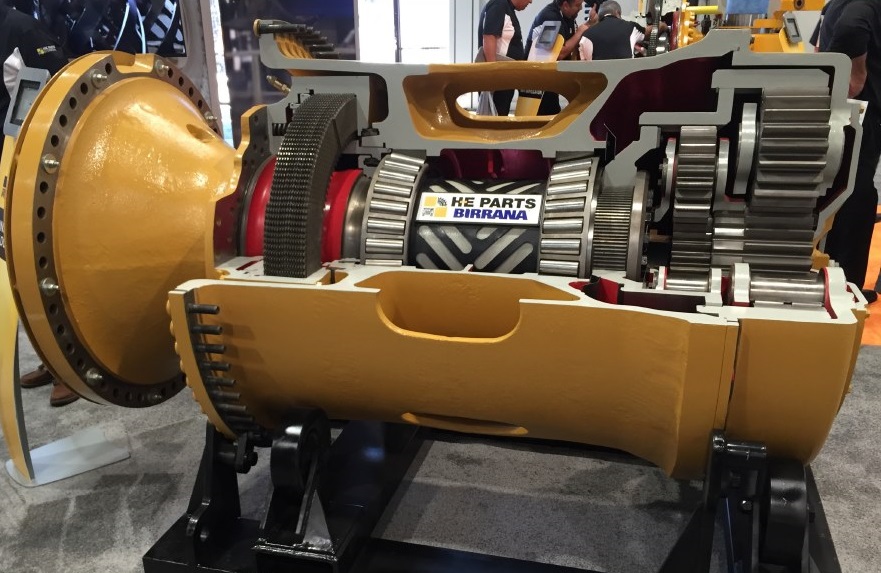
A wheel motor combines rotational power with a wheel or wheel hub. A scale model can separate the system into visible parts and show how the motor, wheel, housing, and adjacent drivetrain components relate within a compact assembly.
The model's purpose determines what belongs in the display. One project may need the exterior arrangement, while another may need a cutaway that exposes the motor geometry and connections inside the wheel assembly.

Wheel Motor Arrangements
Hub-Motor Displays
A hub-motor display focuses on the motor at the wheel hub and its relationship to the wheel. The physical model can expose the central assembly or show it in context with the surrounding wheel and mounting geometry.
In-Wheel Motor Displays
An in-wheel motor display emphasizes how the motor is housed within the wheel assembly. The brief should identify which motor sections, supports, connections, and wheel features must remain visible at the selected scale.

Choose What the Audience Needs to See
Start with the intended explanation. Different audiences may need different components emphasized even when the display represents the same system. The exterior form, internal motor, wheel structure, and component relationships should be prioritized before detail is added.
Any moving, removable, or operating element must be defined separately. A visual model should not be assumed to reproduce the performance of the full-size wheel motor.

Scale and Source Geometry
CAD files, drawings, and schematics provide the basis for component shape and placement. The geometry may need to be simplified so important relationships remain visible and delicate details are appropriate for the model's physical size.
Viewing distance also affects scale. A model examined at a table can communicate through smaller details, while a display viewed from farther away may need larger components and clearer separation among systems.
Fabrication and Assembly
Wheel motor models may be developed through CAD preparation, machining, 3D printing, assembly, and finishing. The process should follow the geometry, display size, visible components, and any requirement for parts to move or separate.
Material and finish choices depend on the display requirements. Their job is to support the model's shape, durability, and visual organization, not to duplicate the operating materials of every full-size component.
Planning a Wheel Motor Model
Define the intended audience, viewing distance, overall dimensions or scale, visible components, available technical files, display environment, movement requirements, and deadline before fabrication begins.
Explore industrial model resources
Review WhiteClouds industrial model capabilities and browse completed model examples.
Tell us what your model needs to communicate
Share the intended audience, approximate size, level of detail, available source files, and project timeline.