

Big Impact in Small Packages: Foam Letters That Elevate Any Tabletop Display
Not all foam letters are towering giants that dominate trade shows or wedding dance floors. Sometimes, the smallest details make the biggest difference. Small foam letters, crafted for tabletop displays, have quietly become one of the most versatile tools for event planners, businesses, and even DIY enthusiasts. They’re lightweight, customizable, and surprisingly impactful despite their size. Whether spelling out a brand name at a product launch, forming a playful phrase at a baby shower, or highlighting menu items at a café, small foam letters bring dimension and personality to spaces that demand intimacy rather than grandeur. These tiny titans of décor prove that you don’t need towering signage to capture attention—you just need creativity and thoughtful design. In this article, we’ll explore why small foam letters are perfect for tabletop displays, how they’re used in different settings, the many styles and finishes available, and even how they’re fabricated from start to finish.
Why Choose Small Foam Letters?
Small foam letters have unique advantages compared to their oversized cousins. They fit neatly on tabletops, counters, and shelves, making them ideal for intimate or space-constrained environments. Their size allows them to complement other décor rather than overwhelm it. Cost is another major factor. Small letters are affordable to produce, which makes them accessible for smaller businesses, individuals, and event planners working with tight budgets. Despite the lower cost, they can still be finished with high-quality paints, wraps, or coatings, giving them a polished, professional look. Perhaps most importantly, small foam letters offer versatility. They can spell out names, highlight messages, or serve as branding accents, all while being lightweight enough to move, reposition, or store with ease.
Foam Letters in Tabletop Displays
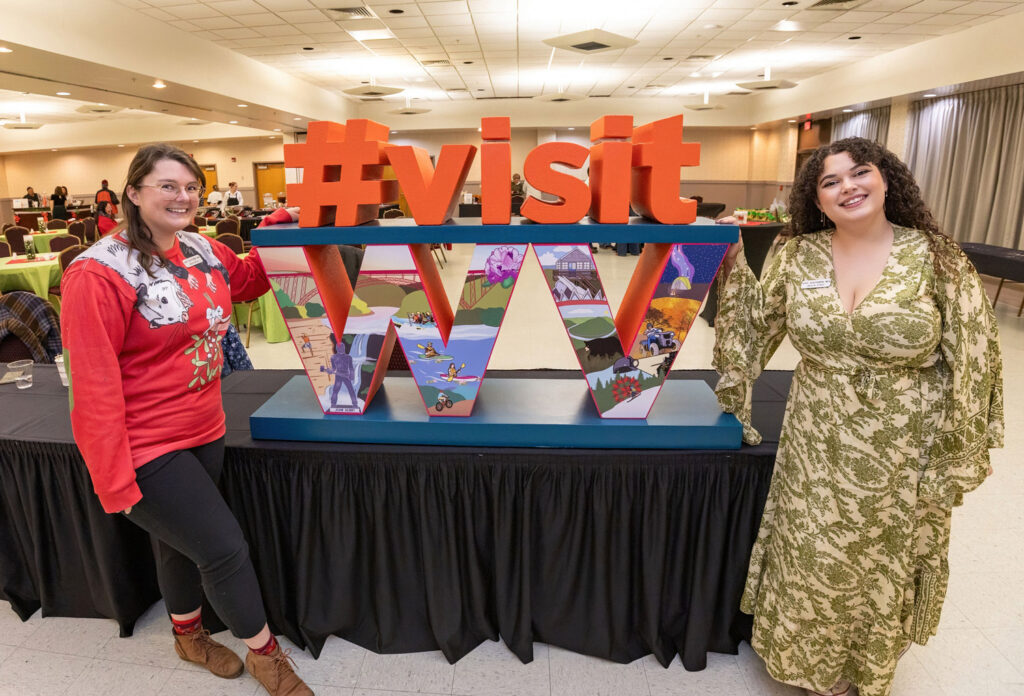
Tabletop displays are about creating focal points at eye level. Small foam letters excel here, drawing attention without taking up too much space. They add dimension to otherwise flat displays and bring personality to environments where details matter.
At trade shows, small foam letters are often used at product demonstration tables, highlighting brand names, slogans, or hashtags. At weddings, they may spell out “LOVE,” the couple’s initials, or a sweet phrase at the dessert table. In retail stores, foam letters can showcase seasonal messages, sales, or even menu highlights. Because they’re so portable, small foam letters can be used in multiple areas of a single event. They might appear on a registration desk, a food table, and even a photo station—all without straining budgets or logistics.
Perfect for Events and Businesses
Small foam letters thrive in both personal and professional settings.
At personal celebrations—weddings, birthdays, showers—they bring charm and character. Imagine a baby shower where pastel foam letters spell “BABY” on the gift table, or a wedding reception where small letters featuring the couple’s initials adorn the cake table.
For businesses, the uses multiply. Restaurants and cafés use them for menu highlights or quirky phrases on counters. Boutiques spell out seasonal promotions or product names. At trade shows, small foam letters provide branding accents at demo stations without overshadowing products.
They work equally well in permanent spaces. Offices use them for motivational words on shelves, while classrooms incorporate foam letters as playful educational tools.
Styles, Finishes, and Design Options
The adaptability of foam letters shines through their variety of styles and finishes.
Font choices are limitless. Bold, blocky fonts create readability from across the room, while script fonts add elegance to weddings or formal events. Sizes typically range from a few inches tall to about a foot, making them perfect for tabletops.
Finishes elevate foam letters from simple cutouts to polished décor. Painted finishes in matte or gloss create classic looks, while metallic coatings mimic gold, silver, or bronze. Glitter finishes add sparkle for celebrations, and vinyl wraps allow for branded graphics, logos, or even textures like woodgrain or marble.
Lighting can also enhance small foam letters. Strategic spotlights or backlighting make them glow, drawing attention even in busy displays.
Practical Benefits
Small foam letters aren’t just about style—they’re practical, too. Their lightweight nature makes them easy to transport and arrange, whether for a single event or repeated use. They’re also more affordable than wood, metal, or acrylic letters, making them a budget-friendly option without sacrificing impact. Their size means they don’t require complex installation. Most simply rest on tabletops or stands. Some come with bases or mounting supports to ensure stability. And because they’re reusable, they provide excellent value across multiple events or seasons.
Fabrication: How Small Foam Letters Are Made
The process of making small foam letters mirrors that of their oversized counterparts, though scaled down for precision.
Step 1: Design
The journey begins with digital design files. Fonts, logos, or custom artwork are converted into scalable vector files that determine size, shape, and thickness. For tabletop displays, proportions are carefully planned to ensure stability and legibility.
Step 2: Material Selection
Expanded polystyrene (EPS) is the most common material due to its affordability and versatility. For letters that need extra strength or fine detail, high-density urethane (HDU) may be used.
Step 3: Cutting the Shapes
Hot-wire cutters or CNC routers carve the foam into letters. Hot-wire cutting works well for bold, simple fonts, while CNC routers excel at detailed or script-style fonts.
Step 4: Smoothing and Surface Prep
After cutting, the foam is sanded to smooth out rough edges. This step ensures the surface is ready for coatings, paint, or wraps.
Step 5: Coating for Durability
Even small foam letters benefit from coatings. A few layers of acrylic or latex paint may suffice for indoor, short-term use. For long-term or outdoor use, harder coatings like polyurethane or epoxy create stronger shells.
Step 6: Painting and Finishing
This stage brings creativity to life. Paint, glitter, vinyl wraps, or metallic coatings transform the foam into polished décor. Branding colors or wedding palettes can be matched exactly, ensuring cohesion with the rest of the display.
Step 7: Display Preparation
Finally, letters may be fitted with stands or bases to ensure they remain upright on tables. For small displays, stability is essential, and lightweight foam makes adjustments easy.
Durability and Reusability
Small foam letters may be lightweight, but with the right finishes, they can last for years. Indoors, painted foam letters can be reused across countless events. With protective coatings, they can even withstand outdoor use for temporary periods. Because they’re so easy to transport and store, many businesses and event planners keep sets of foam letters on hand for repeated use. They’re versatile enough to adapt to different themes and occasions, making them a long-term investment.
Inspiring Real-World Uses
Consider a bakery unveiling a new product line. On the display table, small foam letters spell out “SWEET” in pastel colors, tying the décor to the treats themselves. At a wedding, a dessert table is adorned with foam letters spelling “LOVE” in glittering gold, catching the light as guests gather for cake. At a trade show, a company places small branded foam letters on product demonstration counters, ensuring their name is always in frame when attendees take photos. In classrooms, small foam alphabet letters add playful learning tools to desks, turning education into a tactile experience. These examples highlight the adaptability and charm of small foam letters in a variety of contexts.
Foam Letters vs. Alternatives
Wooden, metal, and acrylic letters each have their strengths, but foam wins in versatility for tabletop displays. Wood is heavy and costly at scale, metal requires specialized fabrication, and acrylic can be fragile in smaller sizes. Foam letters deliver affordability, ease of customization, and portability—all essential for tabletop use.
Sustainability and Eco-Friendly Options
EPS foam raises concerns about biodegradability, but many manufacturers now use recycled foam or eco-friendly coatings. Small foam letters, being reusable, also reduce waste compared to single-use paper or vinyl decorations. Event planners increasingly repurpose them for multiple occasions, further extending their lifespan.
The Future of Small Foam Letters
With advancements in CNC technology and 3D printing, small foam letters are becoming more detailed and customizable than ever. Expect to see more integration of LED lighting, interactive elements, and even smart features that connect with digital displays. As tabletop displays remain a staple of both personal celebrations and business branding, small foam letters are poised to grow in popularity. They combine affordability with impact in a way few materials can match.
Conclusion
Small foam letters for tabletop displays prove that size isn’t everything. Compact yet powerful, they bring character, branding, and dimension to spaces where detail matters most. Affordable, lightweight, and customizable, they offer unmatched versatility for weddings, businesses, trade shows, retail stores, and personal celebrations. From their careful fabrication to their wide-ranging applications, small foam letters are the perfect choice for anyone seeking décor or signage that’s both charming and practical. Whether spelling out love, highlighting a brand, or adding flair to a product table, they turn ordinary surfaces into extraordinary displays. So the next time you plan a tabletop display, don’t underestimate the impact of small foam letters. They may be little, but their ability to make a lasting impression is anything but.
Check out WhiteClouds’ Large Letters for more information.
Contact us today to learn more about our 3D services and how we can help you achieve your goals.