
Nile River Watershed Map
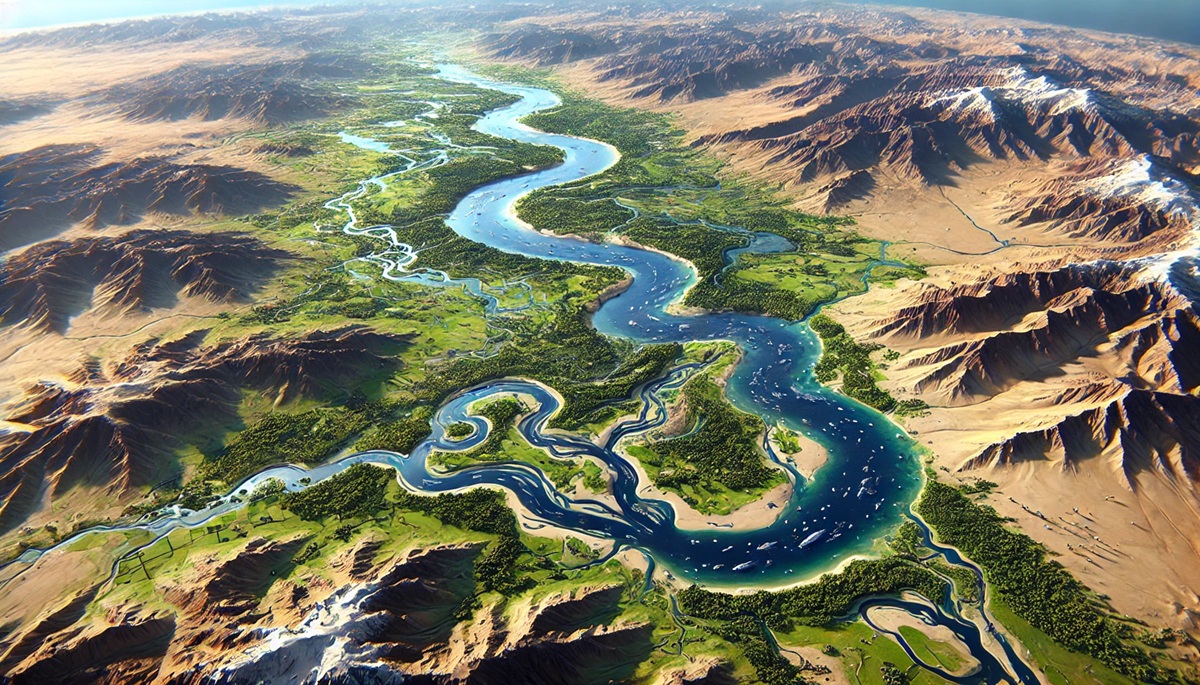
Geography and Uses of Nile River Watershed Maps
The Nile River is arguably one of the most significant waterways in human history. Stretching over 6,600 kilometers, it flows through eleven countries in northeastern Africa, including Egypt, Sudan, Uganda, Rwanda, and Ethiopia. Throughout millennia, the river has been central to the development of civilizations, providing sustenance, transportation, and a vital water source for millions. The Nile River Watershed, encompassing a vast and complex network of tributaries, wetlands, and diverse ecosystems, plays an indispensable role in shaping the region’s geography, culture, and economy.
The Nile’s role in the survival of human settlements along its banks cannot be overstated. Providing more than 90% of Egypt’s fresh water, the river supports agriculture, electricity generation, and transportation across its extensive reach. The Nile River Watershed Map offers an essential tool for understanding how this lifeline flows through northeastern Africa, linking different ecological zones, influencing the agricultural potential of the region, and facilitating human movement through some of the harshest landscapes on Earth.
In this blog, we will delve into the geography and hydrology of the Nile River Watershed, its immense ecological significance, the role of mapping technologies in visualizing this critical system, and how modern 3D maps are fabricated to help manage this essential resource.
Geography and Hydrology of the Nile River Watershed: A Flowing Force Shaping the African Continent
The Nile River is one of the longest rivers in the world, running from its two primary tributaries: the White Nile and the Blue Nile. The White Nile originates from Lake Victoria in East Africa, while the Blue Nile flows from Lake Tana in Ethiopia, converging at Khartoum in Sudan to form the main course of the Nile River. Together, they drain a watershed that spans over 3.4 million square kilometers, touching parts of eleven countries and numerous ecosystems.
The Nile River’s hydrology is fascinatingly complex. The river’s flow is primarily driven by the seasonal rains in the Ethiopian highlands, which feed the Blue Nile, and the more consistent rains around Lake Victoria, which feed the White Nile. This combination of water sources ensures that the Nile’s flow is relatively stable throughout the year. However, the seasonal fluctuations in the volume of water, especially in the Ethiopian highlands, can result in dramatic changes in the river's course and intensity, particularly during the summer monsoon season.
One of the most significant features of the Nile’s flow is its ability to support agriculture, even in the arid deserts surrounding it. The annual flooding of the Nile’s lower reaches, especially in Egypt, historically deposited rich alluvial soil that made it one of the most fertile regions in the world. Though modern damming has altered the natural flood cycle, the river continues to play a crucial role in irrigating the land, supporting both smallholder farms and large-scale agriculture.
The Nile River Watershed also includes critical tributaries like the Atbara River, the Sobat River, and the Bahr el Ghazal, all of which add to the river’s immense flow. The watershed’s geographic diversity encompasses several major ecological zones, from the tropical wetlands near Lake Victoria to the arid, desert landscapes in Egypt and Sudan. Each of these regions influences the river’s hydrology in distinct ways, creating a unique ecosystem that has evolved in harmony with the river’s dynamic flows.
Ecological Significance of the Nile River Watershed: Biodiversity Flourishing in a Delicate Balance
The Nile River Watershed is home to a remarkable variety of species, ranging from aquatic organisms to terrestrial animals that depend on the river’s floodplains. The biodiversity within the Nile River ecosystem is essential not only to the local environment but also to the livelihoods of millions of people who rely on these natural resources.
In the river itself, several species of fish, such as Nile tilapia, catfish, and the Nile perch, thrive in the nutrient-rich waters. These species form the basis of a vital fishing industry that supports communities along the river. Additionally, the river is home to iconic aquatic life such as the hippopotamus and the Nile crocodile, both of which are fundamental to the cultural and economic fabric of the region.
The river’s floodplains provide a fertile environment for plant life, supporting diverse ecosystems, from marshlands to wetlands. These areas are home to species like papyrus and several varieties of grasses, which create habitats for many bird species, including migratory birds passing through Africa. The wetlands of the Nile Delta, in particular, provide a critical stopover for birds traveling between Europe and sub-Saharan Africa.
Despite this abundant biodiversity, the Nile River Watershed faces significant ecological challenges. Human activities such as deforestation, agricultural expansion, and industrialization have put immense pressure on the river’s delicate ecosystems. Moreover, climate change has started to impact rainfall patterns, leading to uncertain water availability and possible disruptions in agricultural production and biodiversity. These challenges make conservation efforts along the Nile River essential to preserving the rich ecosystems that have developed over centuries.
The Role of the Nile River Watershed Map: Navigating the Complex Interactions of Water, Land, and People
The Nile River Watershed Map plays an indispensable role in understanding the complex relationships between water, land, and people in this vast region. It serves as a tool for policymakers, environmentalists, and researchers to monitor the river’s flow, track land use changes, and assess the impact of human activities on the watershed. Through this map, users can visualize critical features of the Nile River’s path, its tributaries, wetlands, and surrounding landscapes.
One of the most important uses of the Nile River Watershed Map is in water resource management. The Nile provides water for millions of people, and the map helps track water distribution, availability, and quality across the river’s course. This is crucial for managing irrigation, drinking water, and flood control in countries like Egypt, Sudan, and Ethiopia, where the river’s resources are heavily utilized.
Additionally, the Nile River Watershed Map is invaluable for assessing the ecological health of the region. By highlighting areas of deforestation, pollution, and biodiversity hotspots, the map helps guide conservation efforts. For example, it can identify the most vulnerable areas of the river’s ecosystem, enabling stakeholders to prioritize actions that protect the watershed’s fragile environments.
Flood management is another critical aspect of the Nile River Watershed Map. Given the river’s seasonal variations, understanding flood-prone areas is essential for minimizing damage to crops, infrastructure, and communities. By providing real-time data on water levels and flood predictions, the map helps governments and local agencies respond quickly and effectively to potential flooding events.
Planning a Physical Nile River Watershed Model
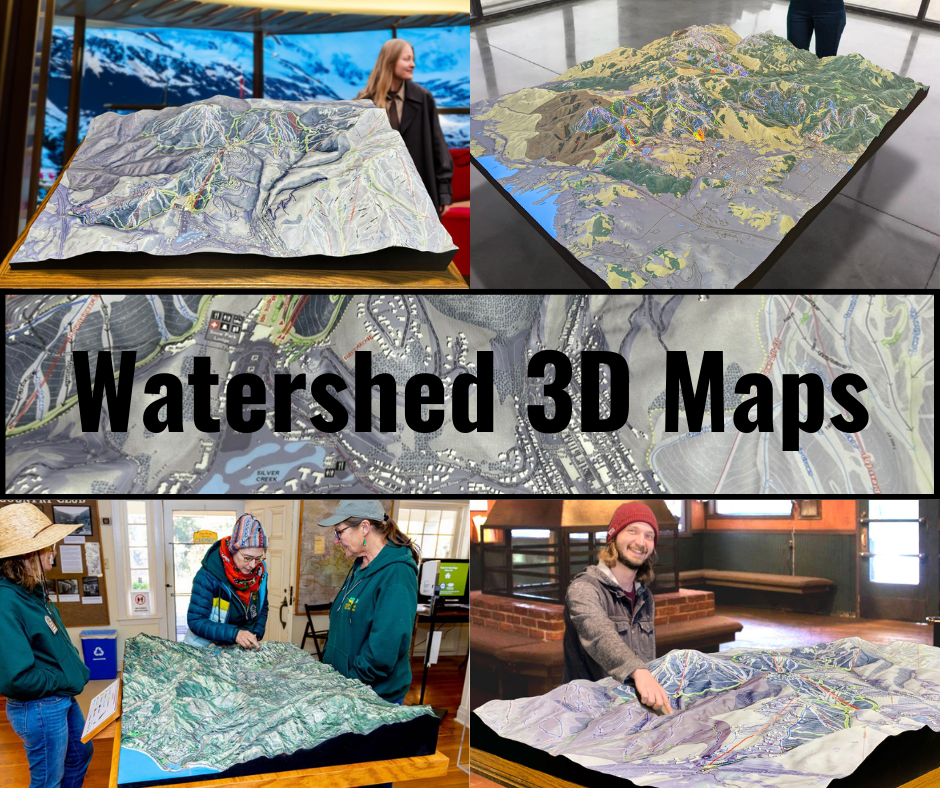
A physical watershed model can help viewers compare elevation, drainage, tributaries, floodplains, and the relationship between the river and surrounding terrain. The useful geographic extent and level of detail depend on the source data, model scale, labels, and the audience for the display.
Using a Model With Current Geographic Data
Source date, map projection, scale, and interpretive choices should be documented for any Nile River model. Materials, fabrication method, and finish should be selected for the actual project rather than inferred from a generic account of LiDAR, satellite, GIS, or interactive mapping technology.
Check out WhiteClouds' 3D Maps for more information on Nile River watershed maps.
Custom project planning: For a physical model of the Nile River Watershed, review WhiteClouds' custom topographical model capabilities and 3D topographical model gallery. Geographic extent, elevation data, water-system labels, scale, relief, and display purpose should be defined for the intended use.
Related topographical model resources
Explore WhiteClouds services and completed-project examples related to custom topographical models and watershed displays.
Custom 3D Map Quote
Share the size, placement, finish, timing, and reference files available for your project.