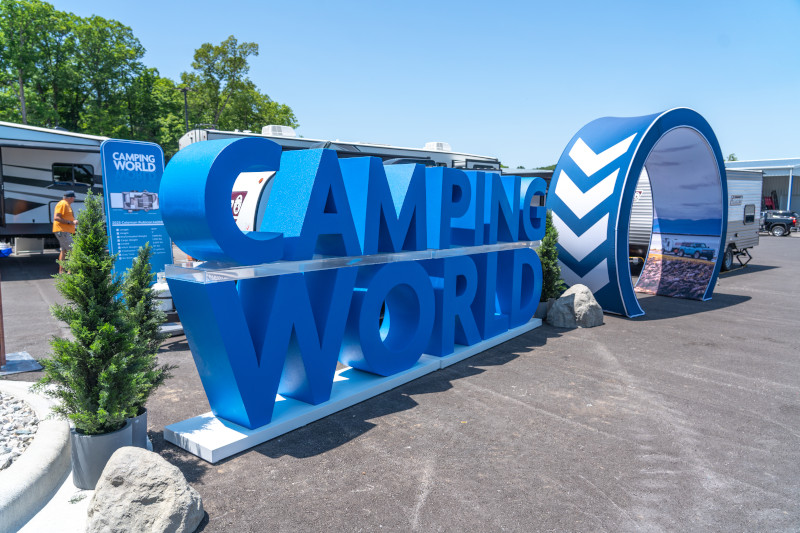
Glow-in-the-Dark Foam Letters
We Build Custom Giant 3D Large Letters
Glow-in-the-Dark Foam Letters: Lighting Up the World of Creative Design
Imagine walking into a dimly lit event space, a themed restaurant, or a late-night art installation—and your eyes are instantly drawn to words that glow. Not from neon tubes or LED panels, but from sculpted, glowing letters that seem alive with color and texture. Welcome to the luminous world of glow-in-the-dark foam letters, where art, science, and fabrication come together to create something that’s both magical and practical. These radiant creations have moved far beyond novelty. They now occupy an important niche across retail design, museum exhibits, weddings, trade shows, theater sets, and outdoor signage. Whether they spell out a brand name, a motivational phrase, or a simple “Welcome,” glow-in-the-dark foam letters turn ordinary typography into an unforgettable experience.

The Allure of Glow: Why People Love Illuminated Letters
Light captivates people—it always has. The human eye is instinctively drawn to illumination, which is why glowing signage has been a marketing staple for decades. Glow-in-the-dark foam letters take that fascination and push it further. Instead of depending on electricity, they use phosphorescent materials that absorb light and release it slowly over time. There’s something primal about that slow burn of glow. It feels organic, like moonlight stored and released by the object itself. Businesses use this quality to evoke mystery, creativity, and eco-friendly innovation. Event designers, meanwhile, love how the glow adds ambiance without the heat or energy cost of electric light. In weddings, they spell out love in literal glowing terms. In theme parks, they add a touch of enchantment after dark. And in public art installations, they invite viewers to linger just a little longer to watch the soft transformation from daylight to luminescent night.
Foam as the Perfect Canvas
Why foam? Because it’s a designer’s dream medium. Foam—especially EPS (expanded polystyrene) and XPS (extruded polystyrene)—is lightweight, easily shaped, and affordable. It can be CNC-cut with precision, carved by hand, or routed into complex fonts and logos. Unlike metal or acrylic, foam allows for large-scale letter creation without the burden of weight. A 4-foot letter made of EPS can be carried by one person, mounted easily, and still have the structural integrity to last through multiple events. When coated with the right materials, it can even withstand outdoor weather, humidity, and moderate impacts. The foam’s porous surface also plays beautifully with paint and coatings. This texture helps the glow paint adhere evenly, creating a smooth, consistent luminance once the lights go out.
The Science of the Glow
At the heart of every glow-in-the-dark foam letter lies phosphorescent pigment—a powder that stores and re-emits light energy. These pigments are made from compounds like strontium aluminate or zinc sulfide, both of which can absorb ambient light (from natural sunlight or artificial sources) and glow for hours afterward. Strontium aluminate is the more advanced of the two, producing a brighter and longer-lasting glow in shades of green, blue, or aqua. Zinc sulfide, an older option, glows for shorter durations but has a nostalgic, vintage hue.
When mixed into clear binders or paints, these pigments transform into glow coatings that can be applied to foam surfaces. During the day, the letters appear to have a soft pastel or matte finish. But once the lights go off, they radiate a vivid, almost ethereal glow that can last up to 12 hours.
Where Glow-in-the-Dark Foam Letters Shine
The possibilities are nearly endless. These luminous letters have found homes in:
Trade Shows and Exhibits: Exhibitors use them for brand names that literally shine after hours, drawing attention even when the venue dims for evening receptions.
Themed Entertainment: In haunted attractions, glow letters guide guests through spooky corridors. In theme parks, they add nighttime magic to signage without extra wiring.
Retail Displays: Pop-up shops and boutiques use glowing slogans or logos to make after-dark window displays unforgettable.
Weddings and Events: Words like “LOVE,” “FOREVER,” or initials of the couple create memorable photo backdrops that glow into the night.
 Educational Installations and Museums: Interactive exhibits use glowing typography to draw attention to key messages while reinforcing a futuristic or scientific theme.
Theatrical and Film Sets: Glow letters can simulate alien languages, otherworldly signs, or futuristic control panels without the need for electronic lighting setups.
In each of these applications, the letters serve not just as text—but as art, as atmosphere, as a storytelling tool.
Designing for Maximum Glow
Creating effective glow-in-the-dark lettering is both a design challenge and a science experiment. Designers consider factors like font weight, surface area, and color contrast to optimize how much light the letters can store and release. Bold fonts tend to glow more evenly than thin or ornate ones. Smooth surfaces reflect and absorb light better, while rougher textures can create intriguing variations in brightness. The color of the base paint also matters—lighter undercoats tend to amplify the glow, while darker bases mute it for a subtler effect. For brands and designers aiming for maximum visibility, combining UV-reactive pigments with phosphorescent layers can create a hybrid glow effect. Under blacklight, these letters explode with color. When the lights go off completely, they continue to shine in soft, lingering tones.
Safety and Sustainability in Modern Glow Materials
Gone are the days when “glow-in-the-dark” meant toxic or short-lived products. Today’s glow pigments are non-toxic, non-radioactive, and environmentally friendly. Strontium aluminate, for instance, is safe to handle and doesn’t degrade into harmful residues.
In addition, since the glow is passive (requiring no electricity), these letters have a minuscule carbon footprint compared to LED or neon signage. Some event planners even use them as part of eco-conscious installations where reducing energy consumption is a design priority. Another sustainability advantage lies in the foam itself. Manufacturers often use recycled EPS, and with modern coatings like polyurea or water-based polyurethane, these letters can be reused across multiple installations without losing structural integrity or brightness.

How Glow-in-the-Dark Foam Letters Are Fabricated
This is where the magic meets the machinery. Fabricating glow-in-the-dark foam letters combines artistry with technical precision. Let’s walk through the typical process step by step:
Design and Layout
Everything begins digitally. Designers use software like Adobe Illustrator or CAD programs to create exact vector outlines of each letter or logo. These files are scaled to the desired size and optimized for the cutting equipment—usually a CNC hot wire cutter or router.
Foam Selection and Cutting
For indoor projects, EPS foam (expanded polystyrene) with a medium density is common. For outdoor or long-term installations, higher-density foam or XPS (extruded polystyrene) provides more durability and smoother cuts. The foam blocks are loaded onto the cutting table, and the machine follows the vector file to carve out each letter precisely. The result is a clean, lightweight form ready for finishing.
Surface Preparation
The raw foam is sanded gently to remove cut marks and create a uniform surface. For pieces that require extra strength, a coating process comes next. A layer of hard coat—often polyurea or epoxy—is sprayed on to seal and protect the foam from impacts, moisture, and UV damage. This coating also provides a smooth base for paint and glow application.
Priming and Painting
Once hardened, the letters are primed with a white or neutral base coat. This step is critical because phosphorescent paints need a light background to charge effectively. The primer ensures maximum brightness when the glow layer is applied.
Glow Application
The fun part. Glow-in-the-dark paint or resin, typically mixed with strontium aluminate pigment, is sprayed or brushed on in multiple thin layers. Each layer is allowed to dry completely before the next is added to ensure even luminosity. The number of coats determines the brightness and duration of the glow. Professional fabricators often apply two to three coats, sealing it with a transparent topcoat that protects the pigment from abrasion or UV fading.
Mounting and Installation
Depending on the project, foam letters can be freestanding, wall-mounted, or suspended. Internal metal rods, hidden brackets, or lightweight aluminum backers are used to secure them safely. For outdoor installations, weatherproof adhesives or removable bases are common.
Testing the Glow
Before final delivery, the letters are “charged” under bright light and then tested in dark conditions. Adjustments are made for uniformity and brightness. The final result: a flawless set of glowing letters that look stunning both day and night.
The Art of Atmosphere: Using Glow Creatively
Glow-in-the-dark foam letters can be subtle or dramatic depending on how they’re staged. In minimalist interiors, they add an element of quiet intrigue—soft green or blue glows creating a futuristic mood. In party environments, they become interactive props, encouraging selfies and social media buzz. Designers often play with color layering, combining phosphorescent greens with UV-reactive pinks or blues to produce dynamic shifts in hue under different lighting. Some installations even choreograph glow sequences, using pre-charged letters revealed one by one to tell a story. For restaurants, art galleries, and theaters, these letters can be part of immersive storytelling—glowing phrases that echo the theme of the show or exhibition. Imagine a “Galaxy Night” event where foam letters spell out constellations, or a museum exhibit where quotes from famous scientists glow gently beside their displays.
Challenges and Considerations
As captivating as they are, glow-in-the-dark foam letters do have challenges. For one, they depend on charging time—they need sufficient exposure to bright light to shine at full strength later. That’s why event planners often test the lighting conditions in advance.
The glow duration also varies with pigment type and coat thickness. Some installations might need a quick recharge from UV floodlights to stay vivid throughout the night. Another consideration is color control. While glow pigments come in several shades, their daylight appearance can sometimes appear pale or chalky. Designers must balance daytime aesthetics with nighttime performance, ensuring the letters look beautiful in both conditions.
Finally, fabrication requires skill—improper coating or curing can cause uneven glow, bubbling, or cracking. That’s why professional scenic fabricators like WhiteClouds specialize in these custom finishes, combining engineering precision with artistic flair.
The Future of Glow Typography
Glow-in-the-dark technology is evolving fast. New pigments can now store light for up to 24 hours, while solar-reactive coatings charge themselves automatically throughout the day. Manufacturers are experimenting with bioluminescent-inspired materials and hybrid coatings that combine phosphorescence with electroluminescent wires for programmable effects. 3D printing may soon merge with foam fabrication, allowing multi-material glow composites that can be shaped into incredibly detailed fonts and textures. Imagine letters that softly pulse, fade, or shift color based on ambient light—a seamless fusion of science and design. As sustainability continues to shape the design world, glow-in-the-dark foam letters fit perfectly into that vision: reusable, power-free, visually stunning, and endlessly customizable.
Bringing the Glow to Life
Whether illuminating a brand, a wedding dance floor, or a museum exhibit, glow-in-the-dark foam letters create moments people remember. They represent the perfect blend of innovation and imagination—the science of light meeting the artistry of form. They remind us that light doesn’t have to come from wires and bulbs; sometimes, it lives within the material itself, waiting to shine. When you see glowing words against the dark, they feel alive, like they’re breathing in rhythm with the night. That’s the magic of glow-in-the-dark foam letters—letters that do more than communicate. They radiate meaning.
Check out WhiteClouds’ Large Letters for more information.