
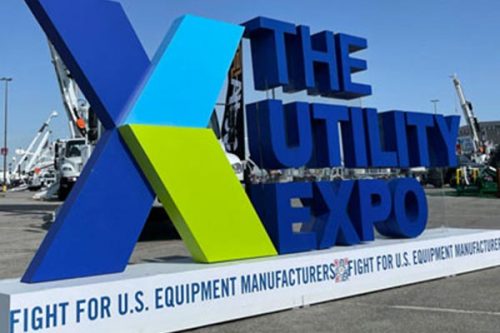
Transforming Words into Show-Stopping Set Pieces with Foam Letters
When the curtain rises, audiences expect magic. From dazzling costumes to breathtaking sets, every detail matters in creating an atmosphere that transports spectators to another world. While lights, props, and music carry much of the weight, foam letters have quietly become one of the most versatile and striking elements in stagecraft. These lightweight, customizable forms transform stages, marquees, and backdrops into visual spectacles that reinforce a story, theme, or production identity. Unlike flat banners or printed graphics, foam letters carry dimension, shadow, and presence. Whether looming large above a Broadway-style musical number, spelling out a title on an outdoor festival stage, or adding texture to a minimalist black-box performance, foam letters take the written word and give it a physical, theatrical body.
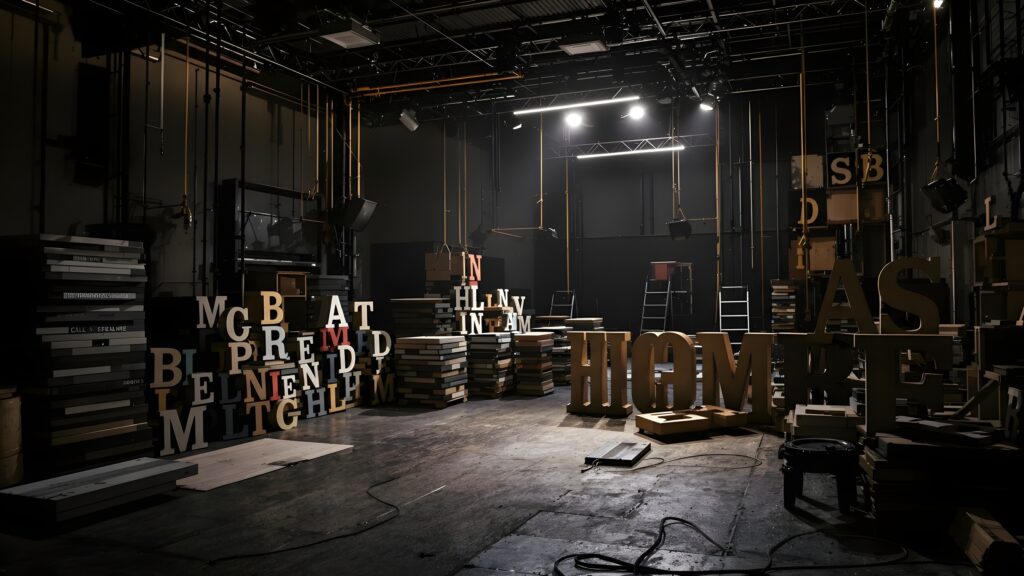
Why Foam Letters Belong in Theaters
Theater is about immersion. Every visual cue—from lighting to signage—works together to shape audience perception. Foam letters are particularly powerful tools in this environment because they combine visual punch with practical usability. They are bold enough to be read from a distance yet adaptable enough to fit any style, from elegant Shakespearean productions to edgy avant-garde performances. Their lightweight construction makes them easy to transport, mount, and rearrange, a must-have for touring companies or productions with frequent set changes. Most importantly, they can be fabricated in virtually any size, color, or font, meaning they can match the mood of the production without compromise.
Theatrical Versatility: Onstage, Backstage, and Beyond
Foam letters aren’t confined to a single role. In theaters, they can play multiple parts:
Onstage, they might serve as central set pieces. Imagine a dance performance where oversized foam letters spell “LOVE” and dancers weave in and around the word itself. In a musical, giant block letters could frame a chorus line, creating a photogenic set piece that doubles as branding. For more experimental theater, foam letters can be fragmented, tilted, or rearranged mid-performance to symbolize transformation or chaos.
Backstage and in lobby spaces, foam letters extend the atmosphere. Marquee-style foam lettering in the entryway can welcome audiences, while subtle foam signage in the concession area or box office can carry the same branding through every part of the theater experience. Touring productions often use foam letters for photo booths or press walls, giving audiences an interactive way to connect with the show before and after the curtain call.
The Dramatic Impact of Dimensional Signage
Flat backdrops have their place, but three-dimensional foam letters offer drama in ways that print simply cannot. Because they physically stand off the surface, foam letters interact with lighting design in dynamic ways. Spotlights can create deep, shifting shadows that add to the mood, while colored gels can cast dramatic hues across their surfaces. For productions that thrive on spectacle, foam letters provide scale. A set of ten-foot-tall foam letters spelling a title or theme instantly dominates the stage, creating a striking visual anchor. For more intimate shows, smaller foam letters can add subtle texture without overwhelming the performers. This adaptability makes them indispensable in stage design.
Fabrication: Crafting Letters for the Stage
Behind the theatrical magic lies an intricate fabrication process that transforms ordinary foam into extraordinary set pieces. The creation of foam letters for theaters usually follows these steps:
Step 1. Concept and Design
Designers start with the show’s branding, title, or thematic concept. Typography choices become essential here—dramatic serifs may suit a classical tragedy, while bold sans-serifs might complement a modern musical. Digital renderings are created to visualize how the letters will look in context with the set design.
Step 2. Material Selection
High-density foam is typically chosen for stage use. Its sturdiness ensures that large letters won’t crumble under handling, yet it remains light enough to move quickly during set changes. Thickness varies depending on whether the letters need to stand independently, be hung, or mount flush against backdrops.
Step 3. Cutting and Shaping
CNC routers or hot-wire machines carve the letters with precision. Theatrical demands often push creativity further, with custom shapes, exaggerated proportions, or even curved three-dimensional forms that go beyond flat letterfaces.
Step 4. Finishing
Once cut, foam letters are sanded and coated. The finish is where magic really happens. They may be painted in high-gloss colors, laminated with metallic sheens, textured to resemble stone or wood, or even treated with glow-in-the-dark or reflective paints for special effects. Fire-retardant coatings are often added to meet theater safety codes.
Step 5. Mounting Preparation
Hardware is integrated depending on how the letters will be used. Freestanding foam letters might be reinforced with bases, while hanging letters may have embedded hooks or lightweight internal frameworks. Touring productions often request modular mounting systems to allow quick setup and teardown.
Step 6. Integration with Lighting and Sets
Finally, the letters are tested with the lighting design and other set elements. This ensures they achieve the desired dramatic effect once under the spotlight.
The result is signage that doesn’t just communicate – it performs.
Costumes for Words: Styling Foam Letters for Drama
Just as costumes and makeup transform actors, finishes transform foam letters into characters themselves. A production of Phantom of the Opera might use foam letters with a gothic metallic finish to evoke grandeur and mystery. A children’s theater staging Alice in Wonderland might opt for colorful, whimsical foam letters with exaggerated curves that look like they tumbled straight out of a storybook. This chameleon-like ability to embody different identities makes foam letters invaluable to theatrical designers. They are “costumes for words,” adaptable to any production’s mood, tone, or visual theme.
Practical Advantages for Theater Companies
Theater productions often run on tight budgets and tighter schedules. Foam letters solve many logistical challenges. They’re lightweight, meaning crew members can move and install them quickly without specialized equipment. They’re durable enough for multiple uses, especially when coated properly, making them ideal for touring shows. They’re also cost-effective, providing a large-scale visual impact without the expense of heavy wood, stone, or metal structures. Even better, foam letters are reusable. A theater company can repaint or re-finish them for new shows, giving them second or third lives. That adaptability keeps production budgets manageable while still delivering fresh, eye-catching set pieces.
Foam Letters and Audience Engagement
Audiences don’t just watch shows—they increasingly participate in them, especially in the age of social media. Foam letters play into this trend by offering natural backdrops for selfies and promotional photography.
Imagine a community theater that installs large foam letters spelling the name of its play in the lobby. Patrons snap photos in front of it and share them online, spreading awareness far beyond the theater’s mailing list. For larger productions, foam lettering in outdoor spaces can double as promotional tools, attracting passerby attention before tickets are even purchased. This blend of stagecraft and marketing makes foam letters a strategic investment as much as an artistic one.
Trends in Theatrical Foam Lettering
Stage design evolves as quickly as the art itself, and foam letters follow those trends. Current creative directions include:
- Oversized statement pieces that dominate the stage and become set centerpieces.
- Interactive designs, where letters can be rearranged or manipulated by performers during the show.
- Projection mapping, where digital visuals are cast onto foam letters, creating moving words that shimmer, morph, or glow.
- Eco-friendly materials, responding to theaters’ growing commitment to sustainable practices.
These trends highlight foam lettering’s role as not just signage but as a dynamic stage element.
Beyond the Stage: Foam Letters in Theatrical Spaces
While their primary function is often in performances, foam letters also find a home in other parts of the theatrical ecosystem. In rehearsal studios, motivational words in foam lettering can inspire performers. In educational theaters, foam letters spelling the name of the program or school can make students feel connected to the craft. Festivals and touring troupes often use them outdoors for branding at ticket booths, concession stands, and entrances. Everywhere they appear, foam letters reinforce the idea that theater is not only about performance but also about community and identity.
Sustainability in Stagecraft
As theaters embrace greener practices, foam letter fabrication has also adapted. Some manufacturers use recyclable foams or materials produced with reduced environmental impact. Lightweight construction reduces shipping emissions for touring productions, while long-lasting finishes mean letters can be reused season after season.
For theaters committed to eco-conscious practices, foam lettering offers a way to balance creative ambition with responsible design.
Foam Letters as Characters Themselves
Perhaps the most intriguing aspect of foam letters in theater is their potential to become characters within the performance. A spoken-word performance might feature words spelled out behind the poet, visually echoing their rhythm. A children’s show might animate the alphabet through oversized foam letters that interact with actors. In experimental productions, letters can fall, shatter (using lightweight breakaway foam), or rearrange to symbolize narrative transformation. When given dimension and presence, letters stop being passive signs. They become active elements of the story itself.
Conclusion: The Drama of Every Letter
Theater thrives on spectacle, and foam letters bring spectacle in spades. They merge artistry with practicality, delivering bold visuals that captivate audiences while staying light, flexible, and budget-friendly for production crews. Whether serving as monumental backdrops, lobby branding, or interactive stage props, foam letters are more than signage—they are performers in their own right. They set moods, tell stories, and invite audiences to engage with words as living, dimensional objects. For theater makers seeking to elevate productions without overburdening budgets, foam letters are the perfect solution. In a world where every detail matters, they ensure the written word doesn’t just appear—it takes the stage and commands the spotlight.
Check out WhiteClouds’ Large Letters for more information.
Contact us today to learn more about our 3D services and how we can help you achieve your goals.