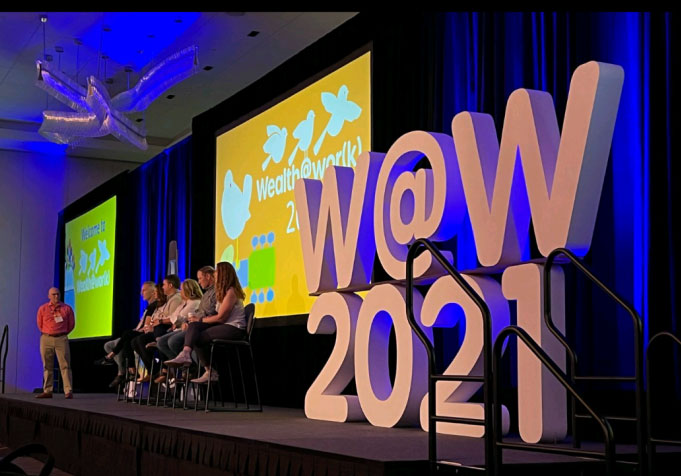
Foam Letters for Movie Sets
We Build Custom Giant 3D Large Letters
Foam Letters for Movie Sets: The Art of Bringing Words to Life on Screen
From Hollywood blockbusters to indie passion projects, one detail often overlooked by casual viewers is the role of set design in immersing audiences into a story. Within this intricate world, foam letters have become a secret weapon for directors, production designers, and prop masters. Whether spelling out the name of a fictional company, towering as oversized signage in a bustling city scene, or glowing softly in a child’s dream sequence, foam letters shape the visual language of movies. They are lightweight, versatile, and customizable—qualities that make them perfect for the fast-paced demands of film production. In this article, we’ll explore the creative uses of foam letters for movie sets, their unique benefits, the magic behind how they are fabricated, and why they’ve become indispensable in modern filmmaking.

The Unsung Heroes of Cinematic Storytelling
Movie magic isn’t just about special effects and great performances—it’s about crafting believable worlds. Set design provides the backdrop that convinces us we’re in another time, place, or reality. Foam letters play an essential part in this. They act as silent storytellers, spelling out names, brands, or slogans that anchor a scene in a specific context. Think of the neon-inspired foam letters that could adorn a retro diner, or massive blocky letters that tower over a superhero as he battles in front of a fictional corporation’s headquarters. Foam letters can also subtly support storytelling—like a weathered shop sign in a period film or playful lettering on a carnival booth in a coming-of-age movie.
Unlike traditional materials, foam allows for rapid iteration and creative experimentation. Directors can request a certain look, and within days, foam fabricators can produce pieces scaled to the needs of the set. This agility makes foam lettering indispensable in a world where shooting schedules are tight and flexibility is non-negotiable.
Why Foam Letters Dominate on Film Sets
The film industry thrives on big impact achieved through clever, efficient solutions, and foam letters are perfectly suited to this fast-paced environment. They are lightweight, making them easy to transport, mount, or rearrange without the risks that come with heavy materials like metal or stone, ensuring both speed and safety on set. Their versatility allows them to be cut, carved, sanded, and coated to mimic nearly any surface, from weathered wood to gleaming marble, giving designers creative freedom without the cost or impracticality of sourcing authentic materials. Foam letters are also budget-friendly, offering productions a way to achieve large-scale, visually striking signage at a fraction of the cost of traditional options. On top of that, they are endlessly customizable, capable of becoming anything from towering replicas of iconic landmarks to whimsical, hand-drawn fonts for fantasy worlds, making them an indispensable tool for filmmakers seeking flexibility and visual storytelling power.
Memorable Uses of Foam Letters in Cinema
Foam letters have quietly appeared in countless films, sometimes in obvious roles, other times as subtle supporting elements. While audiences may not recognize the material, they certainly remember the moments.
Consider the giant, weathered letters atop fictional companies or stadiums in superhero films. These are often created from foam, coated and painted to look like steel or stone. Or think of a whimsical fantasy setting where playful foam letters announce a shop, circus tent, or magical kingdom. The softness of the material means fabricators can sculpt curves, flourishes, and oversized proportions that would be difficult or dangerous with real-world materials.
Comedy films also take advantage of foam letters for exaggerated props. A chase scene through a mall might include characters crashing into a giant foam sign, with hilarious results that are safe for both actors and stunt doubles. Even horror films use foam letters, crafting eerie, dilapidated signage that adds to the unsettling mood without the logistical nightmare of transporting real, decayed wood or iron.
The Creative Process: From Concept to On-Screen Impact
The journey of foam letters from idea to finished set piece is a collaborative process involving designers, fabricators, and production crews. It begins with the script and set designer’s vision. If a scene calls for a shop, school, theater, or city landmark, the production designer maps out how signage contributes to that setting. Next, designers often create digital mockups to visualize fonts, colors, and placement. These renderings are shared with the director to ensure the letters fit the overall tone. Once approved, the design is passed to fabricators specializing in foam. Using advanced cutting technologies like CNC hot wire machines or robotic routers, foam blocks are carved into precise letterforms. After shaping, artisans sand and refine the letters, ensuring every edge, curve, and bevel matches the desired aesthetic. The final stage is finishing—where foam truly shines. Skilled artists coat the letters with hard shells, like polyurea or fiberglass, to add durability and texture. Then, painters step in to apply finishes ranging from glossy metallics to weathered wood grains. By the time these foam letters arrive on set, they’re indistinguishable from the real thing.
How Foam Letters Are Fabricated
To fully appreciate their role on movie sets, it’s worth diving deeper into the fabrication process. Foam letters aren’t just cut and painted—they’re carefully engineered props designed for performance. The process begins with material selection. Expanded polystyrene (EPS) foam is the most common, prized for its balance of strength, lightness, and affordability. For more detailed or durable pieces, extruded polystyrene (XPS) or high-density foams may be chosen.
Designs are digitally translated into cut paths for CNC routers or hot wire machines. These machines carve letters with incredible precision, ensuring exact replication of fonts or logos. Once cut, letters often undergo hand-carving for added detail, especially if the design calls for artistic flourishes, distressing, or texture.
Next comes reinforcement. Raw foam can dent easily, so letters are typically coated with protective layers. Polyurea spray coatings are popular because they provide a hard shell that resists impact and wear. For outdoor scenes or long productions, fiberglass reinforcement may be added for extra durability.
Finally, finishing transforms foam into believable on-screen props. Specialized paints, metallic foils, and texturing techniques simulate wood grain, aged patina, brushed steel, or even neon glow. Lighting experts may also integrate LEDs or backlighting to enhance the illusion. By the end, foam letters are durable enough to withstand filming yet light enough to be moved quickly between takes.
Flexibility on Set: Moving, Reusing, and Repurposing
One of the biggest advantages foam letters bring to movie sets is their adaptability. Unlike permanent signage, foam letters can be rearranged, reused, or even rebranded as needed. A single set of foam letters might play the role of a bakery sign in one scene, then be repainted to become part of a different storefront in another. This flexibility saves productions both time and money. Instead of commissioning new props for every scenario, set decorators can transform foam letters with a fresh coat of paint or new surface treatment. Their lightweight design also allows for quick repositioning, a vital asset when multiple takes require slightly different angles or backgrounds.
Foam Letters in Different Film Genres
Different genres call for different uses of foam letters, and the material adapts beautifully across storytelling styles. In fantasy films, foam letters can take on exaggerated forms, like ornate medieval scripts or whimsical candy-colored signage. In science fiction, foam letters can be crafted to resemble futuristic alloys, glowing with integrated lighting. Horror films often lean on distressed, cracked, or blood-smeared foam letters to heighten the eerie atmosphere. Even dramas and romances benefit from foam lettering. A love story set in a cozy café may feature charming foam-script signage, while a coming-of-age film could use foam letters to recreate a high school marquee or sports stadium entrance. Whatever the mood, foam offers the flexibility to match.
The Green Side: Sustainability in Foam Letter Production
As the film industry increasingly embraces sustainability, foam letters also evolve to meet eco-conscious standards. Some fabricators use recycled foam materials or integrate eco-friendly coatings. After filming, foam letters can be stored, repurposed, or donated to community theaters and schools, extending their life beyond the movie set. Additionally, because foam letters replace heavier, resource-intensive materials, they reduce transport costs and carbon footprints. Lighter props mean less fuel burned in shipping, making foam a surprisingly green solution for large-scale productions.
Challenges and Limitations
While foam letters offer countless advantages, they’re not without challenges. Raw foam can be fragile, requiring protective coatings to endure rough handling. Extremely fine details may also be harder to replicate compared to metal or wood. Additionally, while coatings add durability, they can increase fabrication time and cost. That said, the benefits overwhelmingly outweigh these hurdles, especially given the tight budgets and timelines of film production. With the right planning, foam letters remain one of the most practical and creative tools in a set designer’s arsenal.
Why Foam Letters Are Here to Stay
In the grand scheme of filmmaking, foam letters may seem like a small detail. Yet, they embody the very essence of movie magic—transforming simple materials into something larger-than-life. They give directors visual tools that are safe, affordable, and endlessly customizable. They enable set designers to create immersive worlds at scale. And they prove that even the lightest materials can carry heavy narrative weight.
From heroic skyscrapers to quaint shopfronts, foam letters will continue to be an essential part of cinematic storytelling. They’re more than props; they’re visual anchors that ground audiences in fictional worlds, shaping the way we remember the movies we love.
Conclusion
Foam letters may never appear in the credits, but their presence on movie sets is undeniable. They’re flexible, cost-effective, safe, and capable of becoming anything from dazzling neon signage to weathered ruins. Behind every foam letter is a blend of artistry, engineering, and imagination that helps filmmakers build the worlds we lose ourselves in. As audiences, we may not consciously notice them, but without foam letters, movie sets would lose an important layer of depth and believability. For designers and directors, these lightweight giants of cinema are invaluable, ensuring words not only tell stories but also shape the environments where stories unfold.
Check out WhiteClouds’ Large Letters for more information.