
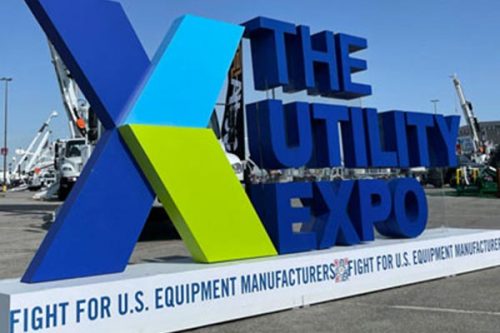
Turning Simple Foam Into Big Branding Power
In today’s fast-moving world of marketing, making a bold statement is not optional—it’s essential. Whether it’s a trade show floor filled with competing booths, a retail storefront on a busy street, or a corporate event vying for attention, your brand has just seconds to capture an audience. This is where foam block letters shine. Foam block letters are more than oversized décor; they’re branding powerhouses. Strong, dimensional, and fully customizable, they create instant recognition. They can spell out a company’s name, showcase a campaign slogan, or deliver a message that simply can’t be ignored. Lightweight yet impactful, they offer a cost-effective way to scale branding efforts without sacrificing creativity. In this article, we’ll explore why foam block letters are such an effective branding tool, how businesses use them across industries, the many ways they can be styled, and the fascinating process that transforms raw foam into bold brand statements.

Why Foam Block Letters Work
Branding isn’t just about being seen—it’s about being remembered. Foam block letters give businesses the ability to project their identity in three dimensions. Unlike flat banners or vinyl decals, block letters command space. Their size and depth allow them to stand out in crowded environments, catching light and shadow in ways that make them visually dynamic. These letters also tap into the psychology of scale. Oversized block letters convey strength, stability, and confidence. They help brands project authority without needing to say a word. At events or storefronts, they serve as instant landmarks—attendees will often describe a location as “the booth with the giant letters.” That kind of association creates lasting impressions.
Foam Letters in Modern Branding
Foam block letters appear in more places than many people realize. They’re common at trade shows, retail displays, product launches, grand openings, corporate events, and even film sets.
Retailers use them in storefront windows to announce sales or highlight seasonal campaigns. Event organizers rely on them as stage backdrops or photo opportunities. Businesses debut new logos or slogans in block letter form to reinforce marketing messages. Even small companies with modest budgets turn to foam letters because they provide scale and presence without requiring huge investment.
In each case, the foam letters serve as more than signage—they’re branding tools that become part of the event’s storytelling.
Styles and Design Flexibility
The beauty of foam block letters lies in their adaptability. They can be made in nearly any font, size, or thickness. Some businesses choose tall, bold sans-serif fonts to convey strength, while others opt for elegant serif fonts to reflect sophistication.
Finishes expand the creative possibilities even further. Foam letters can be painted in brand colors, wrapped in vinyl featuring logos or graphics, coated in metallic finishes to mimic steel or gold, or even covered in glitter for celebratory campaigns. Hard coatings can also add textures such as stone or woodgrain.
Lighting enhances the effect. Spotlights create dramatic shadows, while LED illumination adds a futuristic glow. For photo-driven events, lighting can make the difference between “nice décor” and “viral branding moment.”
Real-World Applications
The uses of foam block letters are as broad as the imagination allows.
At trade shows, they anchor booths, drawing visitors from across crowded halls. At retail stores, they fill window displays, making messages visible to passersby. At corporate events, they spell out company names or mottos, reinforcing brand identity.
Product launches also benefit. Imagine unveiling a new tech gadget on stage with its name spelled out in six-foot foam block letters behind the presenter. The message is clear: this product is larger than life.
Even personal events like weddings and graduations incorporate block letters for themes, initials, or celebratory words. While not strictly “branding” in a corporate sense, they still communicate identity and make events memorable.
Advantages Over Other Materials
Businesses often compare foam block letters with alternatives such as wood, acrylic, or metal. Each has merits, but foam offers a unique balance.
Wooden block letters have a classic appeal but are heavy and costly to produce at large scales. Acrylic letters provide a sleek, modern look but can become fragile when oversized. Metal signage is durable and sophisticated but comes with high costs and challenging logistics for transport and installation.
Foam block letters, by contrast, are lightweight, affordable, and customizable. They can mimic the appearance of wood or metal while avoiding weight and expense. They’re also easy to transport, set up, and store, making them particularly practical for events and trade shows.
Durability and Reusability
Some people assume foam is fragile, but with proper finishing, foam block letters are surprisingly durable. Indoors, painted foam letters can last for years with little maintenance. Outdoors, letters treated with hard coatings like polyurethane or epoxy withstand rain, sunlight, and general wear. Because they’re lightweight, foam letters also endure less damage during transport compared to heavier materials that may crack or dent under stress. Many companies reuse the same set of letters across multiple campaigns and events, maximizing their value.
Fabrication: From Foam to Finished Block Letters
The process of creating foam block letters is a fascinating combination of design, technology, and craftsmanship.
Step 1: Concept and Design
It begins with a brand’s vision—whether that’s a logo, slogan, or name. Designers create digital files using vector graphics or 3D modeling software to ensure accuracy in scale and font. The design phase is critical, as proportions and legibility must align with both the brand and the physical display space.
Step 2: Material Selection
Expanded polystyrene (EPS) is the most common choice for foam letters due to its affordability and versatility. For projects requiring durability or intricate detail, high-density urethane (HDU) is preferred. The decision depends on the intended use—one-time event versus long-term installation.
Step 3: Cutting the Foam
Once the material is chosen, the foam is cut into shape. Hot-wire cutters are used for bold, simple designs, while CNC routers handle intricate fonts and complex logos with precision. Larger letters may be cut in sections and seamlessly joined together.
Step 4: Sanding and Refining
After cutting, surfaces are sanded to eliminate rough textures and bead patterns. This step ensures smooth finishes, preparing the foam for paint or coatings.
Step 5: Coating for Strength
Raw foam is delicate, so coatings are essential. For indoor displays, paint may suffice. For long-term or outdoor use, polyurethane, epoxy, or polyurea coatings create protective shells that resist impact and weather.
Step 6: Painting and Finishing
Here’s where branding comes alive. Paint in company colors, vinyl wraps with logos, metallic finishes, or glitter coatings transform plain foam into polished branding statements. The finish is tailored to the event or campaign theme.
Step 7: Installation
Finally, foam block letters are prepared for display. They may be freestanding, wall-mounted, or suspended, depending on the setup. Because they’re lightweight, installation is simple compared to heavy wood or metal signage.
Foam Block Letters as Interactive Elements
One of the biggest advantages of foam block letters is how they invite interaction. At events, people love posing with them for photos. A hashtag spelled out in block letters becomes not just signage, but a photo station generating user-generated content. This interactive quality amplifies brand reach. Photos taken with foam letters often spread across social media, extending brand visibility far beyond the physical event. In the age of digital marketing, this organic amplification is invaluable.
Sustainability and Environmental Considerations
EPS foam is not biodegradable, which raises environmental concerns. However, many fabricators are addressing this with recycled foam materials and eco-friendly coatings. Foam block letters also lend themselves to reuse, reducing waste compared to single-use decorations. Businesses increasingly store and repurpose them across campaigns, extending their lifespan and lowering their environmental footprint.
The Future of Foam Block Letters in Branding
As digital fabrication and 3D printing technologies advance, foam block letters will only become more precise and customizable. Expect to see hybrid designs incorporating LED lighting, projection mapping, or even augmented reality elements. As experiential marketing grows in importance, oversized and dimensional signage will remain critical tools. Foam block letters, with their adaptability and affordability, are poised to continue leading the way in bold branding solutions.
Conclusion
Foam block letters offer businesses an unmatched combination of affordability, adaptability, and impact. They’re lightweight enough to transport easily, versatile enough to fit any brand aesthetic, and bold enough to stand out in even the busiest environments. From design and fabrication to real-world applications, foam block letters prove that effective branding doesn’t have to be complicated or costly. They create landmarks, conversation starters, and photo opportunities that extend brand presence far beyond a single event.
For companies seeking to make a statement at trade shows, retail stores, product launches, or corporate events, foam block letters are more than just signage. They’re bold branding in its purest form.
Check out WhiteClouds’ Large Letters for more information.
Contact us today to learn more about our 3D services and how we can help you achieve your goals.