
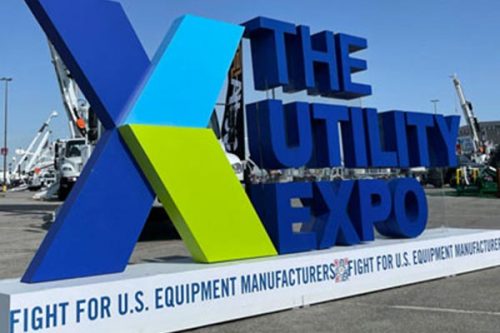
Comparing Two Foam Powerhouses for Signage, Events, and Branding
When it comes to dimensional signage, event décor, or bold branding displays, foam letters have carved out a permanent place in the design world. They’re lightweight, customizable, and cost-effective, making them ideal for everything from weddings to trade shows. But not all foam is created equal. The two most common materials used in foam lettering—EPS and XPS—offer distinct qualities that can influence performance, durability, and overall appearance. If you’ve ever wondered which type of foam letter best suits your project, you’re not alone. Designers, event planners, and businesses frequently ask: EPS foam letters vs. XPS foam letters—what’s the difference, and which should I choose? This article breaks down everything you need to know about both materials, from their unique properties to their fabrication process, so you can make an informed decision with confidence.
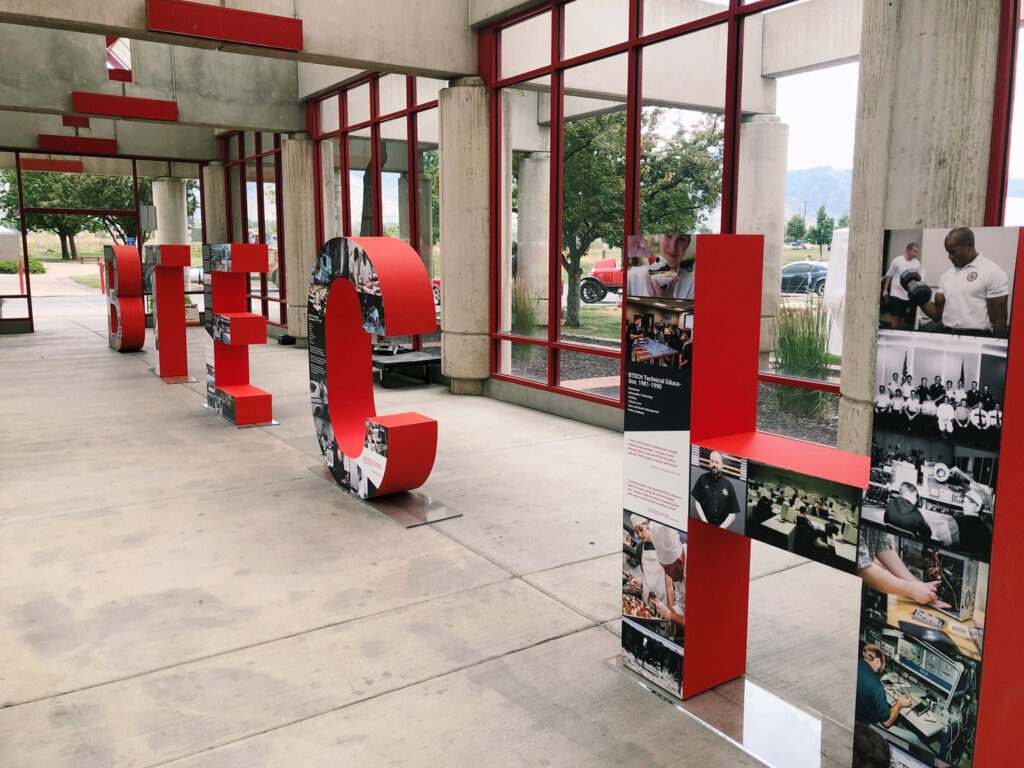
What Are EPS Foam Letters?
EPS stands for expanded polystyrene, a lightweight and rigid foam made from tiny beads fused together. Think of the protective packaging material that cushions electronics—but in signage, EPS is crafted at much higher densities, giving it structural integrity and versatility. EPS foam letters are incredibly popular because they’re affordable, easy to cut into complex shapes, and available in very large block sizes. That makes them perfect for oversized letters at trade shows, stage backdrops, or outdoor events. Their beaded structure gives them a textured appearance, which can be smoothed and finished with coatings or paint for a polished look. EPS also offers flexibility in density. Lower-density foam is cheaper and lighter, while higher-density options provide more strength and detail. This scalability makes EPS the “go-to” material for projects ranging from temporary event props to permanent signage.
What Are XPS Foam Letters?
XPS stands for extruded polystyrene, a closed-cell foam created through an extrusion process. Unlike EPS, which has a beaded texture, XPS has a uniform, smooth surface that makes it naturally sleek and consistent. XPS foam letters are denser and slightly heavier than EPS, which gives them an advantage when fine detail or a smooth finish is desired. The closed-cell structure also makes XPS more moisture-resistant, making it a smart choice for damp or outdoor environments. Because of its durability and refined surface, XPS is often chosen for projects where precision and finish are top priorities—such as retail displays, architectural signage, or letters with thin strokes that might not hold up well in EPS.
Key Differences Between EPS and XPS Foam Letters
While both materials fall under the polystyrene family, their differences matter when it comes to application.
EPS is lightweight, affordable, and available in large blocks, making it easier to scale up for oversized letters. It does, however, have a more textured surface that usually requires additional finishing.
XPS, on the other hand, offers a smoother surface and denser structure, giving it an edge in durability and appearance. It can handle fine details better but typically comes in smaller sheet sizes, which may limit scalability for very large installations.
In short: EPS is the king of affordability and size, while XPS wins in refinement and durability.
Advantages of EPS Foam Letters
EPS foam letters shine when size and cost-effectiveness are critical. They can be made at enormous scales without breaking budgets, which is why you see them frequently at trade shows, festivals, or weddings where giant initials or slogans dominate the décor. Another advantage of EPS is its flexibility with coatings. A basic paint finish works for indoor use, while hard coatings like polyurethane or epoxy can make EPS letters strong enough for long-term outdoor installations. EPS also tends to be easier to source in large volumes and sizes, making it the more accessible choice for bulk orders or oversized branding projects.
Advantages of XPS Foam Letters
XPS foam letters excel in projects where detail and surface quality matter most. The closed-cell structure produces crisp, smooth edges straight out of the cutter, often requiring less finishing than EPS. This makes XPS ideal for smaller tabletop letters, retail displays, or signage where fine lines and a polished appearance are key. Its natural moisture resistance also makes it suitable for outdoor use, especially in damp or humid climates. While XPS may cost more than EPS, many businesses consider it a worthwhile investment for premium projects where presentation is everything.
Common Uses for EPS and XPS
Both materials are versatile, but they often serve different purposes in practice.
EPS foam letters are commonly found at large events—weddings, trade shows, graduations, and festivals. Their ability to scale up affordably makes them perfect for oversized décor.
XPS foam letters are often used in retail or architectural settings, where a more refined finish is important. They’re also popular for medium-sized letters at exhibits or offices, where durability and sleekness outweigh sheer size.
How Foam Letters Are Fabricated
Whether EPS or XPS, the fabrication process for foam letters follows similar steps, though the choice of material impacts the details.
Step 1: Design
The process starts with digital design files. Fonts, logos, or custom graphics are converted into vector outlines or 3D models to ensure precision. Designers consider thickness, proportions, and intended use during this stage.
Step 2: Material Selection
The choice between EPS and XPS is made based on project goals. EPS is selected for large-scale, budget-friendly projects, while XPS is chosen for premium or detail-oriented work.
Step 3: Cutting
Foam is cut using hot-wire cutters or CNC routers. Hot-wire cutting works well with EPS for large, bold shapes, while CNC routers excel at carving fine details—especially in denser XPS.
Step 4: Smoothing and Finishing Prep
EPS often requires more sanding to smooth out its beaded surface. XPS, with its natural smoothness, needs less preparation, giving it an edge in efficiency.
Step 5: Coating
Both EPS and XPS benefit from protective coatings. EPS, in particular, requires coating for durability, while XPS may only need paint or light coatings depending on the environment. For outdoor use, hard coatings like polyurethane or epoxy are applied to both.
Step 6: Painting and Finishing
Foam letters are painted, wrapped, or finished according to the project. Colors may match brand palettes, metallic paints can simulate steel or bronze, and vinyl wraps allow for high-definition graphics.
Step 7: Installation
Both materials are lightweight, making installation simple. EPS letters may need more reinforcement for stability in large displays, while XPS’s density makes it naturally sturdier for smaller freestanding pieces.
Durability and Longevity
Durability depends on both the material and finishing. EPS, while affordable and scalable, is more prone to dents or moisture damage if left uncoated. With hard coatings, however, EPS can last for years indoors and multiple seasons outdoors.
XPS is naturally more durable thanks to its dense structure and moisture resistance. Even with minimal coatings, it stands up better to wear and tear. For long-term or premium installations, XPS has the edge.
Cost Considerations
Budget often determines material choice. EPS is more affordable, especially at larger scales. That’s why it dominates in event signage and oversized décor. XPS is pricier but delivers higher quality finishes and durability. Businesses often choose XPS when presentation and longevity justify the additional cost. Ultimately, it’s about value. For one-time events, EPS often makes the most sense. For repeated use or high-end branding, XPS provides better return on investment.
Sustainability and Environmental Factors
Both EPS and XPS raise environmental concerns, as neither is biodegradable. However, many fabricators now work with recycled foam, and some use coatings that extend product lifespans, reducing waste. EPS letters are easier to recycle in some regions, while XPS’s denser structure can make recycling more complex. Still, reusability is the key to sustainability. Foam letters of either type can be repurposed across multiple events or campaigns, extending their usefulness and minimizing environmental impact.
Which Should You Choose?
The decision between EPS and XPS foam letters comes down to scale, budget, and priorities.
Choose EPS foam letters if you need oversized, cost-effective signage for events, weddings, or trade shows. EPS gives you impact at scale without breaking the bank.
Choose XPS foam letters if your project demands sleek finishes, durability, and refined detail. XPS is ideal for retail, architectural signage, or repeated long-term use.
Both materials have their place. The best choice depends on whether your project values affordability and size (EPS) or quality and durability (XPS).
Conclusion
EPS and XPS foam letters may look similar at first glance, but their differences make them uniquely suited to different applications. EPS offers affordability and scalability, making it the king of oversized event signage. XPS provides strength and refinement, making it the choice for premium, detail-oriented projects. Understanding the distinctions between the two helps ensure your signage not only looks good but also performs as expected in its intended environment. Whether you’re planning a wedding, branding a retail space, or designing a trade show booth, the right choice between EPS and XPS foam letters can elevate your display from ordinary to unforgettable.
So – EPS or XPS? The answer lies in your priorities. If it’s bold scale on a budget, EPS is your ally. If it’s polished refinement with durability, XPS is the clear winner. Either way, foam letters offer an unbeatable blend of impact, creativity, and practicality.
Check out WhiteClouds’ Large Letters for more information.
Contact us today to learn more about our 3D services and how we can help you achieve your goals.