
Cutaway Scale Models
Custom physical models that expose internal components and system relationships
A cutaway scale model removes or opens part of an exterior so internal components can be seen in context. The cutaway boundary, scale, and visible detail should be planned around the mechanism the model needs to explain.
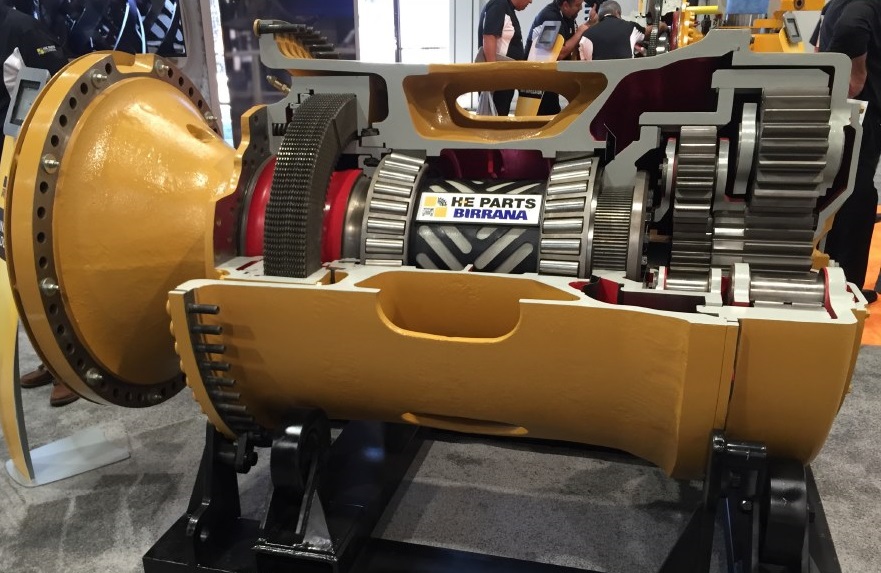
Technical Overview
What a Cutaway Model Shows
A cutaway model exposes selected internal components while preserving enough of the exterior to explain where those components sit. It can show how parts connect, how one system passes through another, or how a mechanism is arranged inside its housing.
The model should be organized around a specific explanation. Removing too little may hide the important relationship, while removing too much can make the assembly difficult to recognize.
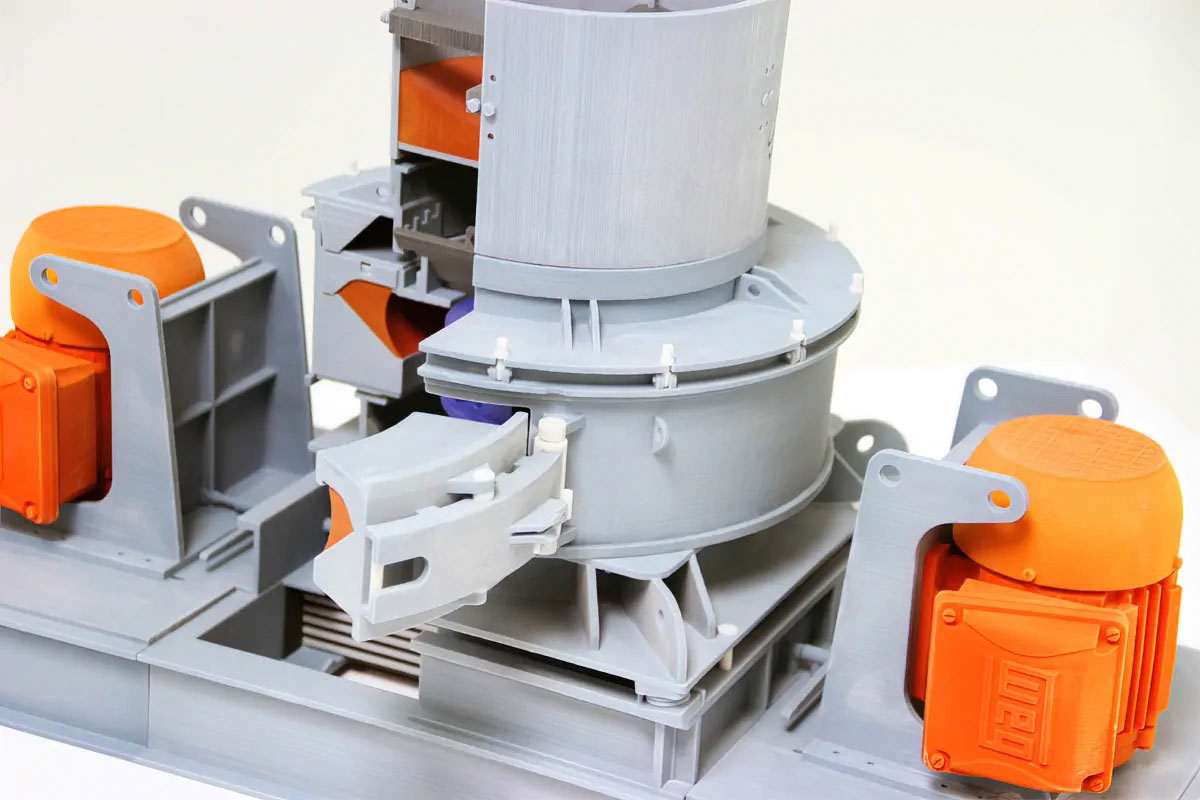
Common Cutaway Subjects
Automotive Cutaway Models
Automotive cutaways can expose engines, transmissions, suspension systems, and related vehicle components. The model may focus on one assembly or show how several systems fit within the vehicle.
Industrial Cutaway Models
Industrial cutaways can show pumps, compressors, turbines, gearboxes, and other machinery. They are useful when the exterior housing would otherwise conceal the component relationships needed for training, explanation, or presentation.
Consumer Product Cutaways
A consumer product cutaway can reveal circuits, motors, gears, and other parts inside electronics, appliances, tools, or similar equipment. The useful level of detail depends on the product and the audience.
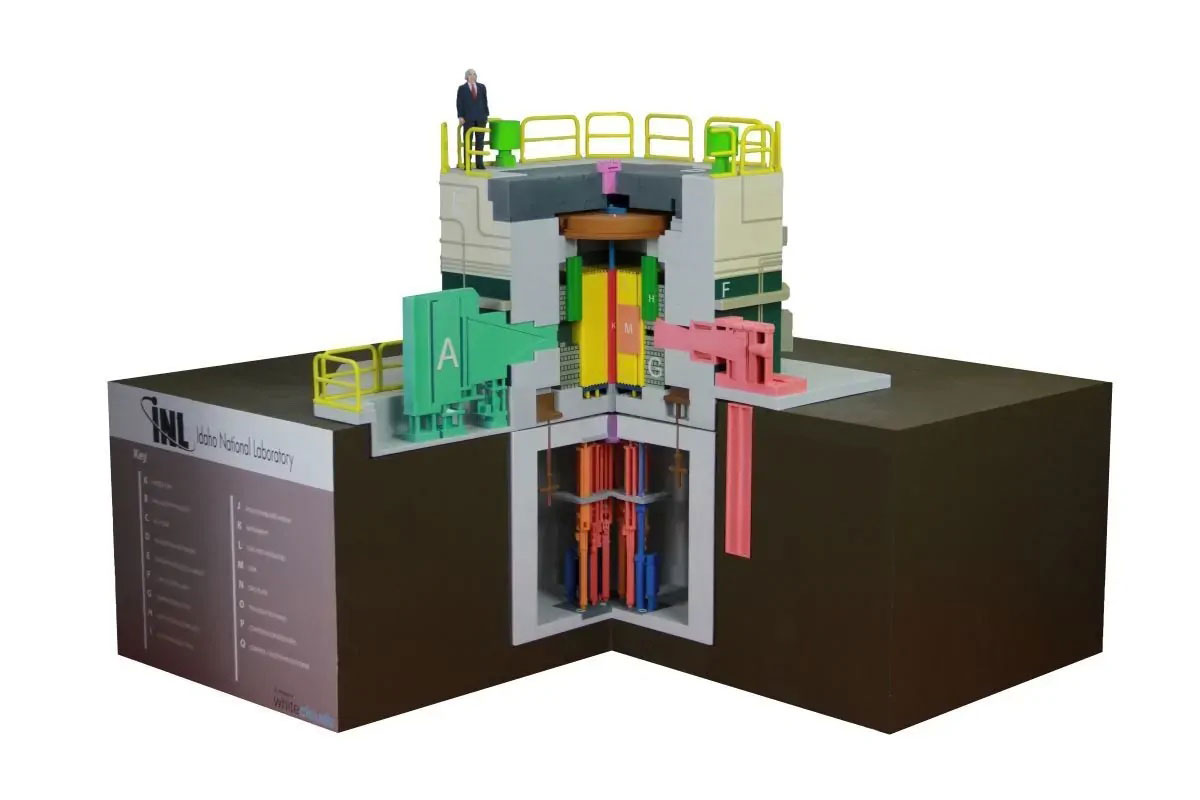
Choose the Cutaway View
Planning starts with the components and relationships that must remain visible. From there, the cutaway boundary and primary viewing direction can be set so the interior reads clearly without losing the identity of the larger assembly.
The scope should also state whether any panels or components must be removable or movable. A static cutaway display should not be assumed to reproduce the operating behavior of the full-size product or machine.
Scale and Source Information
CAD geometry, drawings, blueprints, and schematics can establish the exterior shape and internal component layout. The files may need to be simplified so the most important parts remain legible and practical at the chosen scale.
Scale affects both the overall footprint and the smallest detail that can be shown clearly. Viewing distance, display space, and the number of exposed systems should be settled before the model geometry is prepared.
Fabrication and Finish
Cutaway models may use CAD preparation, component fabrication, cutting, assembly, and finishing. The process should keep exposed interior parts aligned while maintaining the surrounding structure needed to support and explain them.
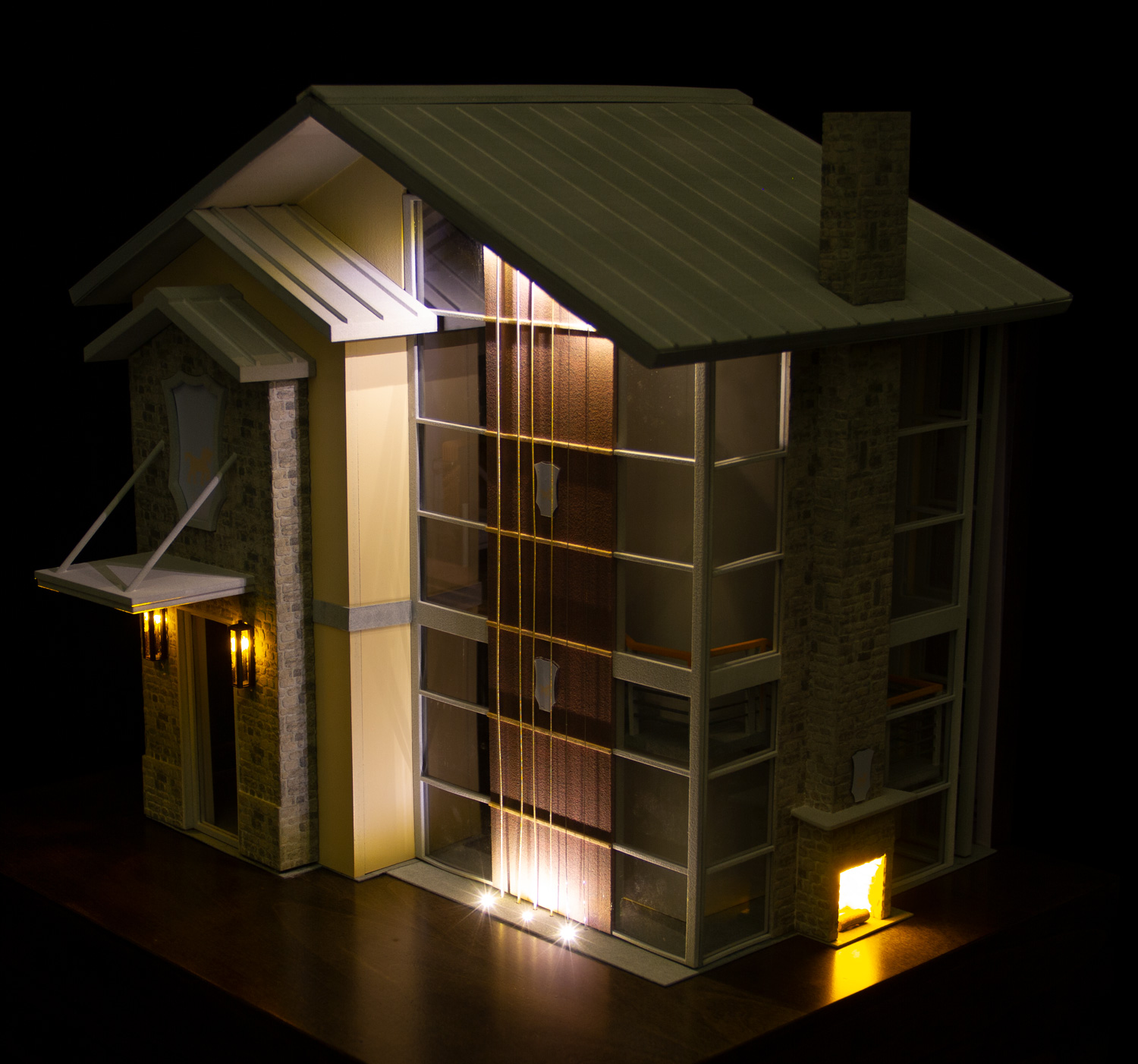
Planning a Cutaway Model
A useful brief identifies the subject, intended audience, components to expose, primary viewing direction, desired dimensions or scale, available technical files, removable or moving features, display location, and timeline.
Explore industrial model resources
Review WhiteClouds industrial model capabilities and browse completed model examples.
Tell us what your model needs to communicate
Share the intended audience, approximate size, level of detail, available source files, and project timeline.