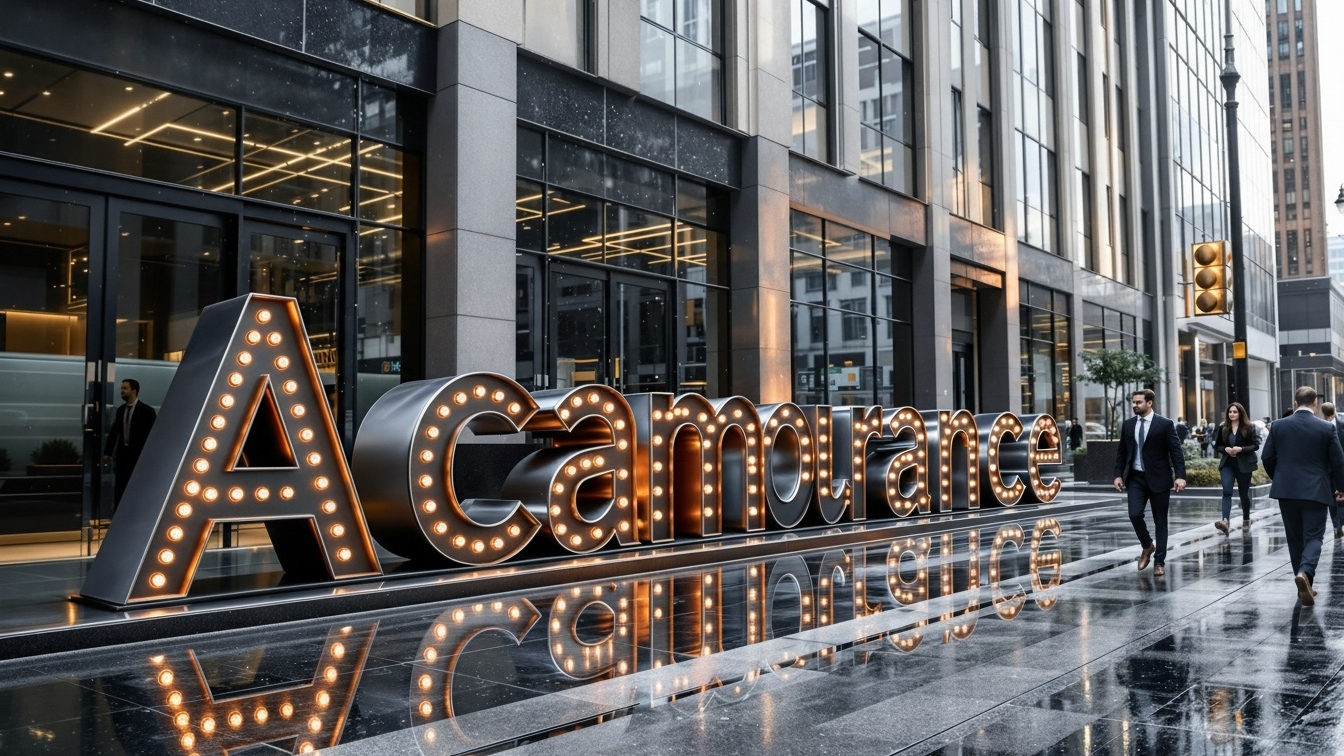
Polyurea Coated Foam Letters: Built to Last Outdoors
We Build Custom Giant 3D Large Letters
Weatherproof Signage That Combines Strength, Style, and Longevity
In the world of signage and event décor, foam letters have become a creative powerhouse. They’re lightweight, versatile, and affordable, making them a favorite for everything from weddings to trade shows. But when it comes to outdoor use, raw foam simply isn’t strong enough to handle the elements. Rain, sunlight, and physical wear can quickly degrade untreated foam. That’s where polyurea-coated foam letters step in. By adding a polyurea coating, foam letters transform from fragile props into durable, weather-resistant signage designed to withstand years of outdoor exposure. These coatings open the door for businesses, municipalities, and event organizers to confidently use foam letters in parks, storefronts, festivals, and permanent installations without worrying about deterioration. In this article, we’ll dive into why polyurea-coated foam letters are the gold standard for outdoor signage, how they compare to other finishes, and what the fabrication process looks like from start to finish.

Why Outdoor Foam Letters Need Extra Protection
Foam letters are typically made from expanded polystyrene (EPS) or high-density urethane (HDU). While both materials are excellent for indoor displays, they’re vulnerable outdoors. EPS is lightweight and affordable, but its beaded structure can absorb water and degrade under prolonged UV exposure. HDU is denser and stronger but still benefits from protective coatings. Uncoated foam is also prone to dents and scratches. At a busy outdoor event or a public installation, even a small impact can damage the surface. For signage meant to last, durability is non-negotiable. Polyurea coatings solve this problem. By encapsulating foam letters in a tough, flexible shell, polyurea ensures they resist weather, impacts, and daily wear while maintaining their visual appeal.
What Is Polyurea?
Polyurea is a spray-applied elastomer that creates an exceptionally durable and protective coating. Originally developed for industrial applications like tank linings, truck bed liners, and waterproofing, polyurea has become a favorite in the signage industry for its ability to bond to foam surfaces and create hard shells.
Unlike paint or thin coatings, polyurea cures into a thick, seamless layer that resists moisture, UV rays, abrasions, and impacts. It provides a balance of rigidity and flexibility—hard enough to protect against damage, yet flexible enough to expand and contract with temperature changes without cracking. For foam letters, this means long-lasting outdoor performance without sacrificing lightweight construction.
Benefits of Polyurea-Coated Foam Letters
The advantages of polyurea-coated foam letters are extensive, particularly for outdoor environments.
Durability
Polyurea creates a protective shell that can last for years, even under harsh conditions. Rain, wind, sun, and temperature fluctuations are no match for a properly applied coating.
Weather Resistance
Unlike uncoated foam, which absorbs moisture, polyurea-sealed foam is waterproof. This makes it perfect for outdoor festivals, storefronts, and permanent installations.
Impact Protection
Polyurea adds strength, protecting foam letters from accidental bumps, scratches, or even vandalism.
UV Stability
Sunlight can yellow or weaken untreated foam, but polyurea provides UV resistance that helps maintain appearance and structural integrity.
Design Freedom
Because the coating is sprayed on, it conforms to any shape, allowing for endless creativity in font choice, thickness, and size.
Common Uses for Polyurea-Coated Foam Letters
Polyurea-coated foam letters shine wherever bold, outdoor signage is needed. At festivals and public events, oversized letters create photo-worthy landmarks that hold up through crowds and unpredictable weather. For retail and business storefronts, they serve as durable branding that withstands year-round conditions without requiring constant replacement. In parks and public spaces, polyurea-coated foam letters spell out city names, slogans, or landmarks that become tourist attractions in their own right. Even for corporate campuses or schools, these letters provide long-lasting signage that reinforces identity and pride.
Style and Finish Options
Polyurea-coated foam letters don’t sacrifice style for durability. Once coated, the surface can be painted, wrapped, or textured to match virtually any design. Paint finishes can replicate brand colors, metallic sheens, or stone-like textures. Vinyl wraps can add logos, gradients, or high-definition graphics. Polyurea itself can also be tinted, providing built-in color that resists chipping. For outdoor signage, combining polyurea’s durability with vibrant finishes ensures foam letters remain visually striking while standing up to the elements.
Fabrication: How Polyurea-Coated Foam Letters Are Made
Creating polyurea-coated foam letters involves several stages, blending digital design with advanced fabrication techniques.
Step 1: Design and Planning
The process begins with a design file. Logos, fonts, or custom artwork are translated into vector or 3D models. Designers account for letter proportions, thickness, and intended installation.
Step 2: Foam Cutting
Blocks of EPS or HDU foam are cut into letter shapes using hot-wire cutters or CNC routers. CNC technology allows for precision in fonts and logos, ensuring clean, accurate results.
Step 3: Surface Preparation
The cut foam letters are sanded to remove rough textures or bead marks. This creates a smooth base for coatings and ensures proper adhesion.
Step 4: Polyurea Coating
This is where durability is built. Using specialized spray equipment, technicians apply polyurea to the foam letters. The coating bonds instantly, forming a hard yet flexible shell. Multiple layers may be applied depending on the desired strength and thickness.
Step 5: Painting and Finishing
Once coated, the letters can be painted in brand colors or wrapped with vinyl for additional customization. Metallic paints, gloss finishes, or textured effects can elevate the design.
Step 6: Installation
Polyurea-coated foam letters are lightweight yet durable, making installation straightforward. They can be freestanding, mounted on walls, or secured with brackets for long-term outdoor use.
Durability and Longevity
The true test of polyurea-coated foam letters is how long they last. Unlike uncoated foam, which may degrade within weeks outdoors, polyurea-coated letters can withstand years of exposure. With proper maintenance, they hold their shape, color, and integrity even under heavy use. This durability also translates to cost savings. While polyurea-coated foam letters may cost more upfront than uncoated alternatives, their longer lifespan reduces the need for replacements, making them more cost-effective in the long run.
Polyurea vs. Other Coatings
Other coatings, such as epoxy or polyurethane, also improve foam durability, but polyurea offers unique advantages. Epoxy is strong but can be brittle, making it prone to cracking under impact. Polyurethane coatings are durable but often require longer curing times.
Polyurea cures rapidly, bonds seamlessly, and balances strength with flexibility. This makes it particularly well-suited for outdoor signage that must endure changing weather and physical wear.
Sustainability Considerations
Foam itself poses environmental challenges, as EPS and XPS are not biodegradable. However, polyurea-coated foam letters can be reused across multiple events or serve as permanent installations, reducing waste compared to disposable signage. Their long lifespan means fewer replacements, helping offset environmental impact. Some manufacturers also use recycled foam blocks as the base material, further improving sustainability.
Inspiring Real-World Examples
Imagine a coastal city installing giant foam letters coated in polyurea along its boardwalk. Tourists pose with them year after year, while salty air and sunlight fail to erode their strength. At a music festival, oversized polyurea-coated letters spelling the event’s name withstand crowds leaning, climbing, and taking endless photos—all without a scratch. In front of a retail flagship store, bold polyurea-coated foam branding remains vibrant despite rain, snow, and summer sun, greeting customers for years to come.
The Future of Outdoor Foam Signage
As fabrication and coating technologies continue to evolve, polyurea-coated foam letters will only get stronger and more versatile. Expect to see innovations like integrated LED lighting, projection mapping, and interactive finishes combined with polyurea’s proven durability. In a world where visual landmarks drive tourism, marketing, and social media engagement, the demand for signage that’s both bold and durable will continue to grow. Polyurea-coated foam letters are at the forefront of that future.
Conclusion
Foam letters have long been a favorite for their adaptability and affordability, but when it comes to outdoor use, polyurea-coated foam letters are the ultimate solution. They combine the lightweight flexibility of foam with the toughness of an industrial-grade coating, delivering signage that lasts for years in the harshest conditions. From design to fabrication, these letters are built to withstand weather, impacts, and the test of time—all while offering endless customization in style and finish. For cities, businesses, and event organizers looking for outdoor signage that makes a statement, polyurea-coated foam letters are more than décor. They’re bold, durable branding built to last.
Check out WhiteClouds’ Large Letters for more information.