Breaking down the key differences between statues and sculptures in art, history, and design.
Art surrounds us in ways we often don’t notice. Walk through a city park, visit a museum, or explore a historic plaza, and you’ll encounter powerful forms carved in stone, cast in bronze, or molded from modern materials. Some of these works are statues. Others are sculptures. At first glance, the terms may seem interchangeable, but in the world of art and design, they have distinct meanings. Understanding the difference between a statue and a sculpture opens a fascinating window into art history, creative expression, and cultural storytelling. These works are more than decorative objects. They preserve history, celebrate heroes, inspire imagination, and push the boundaries of what art can be. So what exactly separates a statue from a sculpture? The answer lies in purpose, representation, and artistic freedom. Let’s explore how these two forms of art compare and why both continue to captivate people across centuries.
Understanding the Core Idea of Sculpture
To begin understanding the difference, it helps to start with the broader term: sculpture.
Sculpture is one of the oldest forms of visual art known to humanity. Unlike paintings or drawings that exist on flat surfaces, sculpture is three-dimensional. It occupies real space and can be viewed from multiple angles. Artists create sculptures by shaping, carving, modeling, casting, or assembling materials.
The range of materials used in sculpture is nearly endless. Traditional sculptors worked with stone, marble, bronze, wood, and clay. Modern artists experiment with metal, glass, plastic, recycled materials, fabric, and even light or digital projections. Sculpture is an incredibly flexible medium, allowing artists to explore form, movement, emotion, and abstract ideas.
One of the defining characteristics of sculpture is creative freedom. Sculptures do not have to represent real people or recognizable objects. Some sculptures are abstract, meaning they focus on shapes, textures, or symbolic forms rather than realistic subjects. Others may represent animals, mythological creatures, everyday objects, or imaginative designs that exist purely in the artist’s mind.
In essence, sculpture is a category of art that includes many different styles, themes, and purposes. It is the umbrella under which many forms of three-dimensional art exist.
What Exactly Is a Statue?
A statue is a specific type of sculpture, but it has a more defined purpose.
Statues are typically representational works of art that depict recognizable figures. Most statues portray human beings, though they may also represent animals, deities, or symbolic characters. What makes statues unique is that they usually aim to represent their subjects realistically or at least recognizably.
Historically, statues have been used to honor individuals, commemorate historical events, celebrate religious figures, or symbolize cultural ideals. From ancient temples to modern city squares, statues have played an important role in storytelling and remembrance.
When people think of statues, they often imagine monumental works such as towering bronze figures in public plazas or marble heroes standing in museum halls. These works often serve as tributes to leaders, warriors, thinkers, and legendary figures.
Statues are frequently life-sized or larger-than-life, though smaller versions exist as well. Their goal is often to preserve the likeness or memory of someone significant.
In simple terms, every statue is a sculpture, but not every sculpture is a statue.
The Key Difference Between Statues and Sculptures
The easiest way to understand the difference is to look at subject matter and intent.
A sculpture is any three-dimensional artwork created by shaping materials into a form. It can be abstract, symbolic, realistic, or experimental.
A statue, on the other hand, specifically represents a recognizable figure or character, most commonly a human being.
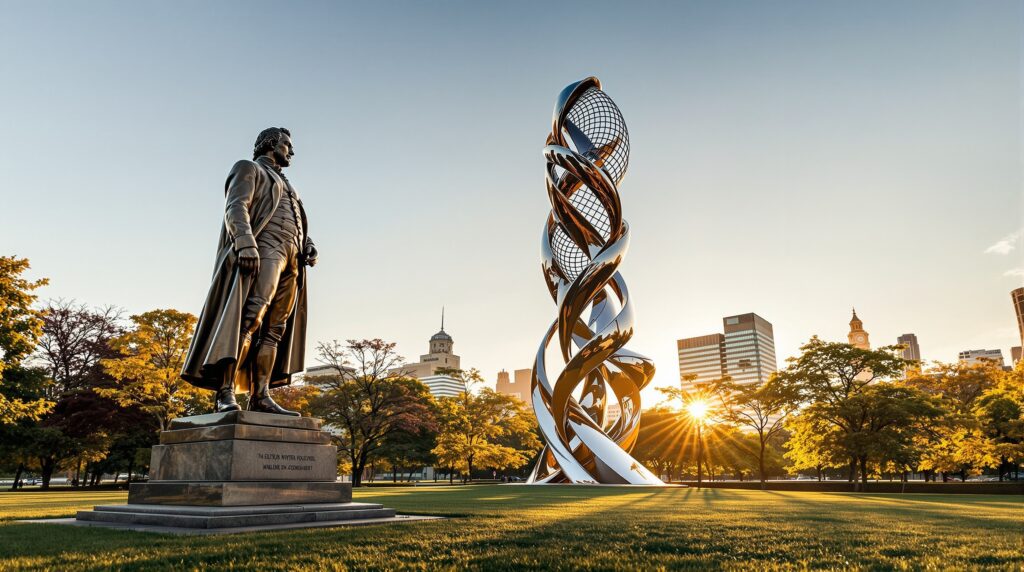
Think of sculpture as the broader artistic category and statues as a particular type within that category. Sculptures can be anything from twisting metal shapes to minimalist stone forms. Statues typically portray identifiable subjects and often aim to capture likeness or personality.
The distinction may seem subtle, but it is important in art history, museum classification, and artistic discussion.
A Journey Through History: Sculptures in Ancient Civilizations
Sculpture has existed for tens of thousands of years. Some of the earliest sculptures were created by prehistoric humans using stone, bone, and clay.
One famous example is the Venus figurines discovered across Europe. These small carvings, created more than 20,000 years ago, represent stylized female figures believed to symbolize fertility or life.
As civilizations developed, sculpture became a central form of artistic and cultural expression. Ancient Egyptians created massive stone sculptures of gods and pharaohs. These works often decorated temples and tombs, serving religious and ceremonial purposes.
In ancient Greece, sculptors achieved remarkable realism and beauty in their work. Greek artists studied anatomy carefully, creating lifelike statues of athletes, philosophers, and mythological characters. Their sculptures emphasized balance, proportion, and movement, influencing artists for centuries to come.
The Romans continued this tradition but added their own focus on portraiture. Roman statues often depicted emperors, generals, and citizens with striking realism. These works captured facial expressions, wrinkles, and individual personalities, making them powerful historical records.
Throughout these ancient cultures, sculpture and statues worked together as tools of storytelling, religion, and cultural identity.
Why Statues Often Represent People
Statues have long been connected to human identity and memory. Across cultures and time periods, societies have built statues to honor individuals who shaped history.
Rulers, military leaders, philosophers, artists, and cultural icons have all been immortalized through statues. These works allow future generations to remember and recognize influential figures long after their lifetimes.
Statues also serve as powerful symbols of national pride or cultural heritage. Cities around the world display statues that commemorate independence movements, historical achievements, or legendary heroes.
In religious contexts, statues often depict saints, deities, or spiritual figures. These works are meant to inspire devotion and reflection. Because statues represent recognizable figures, they often emphasize facial features, posture, clothing, and other details that help viewers identify the subject. This focus on representation is what distinguishes statues from many other types of sculptures.
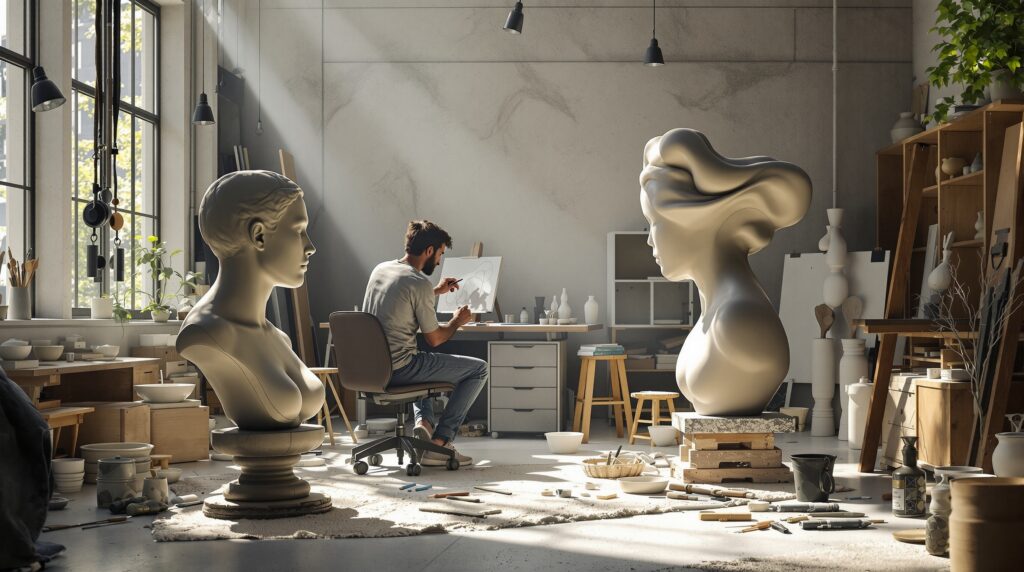
Abstract Sculpture and the Freedom of Modern Art
While statues often celebrate realism and historical representation, sculpture as a broader art form has evolved dramatically over time.
Modern and contemporary sculptors frequently embrace abstraction. Rather than depicting a specific person or object, abstract sculptures explore shapes, movement, balance, and emotion.
Artists such as Constantin Brancusi, Henry Moore, and Alexander Calder revolutionized sculpture in the twentieth century. Their works challenged traditional expectations of what sculpture could be.
Some abstract sculptures resemble flowing organic shapes, while others consist of geometric forms or moving parts. Kinetic sculptures, for example, incorporate motion powered by wind or motors.
Abstract sculpture invites viewers to interpret meaning in their own way. Instead of presenting a clear subject, the artwork encourages imagination and personal reflection. This creative freedom is one of the defining features of sculpture as an art form.
Materials That Bring Sculptures and Statues to Life
Both sculptures and statues rely on materials that artists carefully shape and manipulate.
- Stone and marble have long been favored by sculptors because they allow for detailed carving and durability. Many ancient statues that survive today were carved from marble or limestone.
- Bronze is another popular material, especially for statues placed outdoors. Artists create bronze statues through a casting process that allows intricate details to be preserved.
- Wood has also been used throughout history, particularly in regions where stone was less available. Wooden sculptures can be highly detailed but require careful preservation.
In modern times, artists experiment with an incredible variety of materials. Stainless steel, aluminum, glass, concrete, plastic, and recycled objects are now common in sculpture. Some contemporary sculptures even incorporate technology, using light projections, sound, or interactive components. Regardless of the material, the goal remains the same: transforming raw substances into expressive forms.
Size and Scale: From Tiny Figures to Giant Monuments
One of the most fascinating aspects of sculpture is scale. Some sculptures are small enough to sit on a tabletop, while others tower over entire landscapes. Monumental statues can reach heights of dozens or even hundreds of feet.
Large statues often serve as landmarks. They attract visitors, symbolize national identity, and become iconic elements of city skylines. At the same time, small sculptures can be just as powerful. Intricate figurines, miniature busts, and delicate carvings demonstrate incredible craftsmanship and detail.
Scale influences how viewers experience the artwork. Standing beneath a towering statue can create feelings of awe and admiration, while examining a small sculpture invites close attention and intimacy. Both statues and sculptures use scale to shape the viewer’s emotional response.
The Role of Sculptors in Society
Sculptors are storytellers who work in three dimensions.
Throughout history, sculptors have played important roles in documenting cultural values and historical events. Their work captures moments in time, preserves legends, and celebrates human achievements.
Public sculptures and statues often shape how communities remember their past. They stand as visual reminders of shared stories, struggles, and victories.
In modern society, sculptors also challenge viewers to think differently. Contemporary sculptures may explore themes such as identity, technology, environment, or social change.
By transforming physical materials into meaningful forms, sculptors create art that people can walk around, touch, and experience in space. This physical presence makes sculpture one of the most immersive art forms.
Statues in Public Spaces
Cities around the world are filled with statues that serve as cultural landmarks. Public statues often stand in parks, plazas, government buildings, and historic sites. They help define the character of a place and connect communities to their history. When a statue is placed in a public space, it becomes part of the everyday environment. People walk past it, photograph it, gather near it, and sometimes even use it as a meeting point. Because statues are so visible, they can also spark conversations about history and identity. In recent years, debates about certain historical statues have prompted discussions about how societies remember the past. These conversations show that statues are more than decorative objects. They are powerful symbols that reflect the values and perspectives of the communities around them.
Sculptures in Museums and Galleries
While statues are often found outdoors, sculptures frequently appear in museums and art galleries.
In these spaces, visitors can explore a wide range of sculptural styles and techniques. Museums display works from ancient civilizations, classical traditions, and contemporary artists.
Unlike public statues that usually commemorate specific figures, museum sculptures often focus on artistic innovation. They showcase different approaches to form, texture, and composition.
Viewing sculptures indoors allows people to examine details closely. Lighting, placement, and gallery design help highlight the artist’s intentions. Museums also provide historical context, helping visitors understand how sculpture has evolved over thousands of years.
Why the Distinction Matters
At first, the difference between a statue and a sculpture might seem like a minor detail. However, the distinction helps clarify how artists approach their work and how audiences interpret it.
- Statues typically focus on representation, memory, and tribute. They often celebrate individuals or cultural icons.
- Sculpture, as a broader category, encompasses everything from traditional statues to experimental art installations.
Recognizing this difference helps people appreciate the diversity within three-dimensional art. It reveals how artists use materials, form, and symbolism to communicate ideas in unique ways. Understanding these terms also helps when discussing art history, visiting museums, or exploring public art.
The Enduring Power of Three-Dimensional Art
From ancient temples to modern city streets, sculptures and statues continue to shape the visual world around us. These works connect us to history, inspire creativity, and transform ordinary spaces into places of reflection and wonder. Whether carved from stone, cast in bronze, or assembled from modern materials, sculptures invite us to see the world from new perspectives. Statues, with their focus on recognizable figures, preserve human stories across generations. Sculptures, with their boundless creativity, push the limits of artistic imagination. Together, they remind us that art is not confined to canvas or paper. It can stand in the open air, rise above skylines, or quietly occupy a gallery corner, waiting to be discovered. The next time you encounter a statue or sculpture, take a moment to walk around it. Notice the textures, shapes, and emotions captured in solid form. In that moment, you are experiencing one of humanity’s oldest and most powerful forms of expression.