
What Is a Property Map? A Visual Key to Understanding Land
A property map is more than a diagram of lines and labels—it’s a visual key that unlocks how land is shaped, owned, regulated, and used. Whether you’re buying your first home, developing a commercial site, researching land history, or simply curious about what lies beyond a fence line, a property map tells a story that words alone can’t. It shows where a parcel begins and ends, how it relates to neighboring lots, and how invisible rules and boundaries quietly shape everyday decisions. At its core, a property map is a scaled representation of a specific parcel of land. It displays boundaries, dimensions, and identifying details that help define ownership and location. But modern property maps go far beyond simple outlines. They often include easements, right-of-way access, zoning overlays, utilities, topography, and references to legal documents that tie the map to official records. Property maps sit at the intersection of geography, law, and design. They translate legal descriptions into something you can see and understand. In a world where land is one of the most valuable and contested resources, these maps act as a common language between buyers, sellers, surveyors, planners, lenders, and governments.

The Anatomy of a Property Map
At first glance, a property map might look deceptively simple—rectangles, curves, labels, and lines. Yet every element serves a specific purpose. The most important feature is the parcel boundary, typically drawn as a bold outline that distinguishes one property from the next. These boundaries are based on legal descriptions found in deeds and survey records, not fences or landscaping. Within or alongside those boundaries, you’ll usually find measurements showing the length of each side. These dimensions help confirm the size and shape of the property and ensure consistency with recorded documents. Many maps also include a parcel identification number, often called an APN or PIN, which links the map to tax records and government databases.
Orientation matters as well. Most property maps include a north arrow or compass indicator so viewers can understand direction and alignment. Streets, alleys, and access points are shown to clarify how the property connects to public infrastructure. In more detailed maps, structures such as homes, garages, or outbuildings may be outlined to show their position relative to the boundaries. Together, these components turn abstract legal language into a practical visual reference that can be used for planning, verification, and decision-making.
Property Maps vs. Surveys: What’s the Difference?
Property maps and land surveys are closely related, but they are not the same thing. A property map is typically a visual summary derived from existing records. It shows boundaries and features based on previously surveyed data, often compiled by a county, assessor, or mapping service.
A land survey, on the other hand, is a precise measurement conducted in the field by a licensed surveyor. Using specialized equipment, surveyors physically measure distances, angles, and elevations to establish exact boundary locations. The resulting survey is a legal document that can be relied upon in disputes, construction, and transactions.
Think of a property map as a guide and a survey as a definitive statement. Property maps are excellent for understanding general layout and context, while surveys are required when accuracy must meet legal standards. In many cases, buyers review a property map early in the process and commission a survey later for confirmation.
Why Property Maps Matter in Real Estate
In real estate, clarity is everything. Property maps help remove uncertainty by showing exactly what is being bought or sold. They allow buyers to visualize the land included in a transaction and identify potential red flags before contracts are signed.
For sellers, a clear property map can enhance listings by demonstrating transparency and professionalism. It helps agents explain features like lot shape, corner positioning, shared driveways, or access points that might not be obvious from photos alone. For investors and developers, property maps reveal how a parcel fits into the larger neighborhood, which can influence value and future potential.
Lenders and insurers also rely on property maps to assess risk. Understanding boundaries, flood zones, easements, and proximity to infrastructure helps them determine loan terms and coverage requirements. In this way, property maps quietly underpin many of the financial decisions that make real estate transactions possible.
Understanding Boundaries, Lines, and Legal Descriptions
One of the most important roles of a property map is clarifying boundaries. These lines define ownership, responsibility, and rights. They determine where you can build, where you can landscape, and where your obligations end. Legal descriptions often use technical language such as metes and bounds, referencing directions and distances from a known starting point. Property maps translate these descriptions into visual form, making them easier to interpret. Curved boundaries, irregular shapes, and angled lines often reflect historical land divisions, natural features, or roadway alignments. It’s important to remember that boundaries on a property map represent legal definitions, not physical markers. A fence or hedge may not align perfectly with the mapped boundary. When discrepancies arise, the property map serves as a starting point for further investigation, often leading to a professional survey.
Easements, Rights-of-Way, and Shared Spaces
Not all lines on a property map represent ownership boundaries. Some indicate easements or rights-of-way—legal permissions that allow others to use a portion of the land for specific purposes. These might include utility access, shared driveways, or pathways to neighboring properties.
Easements can significantly affect how a property is used. A utility easement might restrict where structures can be built, while an access easement could allow neighbors to cross the land. Property maps make these invisible agreements visible, helping owners understand both their rights and their limitations.
Shared spaces, such as common areas in planned communities, may also appear on property maps. These areas often have unique ownership or maintenance arrangements that are essential to understand before purchasing or developing land.
Zoning and Land Use Layers on Property Maps
Many modern property maps include zoning information that goes beyond simple boundaries. Zoning overlays indicate how land can be used, whether for residential, commercial, agricultural, or mixed purposes. They may also specify density limits, building heights, setbacks, and parking requirements. By combining boundary data with zoning layers, property maps become powerful planning tools. They help buyers assess whether a property fits their intended use and help developers evaluate feasibility before investing significant resources. Even homeowners can benefit by understanding what types of development might occur nearby in the future. Zoning information is dynamic and can change over time, so property maps often reflect the most current regulations available. This makes them invaluable for staying informed in rapidly evolving urban and suburban environments.
Digital Property Maps and GIS Technology
The evolution of digital mapping has transformed property maps from static documents into interactive experiences. Geographic Information Systems, or GIS, allow layers of data to be stacked and analyzed in ways that were once impossible.
Digital property maps can display parcel boundaries alongside aerial imagery, topography, flood zones, utility networks, and demographic data. Users can zoom, measure distances, and toggle layers on and off to explore different aspects of a property. This level of interactivity makes complex information accessible to a wider audience.
Online property map platforms are now commonly used by assessors, planners, real estate professionals, and the public. They provide instant access to data that once required in-person visits to government offices, streamlining research and decision-making.
Property Maps in Urban vs. Rural Settings
The character of a property map often reflects its setting. In urban areas, parcels tend to be smaller and more regular in shape, with dense networks of streets, utilities, and zoning overlays. Property maps here emphasize access points, building footprints, and relationships between closely spaced lots.
In rural settings, property maps may cover large tracts of land with irregular boundaries shaped by natural features like rivers, ridgelines, or historic claims. These maps often highlight acreage, access roads, and land-use designations such as agricultural or conservation zones.
Understanding these contextual differences helps users interpret property maps accurately and appreciate the unique challenges and opportunities of different environments.
How Property Maps Are Used Beyond Buying and Selling
While real estate transactions are the most common context for property maps, their usefulness extends far beyond buying and selling.
- Local governments use them for taxation, planning, and infrastructure development.
- Emergency services rely on property maps to navigate quickly and understand site layouts.
- Architects and builders use property maps during the design phase to ensure projects comply with setbacks and zoning requirements.
- Environmental consultants analyze maps to identify wetlands, buffers, and protected areas.
- Historians and researchers use older property maps to trace changes in land ownership and community development over time.
In each case, the property map acts as a foundational reference that supports informed action.
Common Misunderstandings About Property Maps
Despite their importance, property maps are sometimes misunderstood. One common misconception is that they are always perfectly accurate. In reality, they are only as precise as the data they are based on. Changes to land, outdated records, or mapping errors can lead to discrepancies.
Another misunderstanding is assuming that everything shown on a property map is buildable or usable. Easements, zoning restrictions, and environmental constraints may limit what can be done with the land. Property maps reveal these constraints, but they must be interpreted in context. Recognizing these limitations helps users approach property maps as tools for insight rather than absolute guarantees.
How to Read a Property Map with Confidence
Learning to read a property map doesn’t require specialized training, but it does require attention to detail. Start by identifying the parcel boundary and confirming the address or parcel number. Note the orientation and scale to understand distances and direction. Next, look for annotations that indicate easements, setbacks, or zoning classifications. Pay attention to neighboring parcels and access points, as these can influence privacy, traffic, and future development. When something is unclear, cross-referencing the map with official records or consulting a professional can provide clarity. With practice, property maps become intuitive, revealing patterns and insights that might otherwise go unnoticed.
The Future of Property Mapping
As technology continues to advance, property maps are becoming more dynamic and data-rich. High-resolution satellite imagery, real-time updates, and integration with smart city systems are expanding what property maps can show and how they can be used.
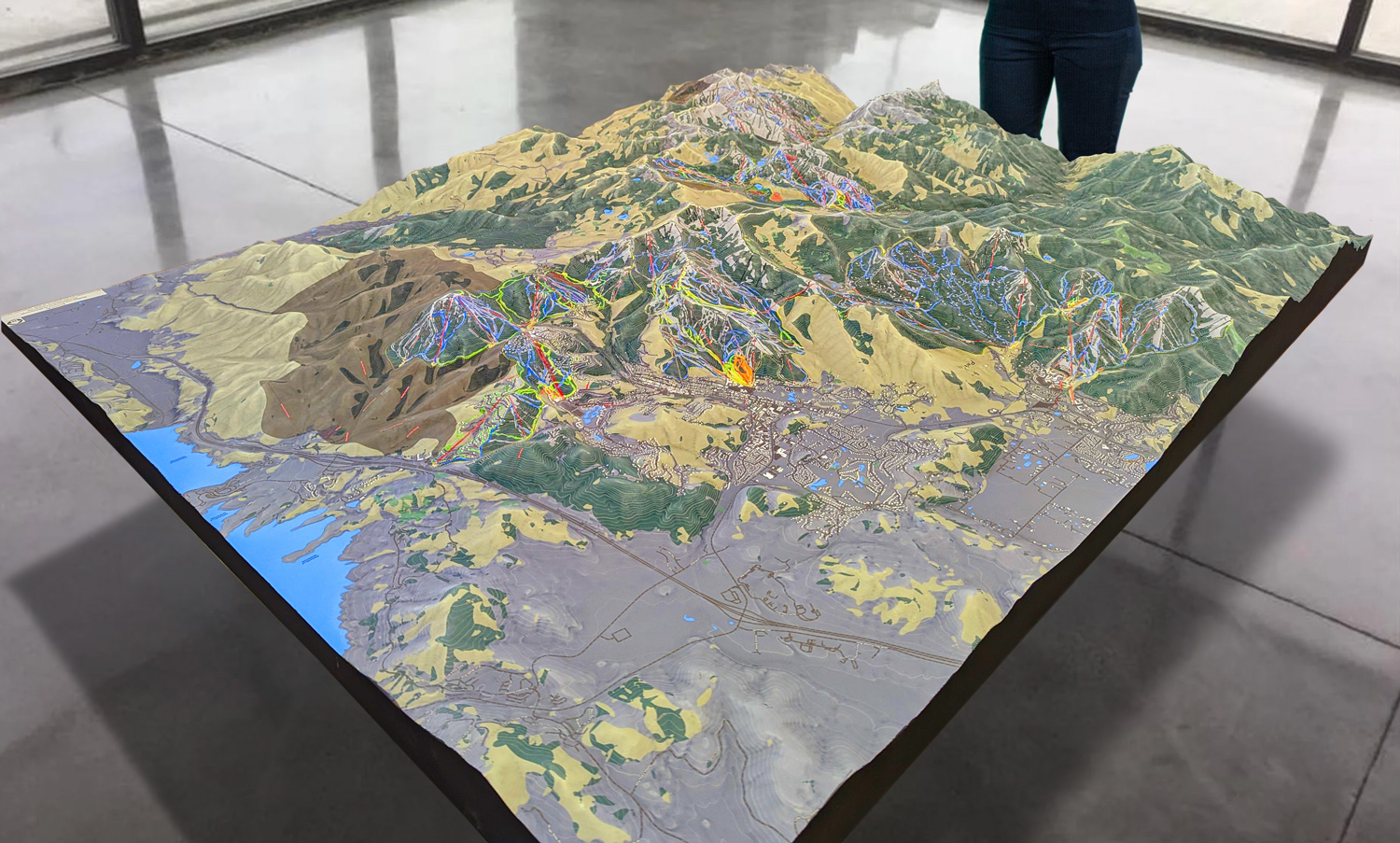
Augmented reality and 3D mapping are beginning to offer new ways to visualize property boundaries and structures in physical space. These innovations promise to make property maps even more accessible and engaging, bridging the gap between digital data and real-world experience.
Yet even as tools evolve, the core purpose of the property map remains the same: to clarify, inform, and connect people to the land they use and value.
Why Property Maps Will Always Matter
Land is fundamental to human life, and understanding it requires more than words. Property maps provide a visual anchor in a complex system of ownership, regulation, and geography. They empower individuals to make informed decisions, resolve disputes, and plan for the future. Whether printed on paper or displayed on a screen, a property map is a quiet but powerful guide. It turns abstract concepts into something tangible, helping people see not just where they are, but where they stand.