

Unveiling the Art, Science, and Impact of Trade Show Displays
Trade shows are electric. The lights are brighter, the aisles are louder, and the competition is fiercer than almost any other marketing battlefield. Among the countless booths that line an exhibition hall, one element consistently determines who gets noticed and who gets overlooked: the trade show display. These towering structures of branding, design, and storytelling are far more than just backdrops; they’re powerful marketing machines engineered to attract, inform, and persuade. But what exactly are trade show displays, how are they built, and why do they matter so much in the modern business landscape? Let’s step behind the curtain and explore.
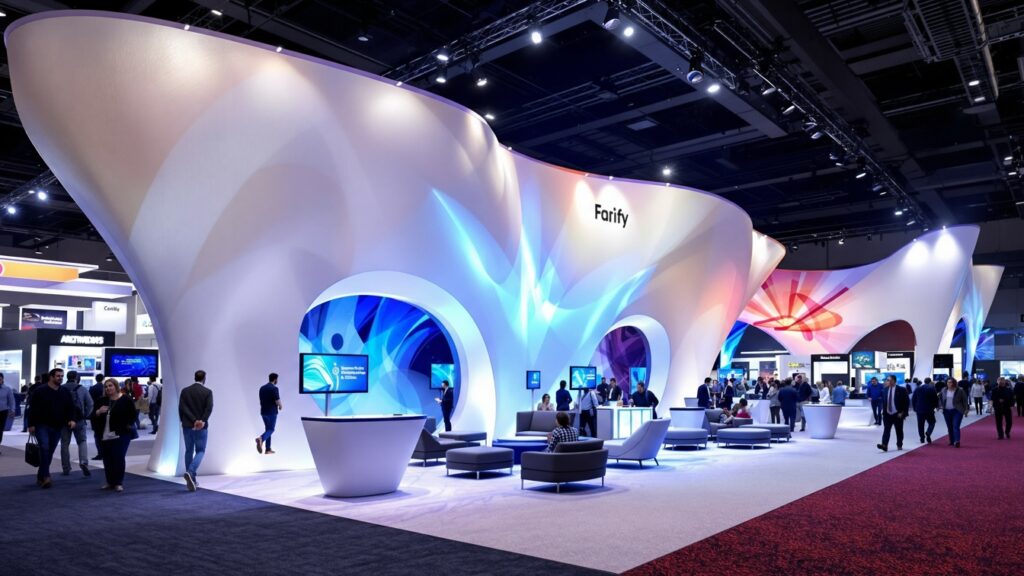
The Heart of Trade Show Marketing
At its core, a trade show display is the physical representation of a brand in a temporary but high-stakes environment. Companies rent a space—sometimes a modest 10×10 booth, sometimes sprawling 50×50 islands—and fill it with structures that shout, whisper, or sing their message to potential customers. These displays combine graphics, architecture, lighting, digital technology, and physical interaction to create an unforgettable experience in a space where attention spans are measured in seconds.
A well-designed trade show display is essentially an ambassador. It introduces a company, sets the tone of its identity, and gives visitors reasons to stop, linger, and engage. Without it, a booth is just a patch of carpet and a folding table. With it, the booth transforms into a stage where deals are sparked, partnerships are born, and products come to life.
Why Trade Show Displays Matter
Trade show displays are more than decorative walls; they are strategic investments. Exhibitors know that events are packed with competitors vying for the same eyeballs. A strong display levels the playing field. It signals professionalism, builds credibility, and suggests that the company behind it is serious about innovation. The psychological power of these displays is immense. People instinctively gravitate toward well-lit, thoughtfully designed spaces. They associate polished graphics and bold branding with trustworthiness and authority. A great display makes a visitor feel like they’ve walked into the future of an industry, even if they’re still standing on a convention center floor. In short, a trade show display is a company’s chance to make a first impression that sticks.
The Evolution of Trade Show Displays
Trade show displays weren’t always the towering LED-backed marvels we see today. In the early days of exhibitions, businesses showed up with little more than product samples and hand-painted signs. Over time, as trade shows grew in scale and competition intensified, displays evolved into complex visual narratives.
The 1980s and 1990s saw a boom in modular displays: lightweight aluminum frames, printed fabric graphics, and simple lighting systems. By the 2000s, technology began playing a starring role, with flat-screen monitors, projection systems, and interactive kiosks taking center stage.
Today’s displays are immersive experiences. Companies integrate VR headsets, LED walls that stretch floor to ceiling, and touch-screen demo stations that allow visitors to try products digitally. What was once a glorified billboard has become a three-dimensional marketing ecosystem.
Types of Trade Show Displays
Though trade show displays vary wildly in size, budget, and design, they generally fall into a few recognizable categories.
Inline Booths
The most common, these are standard 10×10 or 10×20 spaces lined up in rows. Displays for these booths often use modular backwalls, fabric graphics, and shelving. Creativity is crucial here because space is limited.
Island Exhibits
Reserved for companies that go big, island exhibits are surrounded on all sides by aisles. This gives designers the freedom to build tall towers, dramatic arches, and multi-directional branding. Islands are magnets for attention.
Peninsula Booths
With three sides open to traffic, peninsulas strike a balance between accessibility and scale. Their displays typically feature large overhead signage and interactive zones.
Portable Displays
Not every exhibitor has the budget for towering structures. Portable displays—pop-up frames, banner stands, and collapsible fabric walls—offer mobility and affordability without sacrificing branding impact.
Custom Builds
The crown jewel of trade show marketing, custom builds are designed from the ground up for a single brand. These can resemble mini showrooms, futuristic lounges, or even entire cityscapes, all engineered to leave a lasting impression.
The Building Blocks of a Great Display
To the untrained eye, trade show displays look like a mash-up of banners, counters, and lights. But to designers, they are symphonies of branding, engineering, and psychology.
The foundation is structure: lightweight aluminum or steel frames that support fabric panels, graphic walls, or custom cabinetry. Layered onto this skeleton are bold graphics, often printed on tension fabric that stretches across frames for a seamless look. Lighting highlights key areas, whether it’s a new product or the company logo. Flooring sets the mood, ranging from plush carpet to glossy faux-wood panels.
Beyond the basics, designers often add towers for visibility, hanging signs that can be seen from across the convention hall, and hospitality areas where conversations turn into deals. Every inch of the display is choreographed to lead visitors from curiosity to engagement.
The Role of Storytelling in Displays
A booth isn’t just a structure; it’s a story told in three dimensions. Visitors aren’t interested in being sold to—they’re interested in being immersed. The most effective trade show displays craft narratives that align with the brand’s values and aspirations.
For example, a tech company might design a futuristic environment with glowing blue accents and sleek surfaces, suggesting innovation and forward thinking. A food brand might create a cozy kitchen atmosphere, complete with aromas and textures that evoke comfort. A travel company might incorporate giant scenic backdrops that instantly transport visitors to exotic destinations.
This storytelling is what separates a generic display from a magnetic one. It invites people to not only see the brand but feel it.
Fabrication: How Trade Show Displays Are Made
The fabrication of a trade show display is a fascinating blend of art, engineering, and craftsmanship.
- Concept and Design: It begins with collaboration between a company’s marketing team and a display house. Designers sketch concepts, render 3D models, and plan traffic flow.
- Engineering: Once a concept is approved, engineers translate designs into buildable structures. They consider weight limits, shipping logistics, and fire safety codes.
- Materials: Displays are fabricated from lightweight but durable materials. Aluminum frames are popular for their strength-to-weight ratio. Fabric graphics are dye-sublimated for rich colors. Wood, acrylic, and laminates are often used for counters, shelving, and product showcases.
- Fabrication: Skilled craftsmen cut, weld, paint, and assemble components. Graphics are printed, stretched, and tested for alignment. Lighting and electronics are wired in, from LED strips to touch-screen kiosks.
- Assembly and Testing: Before shipping, the display is set up in a warehouse to ensure all parts fit together seamlessly. Any adjustments are made before the pieces are packed for transport.
- Installation on Site: At the show, crews unpack, assemble, and fine-tune the display, often within a tight setup window. By opening day, the booth looks effortless—but behind the scenes, it’s the result of hundreds of hours of craftsmanship.
The Technology Factor
Trade show displays have entered the digital age. Screens are everywhere, from small touch-panels to massive LED video walls. Companies use these tools to loop branded videos, run product demos, or even display real-time social media feeds. Augmented reality and virtual reality have also become crowd-pullers. Imagine stepping into a VR headset at a booth and suddenly being transported to a factory floor, a luxury resort, or the inside of a new piece of machinery. These immersive experiences go far beyond static signage—they allow visitors to live the story. Technology doesn’t just impress; it measures. Interactive kiosks can capture visitor data, track engagement, and provide analytics that inform future marketing decisions.
Branding That Sticks
One of the most underrated aspects of trade show displays is brand consistency. Companies that nail this make every detail align: logos, colors, fonts, messaging, and even staff attire. Visitors walking by should instantly connect the booth with the brand without needing to read a sign. The display becomes a 3D extension of the company’s website, ads, and packaging. Consistency builds familiarity, and familiarity builds trust. When the booth, the product, and the pitch are all aligned, the brand becomes unforgettable.
The Visitor Experience
Trade show success isn’t measured by how flashy a booth looks, but by how it makes visitors feel. Great displays are designed with people in mind. They consider flow: where visitors enter, where they linger, and where they exit. They create zones for quick conversations, in-depth demos, and private meetings. They use lighting, sound, and even scent to create an atmosphere that feels welcoming rather than overwhelming. A memorable visitor experience often combines sensory impact with personal interaction. A stunning booth gets someone in the door, but it’s the conversation with a friendly, informed staff member that turns interest into opportunity.
Cost Considerations
Not all trade show displays cost a fortune, but they do represent an investment. Portable pop-up displays can be purchased for a few thousand dollars, while custom-built island exhibits can easily run into six figures. Costs don’t end with construction; shipping, drayage, installation, dismantle, and storage all add to the total. Companies weigh these expenses against the potential return: new clients, strengthened partnerships, and heightened brand visibility. For many, the payoff is worth it. A single deal signed at a show can offset the entire year’s exhibit budget.
Trends Shaping the Future of Trade Show Displays
Like any form of marketing, trade show displays evolve with trends. Sustainability has become a major force, with companies opting for recyclable materials, LED lighting, and modular systems that reduce waste.
Minimalism is another trend. Instead of cluttered graphics and crowded spaces, exhibitors are embracing clean, open designs that let products and experiences shine.
Hybrid experiences are on the rise too. In an era of digital connectivity, booths are incorporating livestreaming, remote presentations, and QR-based digital takeaways that extend the reach of the display far beyond the show floor.
Mistakes to Avoid
For all their potential, trade show displays can go wrong. Common mistakes include overcrowding a booth with too much information, neglecting lighting, or ignoring visitor comfort. Some companies invest heavily in flashy displays but fail to train staff, leading to underwhelming experiences. Others cut corners on fabrication, resulting in structures that look cheap or fall apart mid-show.
The golden rule is simple: design with the visitor in mind, not the exhibitor’s ego. A booth that prioritizes clarity, comfort, and engagement will always outperform one that tries too hard.
The Big Payoff
At the end of a trade show, when the carpet is rolled up and the crates are wheeled out, what lingers isn’t just the structure of the display but the impressions it created. A great trade show display is a memory machine. It’s what makes someone think, “I remember that company,” weeks later when they’re back in their office deciding who to partner with. Displays aren’t just walls and graphics; they’re opportunities packaged in aluminum, fabric, and light. They’re proof that even in the digital age, face-to-face marketing powered by immersive experiences still matters—and maybe matters more than ever.
Final Thoughts
So, what are trade show displays? They are the art and science of being unforgettable in a crowded room. They’re the fusion of branding, architecture, and human psychology, carefully crafted to turn passing glances into meaningful conversations.
Whether it’s a simple pop-up backdrop or a massive custom-built island, a trade show display is the heartbeat of an exhibit. It’s the stage on which brands perform, compete, and connect. In a world of endless digital distractions, trade show displays remind us that the power of real-world experiences can’t be replaced. The next time you walk through an exhibition hall and find yourself drawn to a booth you just have to step into, take a moment to appreciate the unseen hours of design, fabrication, and storytelling that went into creating that experience. That, in its purest form, is the magic of a trade show display.
Check out WhiteClouds’ 3D Props for more information.
Contact us today to learn more about our 3D services and how we can help you achieve your goals.