Statues for Religious and Cultural Events
We Build Custom 3D Statues
Sculptural Symbols That Unite Faith, Tradition, and Community
Religious and cultural events are moments when communities come together to remember, celebrate, mourn, and reaffirm shared values. These gatherings often rely on ritual, symbolism, and visual storytelling to convey meaning across generations. Statues play a uniquely powerful role in these settings. They transform belief and tradition into tangible form, giving people something physical to gather around, honor, and reflect upon. Unlike permanent monuments, statues created for religious and cultural events often exist within a specific moment in time. They may appear during festivals, processions, holidays, or commemorations, and then be stored, relocated, or ceremonially retired. This temporary or semi-permanent nature makes them especially meaningful. They are not just objects to be seen, but participants in the event itself.

Why Statues Matter in Religious and Cultural Contexts
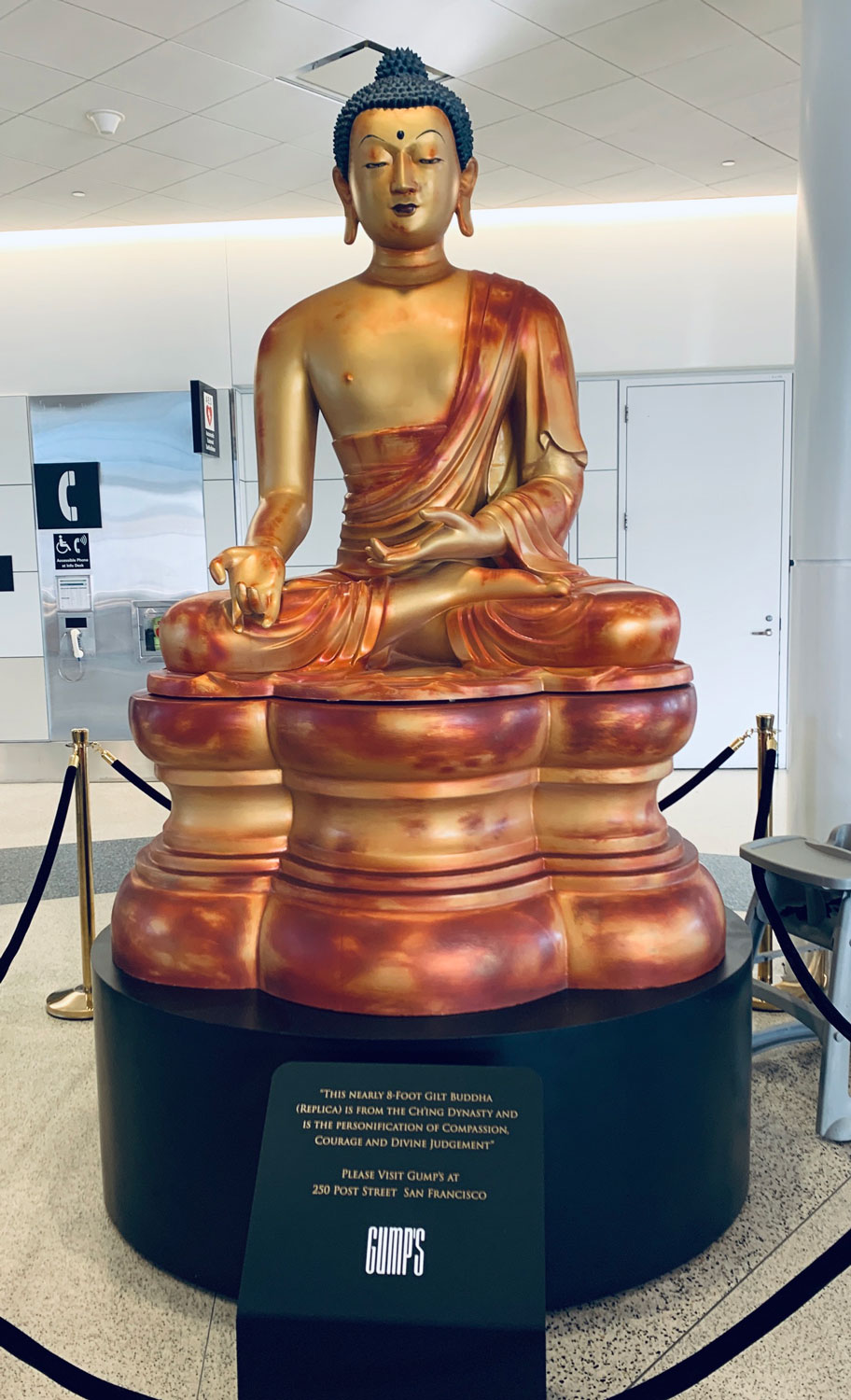
Statues speak a universal visual language. They communicate across spoken languages, literacy levels, and generations. In religious and cultural events, this universality is essential. A single sculptural figure can convey devotion, sacrifice, hope, or celebration without explanation.
For many traditions, statues become focal points of ritual. They guide movement during processions, anchor altars and stages, and provide a physical presence for prayer, offerings, or reflection. Even for observers or visitors unfamiliar with the tradition, the statue provides an entry point—an immediate sense that something meaningful is happening.
Sacred Figures, Ancestral Symbols, and Mythic Forms
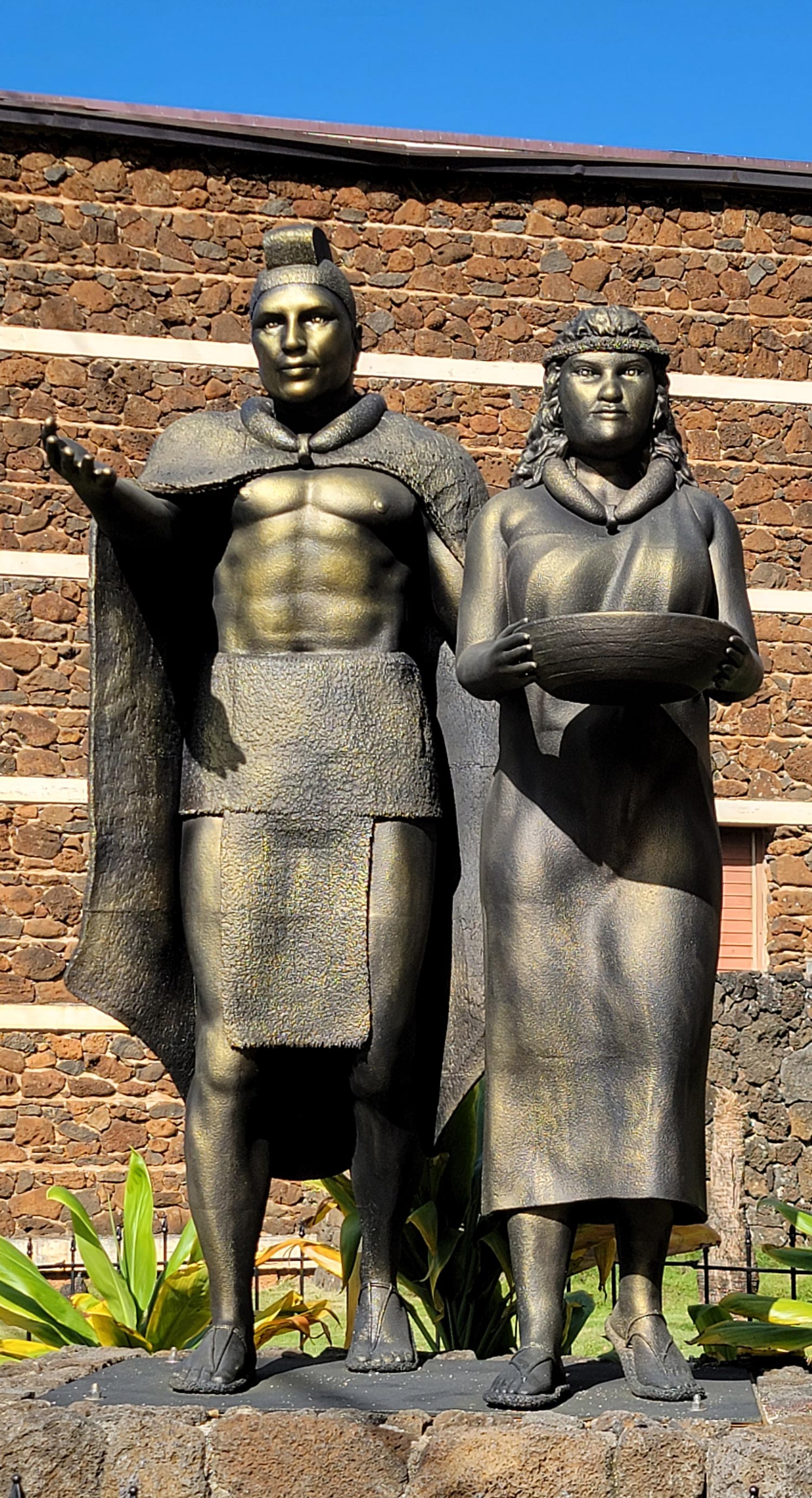
Statues for religious events often depict sacred figures, deities, saints, or spiritual archetypes. These representations are approached with care and reverence, emphasizing posture, gesture, and expression as much as physical accuracy. A bowed head, open hands, or upward gaze can carry profound theological meaning. Cultural events frequently draw from ancestral figures, folklore, or mythic characters. These statues celebrate heritage and identity, reminding communities of where they come from and what they stand for. In festivals, these figures may be larger than life, intentionally theatrical, and designed to be seen from a distance amid crowds, music, and movement.
Temporary Installations with Lasting Impact
Many religious and cultural statues are designed for temporary installation, yet their impact often outlives the event itself. A statue unveiled during a festival may become the defining image of that celebration, appearing in photographs, videos, and shared memories for years to come.
Temporary statues offer creative freedom. Artists can experiment with scale, materials, and form without the constraints of permanent installation. This allows for bold visual statements that heighten the emotional intensity of the event. Despite their temporary nature, these statues are often crafted with exceptional detail and care, honoring the significance of the moment they represent.
Processions, Parades, and Public Rituals
In many cultures, statues are not static. They move through streets, carried by participants or mounted on platforms and floats. These processional statues create a powerful sense of shared purpose. As the figure moves, the community moves with it, transforming public space into sacred or ceremonial ground. Designing statues for movement introduces unique challenges. Weight, balance, and durability become critical considerations. The statue must maintain its visual impact while being safely transported, sometimes over long distances or uneven terrain. When done successfully, the result is a living sculpture that transforms motion into meaning.
Scale, Presence, and Crowd Dynamics
Statues for religious and cultural events must be carefully scaled to their environment. Large crowds require statues that can be seen clearly without becoming overwhelming. The goal is presence, not dominance. A statue should feel approachable and inspiring rather than intimidating. Human-scaled figures often work well in intimate ceremonies, while larger-than-life statues suit outdoor festivals and public gatherings. Designers consider sightlines, crowd flow, and interaction, ensuring that the statue enhances the experience without obstructing movement or visibility.
Materials That Balance Symbolism and Practicality
Material selection for event statues balances symbolism, weight, durability, and cost. Traditional materials like wood and clay carry deep cultural significance in many traditions, connecting the statue to ancestral craftsmanship. These materials are often favored for their tactile warmth and authenticity.
Modern materials such as resin, foam, and fiberglass allow for greater scale and complexity while remaining lightweight and transportable. When finished skillfully, these materials can achieve a level of realism or artistry that rivals traditional mediums. The choice of material often reflects both practical needs and symbolic intent.
Fabrication: Bringing Tradition to Life
The fabrication process for religious and cultural event statues begins with deep research and consultation. Artists work closely with religious leaders, cultural historians, and community representatives to ensure accuracy and respect. Every detail—from facial expression to hand position—may carry specific meaning. Concept designs are developed through sketches, digital renderings, or small maquettes. Once approved, full-scale models are created using clay, foam, or digital sculpting techniques. Digital tools allow for precise scaling and symmetry, while hand-sculpted models bring organic nuance.
Molds are then produced for casting or fabrication. Lightweight internal frameworks provide structural support, especially for statues intended to be carried or transported. Surface finishing is a critical stage, with paints, patinas, or coatings applied to achieve the desired visual effect while protecting the statue during the event.
Installation and setup are often ceremonial in themselves. Statues may be unveiled at a specific moment, accompanied by music, prayer, or procession. This moment of arrival reinforces the statue’s role as a central participant in the event.
Respect, Reverence, and Cultural Sensitivity
Creating statues for religious and cultural events requires sensitivity and humility. These sculptures are not merely artistic expressions; they are embodiments of belief and identity. Artists and organizers must approach the process with respect, ensuring that representations align with tradition and community expectations. This sensitivity extends to how statues are handled, displayed, and stored. Many traditions include specific rituals for installation and removal, acknowledging the statue’s symbolic importance beyond its physical form.
Community Involvement and Shared Ownership
One of the most powerful aspects of event statues is their ability to foster community involvement. In many cases, local artisans, volunteers, and community members participate in the creation or preparation of the statue. This collaborative process strengthens collective ownership and pride.
When people see themselves reflected in the statue’s story or creation, the event becomes more meaningful. The statue is no longer just something to look at; it becomes a shared achievement and symbol of unity.
Modern Trends in Event Sculpture
Contemporary religious and cultural events increasingly blend tradition with innovation. Statues may incorporate subtle lighting, kinetic elements, or modular designs that allow for reuse across multiple events. These innovations enhance visual impact while respecting tradition. Sustainability is also becoming a priority. Reusable frameworks, eco-friendly materials, and modular components reduce waste while allowing statues to evolve year after year. This approach aligns with both environmental values and long-term event planning.
Emotional Resonance and Collective Memory
Statues for religious and cultural events leave deep emotional impressions. They often become the images people remember most vividly—the figure illuminated at dusk, the statue carried through cheering crowds, the quiet moment of reflection before a ceremony begins.
These memories endure long after the statue is stored away. Photographs, stories, and shared experiences keep the sculpture alive in collective memory, reinforcing cultural continuity across generations.
Beyond the Event: Legacy and Continuity
Some event statues eventually become permanent installations, placed in temples, community centers, or public spaces. Others are recreated year after year, evolving slightly while maintaining their core symbolism. In both cases, the statue becomes part of an ongoing tradition. This continuity is what makes religious and cultural event statues so powerful. They connect past, present, and future, reminding communities of who they are and what they value.
Sculpting Meaning Into Moments
At their best, statues for religious and cultural events do more than decorate a celebration. They give form to belief, identity, and shared emotion. They invite participation, reflection, and reverence in equal measure.
In a world of fleeting digital experiences, these physical symbols ground communities in something real. They remind us that some moments deserve to be seen, touched, and remembered—carved not just into memory, but into form.