
Statues as Photo-Op Attractions: Where Art, Tourism, and Social Media Collide
There’s a reason people line up in the heat, the rain, and the cold to snap a photo beside a towering superhero, a glittering heart sculpture, or a colossal animal rising from a city plaza. Statues as photo-op attractions have transformed public spaces into interactive stages, turning visitors into participants and everyday landmarks into viral sensations. From iconic city monuments to pop-up event installations, photo-worthy statues now serve a powerful dual purpose: they are works of art and engines of engagement. In a world driven by social sharing, these sculptural landmarks have become magnets for tourism, branding, and unforgettable experiences. This is the story of how statues evolved from silent observers of history into center-stage attractions—and why they’re more relevant than ever.
The Rise of the Photo-Op Culture
The concept of posing beside a statue isn’t new. Travelers have long photographed themselves next to monumental works like the Statue of Liberty or Christ the Redeemer. But in the age of Instagram, TikTok, and location-tagged posts, the stakes have changed.
Today’s statues are designed with photography in mind. They aren’t just meant to be admired from a distance. They are meant to be approached, framed, interacted with, and shared.
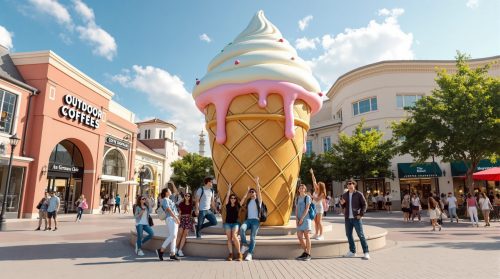
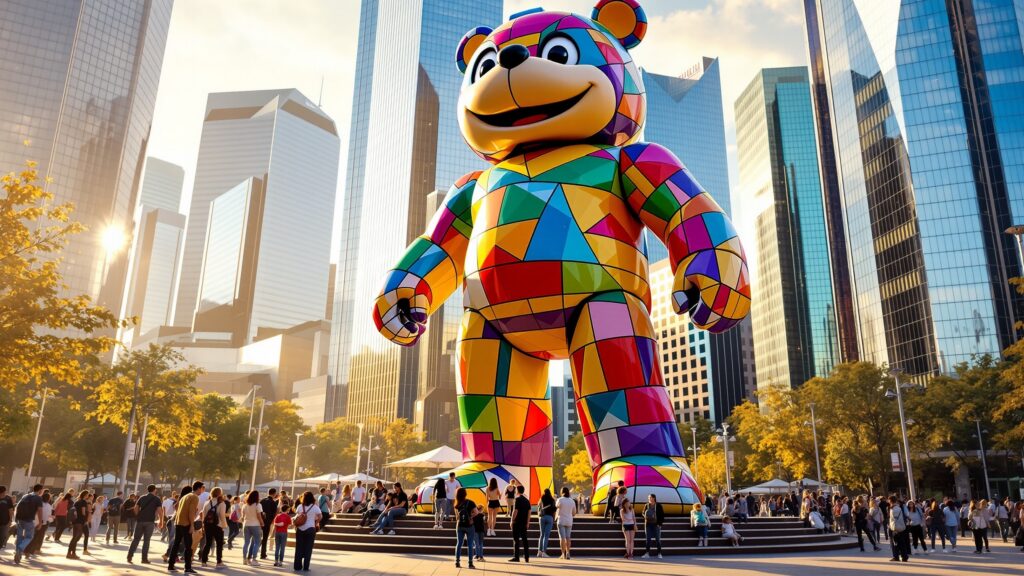
A giant pair of angel wings invites visitors to step into the artwork. A larger-than-life coffee cup sculpture outside a café becomes a marketing tool. A city installs a bold, colorful mascot statue downtown, and suddenly there’s a new must-see landmark for tourists.
The shift is subtle but powerful. Statues are no longer passive monuments; they are interactive attractions engineered for engagement.
Why Statues Make Perfect Photo-Op Attractions
Statues are visually commanding. They command attention through scale, color, texture, and subject matter. Unlike flat murals or signage, they occupy physical space. They create depth. They cast shadows. They interact with natural light.
This three-dimensional presence makes them perfect for photography. Visitors can walk around them, find unique angles, experiment with perspective, and create dynamic compositions. The statue becomes both backdrop and co-star.
Scale is especially important. A statue that is dramatically oversized—whether it’s a 15-foot ice cream cone or a 20-foot robot—creates immediate visual impact. The size difference between human and sculpture adds drama and whimsy to photos.
Color also plays a major role. Bold, saturated hues pop in social feeds. Reflective metallic finishes shimmer under sunlight. Matte finishes photograph beautifully under diffused lighting.
Most importantly, statues create a sense of place. They become identifiers. “Meet me by the giant bear.” “Take a photo with the downtown heart.” They anchor a memory to a location.
Types of Photo-Op Statues That Draw Crowds
Across cities, festivals, and commercial spaces, certain types of statues consistently attract attention and cameras.
- Character statues are perennial favorites. Superheroes, mascots, animals, fantasy creatures, and pop-culture-inspired figures create instant recognition and emotional connection. People are drawn to familiar shapes and personalities.
- Abstract and symbolic sculptures are equally powerful. Giant geometric forms, hearts, wings, or interactive letters spelling a city’s name invite creative posing and playful experimentation.
- Hyper-realistic sculptures, on the other hand, blur the line between art and reality. A lifelike bronze child reaching toward the sky or a detailed wildlife sculpture emerging from water invites closer inspection and thoughtful photography.
- Themed statues for events and expos—robot replicas, cinematic creatures, historical reenactment figures—add immersive storytelling to temporary spaces.
No matter the theme, the common denominator is visual intrigue.
The Psychology Behind the Pose
Why do people feel compelled to pose with statues?
Part of it is human scale comparison. Standing beside something larger-than-life creates a sense of wonder. It reminds us of childhood imagination when everyday objects seemed magical and monumental.
There’s also a desire for connection. People don’t just photograph the statue—they photograph themselves with the statue. The image becomes proof of experience. It says, “I was here.”
Statues serve as social signals. When shared online, they become conversation starters. A striking sculpture backdrop increases the likelihood of engagement, likes, and shares.
From a marketing standpoint, this is powerful. Each shared photo becomes free advertising for the location, brand, or event.
Statues in Urban Revitalization
Cities around the world are investing in large-scale sculptures to revitalize neighborhoods and attract tourism. A single eye-catching statue can redefine an entire district. When strategically placed in plazas, parks, or waterfronts, statues create gathering points. Cafés benefit from increased foot traffic. Local businesses see an uptick in visitors who came “just to see the statue.” Over time, these installations become part of the city’s identity. Think of how certain sculptures become synonymous with their location. They appear in travel guides, postcards, and promotional materials. For emerging neighborhoods, a bold sculptural centerpiece can serve as a catalyst for development.
Statues for Events, Expos, and Brand Activations
Beyond permanent city installations, photo-op statues play a huge role in temporary events. Fan expos, trade shows, music festivals, and pop-up experiences often rely on sculptural installations to create immersive environments. A life-sized robot replica at a tech convention, a towering fantasy creature at a comic expo, or a massive product sculpture at a brand launch becomes the visual heartbeat of the event.
These statues draw lines of attendees eager to capture the moment. In doing so, they amplify the event’s online presence exponentially. Brands, in particular, recognize the value of interactive sculptures. A giant version of a recognizable product shape becomes a three-dimensional advertisement—far more engaging than a banner or billboard.
Designing a Statue for Maximum Photo Impact
Creating a successful photo-op statue requires thoughtful planning. It’s not just about making something big.
Designers must consider viewing angles. Where will people stand? What background will appear in the frame? Is there enough space for crowds?
Lighting is critical. Outdoor installations must account for shifting sunlight throughout the day. Indoor statues need strategic spotlighting to avoid harsh shadows or flat lighting.
Durability is another factor. Photo-op statues invite touch. People lean on them, hug them, and sometimes climb them. The structure must be engineered for safety and resilience.
Finally, the design must tell a story. A statue that evokes emotion—joy, nostalgia, awe—will always outperform one that feels generic.
How Photo-Op Statues Might Be Fabricated
Behind every towering sculpture is a complex fabrication process blending art, engineering, and technology.
The process typically begins with concept development. Designers sketch ideas or create digital 3D models using advanced modeling software. These models allow precise scaling and structural planning.
Next comes structural engineering. If the statue is large, an internal armature or steel frame is often required to support weight and maintain stability. Engineers calculate wind load, weight distribution, and anchoring requirements, especially for outdoor installations.
Materials vary depending on budget, location, and purpose. Common fabrication materials include fiberglass, resin, high-density foam, steel, aluminum, bronze, and reinforced concrete. For temporary event installations, lightweight materials like foam coated in hard resin are often used to reduce cost and simplify transport.
Large statues are frequently constructed in sections. These segments are fabricated in workshops, then transported and assembled on-site. Seam lines are smoothed and finished to create a seamless appearance.
Surface finishing is where artistry shines. Sculptors refine textures, add intricate details, and apply paint or specialized coatings. Automotive-grade paints are often used for vibrant color and durability. Protective clear coats shield against UV rays and weather.
For hyper-realistic statues, silicone and advanced sculpting techniques may be used to achieve lifelike detail. For metallic finishes, patinas or powder coatings provide both aesthetic appeal and longevity.
Installation is the final stage. Cranes, lifts, and professional rigging crews ensure safe placement. Anchoring systems secure the statue to foundations, particularly in high-traffic public areas.
In short, creating a photo-op statue is as much an engineering project as it is an artistic endeavor.
Safety and Compliance Considerations
Public sculptures must adhere to safety standards. Edges are rounded to prevent injury. Surfaces are tested for slip resistance. Weight-bearing areas are reinforced.
In many cities, permits and inspections are required before installation. Structural integrity, fire resistance for indoor displays, and accessibility considerations all factor into the approval process. A well-designed statue balances visual appeal with public safety.
The Economics of Instagrammable Landmarks
From a business perspective, statues as photo-op attractions often deliver measurable returns.
Tourism boards use them to drive destination marketing. Shopping centers install them to increase dwell time. Events leverage them to generate organic social media buzz.
The cost of fabrication may seem significant, but the long-term promotional value can far outweigh the initial investment.
When visitors share images tagged with a location, they create a ripple effect. Friends see the post, add the destination to their wish list, and plan their own visit.
This cycle turns a single sculpture into a powerful marketing asset.
Sustainability in Modern Statue Fabrication
As environmental awareness grows, many fabricators are exploring sustainable materials and methods.
Recycled metals, eco-friendly resins, and responsibly sourced composites are becoming more common. Some installations incorporate solar-powered lighting or modular designs that allow components to be reused for future events.
Sustainable fabrication doesn’t diminish visual impact. In fact, environmentally conscious design can enhance a statue’s story and public perception.
The Future of Interactive Sculptures
Technology is pushing photo-op statues into new territory. Integrated LED lighting can change colors at night, creating dynamic visual experiences. Augmented reality apps allow visitors to see digital animations layered over physical sculptures. Motion sensors trigger sound or light effects when someone approaches.
Despite these innovations, the core appeal remains the same: people want to step into the frame. As cities and brands compete for attention in an increasingly visual world, statues will continue to evolve into immersive storytelling tools.
Why We’ll Always Love Posing with Giants
At its heart, the appeal of statues as photo-op attractions is simple. They spark joy. They create scale. They invite participation. Whether it’s a polished bronze monument, a whimsical fiberglass mascot, or a futuristic robot installation at an expo, these sculptures transform space into experience. They give us something to stand beside, something to touch, something to remember. And in a world overflowing with digital content, the most powerful images are still those rooted in physical presence. Statues remind us that art can be monumental, interactive, and unforgettable—all at once.