Mistakes to Avoid With Trade Show Displays

Mistakes to Avoid With Trade Show Displays

We Build Custom 3D Trade Show Display Props

Did you know we make

3D Props

Mistakes to Avoid With Trade Show Displays (1)

The Biggest Display Mistakes—and How to Steer Clear of Them

Trade shows can make or break a brand’s marketing strategy. A single show may attract thousands of potential clients, partners, and investors, all looking for companies that stand out. But in a hall packed with competitors, attention is fleeting. A great display pulls people in and sparks curiosity. A poor one not only fails to do that but may actively harm a brand’s credibility. Attendees equate sloppy design, dim lighting, or cluttered visuals with lack of professionalism. In other words, mistakes don’t just waste money—they damage reputation. Understanding the stakes is the first step. If your booth is your brand’s stage, you can’t afford to stumble.

Mistakes to Avoid With Trade Show Displays

Mistake 1: Overcrowding the Booth

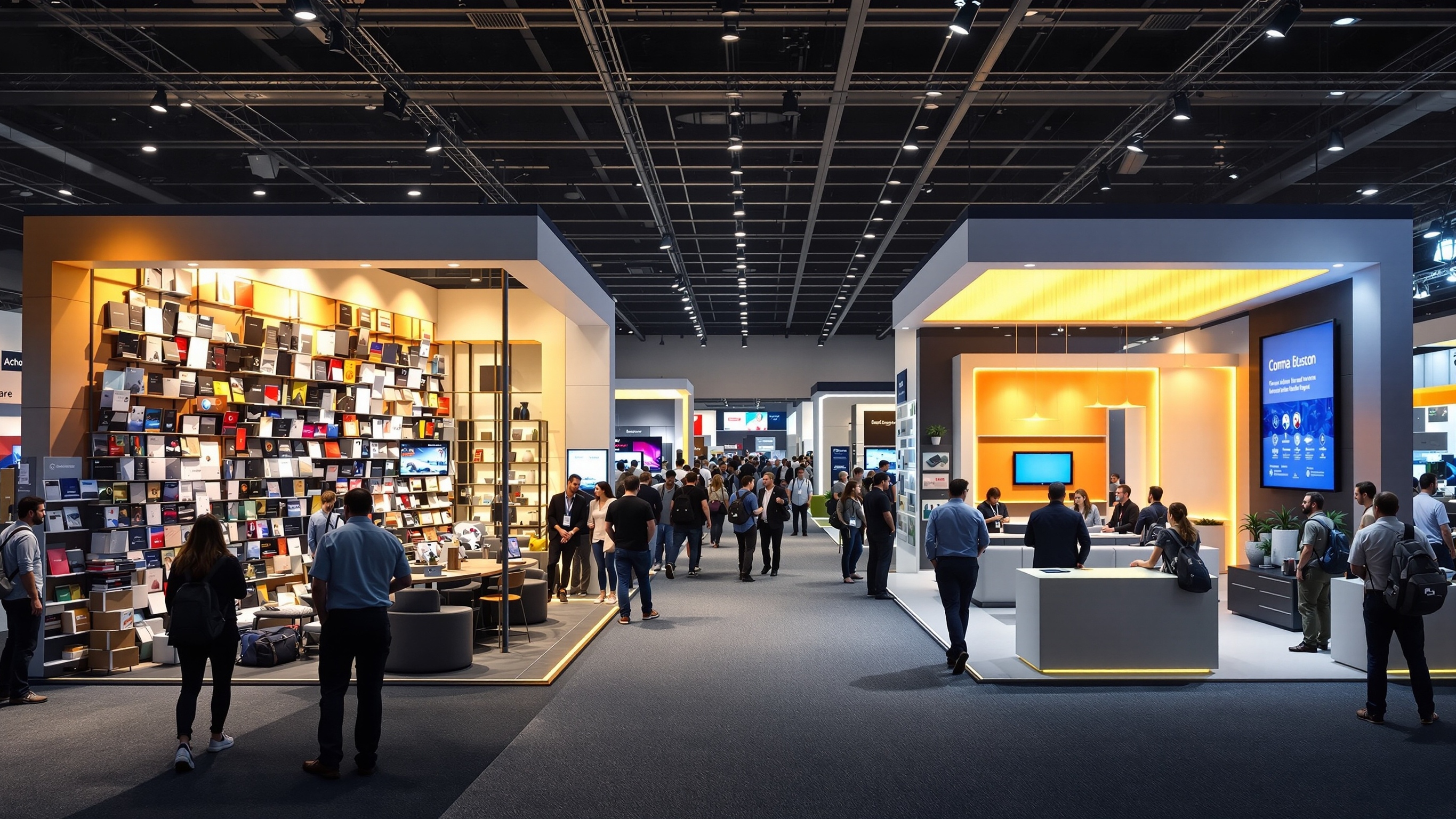
One of the most common errors is trying to cram too much into a limited space. Companies eager to showcase every product or message often overwhelm visitors with visuals, brochures, and clutter. Instead of intrigue, the booth delivers sensory overload. Crowded booths also create traffic jams, making it uncomfortable for attendees to linger. The result? Visitors glance, shrug, and move on. Less truly is more. A focused, clean design gives breathing room and allows the brand’s key message to shine.

Mistake 2: Neglecting Lighting

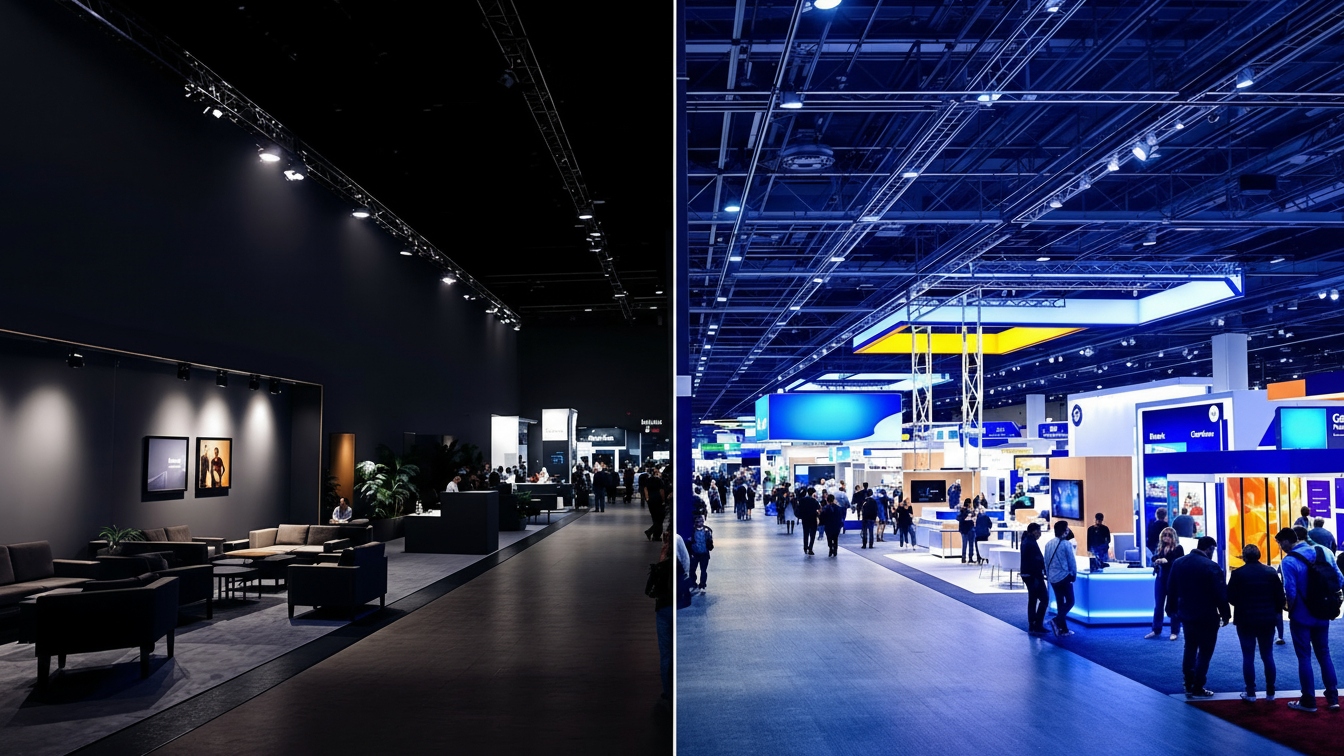
Imagine attending a concert where the performers stood in the dark. That’s what a poorly lit booth feels like. Lighting is not decoration; it’s one of the most powerful tools in a display. Too many companies rely on the harsh overhead convention hall lighting. This flattens colors, makes graphics look dull, and leaves products in shadow. Strategic lighting—spotlights, LED strips, and accent lights—creates depth, drama, and focus. Neglecting it is like turning down the volume on your brand’s story.

Mistake 3: Forgetting About Visitor Flow

A booth is more than walls and signage—it’s an experience. One of the worst mistakes is failing to consider how visitors will move through the space. Poorly arranged furniture, blocked entrances, or confusing layouts frustrate attendees. Instead of naturally flowing from introduction to product to conversation, visitors feel trapped or lost. Great booths are choreographed like theater sets: every step leads deeper into the brand story.

Mistake 4: Weak Branding

Generic booths are forgettable. If your display doesn’t clearly communicate who you are and what you do, you’ve missed the point. Weak branding often comes from inconsistent colors, fonts, or messaging. Sometimes it’s caused by reusing outdated graphics that don’t match the brand’s current identity. The result? Visitors leave without remembering your name. Strong branding ensures that even a quick glance leaves an impression.

Mistake 5: Ignoring Technology

Trade show attendees expect more than static graphics. In today’s digital-first world, failing to incorporate technology is a missed opportunity. Displays without screens, interactive demos, or digital engagement feel dated. Meanwhile, competitors using video walls, touchscreens, or augmented reality capture the crowd’s imagination. Technology doesn’t have to be overwhelming, but ignoring it altogether makes a booth fade into the background.

Mistake 6: Poor Fabrication Planning

A gorgeous design is meaningless if it falls apart in fabrication. Too often, companies overlook how their booths will actually be built, shipped, and assembled. Weak fabrication can lead to crooked walls, graphics that don’t fit, or structures that wobble. Not only is this embarrassing, but it can also be unsafe. Booths are temporary structures, but they must be durable enough to handle crowds, transport, and multiple shows. Neglecting fabrication planning is one of the costliest mistakes you can make.

Mistake 7: Not Training Staff

A trade show display is only as good as the people working inside it. Many companies spend months perfecting the booth design but neglect staff training. Unprepared representatives who sit behind tables, scroll on phones, or fail to engage drive visitors away. No matter how stunning your display is, human connection seals the deal. A booth without trained, enthusiastic staff is like a stage without actors.

Mistake 8: Skipping the Test Assembly

Imagine arriving at the show and discovering your graphics don’t align, your counters wobble, or your lighting doesn’t work. This nightmare happens when companies skip the test assembly stage. Every display should be fully set up in a warehouse before it’s shipped. This allows time to identify flaws, adjust designs, and fix issues before the high-stakes environment of the trade show floor. Skipping this step is gambling with your brand’s first impression.

Mistake 9: Failing to Budget for the Whole Journey

Many exhibitors think only about the upfront cost of fabrication. They forget about shipping, drayage, installation, dismantling, and storage. These expenses can double or triple the cost of a booth. Failing to budget realistically often leads to cutting corners, whether in design, materials, or staff support. A great display requires financial planning across its entire lifecycle, not just its creation.

Mistake 10: Ignoring Comfort and Hospitality

Some booths look spectacular but forget about the visitor experience. If there’s nowhere to sit, nowhere to talk privately, or no refreshments, attendees won’t stay long. Ignoring comfort undermines engagement. Hospitality—whether it’s seating, coffee, or simple bottled water—turns a booth from a quick stop into a destination. A small investment in visitor comfort can yield major returns in conversation quality.

How Trade Show Displays Are Fabricated

Understanding how displays are fabricated helps avoid many of the mistakes we’ve covered. Fabrication is a blend of design, engineering, and craftsmanship.

The process begins with design, where ideas are sketched and rendered. Next comes engineering, ensuring the booth can be safely built and transported. Material choices—lightweight aluminum, tension fabrics, wood, laminates—shape both durability and aesthetics.

Fabrication shops bring the booth to life. Carpenters, metalworkers, and printers craft components with precision. Lighting and technology are wired and tested. Once built, the booth is assembled in a warehouse for a test run, allowing adjustments before shipping. Finally, logistics teams crate and transport the booth to the show, where installers reassemble it under strict deadlines.

By understanding this process, companies can anticipate potential pitfalls—such as graphics not fitting, materials not holding up, or technology failing—and prevent mistakes before they happen.

The Hidden Cost of Mistakes

Every mistake comes with a price tag. Poor lighting can cost leads. Weak branding can cost recognition. A fabrication flaw can cost thousands in emergency fixes. But beyond dollars, mistakes cost reputation. In the hyper-competitive trade show environment, credibility is everything. Exhibitors who take shortcuts or ignore best practices risk sending the wrong message. On the flip side, avoiding mistakes elevates a brand. A polished, professional booth tells attendees that this is a company worth doing business with.

Trends That Reduce Mistakes

The industry is evolving, and several trends are helping companies sidestep common errors. Modular booth systems reduce fabrication headaches and allow flexibility for different show spaces. Digital integration makes branding more dynamic and adaptable. Sustainability practices encourage smarter material choices that also reduce costs over time. Companies that embrace these trends position themselves not only as modern but as meticulous. Mistakes become less likely when the entire process is built around adaptability, precision, and visitor experience.

Turning Mistakes Into Lessons

Even the best companies sometimes make mistakes. The key is learning from them. Maybe your booth was too crowded last year, so you simplify this year. Maybe your graphics looked dull, so you upgrade to tension fabric. Maybe your staff seemed unprepared, so you implement training.

Every misstep is a stepping stone toward improvement. The companies with the most unforgettable booths are often the ones that refined their approach through trial, error, and adjustment.

Final Thoughts

Trade show displays are high-stakes investments. Done right, they attract attention, build credibility, and spark opportunities. Done wrong, they waste money and damage reputation. The good news? Most mistakes are preventable.

By avoiding overcrowding, prioritizing lighting, considering visitor flow, strengthening branding, integrating technology, planning fabrication carefully, training staff, running test assemblies, budgeting realistically, and focusing on comfort, you’ll sidestep the pitfalls that trap so many exhibitors. Behind every polished booth is a process of thoughtful design, careful fabrication, and strategic execution. When you respect that process and avoid the mistakes, your booth transforms from just another display into an unforgettable brand experience.

Trade shows are arenas. Make sure your booth is ready to win.

Check out WhiteClouds’ 3D Props for more information.

Contact us today to learn more about our 3D services and how we can help you achieve your goals. 


Get a Free Quote on a Custom 3D Billboard

Get a Free Quote