
Planning a Large Animal Prop
A large animal prop is easiest to plan when the silhouette, pose, and viewing angle are decided together. A standing bear, seated dog, running horse, or compact creature each places weight and visual detail differently, so the first sketch should answer more than simply which species to build.
Discuss an Animal Prop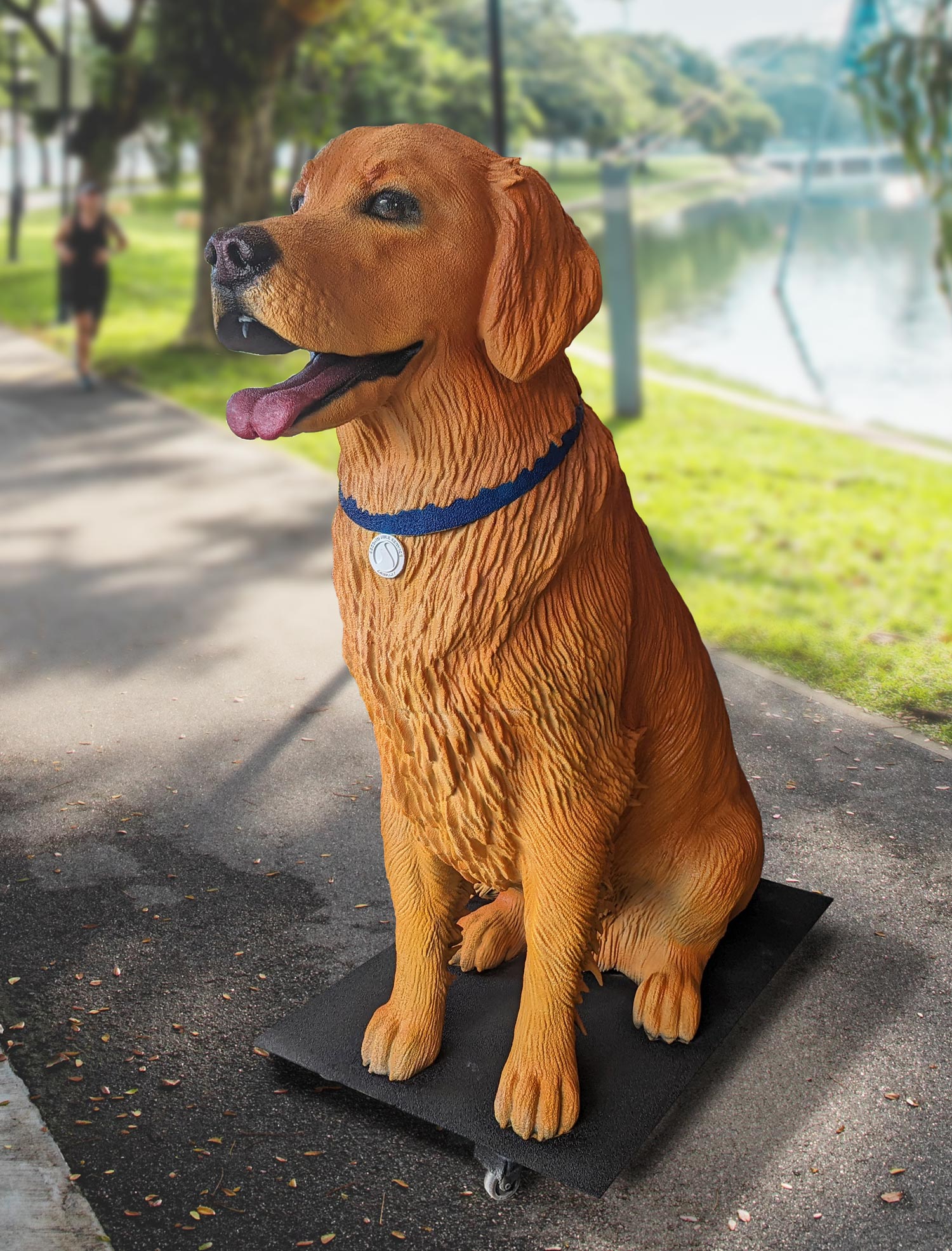
Begin with the animal's outline and stance
Species alone does not define the build. The curve of a neck, length of a tail, position of the ears, and relationship between the legs determine whether the animal reads correctly from the intended approach. Decide whether the pose should be calm, alert, playful, powerful, or deliberately stylized before small surface details are considered.
A compact seated pose usually occupies less floor area than a walking or leaping pose. Extended horns, wings, tails, or accessories can enlarge the shipping envelope even when the main body stays modest. Share the maximum height, width, depth, and any doorway or elevator limits at the display site.
Define how realistic the animal should appear
Reference material should establish a consistent visual direction rather than mixing unrelated anatomy and expression.
Naturalistic
Use clear species references, believable proportions, and restrained expression when anatomical recognition is the priority.
Graphic
Simplified planes, enlarged features, and controlled color blocks can follow an established illustration or identity system.
Mascot-like
A friendly face, upright posture, clothing, or a held item can move the animal toward a character presentation.
Surface direction
Color, pattern, sheen, and visible texture should be specified from approved references without assuming a particular fabrication material.
Compare different animal proportions in physical form
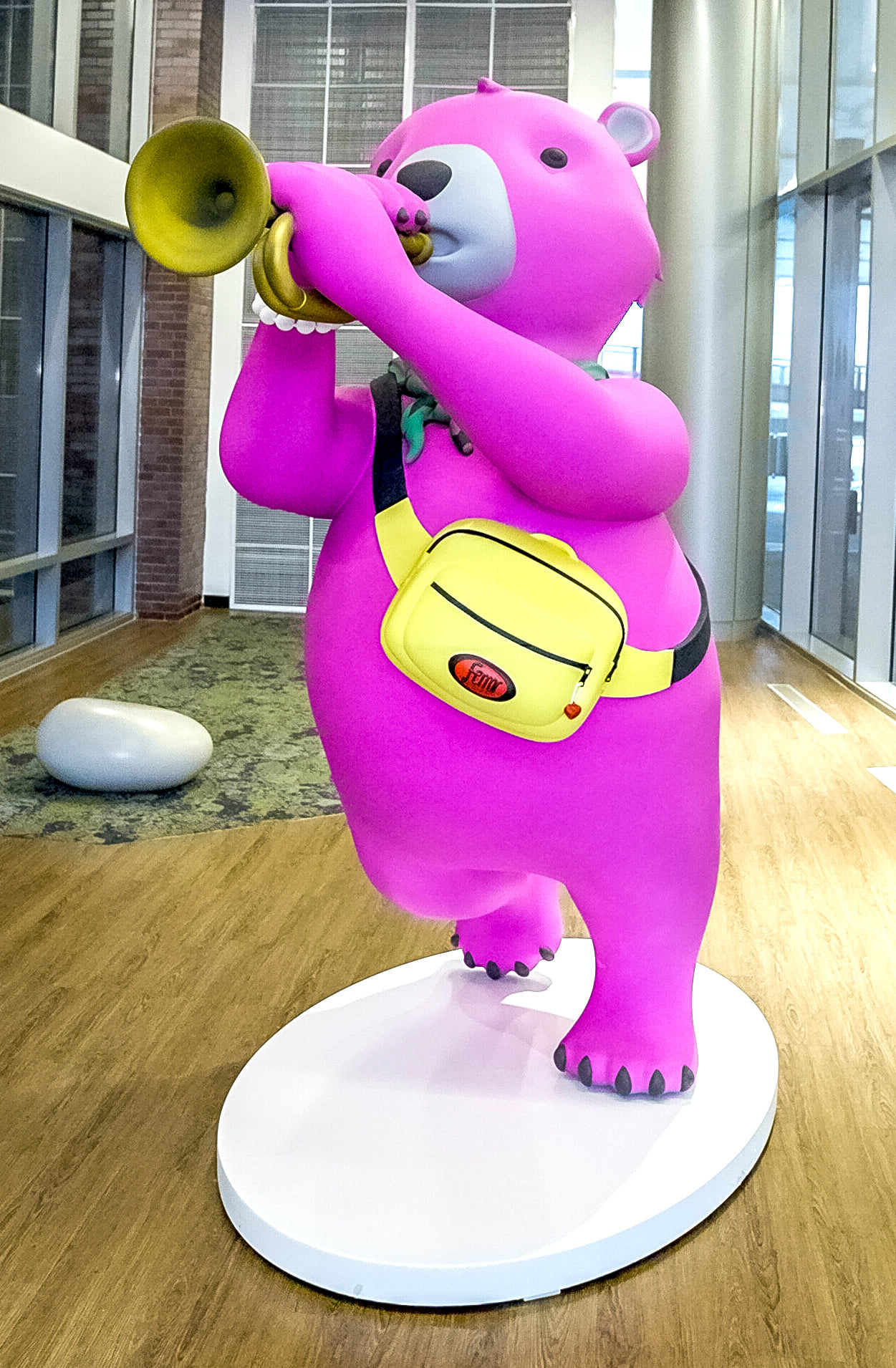
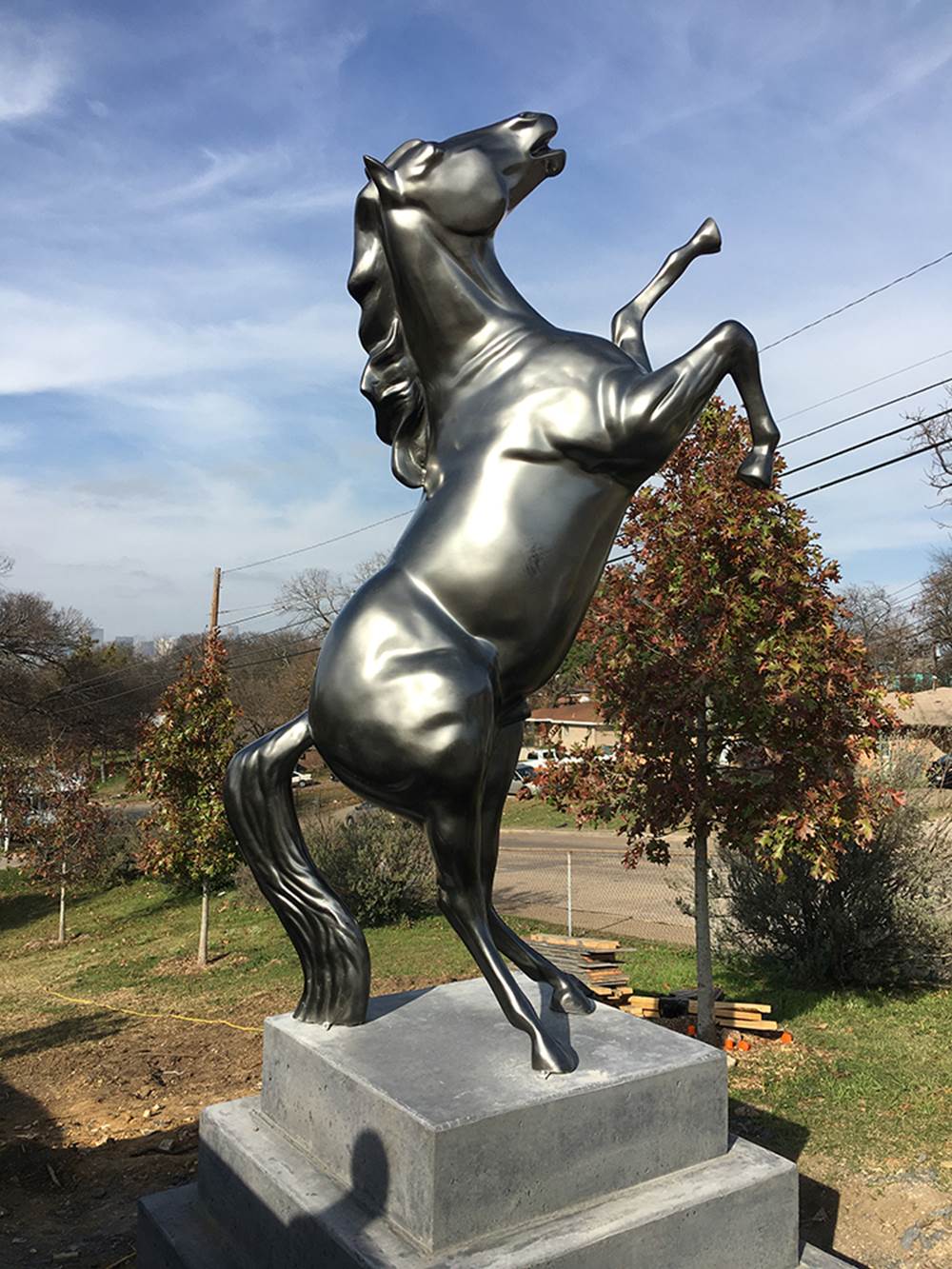
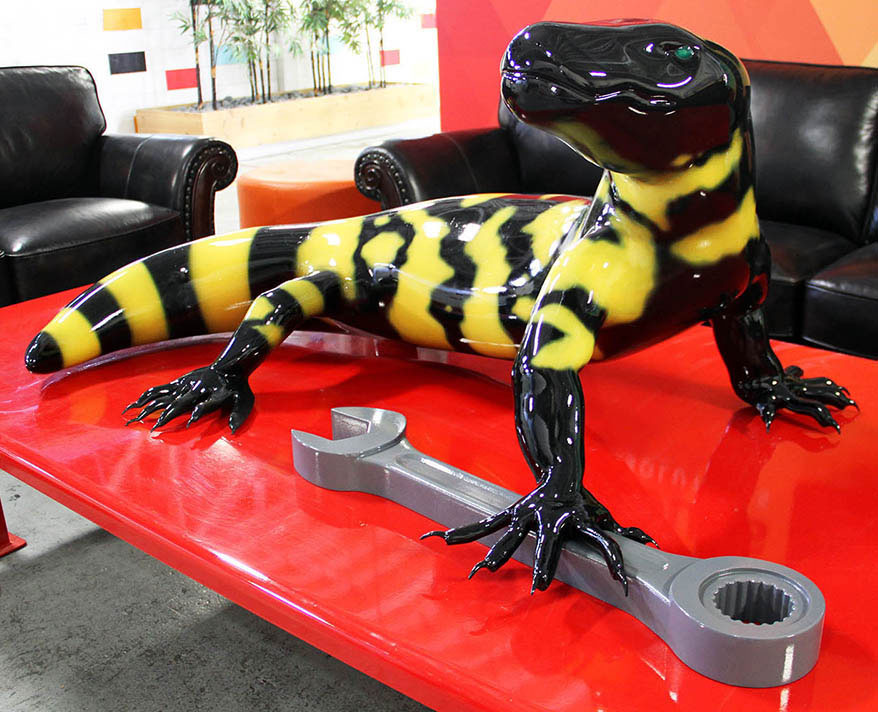
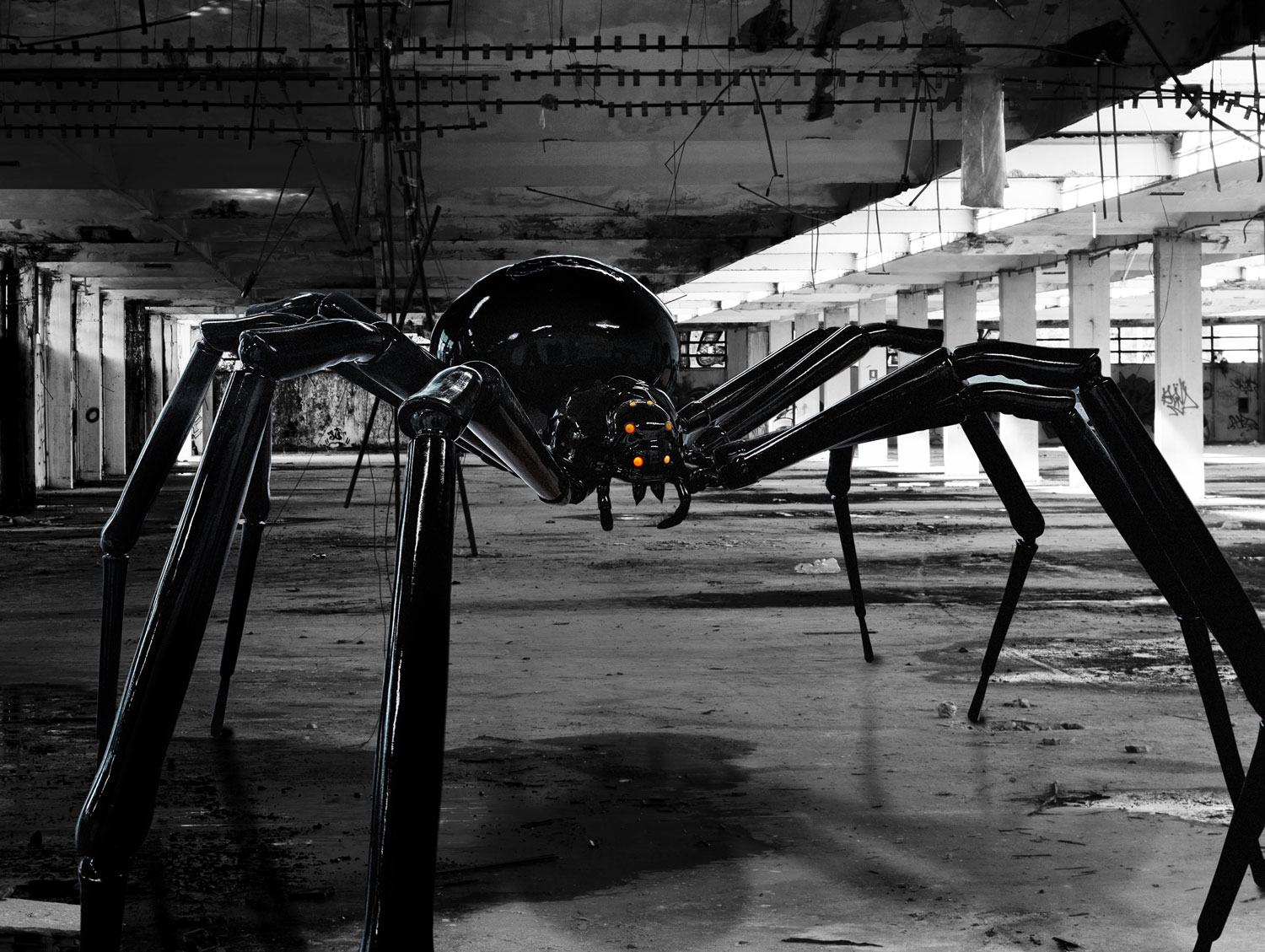
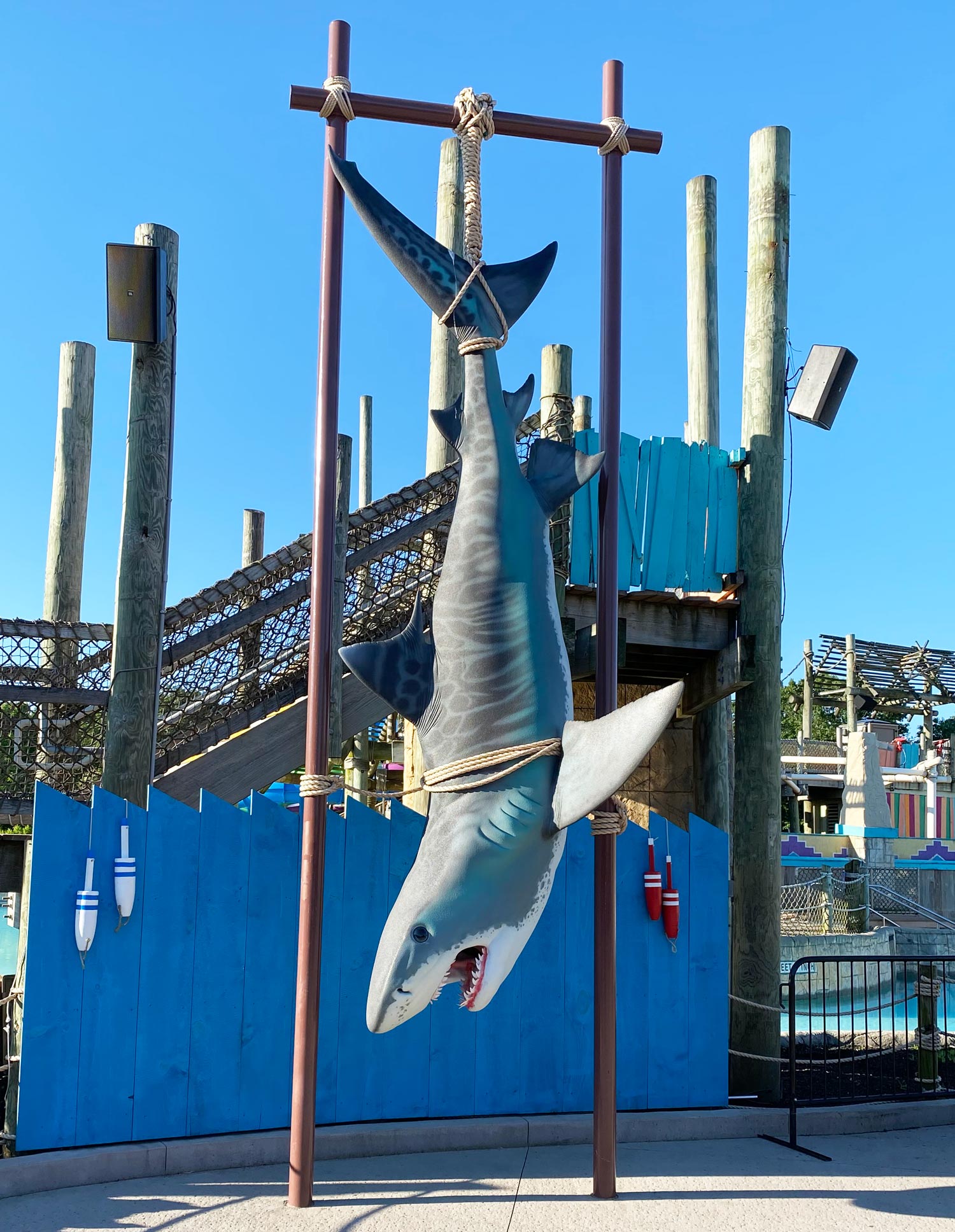
The service dog, trumpet-playing bear, mustang, and Gila monster are completed WhiteClouds displays. Together they show upright, four-legged, seated, and low-profile configurations. They are examples of physical variety, not templates for a new animal or claims about an unpictured project.
Plan what the prop must do in its space
An animal viewed from a lobby entrance needs a strong front three-quarter read. One placed in the center of a room may require finished detail on every side. A display against a wall can concentrate important features toward the available sightlines. Identify the primary approach, normal viewing distance, and whether visitors can walk around it.
Also state whether the prop remains in one location, moves occasionally, or travels repeatedly. That choice affects base dimensions, separable elements, handling points, and packing expectations. Any request for sitting, climbing, outdoor exposure, lighting, or movement must be explicit so it can be evaluated rather than inferred from the animal concept.
Information that makes an animal quote more useful
A short reference package can establish the form, scale, and practical constraints for an initial conversation.
- Species or character reference
- Preferred pose and expression
- Overall height, width, and depth
- Front-only or all-around viewing
- Color and surface references
- Required base or support concept
- Site access measurements
- Delivery location and target date
Request pricing for a large animal prop
Send the species, pose, target dimensions, visual references, intended viewing sides, placement conditions, delivery address, and needed date. Mention accessories, unusual projections, movement, lighting, or visitor contact at the outset so the prop can be scoped around the actual request.