How Trade Show Displays Are Made

How Trade Show Displays Are Made

We Build Custom 3D Trade Show Display Props

Did you know we make

3D Props

How Trade Show Displays Are Made

From Concept to Fabrication: Designing Booths That Captivate and Convert

Step onto any trade show floor and you’ll see it: a dazzling maze of color, light, and imagination. Booths tower high, graphics seem to glow, and every company is fighting to stand out. To the casual attendee, these structures feel like they simply appear overnight. But behind every polished wall and illuminated counter lies an incredible process of design, engineering, craftsmanship, and creativity. Trade show displays aren’t just built—they’re made through a fascinating journey that combines marketing, storytelling, and fabrication. This guide pulls back the curtain to reveal how trade show displays are made. From brainstorming with clients to cutting materials in workshops, from trial assemblies to that final polished setup on the show floor, you’ll discover the artistry and precision that transforms ideas into unforgettable brand environments.

How Trade Show Displays Are Made

Why Understanding the Process Matters

Knowing how trade show displays are made gives businesses more than appreciation—it provides a competitive edge. When companies understand the steps, timelines, and craftsmanship involved, they make smarter design choices, budget more effectively, and communicate their brand vision with clarity.

Exhibitors who see the behind-the-scenes work recognize their booth isn’t just a “prop” but a major investment in brand perception. They also gain insight into how small details—like lighting angles, material finishes, and structural reinforcements—impact both the look and longevity of their booth. Understanding the process is the first step toward creating a display that doesn’t just look good, but performs brilliantly.

From Concept to Creation: The Design Phase

Every trade show display starts as an idea. The process begins when a brand sits down with designers to answer one key question: What story do we want to tell?

The design phase is where creativity runs wild. Marketing teams brainstorm themes, sketch layouts, and create mood boards. Designers translate these ideas into 3D renderings, showing how the booth might look under convention hall lights. This phase involves thinking about traffic flow, visual hierarchy, and brand messaging.

Should the booth feel futuristic and sleek, with glowing LED walls? Or should it feel welcoming and earthy, with wood accents and warm lighting? Every design decision communicates something about the company’s identity. The design phase is the canvas where vision becomes blueprint.

Engineering the Experience

Once the creative concept is approved, engineers step in. Their role is to transform the design into a structure that can actually be built, shipped, and assembled within the tight deadlines of a trade show.

Engineers calculate weight loads, ensure materials meet fire safety codes, and figure out how components can be modular for shipping yet sturdy for use. They also integrate technical elements like lighting systems, AV equipment, and interactive technology.

This stage is all about balance. The display must be lightweight enough to transport, durable enough to survive multiple shows, and striking enough to impress thousands of visitors. Engineering makes sure creativity doesn’t collapse under pressure—literally.

Choosing the Right Materials

Materials are the building blocks of any display, and the choices made here affect cost, durability, and aesthetics. Aluminum is a go-to material because it’s strong yet lightweight, making it ideal for frames and supports. Tension fabric graphics are incredibly popular because they stretch seamlessly across frames, creating bold, wrinkle-free visuals.

Wood adds warmth and sturdiness for counters and cabinetry, while laminates offer sleek finishes without heavy weight. Acrylic and glass are often used for product displays, adding shine and sophistication. Flooring is another consideration, with options ranging from plush carpet for comfort to glossy vinyl for modern flair.

Sustainability is also influencing material selection. Many exhibitors now request recyclable components, energy-efficient lighting, and modular pieces that can be reused for years, reducing waste and cost.

The Fabrication Process

Fabrication is where the magic happens. Inside workshops, skilled craftsmen and technicians bring the designs to life piece by piece. Carpenters cut and assemble wood elements. Metalworkers weld aluminum frames. Printers produce large-format graphics using dye-sublimation processes, ensuring rich, vibrant colors. Technicians install LED strips, wire electrical systems, and test multimedia equipment. Each detail is checked and double-checked for quality. This process blends artistry with precision. Fabricators must not only follow design specifications but also adapt when challenges arise—like when a curve doesn’t align perfectly or a finish needs adjustment. Every inch of a booth is crafted with care, because once it’s shipped, there’s no turning back.

Test Fitting and Quality Control

Before a booth ever hits the show floor, it’s assembled in a warehouse for a test fit. This is the dress rehearsal, ensuring that every component connects flawlessly. During this stage, teams look for gaps in graphics, alignment issues, or structural concerns. Lighting is tested to confirm brightness and placement. Interactive features are powered on and evaluated for performance. If adjustments are needed, they’re made before the booth is packed into crates for shipping. The test fit stage is crucial. It minimizes surprises during setup, ensuring the booth looks exactly as intended when attendees see it for the first time.

Shipping and Logistics

Trade show displays are built to move. After fabrication and testing, components are carefully packed into custom crates designed to protect them during shipping. Logistics teams coordinate trucking, air freight, or even sea freight depending on the show’s location.

Shipping is more complex than it seems. Crates must be organized so that pieces needed first are accessible. Components must be secured against vibration and impact. Delays in shipping can throw off entire schedules, so logistics planning is as critical as the fabrication itself.

Installation on the Show Floor

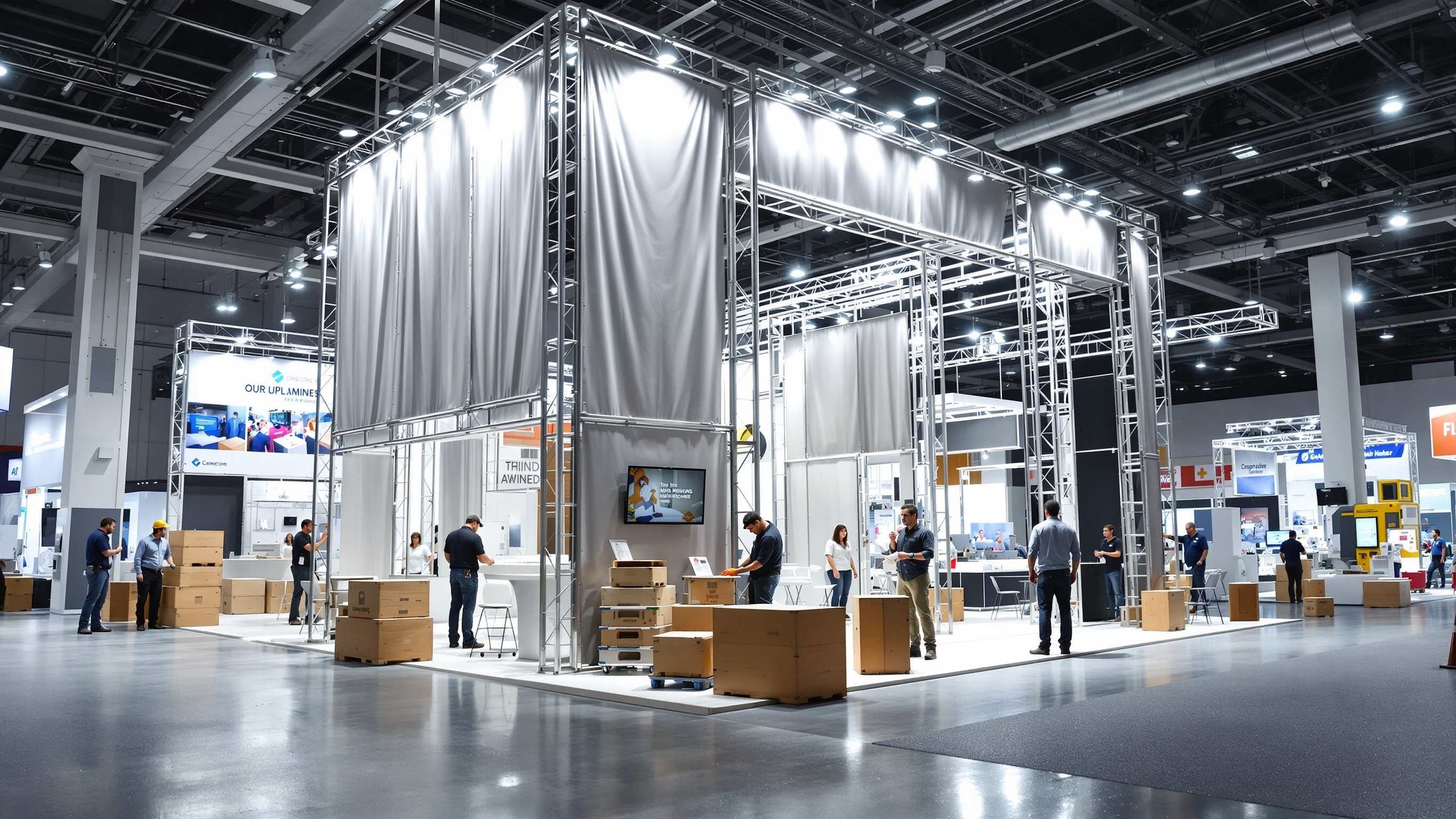
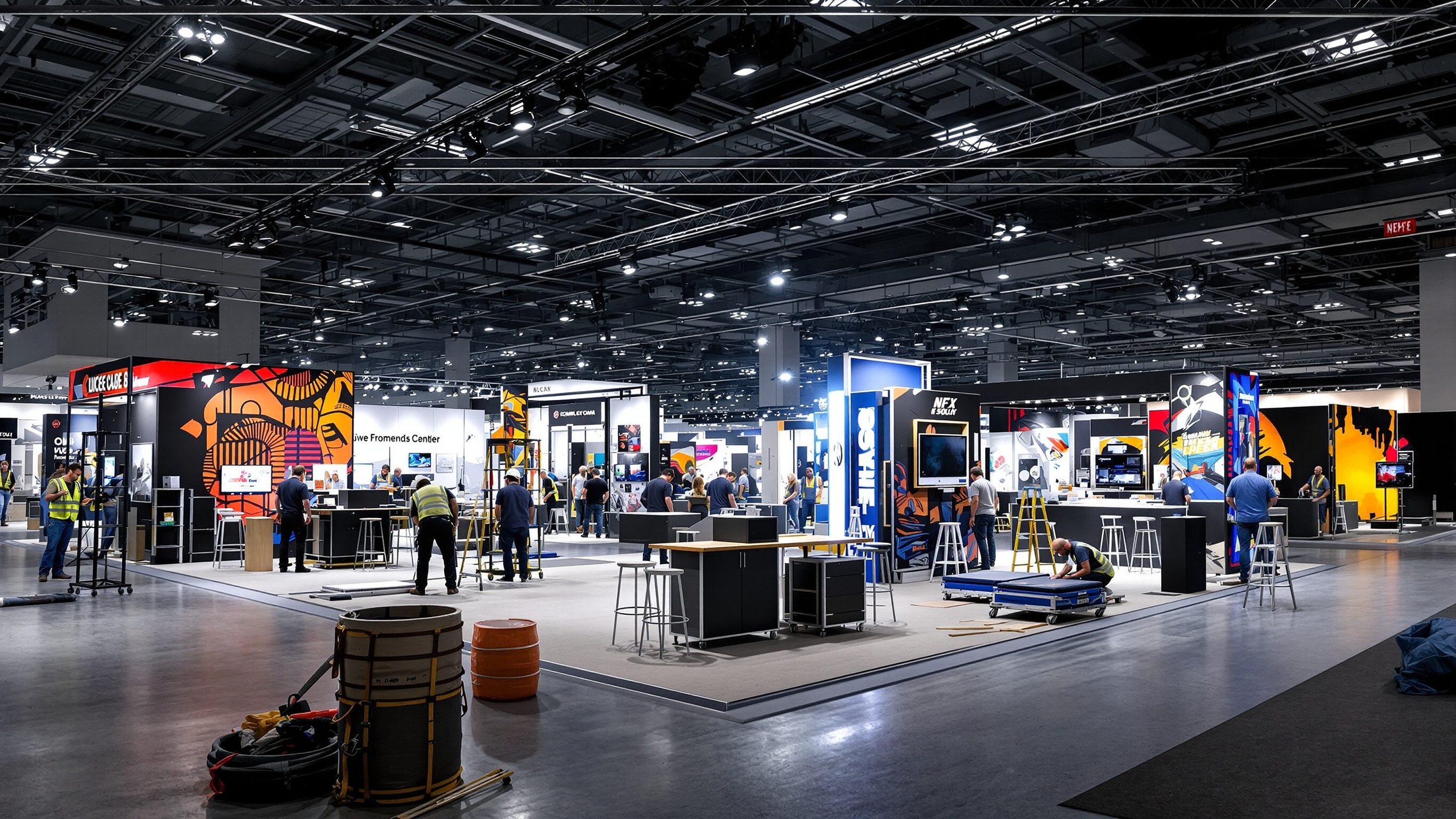
For many, setup day feels like magic—booths seemingly sprout overnight in cavernous convention halls. But behind the scenes, teams of installers are working under tight deadlines.

Crews unload crates, assemble frames, stretch graphics, wire lighting, and place flooring. The installation process can take anywhere from a few hours for small portable displays to several days for massive custom builds.

This stage is where the months of planning and fabrication pay off. By the time the doors open, the booth appears seamless, polished, and ready to impress. Visitors never see the sweat and hustle—only the final masterpiece.

Technology in Modern Booth Fabrication

Technology has become an inseparable part of booth creation. LED walls can be programmed with dynamic visuals, while touchscreens provide interactive product demos. Augmented reality and virtual reality experiences are increasingly popular, allowing attendees to explore products in immersive ways. During fabrication, these technologies require careful integration. Displays must be wired safely, software must be tested, and equipment must be protected during shipping. When done well, technology adds not just wow-factor, but measurable engagement through analytics and lead capture systems.

The Role of Storytelling

While fabrication focuses on building structures, the real heart of a booth is storytelling. Every material, color, light, and shape contributes to a narrative. Booths are designed to say something before a single staff member speaks. A futuristic layout with sharp angles and glowing blue light says “innovation.” A booth with warm wood and natural fabrics says “trust and sustainability.” The design and fabrication process work hand-in-hand to turn abstract brand values into physical experiences people can see, touch, and remember.

Sustainability in Fabrication

The trade show industry is increasingly aware of its environmental footprint. That’s why sustainability is becoming a driving force in how displays are made.

Fabricators are turning to recyclable aluminum, eco-friendly printing inks, and energy-efficient LED lighting. Modular designs allow booths to be reused and reconfigured for multiple shows, reducing waste. Even shipping practices are evolving, with lighter materials cutting down on fuel use.

For brands, sustainability isn’t just about being eco-conscious—it’s a statement of values that resonates with today’s audiences.

Trends in How Displays Are Made

The process of making trade show displays continues to evolve. Some of the most notable trends include:

  • Modularity and Flexibility: Companies want booths that can adapt to different spaces and events without needing a full rebuild each time.
  • Immersive Environments: Fabricators are building displays that engage multiple senses—sight, sound, touch, and even smell.
  • Minimalist Fabrication: Simplicity is trending, with clean lines and fewer distractions creating powerful brand focus.
  • Hybrid Features: Displays are now designed to bridge physical and digital experiences, such as livestreaming presentations from the booth to global audiences.

Common Challenges in Fabrication

Making a trade show display isn’t without challenges. Tight deadlines, material shortages, or unexpected changes can push fabrication teams to their limits. Shipping damages or last-minute design adjustments may require quick problem-solving. But experienced fabricators thrive under pressure. Their ability to adapt, improvise, and find creative solutions ensures that the booth still makes it to the show floor looking flawless.

The Payoff: Why It’s All Worth It

When attendees flood the exhibition hall, none of them think about welding aluminum or dye-sublimation printing. They don’t see the weeks of planning or the test assembly in a warehouse. They see the final product: a stunning booth that catches their eye, draws them in, and connects them to a brand. That’s the payoff of the fabrication process. The booth becomes more than wood, fabric, and lights—it becomes an experience, a memory, and often the beginning of a business relationship.

Final Thoughts

So how are trade show displays made? They’re crafted through a remarkable fusion of creativity and precision. They begin as sketches on a screen and end as immersive environments on a convention floor. They’re engineered to be strong, light, and safe, fabricated by skilled hands, tested for perfection, and shipped with care.

Trade show displays don’t just appear. They’re made through a process as fascinating as the structures themselves. And when done right, they transform from temporary walls and graphics into unforgettable brand statements. Next time you step into a dazzling booth at a trade show, remember: behind every glowing panel and polished counter is a story of design, engineering, craftsmanship, and dedication. That’s what makes trade show displays not just built, but made.

Check out WhiteClouds’ 3D Props for more information.

Contact us today to learn more about our 3D services and how we can help you achieve your goals. 


Get a Free Quote on a Custom 3D Billboard

Get a Free Quote