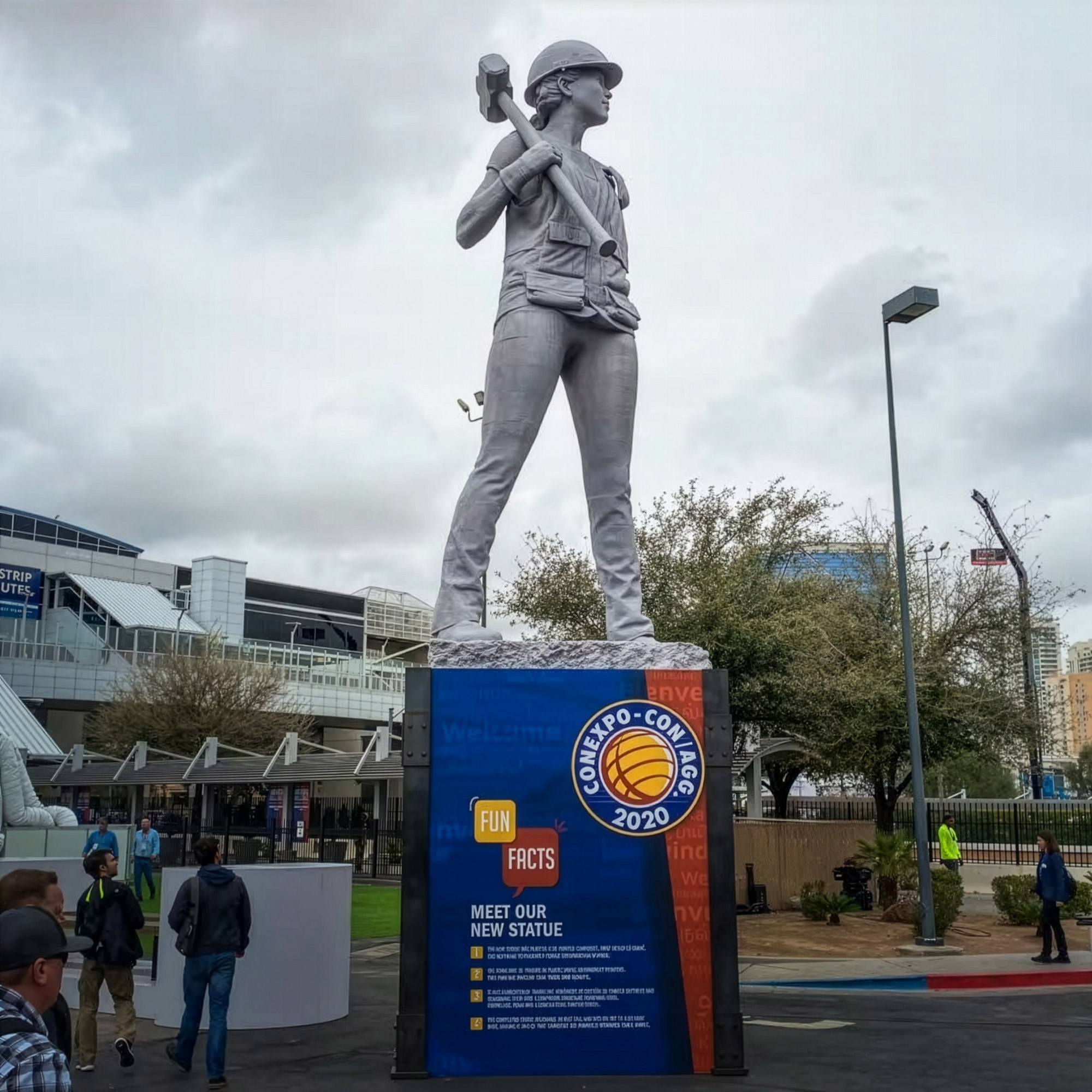
Giant Woman Statue
Giant Woman Statue
We Build Custom Giant Woman Statues
The Giant Woman Statue: A Monument to Strength, Beauty, and Imagination
Across history, statues have immortalized gods, warriors, kings, and mythical creatures. But among the most compelling and inspiring monumental artworks are those dedicated to women. From ancient fertility figures to modern-day icons of empowerment, the giant woman statue is a striking blend of symbolism, artistry, and public identity. When scaled to monumental proportions, the female form becomes both awe-inspiring and deeply resonant. These statues stand not only as visual marvels but as reflections of culture, history, and evolving ideas of femininity. They’re landmarks that inspire pride, provoke thought, and draw travelers from around the world to marvel at their beauty and presence.

Women in Monumental Art: A Historical Perspective
Women have long been represented in sculpture, though often in symbolic or mythological roles. Ancient Greece produced countless statues of goddesses such as Athena and Aphrodite, embodying wisdom, love, and beauty. The Romans carried on this tradition, celebrating Venus and other deities in marble.
In many ancient cultures, the female form was linked to fertility, abundance, and creation itself. Prehistoric figurines like the Venus of Willendorf, though tiny, represented the essence of womanhood and survival. Scaling such imagery into monumental statues feels like a natural extension of humanity’s oldest artistic impulses.
In more recent centuries, giant statues of women have emerged as national symbols. The Statue of Liberty in New York Harbor is perhaps the most famous—standing tall as both an allegory of freedom and a female figure of welcoming strength. In other contexts, female statues have commemorated queens, saints, and mythical heroines, cementing their presence in the global landscape of public art.
Famous Giant Woman Statues Around the World
The Statue of Liberty – New York, USA
Perhaps the most iconic giant woman statue, the Statue of Liberty stands at over 150 feet tall, welcoming millions of immigrants and travelers since 1886. Designed as a symbol of freedom and enlightenment, she embodies the female form as a representation of universal ideals.
Motherland Calls – Volgograd, Russia
Towering at an astounding 279 feet, this statue of a woman wielding a sword is among the largest in the world. Built to commemorate the Battle of Stalingrad during World War II, it symbolizes sacrifice, resilience, and national pride.
The Virgin of Quito – Ecuador
Perched high on a hill overlooking the city, this monumental statue of the Virgin Mary combines traditional Catholic imagery with indigenous influences. At over 140 feet, it is both a religious and cultural landmark.
Déesse de la Liberté – France
Before Lady Liberty was shipped to America, Paris itself displayed the prototype. France still boasts multiple smaller versions of the statue, celebrating liberty and reinforcing the global appeal of monumental female figures.
Asia’s Goddesses
Across Asia, enormous statues of female deities such as Kannon in Japan or Guanyin in China embody compassion, mercy, and spiritual strength. These statues tower over temple complexes and seaside cliffs, offering both spiritual guidance and awe-inspiring artistry.
Why the Giant Woman Statue Resonates
There are many reasons giant woman statues capture the imagination so powerfully.
Representation and Empowerment: In a world where many monuments historically celebrated male figures, the giant woman statue redresses the balance, highlighting women as central to cultural memory and values.
Symbolism: Female statues often embody larger concepts—freedom, motherhood, compassion, strength, wisdom. They become visual shorthand for ideas that transcend individual figures.
Visual Impact: The female form lends itself to expressive artistry, whether portrayed in graceful flowing robes, powerful warrior poses, or abstracted modernist interpretations.
Tourism and Identity: Giant woman statues are irresistible as tourist attractions. They define city skylines, anchor national identities, and inspire both locals and visitors alike.
Artistic Interpretations: Realistic, Symbolic, and Abstract
Not all giant woman statues look alike. Their styles vary dramatically, depending on the intent behind them.
Some statues are hyper-realistic, replicating the human form in painstaking detail. These often focus on beauty, dignity, or lifelike accuracy, inviting close admiration. Others lean toward symbolism, portraying women as allegories. The Statue of Liberty, for example, represents liberty itself, with her torch and robe acting as visual metaphors. Abstract interpretations are also powerful. Modern artists have sculpted towering female figures reduced to bold geometric shapes or minimalist silhouettes, emphasizing themes of strength and universality rather than physical detail.
This versatility means the giant woman statue can communicate across cultures and eras, adapting to whatever message a community or artist wants to convey.
How a Giant Woman Statue Might Be Fabricated
Building a giant statue of a woman requires extraordinary collaboration between artists, engineers, and craftspeople.
Concept and Design
The process begins with vision. Sculptors draft sketches, clay models, or digital 3D renderings to define pose, style, and scale. Decisions must be made: will the statue be realistic, mythological, abstract, or stylized? Will she stand in flowing robes, hold symbolic objects, or strike a powerful pose? Scale models are often built to test proportions and refine details. These maquettes guide the fabrication process.
Internal Framework
A giant statue requires a skeleton strong enough to endure the elements. Steel frameworks form the internal structure, designed by engineers to balance load distribution and stability. Extended features—arms raised, robes flowing—require careful reinforcement to prevent tipping or collapse.
Exterior Shell
The outer shell may be crafted from different materials:
- Bronze: Offers timeless prestige and durability, often used in traditional statues.
- Concrete: Durable and cost-effective, excellent for permanent monumental projects.
- Fiberglass: Lightweight and moldable, ideal for temporary or whimsical installations.
- Stone: Used in ancient statues, offering permanence but demanding massive labor.
Panels or layers are shaped and attached over the framework, gradually building the statue’s body.
Surface Detailing
Detailing transforms the shell into art. Sculptors create flowing garments, textured hair, expressive faces, or abstract forms. Paint, patina, or gilding can highlight details or add symbolic meaning. Weatherproof coatings protect against UV damage, rain, and pollution.
Transport and Assembly
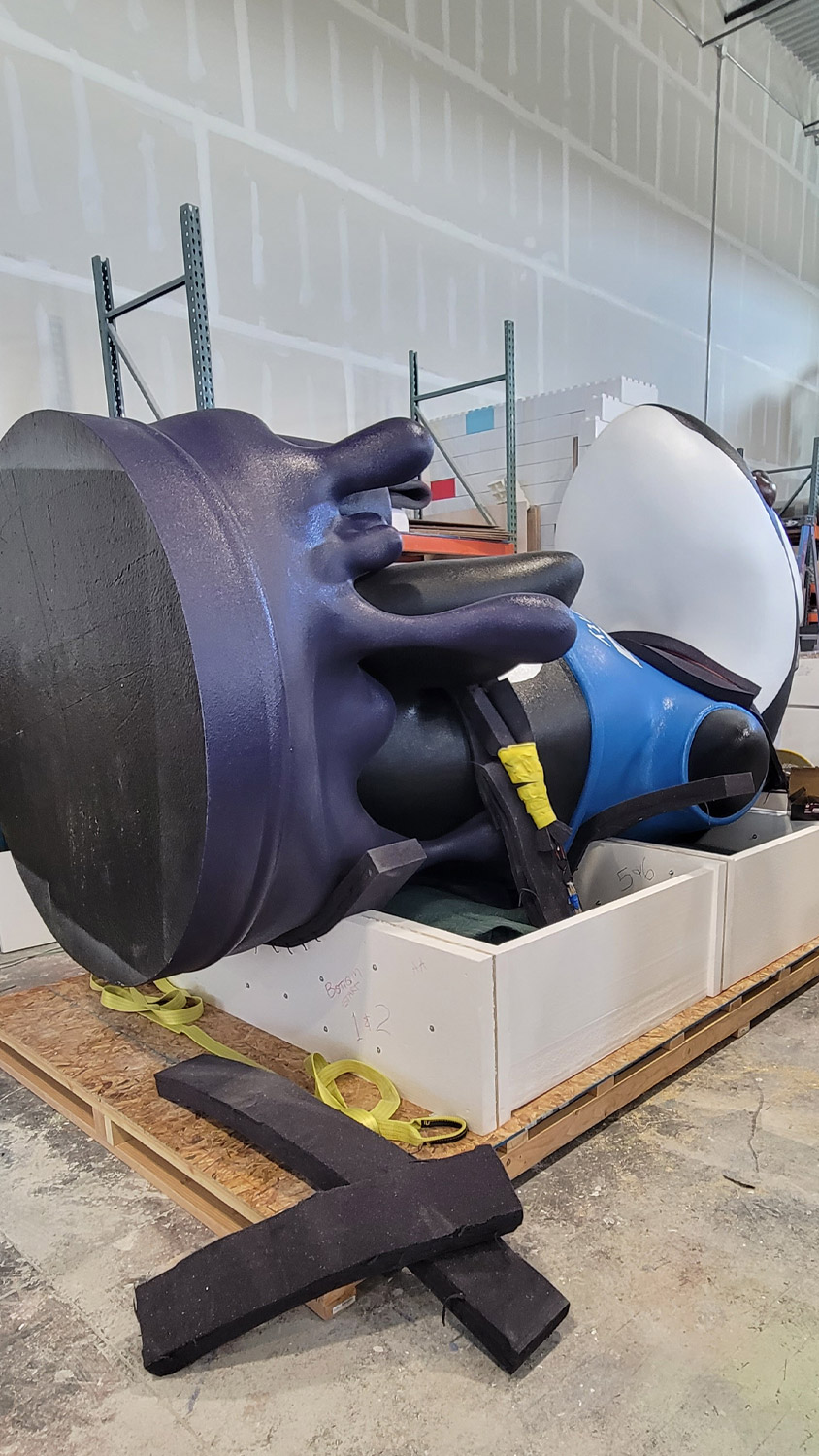
Large statues are usually built in sections—head, torso, arms, base—and transported to the site. Cranes assemble the pieces on a reinforced foundation, often anchored with concrete or steel to ensure stability. Final touches—lighting, landscaping, or surrounding features—enhance the statue’s presence, making it a focal point of its environment.
Women as Guardians and Symbols of Place
Beyond aesthetics, giant woman statues often serve as guardians or spiritual protectors. In temples, goddess statues stand watch over sacred grounds. In cities, monumental women welcome travelers or commemorate national struggles.
These statues reflect cultural values. A giant mother figure might symbolize nurturing and resilience. A warrior goddess may embody defense and strength. A saint or virgin may reflect purity and devotion.
Each statue carries a message: women are central to history, spirituality, and identity, and their presence in monumental form makes that truth unmissable.
Tourism and Community Impact
Like other giant statues, giant women draw crowds. Tourists photograph them, climb observation decks within them (as in the Statue of Liberty), and purchase souvenirs. The statues become icons, featured in postcards, movies, and social media feeds. For communities, these statues foster pride. They reinforce identity, tell stories, and invite celebration. Festivals, tours, and educational programs often grow around them, expanding their impact beyond art into economic and cultural life.
Maintenance and Preservation
Outdoor monuments must endure the test of time, and giant woman statues face particular challenges. Wind, rain, snow, heat, and pollution all take their toll. Bronze requires repatination, concrete demands inspection for cracks, and fiberglass needs repainting and resealing. Preservation is often seen as a communal duty. Just as these statues symbolize enduring values, communities ensure they endure physically through restoration and care.
The Future of Giant Woman Statues
The future of monumental female statues is vibrant. As societies continue to reexamine representation in public spaces, more women are being immortalized in monumental form. Statues of scientists, activists, and leaders are joining allegories and deities, broadening the scope of who is celebrated. Technology is also shaping the field. Interactive features like projection mapping, augmented reality, or dynamic lighting could make future statues more engaging. Sustainability is another growing priority—statues built from recycled materials or designed with eco-conscious methods will align with contemporary values. The giant woman statue will continue to evolve, bridging tradition and modernity, embodying both timeless archetypes and contemporary heroines.
Conclusion: When the Feminine Stands Tall
The giant woman statue is more than art—it is a cultural declaration. It represents the strength, beauty, and complexity of women across history and mythology. It inspires awe not only because of its scale, but because of what it symbolizes: resilience, wisdom, freedom, compassion, and the enduring presence of women in the human story.
Whether standing as a goddess on a mountaintop, a guardian in a city plaza, or a symbol of liberty in a harbor, these statues are unforgettable. They connect people to both ancient tradition and modern ideals, reminding us that the feminine—like monumental art itself—will always tower above and endure. Next time you encounter a giant woman statue, pause to look closer. Behind the artistry and grandeur lies something deeper: the recognition of women’s central role in human culture, celebrated in a form as enduring and monumental as the values they embody.