
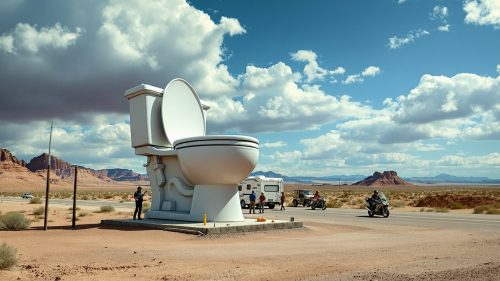
The Giant Toilet Statue: Humor, Whimsy, and the Art of the Unexpected
Few objects are as universally recognized—and universally overlooked—as the toilet. It’s practical, necessary, and part of daily life, but not something most people expect to see immortalized in sculpture. Yet across the quirky world of roadside attractions and public art, the giant toilet statue has emerged as one of the boldest and funniest expressions of creativity. By transforming a mundane household fixture into a monumental work of art, these statues play with humor, surprise, and cultural commentary. They’re not just oversized props; they’re conversation starters, tourist magnets, and in some cases, even powerful statements about sanitation, public health, and modern design. This article dives into the fascinating world of giant toilet statues—where they come from, why they captivate us, and how one could be fabricated in real life.
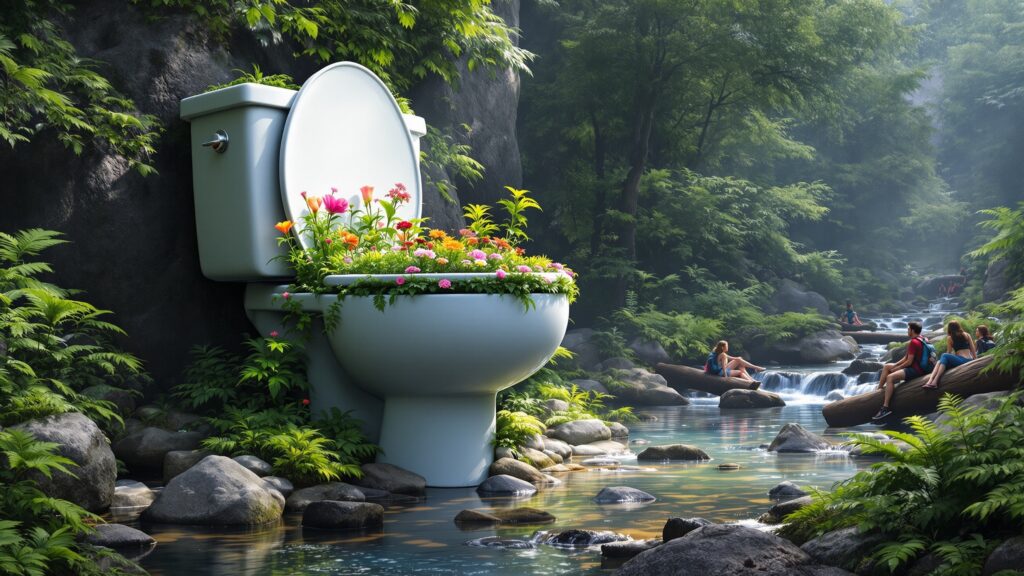
Why a Toilet? The Power of Playful Public Art
The idea of creating a giant statue out of something ordinary might sound ridiculous at first. But that’s precisely the point. Playful public art thrives on subverting expectations. By enlarging an everyday item like a toilet, artists and communities tap into a sense of humor, curiosity, and even nostalgia. The toilet carries its own cultural baggage. It’s the subject of jokes, euphemisms, and entire comedic routines. Turning it into a towering roadside spectacle elevates the object from the realm of the private to the public, encouraging people to laugh and engage. A giant toilet is impossible to ignore—it demands a double-take and usually rewards visitors with a grin.
Roadside Americana and Novelty Architecture
The giant toilet statue fits squarely within the long tradition of roadside Americana. In the 20th century, as highways expanded, businesses sought creative ways to lure travelers off the road. They built colossal animals, enormous hot dogs, towering coffee pots, and yes—even massive toilets.
Known as “novelty architecture” or “programmatic architecture,” these statues often doubled as advertisements. A plumbing company might erect a giant toilet as its office. A sanitation museum might display one to draw in curious tourists. Over time, these statues became more than gimmicks—they became cultural landmarks. Today, giant toilets are often built as art installations or tourist attractions, but their DNA is rooted in the golden age of roadside oddities.
Famous Giant Toilet Statues Around the World
South Korea: The Toilet-Shaped House
In Suwon, South Korea, sits one of the most famous toilet-themed structures in the world: Haewoojae, also known as the Toilet House. While not just a statue, this massive building shaped like a toilet celebrates the city’s history with sanitation and is home to the Toilet Museum. Outside, toilet-themed sculptures—including oversized commodes—turn the grounds into a whimsical park.
New Zealand: Public Art with Humor
In New Zealand, public toilets in certain towns have been given an artistic makeover, with some including oversized toilet sculptures as part of the installation. These works often draw tourists who might otherwise have just driven through.
United States: Roadside Attractions
Though rarer than giant cows or hot dogs, a handful of giant toilet statues exist in the U.S., often tied to plumbing companies or quirky art exhibits. They’re not just roadside curiosities—they’re Instagram gold for travelers hunting for America’s oddest attractions.
The Appeal of the Absurd
So why do people flock to see giant toilets? The answer lies in the blend of humor and scale. Seeing something familiar transformed into something absurdly large triggers delight. The brain recognizes the object but struggles with the exaggerated proportions, resulting in surprise and amusement. These statues also invite participation. Visitors often pose for photos pretending to flush, sit, or stand beside the bowl. The interactive element adds to the fun and ensures that photos get shared widely on social media. In this way, the giant toilet statue isn’t just an art piece—it’s an experience.
Symbolism Beneath the Humor
While most giant toilet statues lean into comedy, there’s also a deeper symbolic layer. Toilets are a cornerstone of modern civilization. Access to sanitation is one of the most significant public health achievements in human history. By making the toilet monumental, artists and communities can also draw attention to global sanitation issues, hygiene awareness, and the dignity of clean water access. Some installations even explicitly connect the humor of a giant toilet with education, reminding viewers that billions of people worldwide still lack safe toilets. What begins as a laugh can lead to reflection on privilege, progress, and the ongoing importance of infrastructure.
Artistic Styles: From Whimsical to Hyper-Realistic
Not all giant toilets look the same. Some are cartoonish, with bright colors, exaggerated proportions, and even faces painted on the lid. These appeal to children and families, leaning into the playful roadside attraction vibe. Others are hyper-realistic, scaling up the proportions of an ordinary porcelain toilet to monumental size. These statues often impress with their detail—the curve of the bowl, the chrome of the flush handle, the gleam of the seat. Still others cross into the abstract, using the form of a toilet as a sculptural base to explore broader ideas of waste, consumption, or modern living. In every case, the giant toilet statue pushes the boundaries of what counts as art.
How a Giant Toilet Statue Might Be Fabricated
Creating a giant toilet is a fascinating mix of design, engineering, and artistry.
Concept and Design
The process would begin with conceptual sketches or 3D models. Designers would study real toilets, scaling up the proportions to ensure recognizability. Decisions would need to be made about style: realistic, playful, or abstract. A small-scale prototype, perhaps made of clay or foam, could help visualize the final piece before moving into full-scale fabrication.
Materials
- Fiberglass: The most likely material for the bowl and tank, offering durability, weather resistance, and smooth surfaces that can mimic porcelain.
- Steel Framework: Provides internal strength to support the structure, especially if the toilet is several stories tall.
- Concrete Base: Anchors the statue securely to the ground and ensures stability in all weather.
- Paints and Coatings: Automotive-grade paints could replicate the glossy sheen of ceramic while protecting against fading, cracking, or graffiti.
Construction Process
The statue would typically be built in segments—perhaps the bowl, tank, and lid separately—before being assembled on-site. Fiberglass panels would be cast in molds, reinforced with steel, and mounted on a skeletal framework. Seams would be sanded and smoothed to create a seamless surface. The finishing stage would involve precise painting to replicate porcelain and chrome accents. If the design included whimsical elements (like a giant cartoon flush handle), these would be added during final detailing.
Installation
The finished statue would require cranes and heavy equipment for placement. It would be bolted onto a reinforced concrete pad, engineered to bear the weight and withstand winds. Lighting might be added for dramatic nighttime displays, and landscaping could enhance the setting—flowers planted in the “bowl” area, or benches nearby to encourage visitors to linger.
The Giant Toilet in Tourism and Pop Culture
The sheer absurdity of a giant toilet makes it irresistible for social media. Travelers are eager to post selfies with the world’s weirdest statues, and a toilet the size of a car or house fits the bill perfectly. For communities, the statue becomes more than decoration. It’s a brand. Souvenirs—from postcards to miniature replicas—help cement the attraction’s place in pop culture. Festivals and events might even spring up around it, leaning into the humor with themed contests or parades. In pop culture, giant toilets often appear in satire, cartoons, and viral internet posts. They occupy a special space where humor meets spectacle, ensuring that once someone sees one, they won’t forget it.
Maintaining and Preserving the Statue
Outdoor statues face constant challenges from the elements, and giant toilets are no different. Sun can fade paint, rain can erode coatings, and snow or ice can stress joints. Regular maintenance might include washing, repainting, and resealing surfaces. For whimsical models, touch-ups on color and detail keep the statue looking fresh. In many cases, community volunteers rally around to keep their giant toilet in pristine condition, seeing it as part of their town’s identity.
Why the Giant Toilet Matters
At first glance, a giant toilet statue might seem like nothing more than a gag. But its significance goes deeper. It shows the power of humor to unite people, the creativity of turning the ordinary into the extraordinary, and the cultural weight of roadside Americana. It also bridges the gap between laughter and awareness, offering a platform to discuss sanitation and infrastructure in ways that are approachable and memorable. Most of all, it proves that public art doesn’t have to be solemn or serious to matter. Sometimes, the boldest statement is also the funniest one.
Conclusion: A Throne Fit for Giants
The giant toilet statue is more than a quirky roadside attraction. It is a monument to humor, creativity, and the art of reimagining the familiar. Whether built for a plumbing company, a sanitation museum, or simply as a public art installation designed to make people smile, it stands as proof that nothing is too ordinary to be made extraordinary. The next time you stumble across a giant toilet statue, don’t just laugh and move on. Take a moment to appreciate the craftsmanship, the history, and the sheer audacity of turning the most private of objects into a public celebration. After all, in the world of oversized statues, even the humble toilet can become a throne of imagination.
Check out WhiteClouds’ 3D Statues for more information.
Contact us today to learn more about our 3D services and how we can help you achieve your goals.