

Giant Throne-Style Chair: Where History, Design, and Imagination Meet
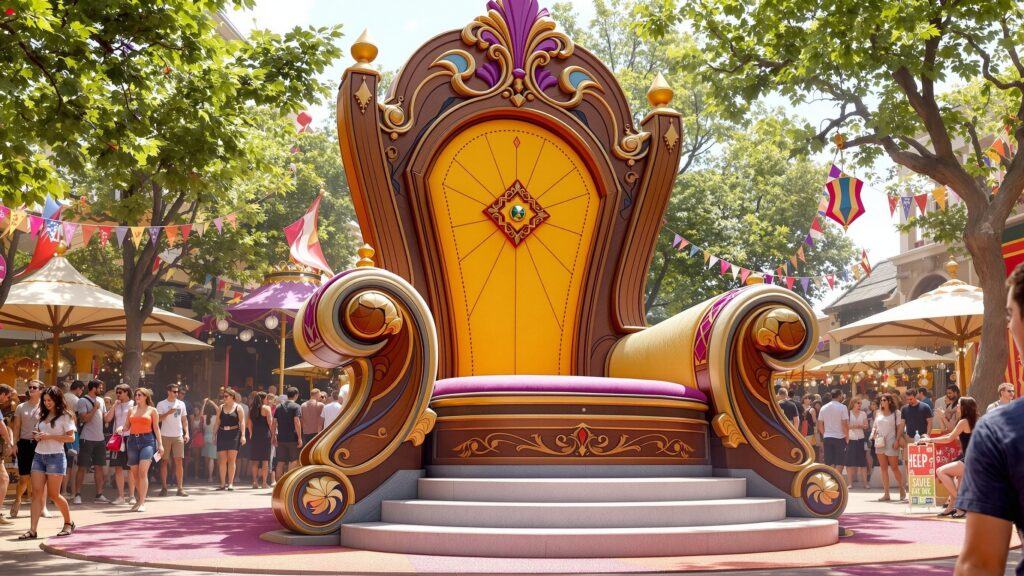
Chairs are ordinary objects we use every day without a second thought. Yet, some chairs transcend function and become symbols of authority, power, or sheer whimsy. Few designs embody this better than the giant throne-style chair—an oversized seat that combines history, artistry, and spectacle. Whether placed in public spaces as interactive installations, in themed restaurants, or in private homes as bold statement pieces, these colossal chairs are magnets for attention and conversation. This article dives into the story of throne-style chairs, explores why the giant versions fascinate us, and offers insights into their cultural significance, design challenges, and modern adaptations.
A Brief History of Thrones
The concept of a throne dates back thousands of years, rooted in ancient civilizations where seating was never just about comfort. Thrones symbolized divinity, kingship, and ultimate authority. Egyptian pharaohs sat on ornate gilded chairs that emphasized their godlike status. In Greece and Rome, emperors perched upon elevated seats to distinguish themselves from the people.
During the Middle Ages, the throne became synonymous with royalty and the church. Elaborate wooden chairs carved with religious motifs graced cathedrals, while monarchs’ thrones were often adorned with gold leaf, velvet, and jewels. These pieces were not just furniture—they were stage props in a performance of power. The oversized nature of many historic thrones added to their symbolism. By appearing physically larger than ordinary seating, they exaggerated the importance of the person who sat in them. The modern giant throne-style chair draws directly from this tradition, exaggerating size even further, but with an added touch of humor and creativity.
The Psychology of Sitting on a Throne
Why are people so drawn to sit in a giant throne-style chair? The answer lies partly in psychology. Oversized furniture alters our perspective, making us feel small and childlike, yet also playful and empowered. When you sit on a giant throne, you’re immediately elevated—literally and metaphorically. The high backrest, wide armrests, and raised seat frame you like a portrait. This creates a sense of importance, even if just for a moment. For children, it can feel like stepping into a fairy tale. For adults, it evokes a mix of nostalgia and fun, a reminder of childhood games where imagination transformed ordinary spaces into kingdoms. Public art installations often capitalize on this. By offering visitors a giant throne to sit on, they invite participation and photography, turning the object into a social media centerpiece. The simple act of sitting becomes a story to share.
Throne Meets Giant: The Rise of Oversized Furniture Art
Oversized furniture is not a new trend. Artists and designers have long experimented with scale to challenge perceptions. Claes Oldenburg, for example, made monumental sculptures of everyday objects, forcing viewers to reconsider their relationship to the familiar. The giant throne-style chair fits neatly into this tradition. It’s part sculpture, part furniture, part performance stage. Whether placed in a city square, an amusement park, or a quirky roadside attraction, it blurs the line between functional design and public art. Unlike a purely decorative statue, a giant throne invites interaction. People don’t just admire it from afar—they climb onto it, pose for pictures, and make it their own for a few moments. This interactivity distinguishes it from other oversized art forms.
Craftsmanship and Design Challenges
Building a giant throne-style chair is no small feat. Scaling up a design is not as simple as making everything bigger; proportions, balance, and materials all need careful consideration.
- Proportion and Aesthetics
Throne chairs are typically ornate, with carved details, plush upholstery, and bold silhouettes. Enlarging them without distortion requires skilled craftsmanship. Too large a carving can look crude; too small, and it gets lost in the scale. - Structural Integrity
A giant chair must hold not only its own weight but also the people who climb onto it. Designers often rely on heavy-duty wood, steel reinforcement, or composite materials to ensure stability. Unlike standard furniture, these pieces must handle unpredictable loads, including groups of people posing together. - Safety Considerations
Handrails, steps, or platforms may be incorporated into the design so that climbing into the seat is safe. This is especially important for public installations, where liability concerns come into play. - Weather Resistance
Outdoor giant thrones need materials that withstand sun, rain, and temperature extremes. Durable finishes and weatherproof fabrics extend the life of these creations, making them both artistic and practical.
Cultural and Entertainment Uses
Today, giant throne-style chairs appear in a surprising variety of contexts:
Tourist Attractions
Many towns and tourist destinations install giant chairs as photo spots. A throne-style design adds an extra layer of drama, instantly turning an ordinary landmark into something memorable.
Theme Parks and Fantasy Resorts
From medieval fairs to fantasy-themed resorts, giant thrones are often staged as props where visitors can play king or queen for the day. Some events even crown guests as honorary rulers, enhancing the immersive experience.
Marketing and Events
Brands frequently use oversized thrones as promotional tools. For example, at conventions or product launches, a branded throne creates a photo-friendly focal point. Attendees leave not only with pictures but also with the company’s name tied to their fun memory.
Private Homes and Man Caves
On a smaller scale, some individuals install throne-style chairs in game rooms, home theaters, or outdoor patios. A giant throne makes a bold statement piece, blending functionality with playful design.
Thrones in Pop Culture: From Iron to Fantasy
Modern pop culture has helped cement the throne as an object of fascination. The most famous in recent memory is undoubtedly the Iron Throne from Game of Thrones. While not physically giant, its jagged, larger-than-life design reinforced its symbolic weight. Other fantasy franchises—The Lord of the Rings, The Chronicles of Narnia, The Lion King—use thrones as narrative devices. Sitting in the throne often signifies a turning point: the acceptance of responsibility, the claiming of power, or the corruption of authority. Giant throne-style chairs tap into this cultural resonance. When people sit in them, they are not just taking a break—they’re stepping into the role of a ruler, hero, or character from a story they’ve internalized.
The Social Media Effect
The explosion of Instagram, TikTok, and other visual platforms has supercharged the popularity of giant throne-style chairs. Their photogenic quality makes them ideal backdrops for selfies and group shots.
Hashtags like #GiantChair, #ThroneLife, and #KingForADay often accompany these posts, extending their reach far beyond the physical location. For tourism boards and event organizers, this creates a ripple effect of free publicity. A single oversized chair can transform into a viral landmark, attracting visitors who might otherwise never have stopped in that location.
Symbolism in the Modern World
While ancient thrones symbolized rigid hierarchies, today’s giant throne-style chairs often invert that meaning. They democratize the experience of sitting on a throne. Anyone, regardless of status, can climb into the oversized seat and feel important—even silly—for a moment. This shift reflects broader cultural changes. Authority today is less about inherited power and more about personal experience. The giant throne is less about being a ruler over others and more about ruling your own moment, celebrating individuality, and sharing joy.
Building Your Own Giant Throne: What to Consider
For those intrigued by the idea of commissioning or building a giant throne-style chair, several practical considerations come into play:
- Purpose: Is it for personal use, an art installation, or a commercial attraction? The answer shapes design priorities.
- Materials: Choose between wood for a classic look, metal for durability, or synthetic composites for flexibility.
- Design Style: Will it be medieval and ornate, modern and sleek, or whimsical and fantastical?
- Placement: Indoor chairs prioritize aesthetics; outdoor ones demand weatherproofing.
- Budget: Large-scale furniture requires skilled labor and materials, often placing them in the realm of custom-built art rather than mass-produced furniture.
Famous Examples Around the World
Several giant throne-style chairs have achieved fame, becoming must-visit landmarks.
- The Big Chair in Thomasville, North Carolina: While not strictly throne-like, this 30-foot chair has been a regional icon since the 1920s. Its success inspired similar oversized furniture installations elsewhere.
- Medieval Festival Thrones: Across Europe, seasonal fairs often feature massive wooden thrones where visitors can don crowns and pose for photos.
- Las Vegas Themed Attractions: From Caesar’s Palace to fantasy-themed hotels, oversized thrones frequently appear as décor and props, enhancing the larger-than-life feel of the city.
These examples show that giant thrones are more than novelties—they become part of local identity and memory.
Why We Keep Building Them
Ultimately, giant throne-style chairs endure because they satisfy both our desire for play and our respect for history. They connect the grandeur of ancient thrones with the humor and accessibility of modern design. They also remind us that furniture can be more than functional. A chair can be an artwork, an attraction, and a cultural statement all at once. By enlarging a throne beyond ordinary proportions, designers create something that inspires awe, laughter, and reflection.
Conclusion: Long Live the Giant Throne
The giant throne-style chair is more than a seat—it’s a stage for storytelling. Whether you encounter one at a roadside stop, a fantasy fair, or even someone’s backyard, you’re stepping into a centuries-old tradition that merges power, artistry, and imagination. In a world where digital distractions dominate, the simple act of climbing into a massive chair and pretending to be king or queen remains disarmingly powerful. It captures something universal: our need to feel special, our love of play, and our appreciation for the extraordinary hidden within the everyday. So the next time you see a giant throne-style chair, don’t just walk past it. Sit down. Straighten your posture. Smile for the camera. For a moment, the throne is yours.
Contact us today to learn more about our 3D services and how we can help you achieve your goals. –