
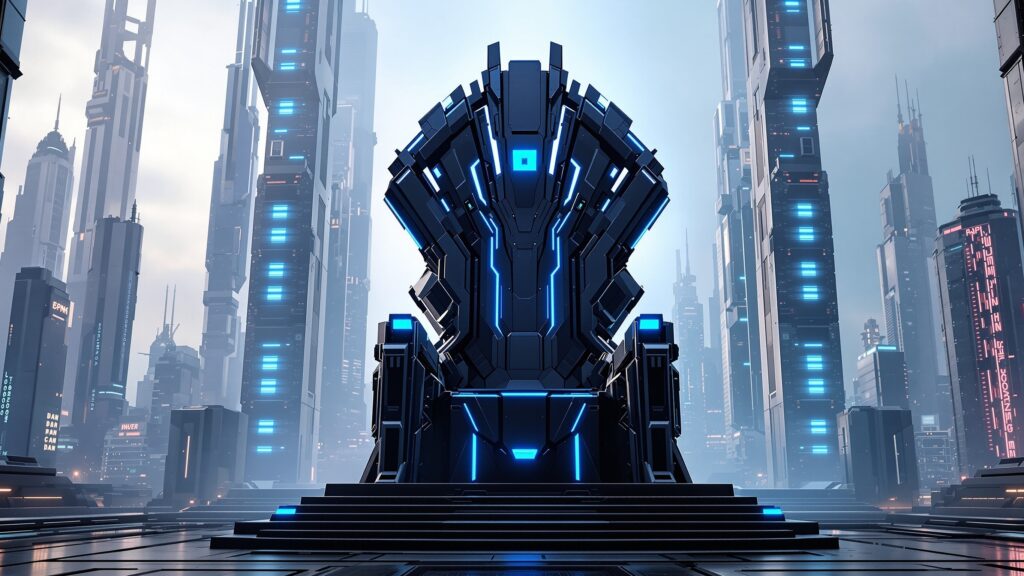
Giant Throne: Monumental Seats of Power, Fantasy, and Wonder
Throughout history, thrones have been more than just chairs. They are symbols of power, authority, and status, reserved for monarchs, emperors, religious leaders, and legendary figures. But when thrones are scaled to colossal proportions, they step beyond history into the realm of art, imagination, and entertainment. A giant throne is not simply an oversized chair—it’s a statement, a spectacle, and a source of fascination that bridges the worlds of myth and reality.
From medieval castles to modern theme parks, and from fantasy films to roadside attractions, giant thrones invite us to reflect on the meaning of power while also delighting us with whimsy and scale. They can inspire awe, evoke laughter, or create unforgettable photo opportunities. In short, giant thrones have become landmarks where history, culture, and creativity converge. This article explores the fascinating story of giant thrones: their symbolism, famous examples, engineering feats, role in tourism, and the ways they connect past grandeur with modern imagination.

A Short History of Thrones
The concept of a throne is as old as civilization itself. In ancient Egypt, pharaohs sat on elaborate ceremonial thrones that symbolized divine authority. In Greece and Rome, rulers and deities were often depicted enthroned, their seats crafted from marble, ivory, or precious metals. Thrones were never just practical furniture—they were ritualistic objects meant to elevate rulers above ordinary people, both physically and symbolically.
During the Middle Ages, thrones became central to monarchies and the Christian church. Kings, queens, and bishops were enthroned in ceremonies that reinforced their legitimacy. Thrones were carved from wood, inlaid with jewels, and draped with velvet, serving as tangible reminders of status and divine right.
In modern times, thrones remain ceremonial symbols, from Britain’s Coronation Chair in Westminster Abbey to ornate papal thrones in the Vatican. But outside palaces and churches, the throne has also taken on playful and imaginative meanings. Today, when we see a giant throne, it might not only represent authority—it might symbolize fantasy, fun, or artistic creativity.
Why Build a Giant Throne?
The idea of enlarging a throne captures both tradition and imagination. Thrones are already designed to stand out, often raised on platforms or surrounded by decorations. Making them giant only magnifies their inherent symbolism.
People and communities build giant thrones for several reasons:
Cultural Symbolism: They reflect power and heritage, drawing on royal or legendary themes.
Tourism: Oversized thrones act as roadside attractions or park landmarks that invite visitors to climb, pose, and share photos.
Art and Fantasy: Artists and designers use giant thrones to play with ideas of authority, myth, and human scale.
Entertainment and Branding: From movie promotions to fantasy-themed events, giant thrones create spectacle and audience engagement.
The result is a seat that does more than hold someone—it becomes a stage for storytelling.
Famous Giant Thrones Around the World
1. The Iron Throne of Westeros (Game of Thrones Replicas)
Perhaps the most iconic throne of modern popular culture is the Iron Throne from Game of Thrones. While fictional, this jagged, oversized seat made of swords has been replicated in giant form for exhibitions, conventions, and marketing campaigns. Fans flock to sit on it, experiencing for a moment what it might feel like to rule the Seven Kingdoms.
2. Giant Wooden Thrones in Theme Parks
Many fantasy or medieval-themed parks around the world feature giant thrones made of wood, stone, or synthetic materials. These thrones allow visitors to step into the role of royalty, knights, or adventurers, making them immersive photo opportunities and interactive attractions.
3. Tourist Landmarks in Small Towns
In the same tradition as giant rocking chairs or giant benches, some towns have erected giant thrones as quirky landmarks. For example, oversized kingly seats appear in plazas, vineyards, and roadside stops across Europe and North America. They combine craftsmanship with whimsy, symbolizing local pride while entertaining visitors.
4. Artistic Interpretations
Contemporary artists have used giant thrones in gallery installations to critique authority or explore themes of dominance. By exaggerating scale, they highlight the absurdity or weight of power. These pieces invite people not just to look at a throne, but to sit in one, blurring the line between observer and participant.
Engineering the Giant Throne
Building a giant throne requires more than creative vision. It’s an engineering challenge that blends aesthetics, safety, and durability.
Structural Strength
Unlike ceremonial thrones, giant thrones often serve as interactive objects. People want to climb on them, sit in them, and take photos. This requires reinforced construction, typically using steel frames hidden beneath wood, stone, or synthetic coverings.
Materials and Design
Depending on the theme, builders may use carved timber for a rustic medieval look, stone and concrete for permanence, or fiberglass and resin for fantasy replicas. Each material must be weather-resistant if outdoors, ensuring the throne can withstand both visitors and the elements.
Proportions and Accessibility
Scaling a throne correctly is essential. If the arms, backrest, or legs are disproportionate, the throne can look awkward. Designers often model their creations digitally, adjusting scale so the final product looks dramatic yet balanced. Some include steps or platforms to make climbing onto the seat easier and safer.
Symbolism of the Giant Throne
Thrones, in any size, carry strong symbolism: they are seats of power, decision, and prestige. Enlarged into giant form, those themes become exaggerated.
The giant throne represents:
Authority: Sitting on a throne—even a playful oversized one—makes people feel elevated.
Fantasy and Escape: A giant throne taps into stories of kings, queens, wizards, and heroes.
Perspective: By making the seat larger than life, it changes how we perceive ourselves and the world.
Community Identity: In towns and parks, giant thrones become symbols of pride and creativity.
In essence, giant thrones take an age-old emblem of power and turn it into something interactive and inclusive.
Why People Love Giant Thrones
The popularity of giant thrones can be explained by psychology, culture, and simple fun. Sitting on one allows people to embody roles they’ve only imagined—royalty, conquerors, or fantasy heroes. It triggers nostalgia for fairy tales and legends, blending childhood imagination with adult humor. Giant thrones are also inherently photogenic, making them perfect for social media. Most importantly, they democratize the experience of power. While historical thrones were reserved for the elite, giant thrones invite anyone to sit, smile, and feel like royalty, if only for a moment.
Giant Thrones and Tourism
Like other oversized attractions, giant thrones can transform a location into a destination. Travelers stop not only to admire the craftsmanship but to participate in the experience by climbing up and posing.
For example, in Italy, vineyards participating in community art projects sometimes place giant thrones overlooking their fields. Visitors are encouraged to enjoy both the seat and the scenery, making the throne part of the tourism economy. Similarly, in North America, roadside giant thrones are magnets for road-trippers seeking quirky stops. In both cases, the throne is not just furniture—it’s an anchor for community pride and economic vitality.
Thrones in Marketing and Pop Culture
Thrones have also been used extensively in marketing. From the Iron Throne in Game of Thrones promotions to oversized thrones in shopping malls during holiday events, these seats capture attention and create shareable experiences.
During Christmas, for instance, giant thrones often appear as Santa’s chair in malls and festivals. Their oversized nature makes the scene more magical, creating a perfect setting for family photos. In other campaigns, giant thrones serve as stages for celebrity appearances, sports celebrations, or product launches. By blending symbolism with scale, brands tap into both tradition and spectacle.
Thrones as Artistic Statements
In art, thrones often carry commentary on authority, status, or even inequality. Enlarging them into giant form pushes these themes further. A massive throne in a public square might critique the weight of leadership, question power structures, or celebrate the absurdity of status symbols. Artists use giant thrones to invite interaction. Unlike traditional thrones locked behind ropes in palaces, these can often be sat in. This changes the dynamic, allowing everyday people to embody authority or reflect on its meaning.
Could You Build Your Own Giant Throne?
For skilled woodworkers, metalworkers, or designers, building a giant throne can be an ambitious project. Smaller “giant” versions, perhaps large enough to hold a group of friends, are achievable for private gardens, businesses, or themed events.
Builders typically use sturdy frames of wood or steel, adding decorative carvings or upholstery depending on the theme. A medieval-style giant throne might feature carved dragons or lions, while a modern fantasy throne might be sleek and angular. Even if most people never build one, the idea of crafting a giant throne sparks imagination about how scale can transform ordinary furniture into extraordinary experiences.
The Psychology of Oversized Thrones
Oversized thrones strike a unique chord. They alter our sense of scale, making us feel both small and powerful at the same time. Sitting in a giant throne exaggerates status playfully, mixing humor with awe. They also tap into childhood memories of fairy tales, where kings, queens, and magical rulers sat on thrones. By enlarging the seat, the fantasy feels even more real. Psychologists note that oversized furniture often rekindles childlike feelings of wonder, and the throne adds layers of symbolism tied to authority and imagination.
The Future of Giant Thrones
As social media continues to shape tourism and entertainment, giant thrones are likely to grow in popularity. They’re ideal for photo-sharing platforms, where visitors love to capture themselves “ruling” from a colossal seat.
Future versions may integrate interactive features—illuminated designs, sound effects, or augmented reality enhancements. Imagine sitting on a giant throne that lights up like fire, or one that digitally projects a crown onto your head for photos. Sustainability will also play a role. Builders may use recycled materials, eco-friendly finishes, or even digital thrones in virtual spaces. The throne as a symbol will evolve, but its oversized versions will continue to fascinate.
Conclusion: Taking a Seat of Power, Playfully
The giant throne is more than a chair—it’s a fusion of history, culture, art, and imagination. From ancient palaces to modern roadside attractions, thrones have always symbolized power. Enlarged into giant form, they invite everyone to share that power, transforming exclusivity into inclusivity.
Whether they appear in vineyards, shopping centers, art galleries, or fantasy conventions, giant thrones captivate because they blend awe with playfulness. They remind us of childhood stories, royal traditions, and the humor of scale. Most importantly, they invite us to sit, smile, and imagine ourselves as rulers of a world where comfort, creativity, and community reign. So the next time you come across a giant throne, don’t hesitate to climb up and take a seat. For a few moments, you too can rule—if only in spirit—on a monumental seat of wonder.
Contact us today to learn more about our 3D services and how we can help you achieve your goals.