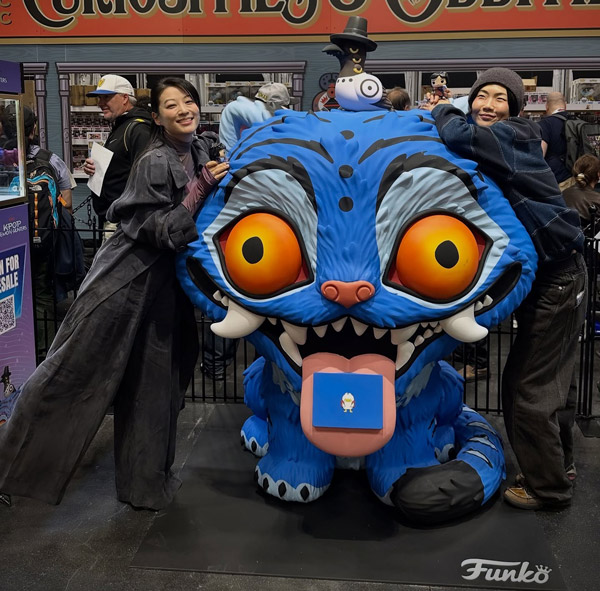
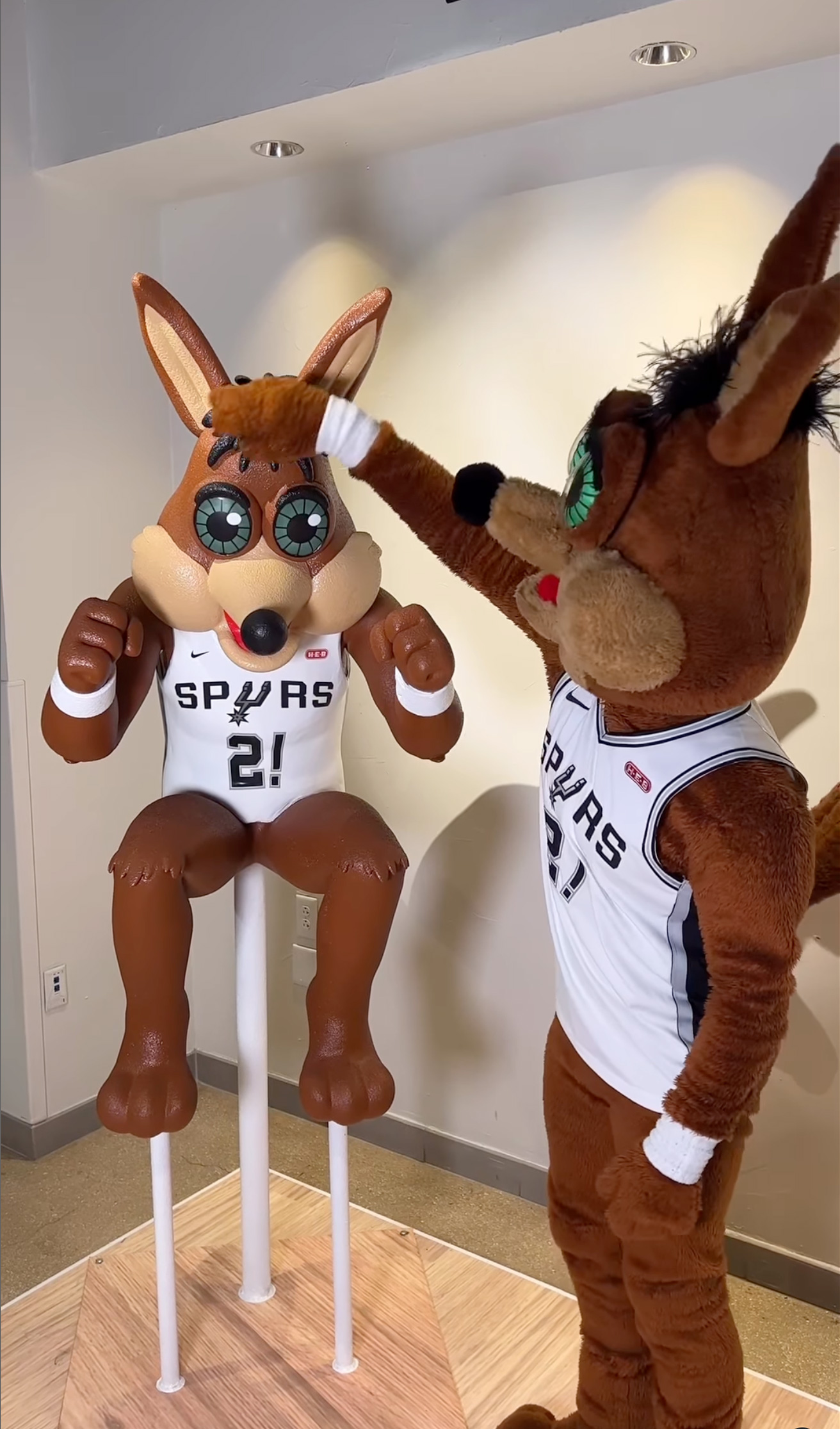
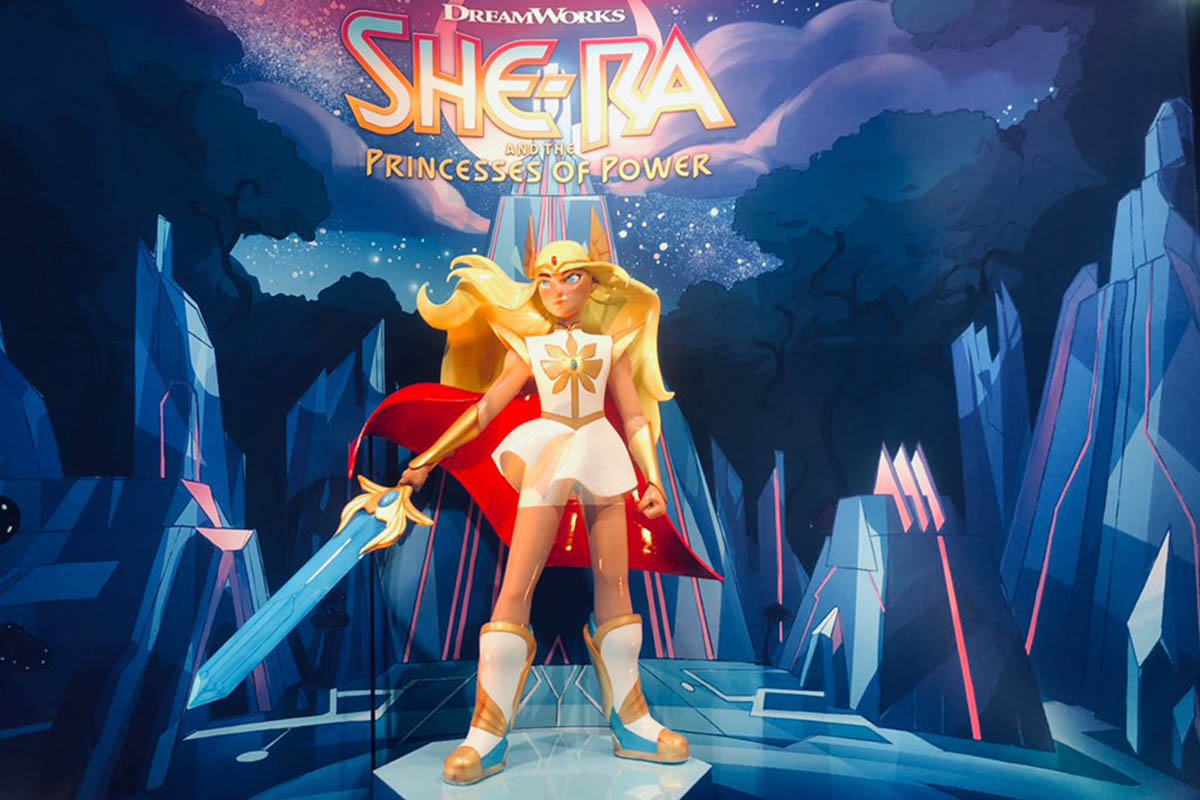
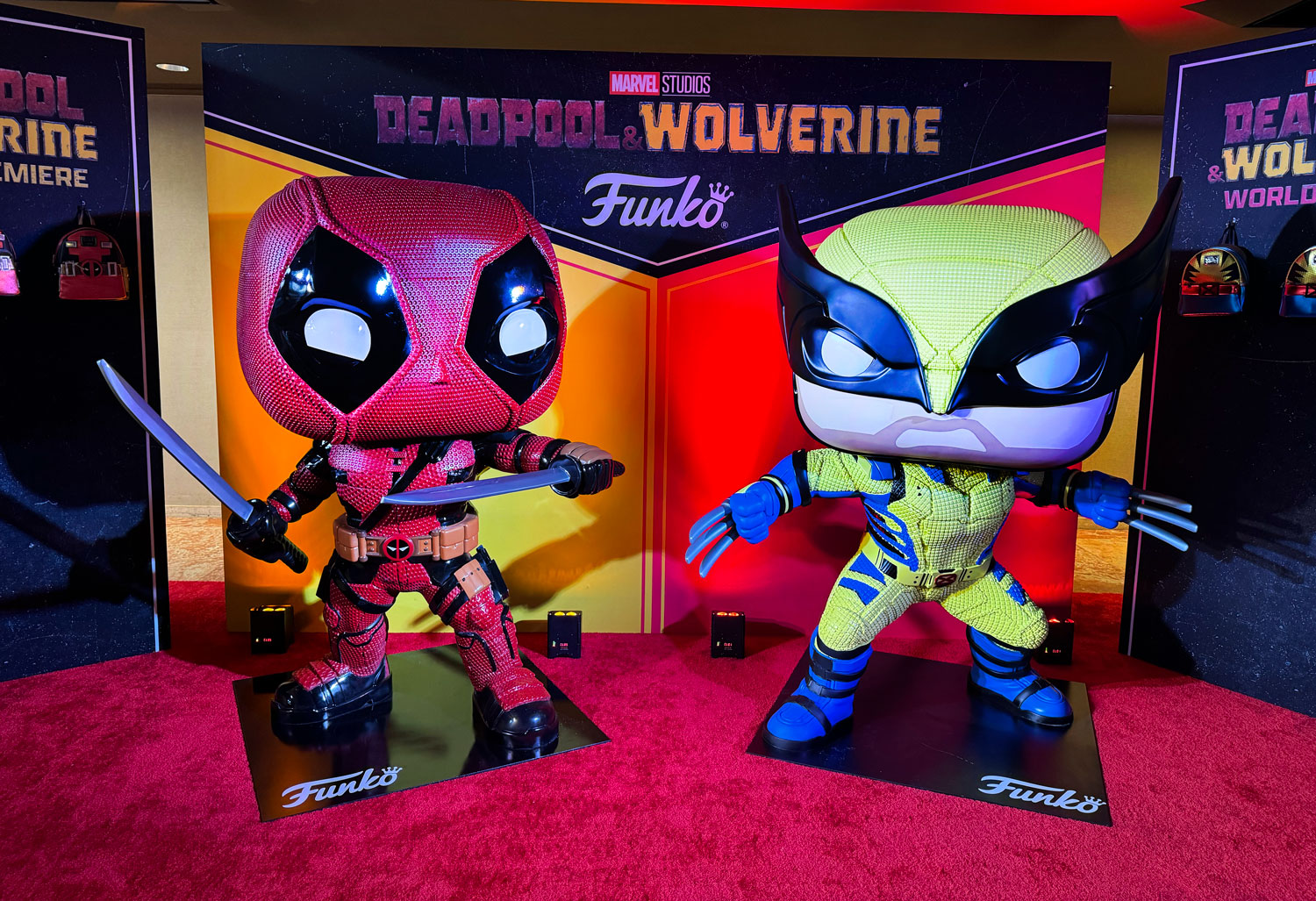
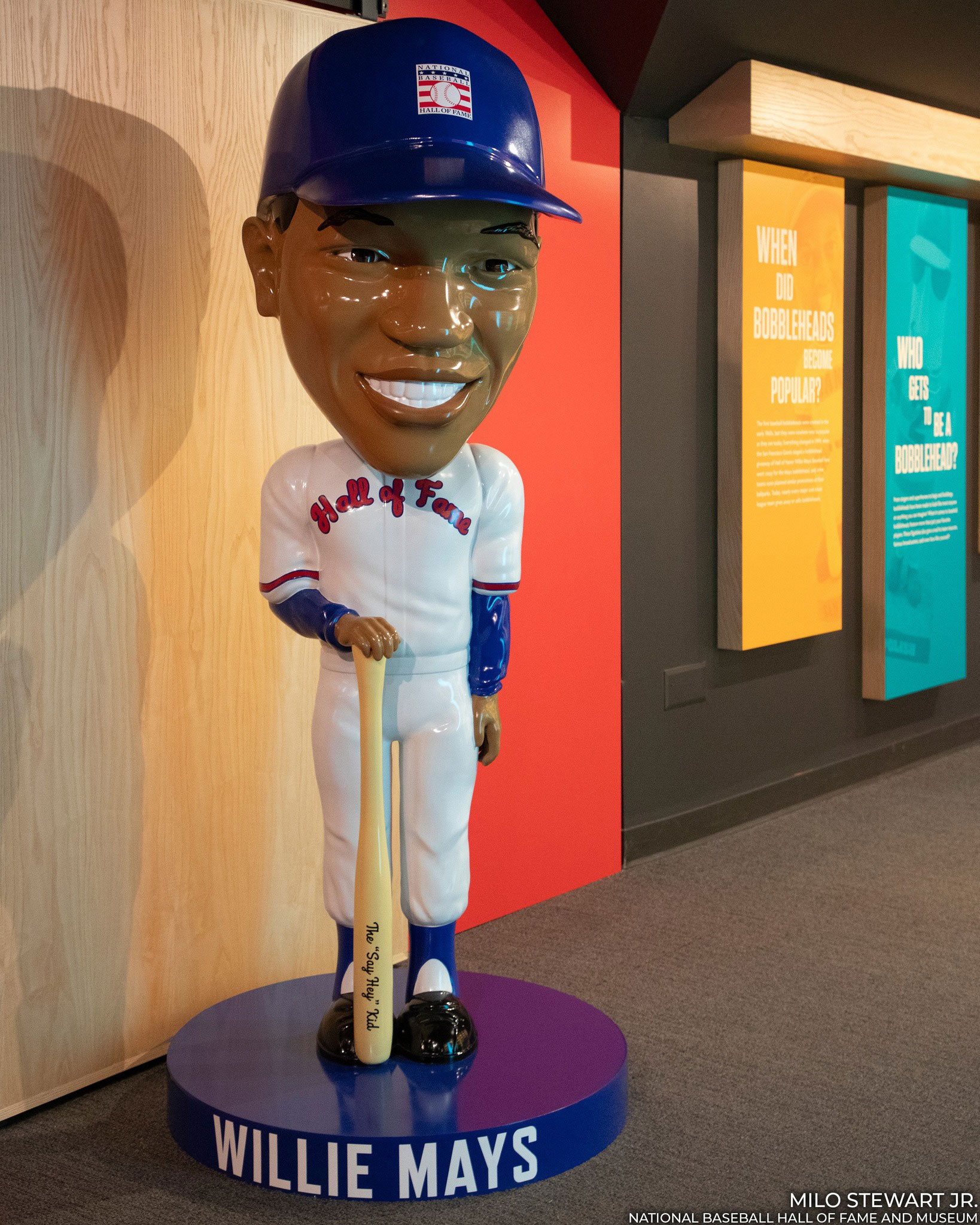
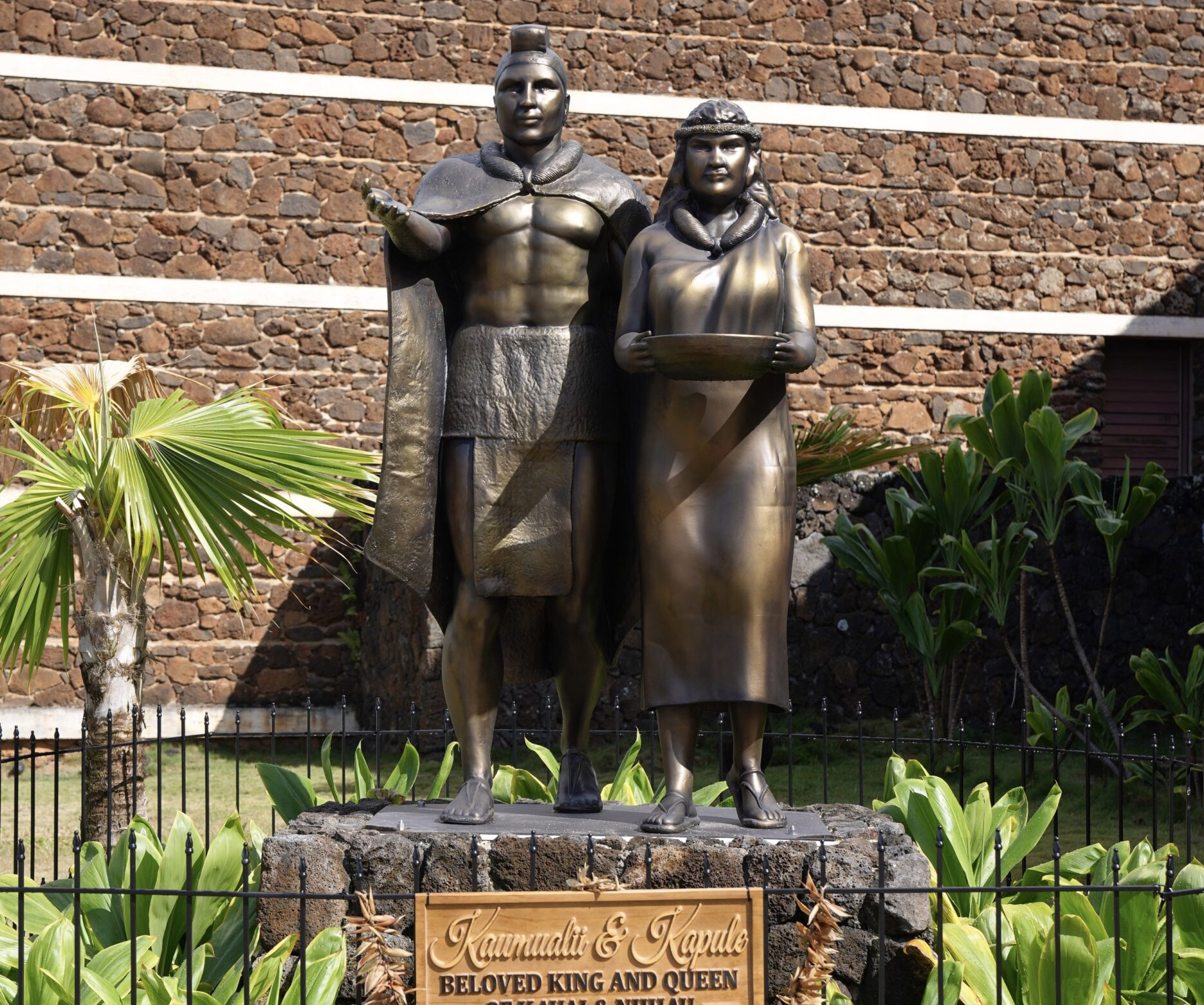
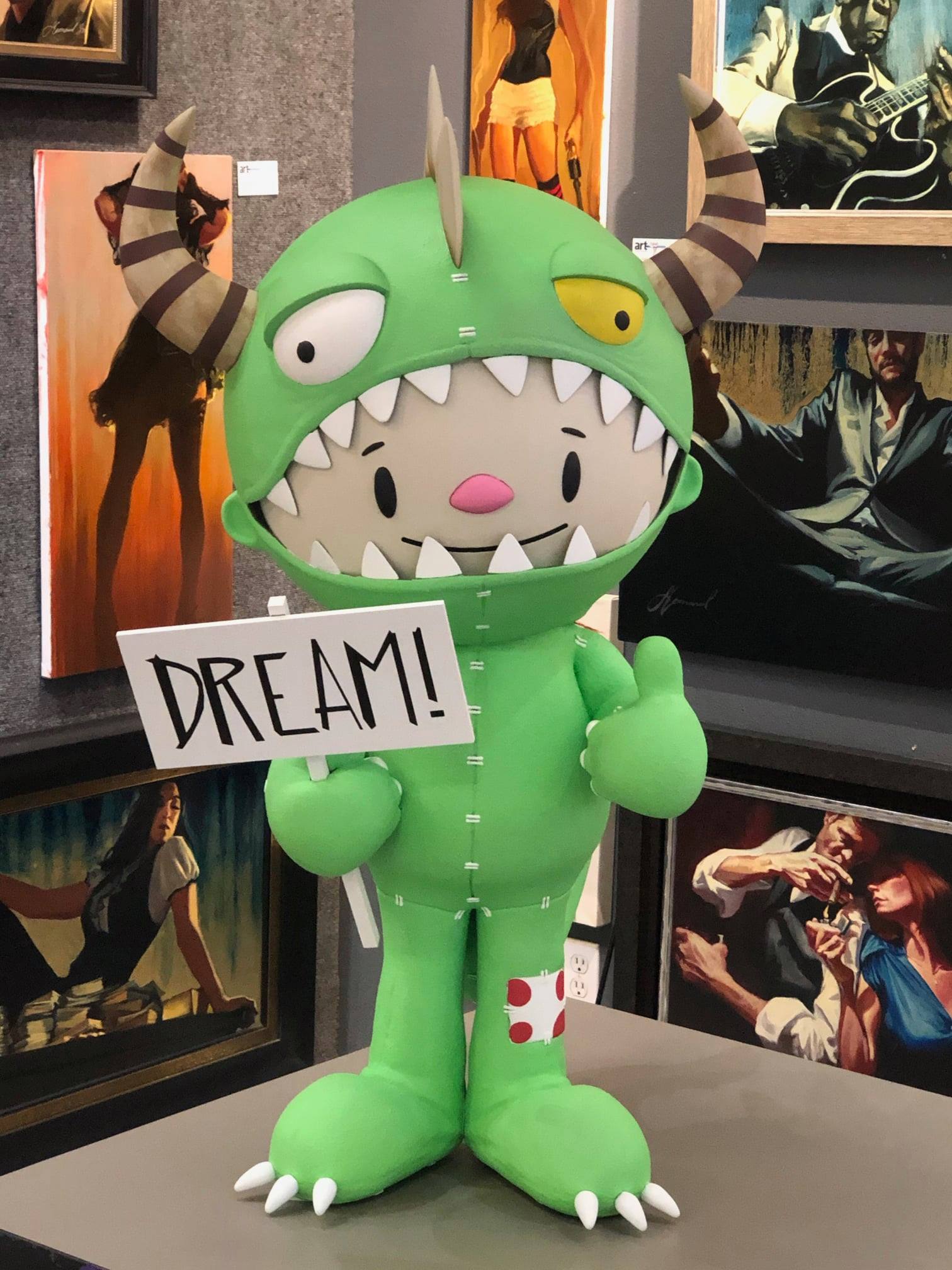
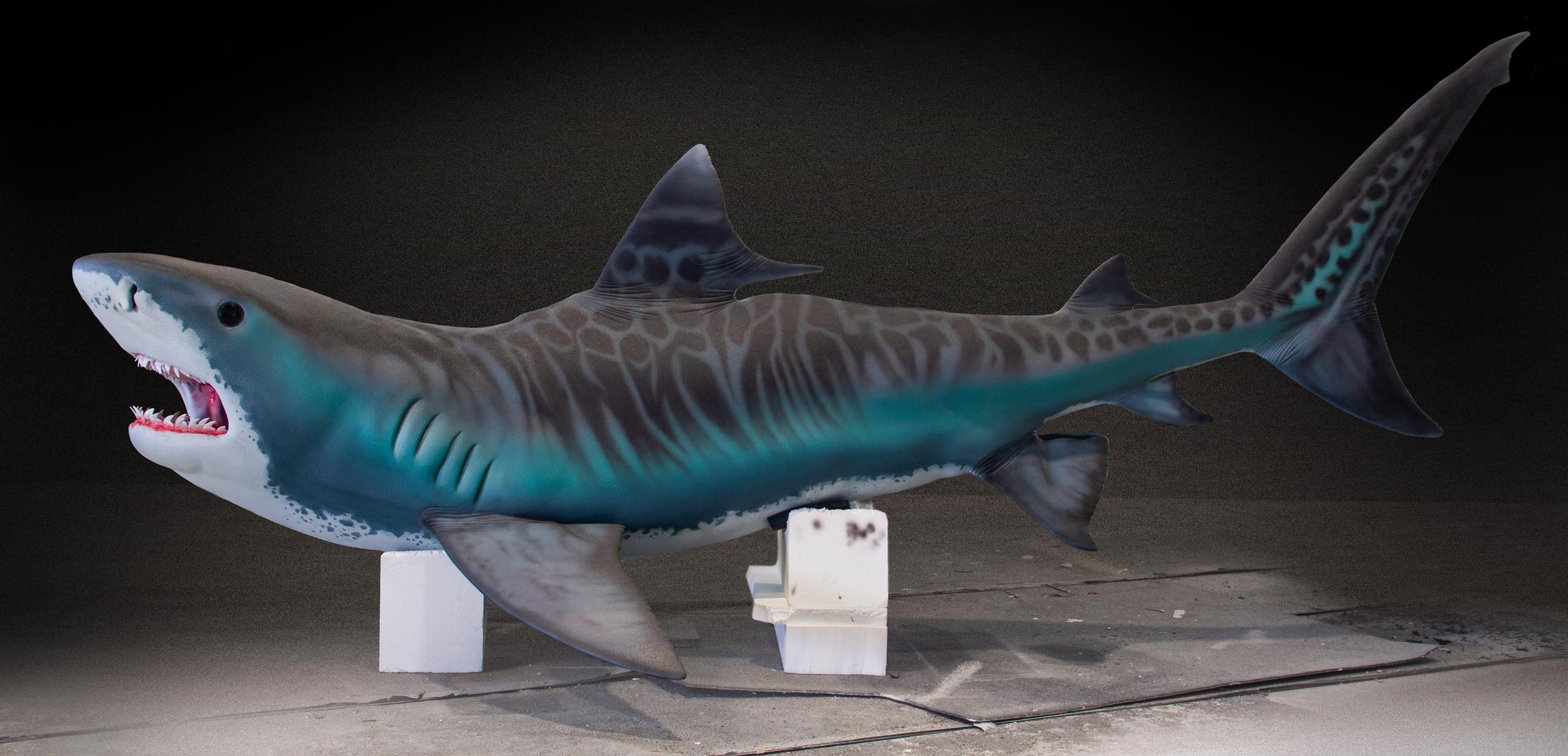
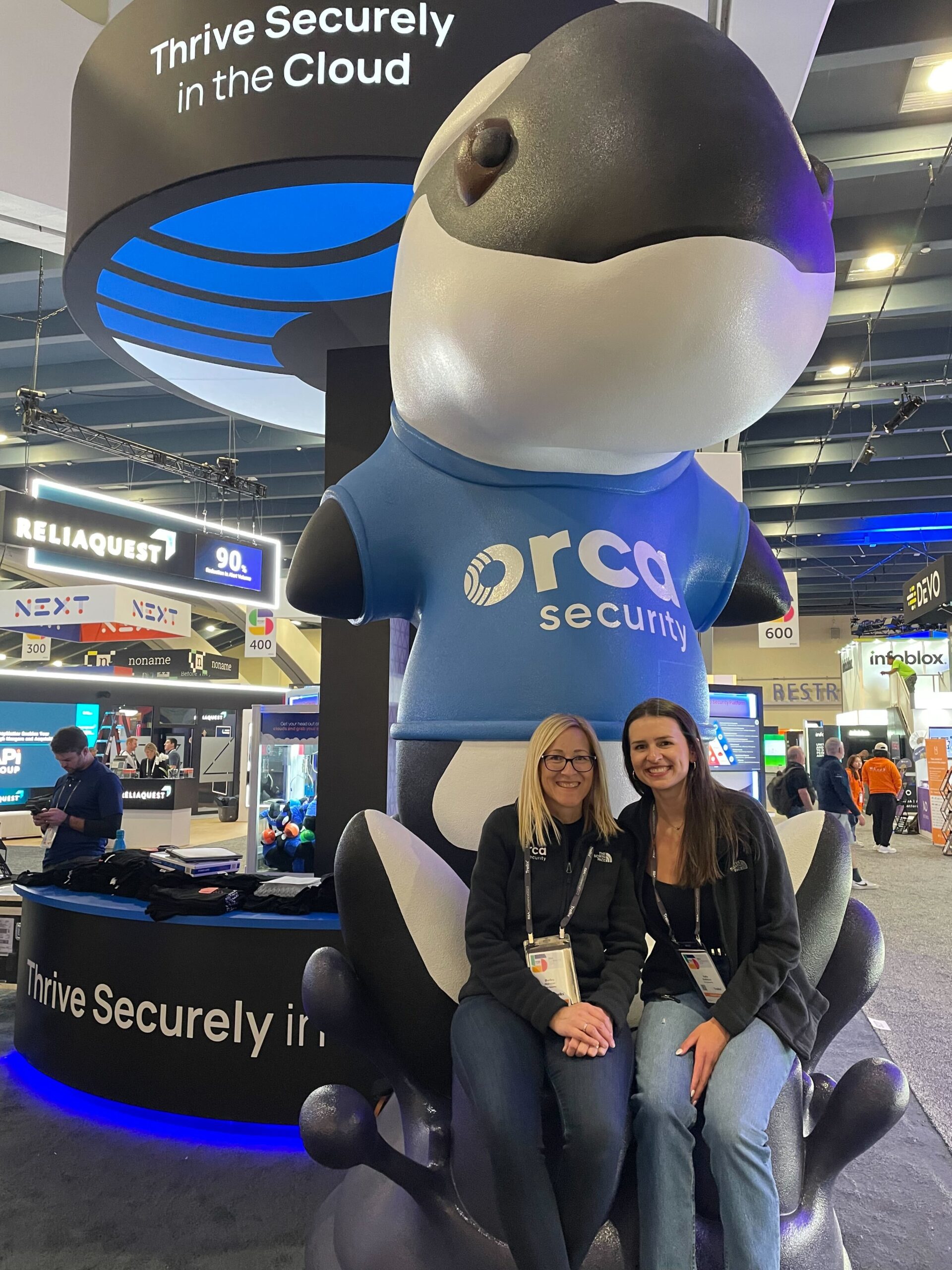
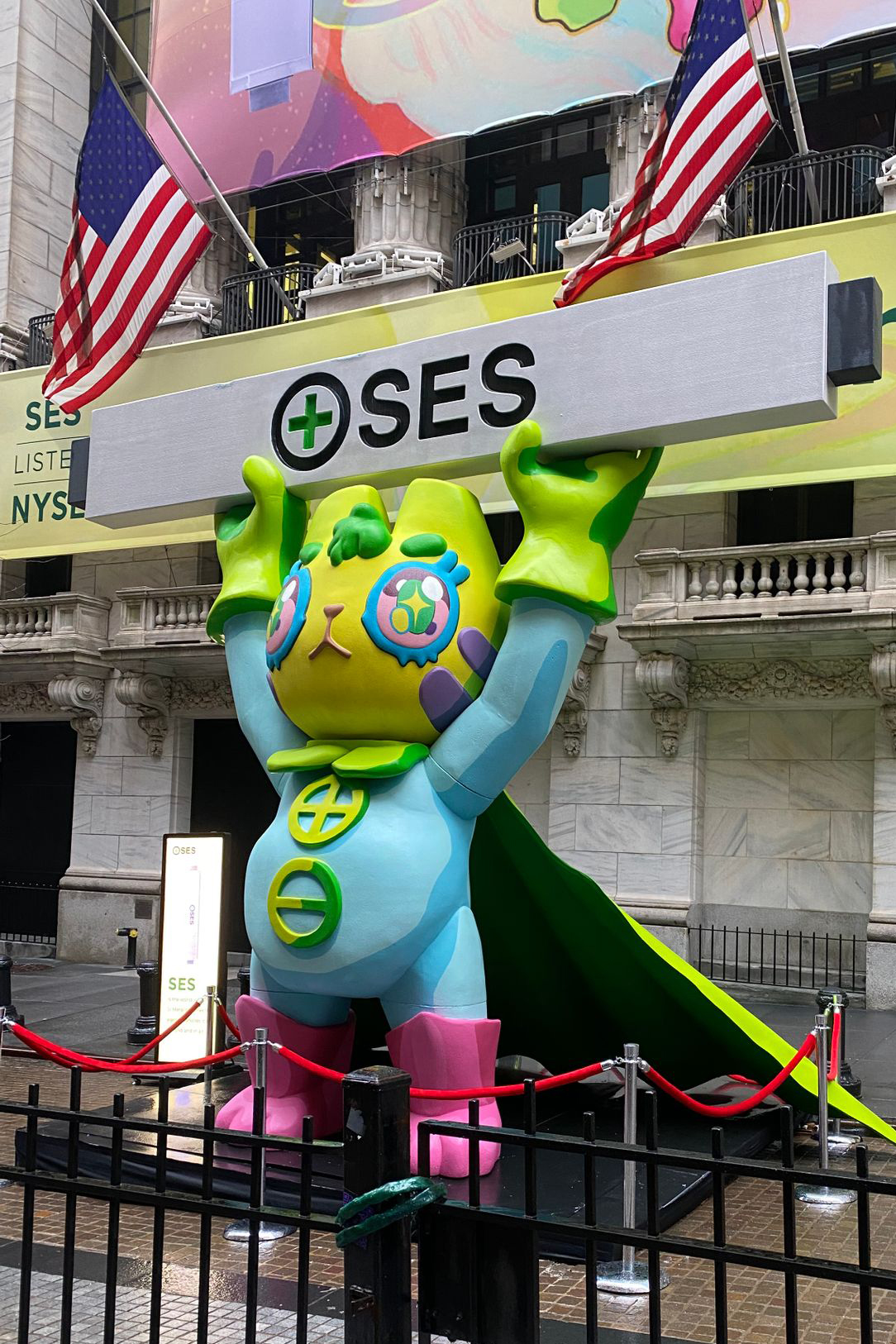
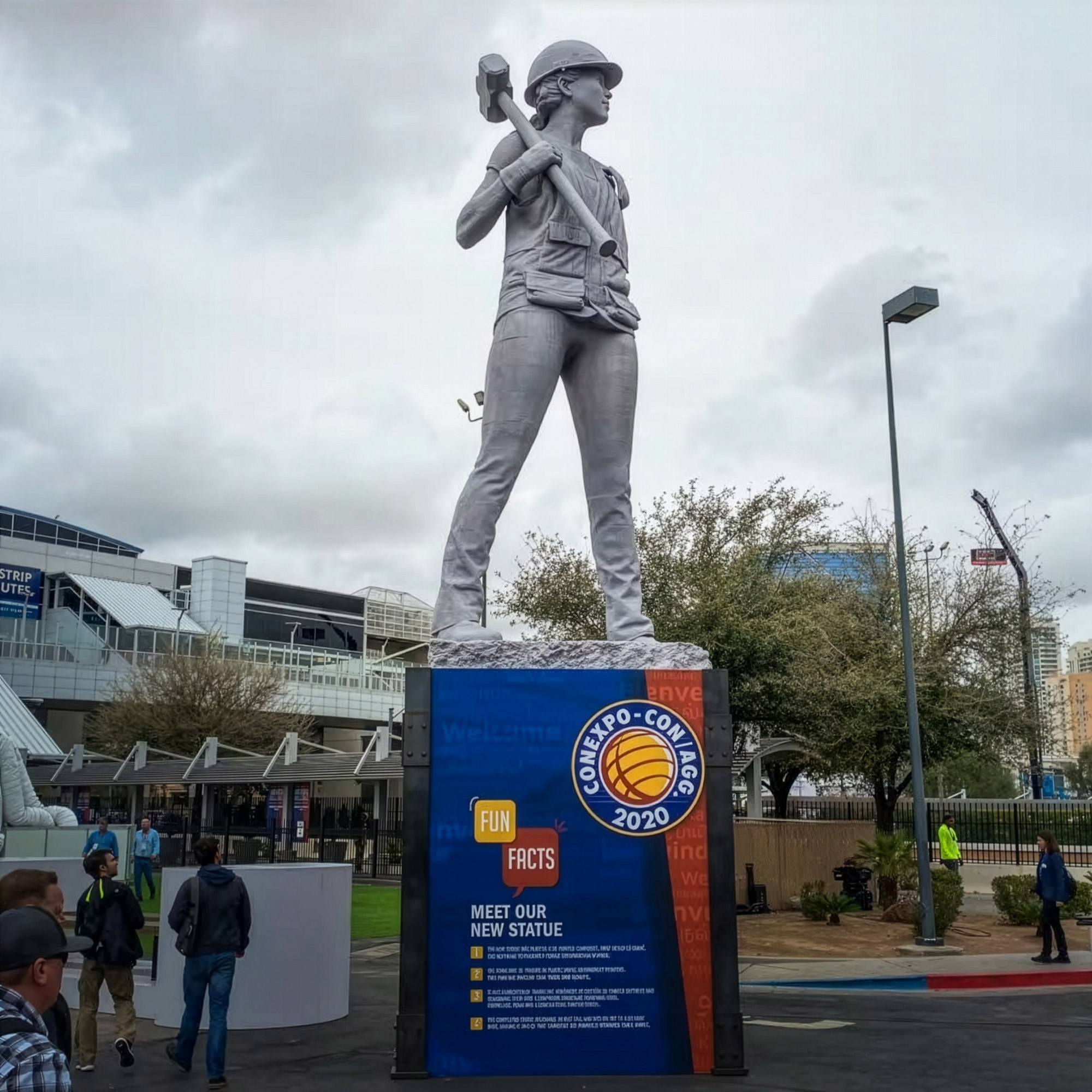
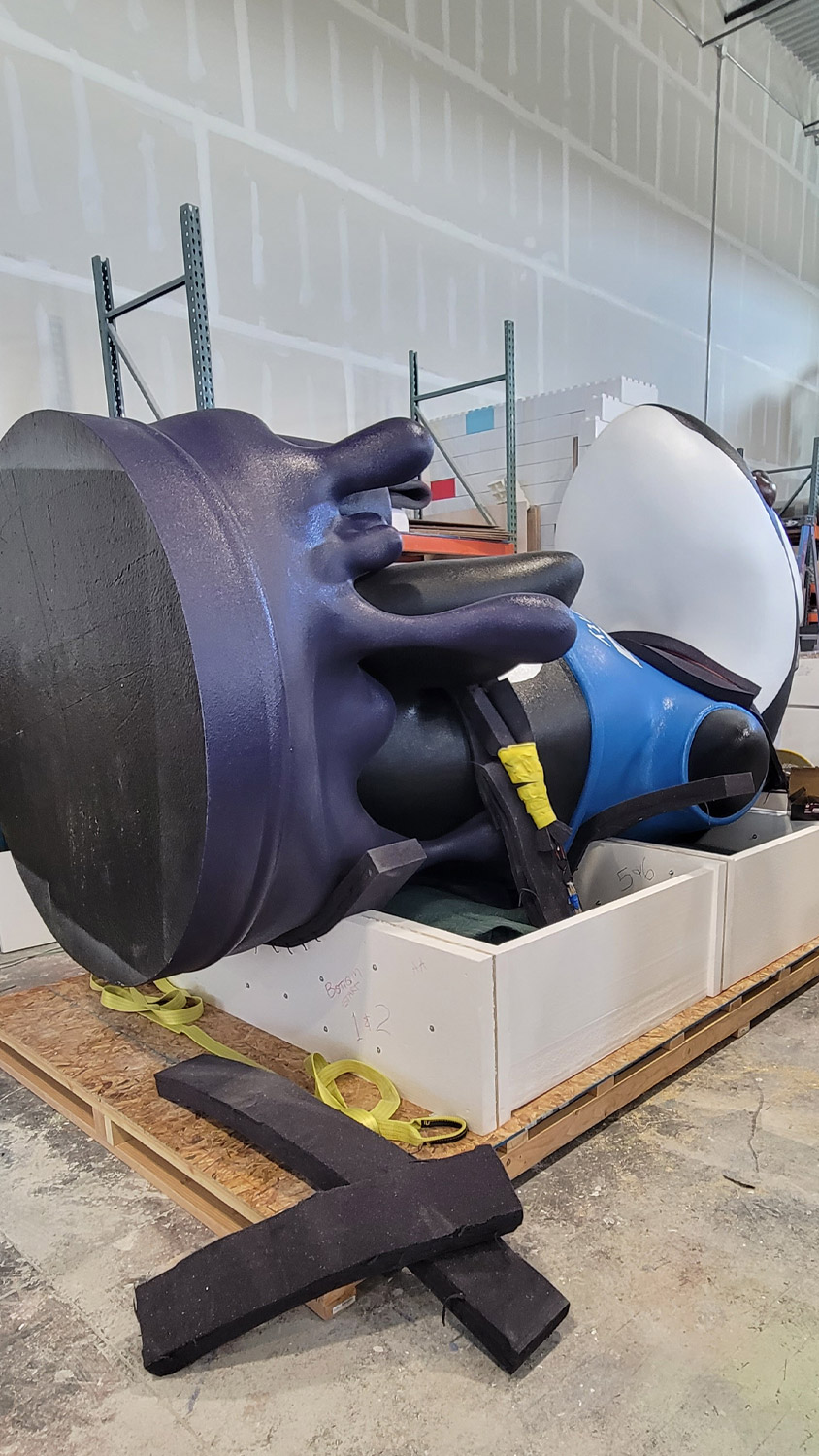
What types of custom character props and 3D statues does WhiteClouds make?
WhiteClouds builds custom character props, mascot statues,
brand characters, cartoon character models, video game character
statues, movie and entertainment props, museum figures, school
mascot statues, public display sculptures, faux-metal statues,
photo-op props, small character models, and maquettes.
What do you need to start a quote?
The most helpful starting details are the character artwork,
approximate size, intended use, temporary or permanent display
requirements, indoor or outdoor environment, expected public
interaction, deadline, shipping destination, and any reference
images you already have. Sketches, photos, 3D files, scans, toys,
brand guidelines, pose examples, and examples of the desired
finish can all help define the scope.
Do I need a finished 3D file?
No. A finished 3D file can be helpful, but it is not required.
WhiteClouds can often start from 2D artwork, sketches, photos,
scans, toys, drawings, reference images, or written descriptions.
Additional design development may be needed depending on the
character and level of detail.
Can you make oversized or life-size character statues?
Yes. WhiteClouds can fabricate life-size, oversized, and
larger-than-life characters for trade shows, conventions,
schools, museums, theme parks, retail spaces, public displays,
movie premieres, game launches, fan events, and brand activations.
Can a character statue be built for temporary or permanent display?
Yes. WhiteClouds can plan character props for temporary events,
repeated transportation, permanent indoor display, covered outdoor
use, or fully exposed outdoor installation. The intended lifespan
and environment affect the materials, internal structure, coatings,
base, anchoring, weight, portability, and maintenance requirements.
Can character props be designed for touching, sitting, or climbing?
Some character displays can be designed for public touching,
posing, sitting, or other physical interaction, but these
requirements must be disclosed early. Displays intended to support
body weight, climbing, or active play may require additional
structure, anchoring, coatings, site planning, and project-specific
review. Not every character concept or pose is appropriate for
load-bearing use.
Can character props include lighting, motion, or interactive features?
Yes. Custom character props can include LED lighting, glowing
eyes, sound, motion, bobblehead mechanisms, moving parts, sensors,
buttons, and other interactive features. These details affect
design, wiring, testing, internal structure, timeline, and budget.
What materials are used for custom 3D statues?
Custom 3D statues may use EPS foam, high-density foam,
3D-printed plastic, fiberglass, resin, metal armatures, wood bases,
acrylic, hard coatings, faux-metal finishes, paint, vinyl graphics,
lighting, electronics, and mixed materials depending on the size,
finish, durability, and display environment.
Can you make faux bronze or faux metal statues?
Yes. WhiteClouds can create faux-bronze, faux-chrome, faux-steel,
trophy-style, and monument-inspired finishes. These finishes can
provide a metal-like appearance while using fabrication methods
that may be lighter or more practical than solid metal for certain
projects.
Can character props be used outdoors?
Yes, but outdoor use should be discussed early. Outdoor character
statues may need additional structure, protective coatings,
UV-resistant finishes, drainage, anchoring, weather considerations,
and installation planning based on sun, moisture, wind, temperature
changes, and public interaction. Maintenance and lifespan depend on
the materials, finish system, exposure, site conditions, and use.
Can you produce more than one copy of a character statue?
In many cases, yes. WhiteClouds can produce matching or closely
matched copies of a character statue. Repeat units may benefit from
completed design work, molds, digital files, templates, or other
repeatable fabrication processes, although final pricing depends on
the quantity, size, materials, finish, and production method.
Do I need permission to reproduce an existing character?
Clients are responsible for securing the appropriate rights or
authorization to reproduce third-party characters, artwork, logos,
likenesses, and other intellectual property. WhiteClouds can work
from client-owned artwork, authorized brand assets, licensed
references, and original character designs.
Can character props and statues be shipped internationally?
Yes. WhiteClouds can crate and ship custom character props and
statues throughout the United States and internationally. Large
pieces can often be fabricated in sections for freight, customs,
venue access, and on-site assembly. Shipping, handling, access
points, installation, and setup requirements should be discussed
early.
How long does a custom character prop or 3D statue take?
Timeline depends on the size, character complexity, design
development, materials, internal structure, finish quality,
lighting, motion, approvals, shipping, and installation
requirements. Event dates, openings, premieres, trade shows, and
public display deadlines should be shared as early as possible.