
The Quirky Charm of the Giant Prairie Dog Statue
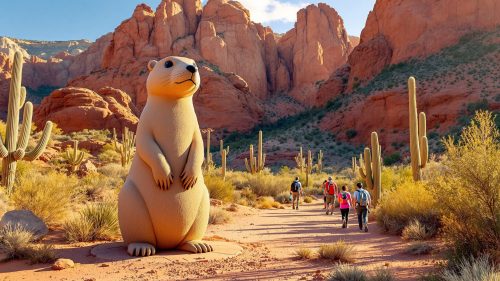
Some statues inspire awe, others spark reverence—but a giant prairie dog statue? That’s a recipe for charm, surprise, and community identity. Prairie dogs are not typically the first animal people imagine when picturing monuments, yet when sculpted in colossal form, these little burrowers take on a whole new personality. The giant prairie dog statue is both playful and symbolic, celebrating a creature deeply tied to the prairies of North America while serving as a quirky landmark for curious travelers. Whether you encounter one in a roadside attraction, a small-town park, or even outside a business, these oversized rodents delight passersby and remind us of the joy in celebrating the unexpected. This article takes you through the cultural significance of prairie dogs, the appeal of immortalizing them in giant form, real-world examples, the design styles artists choose, the experience of encountering one, and even the fascinating process of fabricating such an unusual but memorable statue.
Prairie Dogs: Small Creatures with Big Symbolism
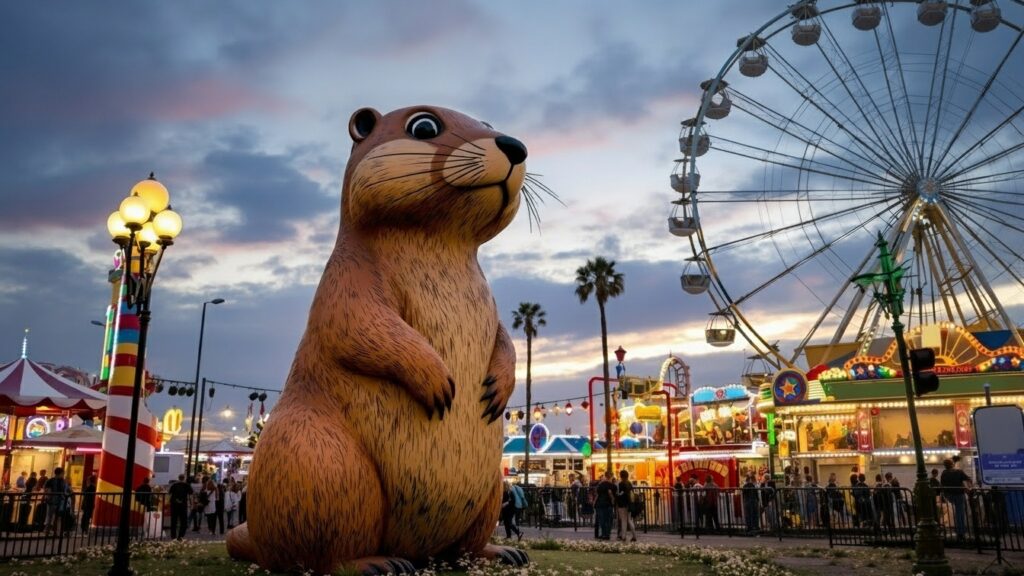
Before diving into statues, it’s worth remembering why prairie dogs matter. Despite their name, prairie dogs are not canines but burrowing rodents found across the grasslands of North America. They live in large, complex colonies often referred to as “towns,” with tunnels and chambers that can stretch for miles. Culturally, prairie dogs have been associated with community, cooperation, and resourcefulness. They communicate with sophisticated vocalizations, working together to protect and support their group. Native American traditions often regard them as messengers or symbols of alertness, embodying the spirit of the prairie itself. By transforming these small but socially significant animals into statues several times their natural size, artists and towns elevate prairie dogs into powerful symbols of unity, resilience, and regional pride.
Roadside Americana and the Rise of the Quirky Landmark
The idea of a giant prairie dog statue fits perfectly into the tradition of roadside Americana—those larger-than-life sculptures designed to draw the eye of motorists and invite them to stop, take photos, and maybe spend money at a nearby café, gas station, or gift shop. In the mid-20th century, the rise of car culture in the United States led to a boom in roadside attractions. Giant cows, oversized donuts, and massive fiberglass dinosaurs became iconic parts of road trips. A giant prairie dog statue slots right into this tradition, surprising travelers with something both unexpected and regionally specific. Unlike towering monuments of presidents or generals, a giant prairie dog statue leans into whimsy. It says: “We may not be the biggest city, but we have personality.” It embraces humor and charm, qualities that make people smile and remember their visit.
Famous Examples of Prairie Dog Statues
One of the most famous is located in Cactus Flat, South Dakota, outside a prairie dog-themed gift shop and attraction. Towering above visitors, this statue greets travelers on their way to Badlands National Park, offering not just a photo opportunity but also a reminder of the prairie dog’s role in the local ecosystem. Other towns in prairie dog country—from Kansas to Colorado—have also embraced prairie dog statues, often outside businesses, gas stations, or parks. While not as universally known as roadside dinosaurs or Muffler Men, prairie dog statues have a cult following among travelers who delight in collecting quirky roadside landmarks. Online communities celebrate these statues by sharing photos and travel guides, ensuring that anyone passing through prairie dog country knows to stop and admire these oversized burrowers.
Why Prairie Dogs Work So Well in Giant Form
At first glance, prairie dogs may seem like an odd choice for monumental art. They’re small, skittish creatures not exactly associated with grandeur. But when enlarged into giant statues, their features become endearing and expressive.
Prairie dogs have round, inquisitive eyes that seem to sparkle when magnified. Their upright stance—paws held against their chest as they survey their surroundings—creates an iconic silhouette perfect for statues. In giant form, this posture transforms into a comical yet commanding presence, blending humor with dignity. Another reason prairie dogs work so well is their connection to place. For communities across the Great Plains, prairie dogs are part of the local identity. A giant statue doesn’t just celebrate the animal; it celebrates the prairie ecosystem and the people who call it home.
Artistic Styles of Giant Prairie Dog Statues
The artistic interpretations of prairie dog statues vary widely, adding to their charm. Some aim for realism, with detailed fur textures, lifelike eyes, and natural coloring that make the prairie dog look as though it could spring to life. These statues often appear in conservation areas or parks, where accuracy reinforces educational messages. Others go for cartoonish whimsy, exaggerating the roundness of the body, the sparkle of the eyes, or the cuteness of the posture. Painted in bright, glossy colors, these statues lean into fun and accessibility, making them irresistible for family photos. Then there are stylized or abstract versions, where the prairie dog is reimagined with smooth surfaces, geometric lines, or even metallic finishes. These statues treat the animal as a muse for modern art, turning a familiar creature into an object of creative reinterpretation. Regardless of style, the goal is the same: to take a humble rodent and elevate it into a larger-than-life figure that captivates all who pass by.
The Emotional Experience of Encountering One
Few statues elicit as immediate and joyful a reaction as a giant prairie dog. Travelers often stumble upon them unexpectedly, rounding a corner or pulling off a highway to find an oversized rodent waiting to greet them. The experience is almost always met with smiles, laughter, and curiosity. Children are especially drawn to the statues, marveling at the idea of an animal they might see scurrying in fields suddenly transformed into a towering presence. Adults, too, can’t resist the humor and charm, often snapping photos to share with friends and family. But beneath the humor lies a sense of pride. For locals, a giant prairie dog statue becomes a recognizable landmark, a piece of home that distinguishes their town from anywhere else. It’s a celebration of uniqueness, turning what might seem ordinary into something extraordinary.
Giant Prairie Dog Statues in Community Identity
Many small towns across America struggle to distinguish themselves in a world where chain stores and highways make one place look much like another. A giant prairie dog statue solves that problem in an instant. It becomes a talking point, a local icon, and a source of community identity.
Residents may use the statue in marketing materials, postcards, or town festivals. Businesses nearby benefit from increased traffic as curious travelers stop to see the statue. In this way, the giant prairie dog becomes not just an artistic installation but an economic asset. It also ties the community to its natural environment. By choosing the prairie dog, towns emphasize their connection to the prairie ecosystem, wildlife, and rural heritage. The statue says: “We are proud of where we come from, and we celebrate it.”
How a Giant Prairie Dog Statue is Fabricated
Creating a giant prairie dog statue is no small feat. It requires creativity, engineering, and craftsmanship to transform a small burrower into a towering landmark.
Concept and Design
The process begins with sketches or digital renderings. Artists decide on the prairie dog’s pose—usually upright, alert, and slightly comical. A scale model may be built first to ensure proportions work when magnified. Engineers then assess the design for structural stability, especially if the statue will stand outdoors for decades.
Material Selection
The choice of material depends on the statue’s purpose and location.
- Fiberglass and Resin are popular for roadside statues. They’re lightweight, durable, and weather-resistant, making them perfect for quirky landmarks.
- Concrete or Stone may be used for more permanent installations, giving the statue a heavy, grounded presence.
- Metal Framework with Coated Exterior provides structural integrity while allowing detailed surface textures to be applied.
- Paint and Finish are crucial. Glossy paint can make a cartoonish prairie dog pop with color, while matte finishes with realistic shading create lifelike appearances.
Structural Engineering
Even though prairie dogs are small animals, their enlarged statues often stand 10 to 20 feet tall. To support this size, an internal steel skeleton is built, distributing weight and preventing collapse. Foundations must be reinforced, particularly in areas with strong winds.
Sculpting and Detailing
The outer surface is sculpted to capture the prairie dog’s signature features: rounded body, small paws, upright posture, and expressive eyes. For realism, textures mimic fur and whiskers. For whimsical versions, surfaces are smoother and colors brighter.
Installation
Transporting a giant statue is a logistical challenge. Sections may be built off-site and then assembled in place with cranes or lifts. Once installed, the statue is anchored to its foundation and sealed for weather protection.
The result is a landmark that can endure decades of admiration and amusement, standing tall as a community icon.
The Future of Giant Prairie Dog Statues
As public art evolves, so too does the potential of prairie dog statues. Future versions may incorporate interactive elements, such as motion sensors that trigger prairie dog calls or lights that illuminate the statue at night.
Artists might also use sustainable materials, incorporating recycled plastics or solar-powered lighting to reflect eco-conscious values. Augmented reality could add another layer, allowing visitors to scan the statue with a phone to see animations or learn about prairie dog conservation. Community involvement is also likely to grow. Residents could help paint or design their town’s statue, ensuring it reflects local identity while fostering civic pride. In the coming years, expect giant prairie dog statues to remain beloved roadside icons while also evolving into modern, interactive works of art that blend humor, education, and creativity.
Conclusion: A Celebration of Whimsy and Place
The giant prairie dog statue may not be as grand as a marble monument or as famous as a presidential sculpture, but that’s precisely its charm. It celebrates the quirky, the unexpected, and the playful spirit of roadside art. It elevates an ordinary animal into an extraordinary icon, delighting travelers and anchoring communities with pride. Whether standing outside a gift shop in South Dakota, perched in a town park in Kansas, or imagined in future interactive forms, the giant prairie dog statue reminds us that art doesn’t always have to be serious to be meaningful. Sometimes, the most memorable landmarks are the ones that make us laugh, smile, and stop for just a moment on our journey. In a world where sameness often prevails, a giant prairie dog statue is a celebration of uniqueness. It stands tall not just for the animal it represents but for the communities that embrace whimsy, creativity, and pride in their place on the map.
Check out WhiteClouds’ 3D Statues for more information.
Contact us today to learn more about our 3D services and how we can help you achieve your goals.