
Planning a Giant Polar Bear Display
A giant polar bear display begins with stance, body proportion, head direction, paw placement, and the way a pale surface carries form at viewing distance. Those choices should be defined for the new concept while completed WhiteClouds bears serve only as physical references.
Plan a Polar Bear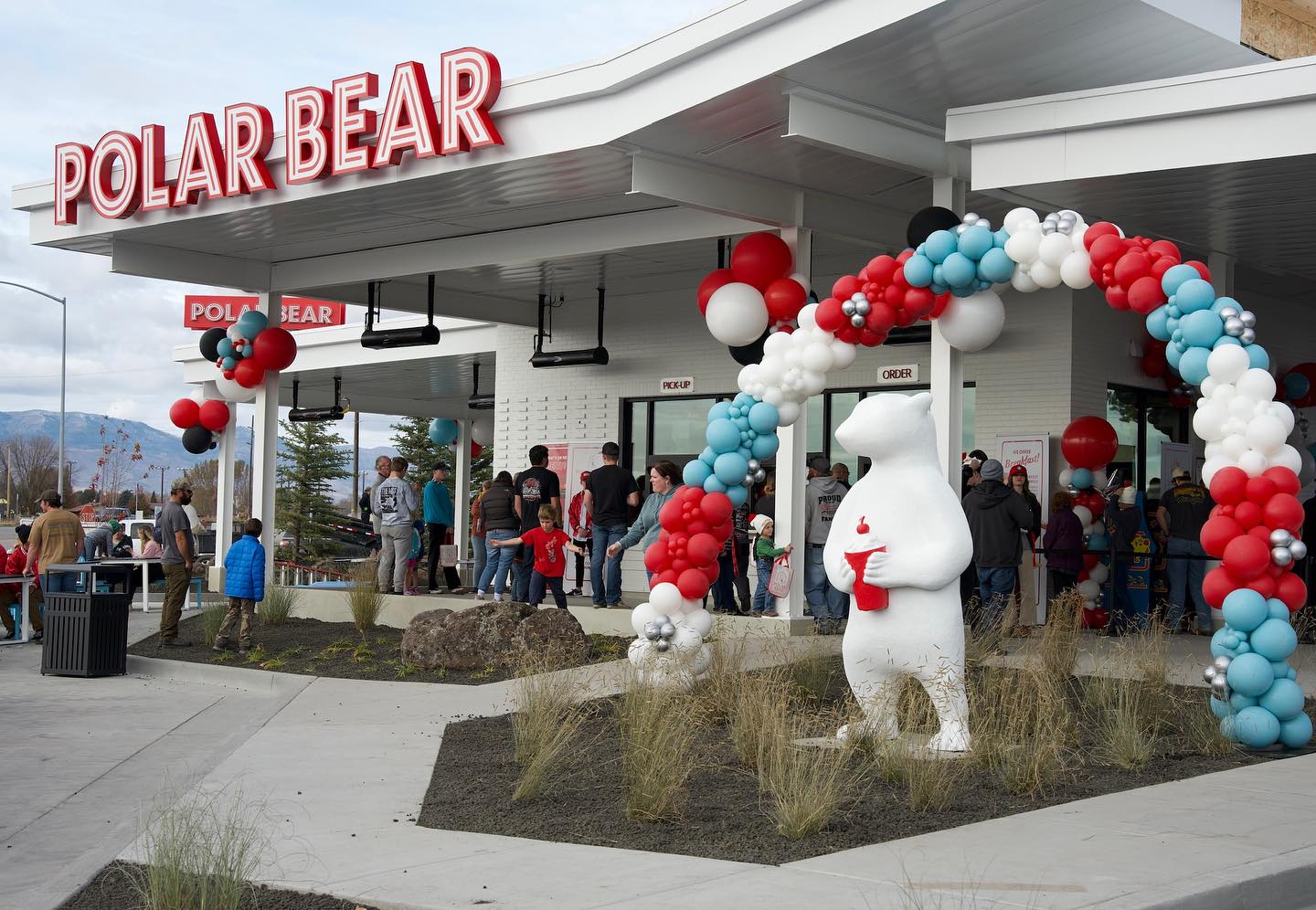
Choose the body position before refining the expression
A four-legged polar bear emphasizes body length, shoulder height, neck angle, and paw spacing. A sitting pose concentrates the footprint and changes the chest and hindquarter silhouette. An upright character increases height and may use more expressive arms or costume details.
Provide matching front and side references for the selected stance. If the concept follows a mascot or other protected artwork, include approved views and identify the features that cannot be changed.
Make the polar bear readable through proportion
The overall body and head carry the identification before small surface marks.
Head and muzzle
Define the forehead, muzzle length, nose size, ear placement, eye direction, and expression as one profile.
Shoulders and body
Set the shoulder mass, back line, chest depth, belly line, and hindquarter proportion for the chosen pose.
Legs and paws
Show paw spread, toe indication, leg angle, and every intended ground-contact point.
Pale surface
Use controlled plane changes, shadow, and optional color accents so form remains visible without inventing a specific material.
Compare upright, quadruped, and compact mascot forms
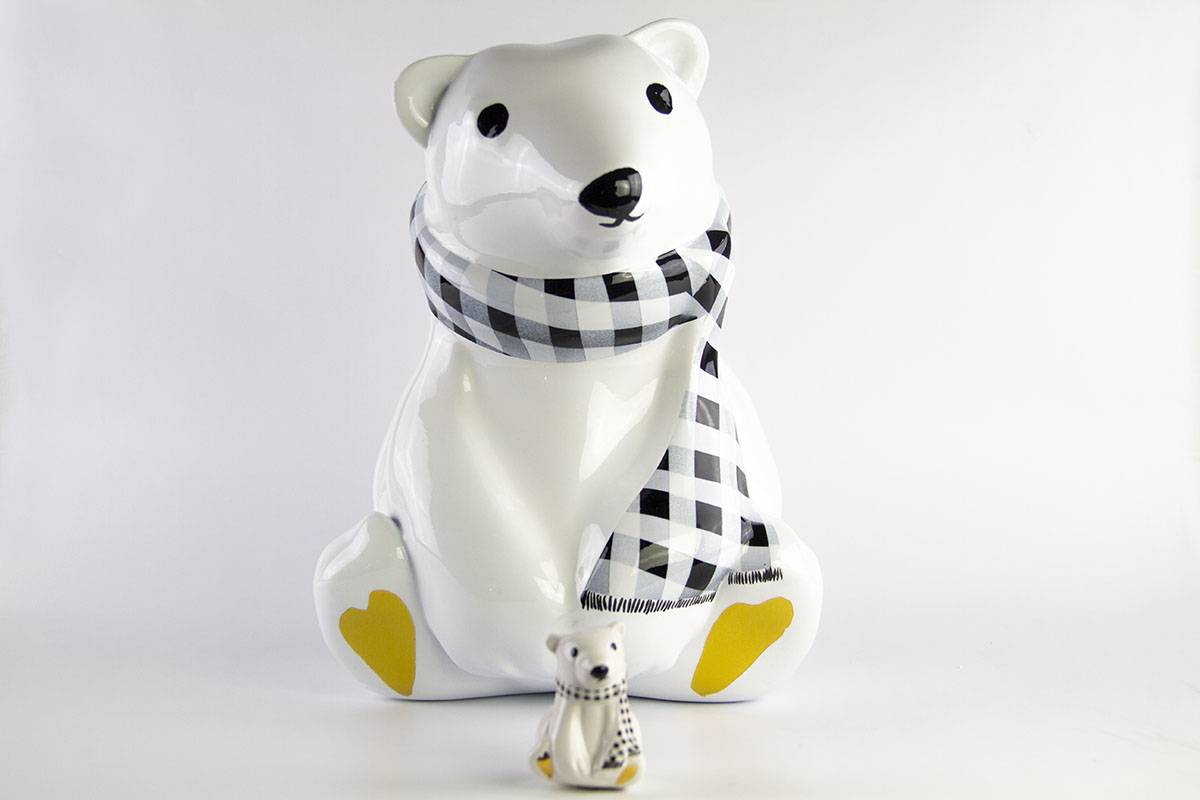
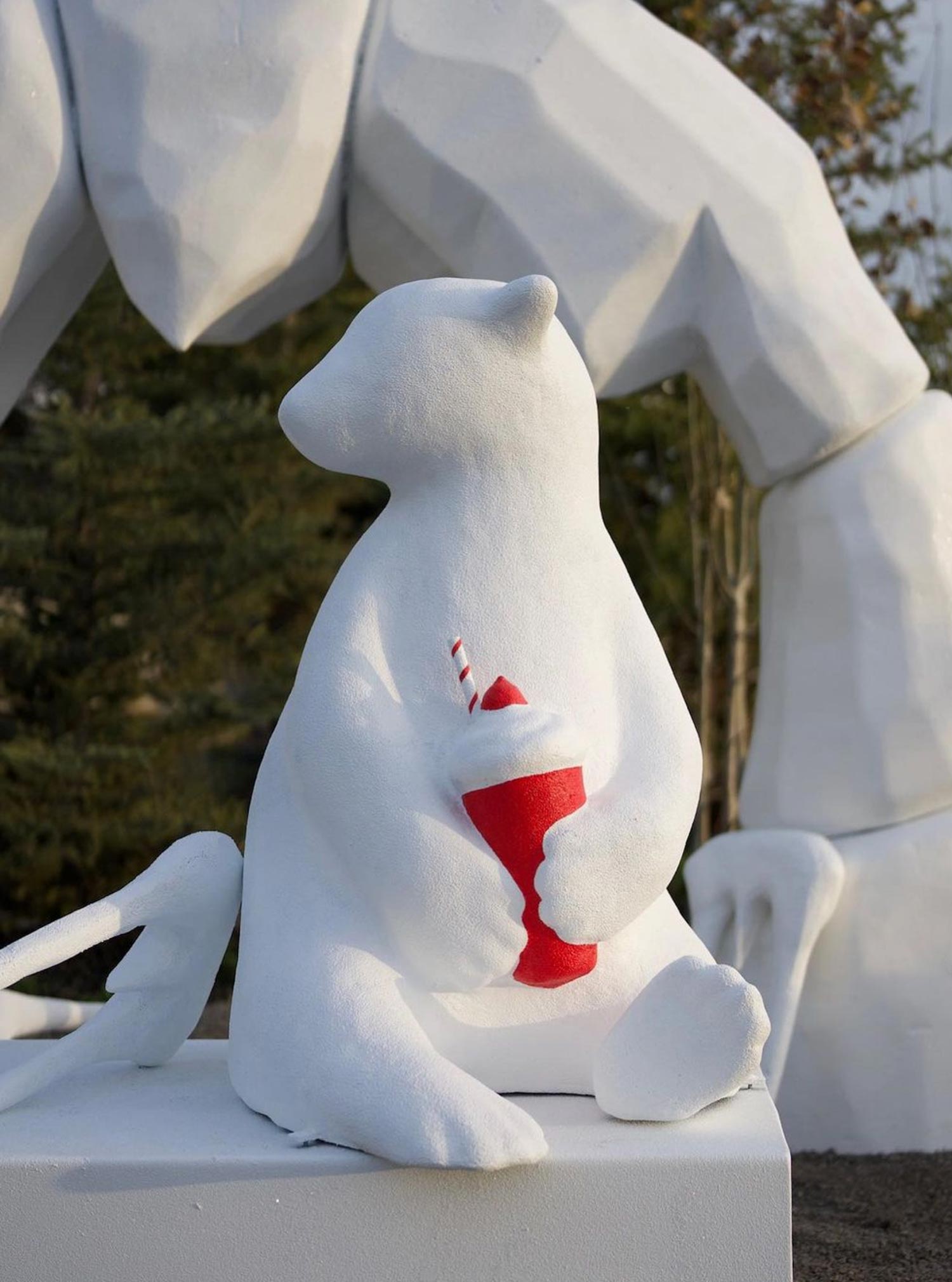
WhiteClouds has fabricated multiple polar bear displays. The retained photographs show an upright Polar Bear Eats mascot outdoors in Idaho, a four-legged polar bear replica, and a smaller restaurant mascot display. Together they illustrate how stance changes silhouette, floor contact, and audience view.
These examples do not prescribe the design of a new bear. A new request should use its own reference, pose, expression, scale, site, and approved brand details.
Coordinate the paws, base, and primary approach
Mark the intended floor or landscape surface and each contact point. A long quadruped may be strongest from the side, while an upright mascot may need clear front and three-quarter views. Include any platform, sign, scenic snow, railing, or supplied environment in the same drawing.
For walk-around placement, specify rear and side finish expectations. For a fixed approach, place the main camera and audience path so the face and stance remain visible rather than hidden behind the shoulder or another element.
Supply the form and site requirements
A concise set of coordinated references is more useful than a general collection of bear images.
- Approved polar bear or mascot artwork
- Four-legged, sitting, upright, or other defined stance
- Overall height, length, width, and paw spacing
- Head direction, muzzle profile, ears, eyes, and expression
- Surface character and any approved color accents
- Base, platform, landscape, or sign relationship
- Primary and secondary viewing directions
- Access route, destination, and required date
Request pricing for a custom giant polar bear
Send the approved reference, stance, dimensions, expression, surface direction, base and scenery relationship, viewing sides, access limits, destination, and schedule.