
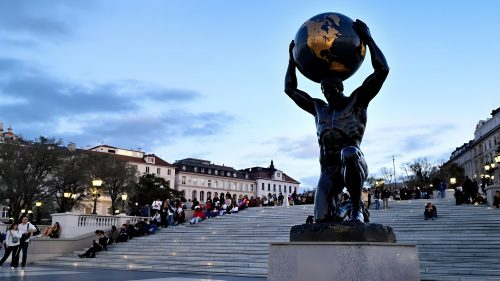
The Giant Man Statue: Monumental Figures That Inspire Awe
Throughout history, humankind has built statues of men to embody strength, honor, leadership, or myth. From ancient kings carved in stone to modern sculptures celebrating the everyman, monumental statues of men have become iconic symbols of place and culture. The giant man statue is more than a piece of art—it’s a beacon of identity, history, and imagination. These oversized figures loom in plazas, mountain ridges, parks, and roadside attractions. Some are solemn and heroic, while others are playful or whimsical. Together, they capture the many ways societies have celebrated masculinity, leadership, labor, myth, and community through monumental art.

Men in Monumental Art: A Global Tradition
Statues of men are as old as civilization itself. Ancient Egypt created colossal images of pharaohs like Ramses II, towering figures meant to remind citizens of divine authority. Greece and Rome produced statues of gods, heroes, and emperors that still stand today in museums and ruins. Medieval Europe sculpted saints and kings into cathedrals and public squares, while Asia carved massive Buddhas and emperors into cliffsides. In the modern world, giant statues of historical leaders, freedom fighters, and cultural heroes dominate skylines from Moscow to Rio de Janeiro. The giant man statue is therefore not just a curiosity—it is a central thread in humanity’s artistic and cultural storytelling.
Famous Giant Man Statues Around the World
The Colossus of Rhodes – Greece (Lost Wonder)
One of the Seven Wonders of the Ancient World, the Colossus of Rhodes was a massive bronze statue of the sun god Helios, standing over 100 feet tall in 280 BCE. Though destroyed by an earthquake, it remains a legendary example of how civilizations used giant statues of men to project power and pride.
Cristo Redentor – Rio de Janeiro, Brazil
The statue of Christ the Redeemer is perhaps the most famous giant man statue of modern times. Standing 98 feet tall atop Corcovado Mountain, it is both a religious icon and a symbol of peace, welcoming millions of visitors annually.
The Spring Temple Buddha – China
Though representing a spiritual figure, this towering statue is modeled on the male form of Buddha. At over 400 feet tall, it exemplifies how modern engineering has expanded the tradition of monumental human sculptures.
Mount Rushmore – USA
Carved into granite cliffs, the faces of four American presidents—George Washington, Thomas Jefferson, Theodore Roosevelt, and Abraham Lincoln—form one of the largest male-centered monuments in the world.
The Worker and Kolkhoz Woman – Moscow, Russia
Though paired with a female figure, the male worker in this massive statue ensemble symbolizes industrial strength and resilience, representing the power of the labor force.
Why the Giant Man Statue Resonates
Giant statues of men often serve to immortalize rulers, warriors, or heroes. Their scale reinforces the idea of authority and permanence. Figures like Hercules, Atlas, and other mythic men have been sculpted in monumental form to embody human ideals of strength, endurance, and courage. In modern times, giant statues of men—whether whimsical roadside attractions or solemn memorials—become community landmarks, attracting visitors and creating shared identity. Unlike abstract monuments, statues of men are relatable. Viewers see human features magnified to monumental scale, creating both familiarity and awe.
Artistic Interpretations: Realistic, Heroic, and Whimsical
The artistry of giant man statues varies widely depending on culture and purpose. Some statues are painstakingly realistic, capturing every detail of a leader’s face or a worker’s clothing folds. These are often memorials or civic icons. Others lean toward heroic stylization, emphasizing muscular physiques, bold poses, or exaggerated features to symbolize strength and greatness.
Modern roadside attractions and playful art installations often take a whimsical approach, with statues of everyday men—fishermen, lumberjacks, cowboys, or athletes—presented in humorous or larger-than-life ways. Abstract interpretations also exist, where sculptors reduce the human form to geometric or symbolic shapes, creating statues that represent “man” more conceptually than literally.
The Giant Man Statue in Roadside Americana
In the mid-20th century, the United States developed its own quirky tradition of giant statues known as “Muffler Men.” These fiberglass statues of burly men—cowboys, mechanics, lumberjacks—stood outside gas stations, diners, and shops, holding oversized items like mufflers, hot dogs, or tires. These figures became cultural icons of roadside America. Though kitschy, they embodied the same impulse as ancient colossi: to capture attention, spark conversation, and root place identity in a monumental figure. Many still stand today, lovingly restored as retro Americana landmarks.
How a Giant Man Statue Might Be Fabricated
Building a giant man statue combines artistry, engineering, and craftsmanship.
Concept and Design
The process begins with a vision. Artists sketch the figure, decide on pose, clothing, and symbolic details, and then build scale models. In modern practice, digital 3D modeling is often used to refine proportions and ensure the statue will look balanced from all angles.
Internal Framework
Large statues require strong skeletons. Engineers design steel frameworks to support weight and resist weather, seismic shifts, and wind. Particular attention is given to extended arms, raised objects, or wide stances, which require reinforcement.
Exterior Shell
The body of the statue is created from materials suited to its purpose:
- Concrete for permanent civic statues.
- Bronze for traditional prestige and durability.
- Fiberglass for roadside attractions, due to its lightness and ease of molding.
- Steel or Stone for monumental and modernist projects.
The exterior is molded or cast in panels, which are fitted over the framework.
Surface Detailing
Sculptors add texture, facial features, hair, and clothing details to bring the statue to life. Paint, patina, or metallic finishes create final effects. Protective coatings are applied to resist UV rays, rain, or pollutants.
Assembly and Installation
Giant statues are usually built in sections, transported to the site, and assembled with cranes. A reinforced foundation anchors the statue, ensuring stability. Landscaping, lighting, or surrounding features complete the installation, enhancing its visibility and impact.
Community Guardians and Storytellers
Giant man statues often become more than art—they serve as guardians or storytellers for their communities. A lumberjack statue may symbolize local logging history, while a fisherman may celebrate coastal heritage. In civic contexts, giant statues of leaders or warriors embody national pride and collective memory. They act as storytellers in physical form, rooting abstract values into visible, lasting monuments.
Tourism, Memory, and Economic Impact
Statues of monumental men draw visitors. Tourists photograph them, climb viewing platforms inside them (as with Liberty and Mount Rushmore’s viewing points), and purchase themed souvenirs. Social media ensures these statues spread far beyond their physical locations, becoming viral attractions. For small towns, roadside giants like Muffler Men create economic boosts, as travelers stop, shop, and share their quirky experiences. For cities, monumental figures strengthen global identity, anchoring skylines and tourism industries.
Maintenance and Preservation
Outdoor statues require constant care. Bronze corrodes, concrete cracks, fiberglass fades in sunlight. Regular inspections, cleaning, and repainting are essential to maintain their appeal. Many communities see this preservation as part of their civic duty. Fundraising efforts, restoration campaigns, and even volunteer programs ensure these giants remain proud and present for future generations.
The Future of Giant Man Statues
The tradition of giant statues is far from over. Advances in materials, robotics, and interactive technology will shape future figures. Imagine a giant man statue with moving parts, projection mapping, or augmented reality overlays. Sustainability will also play a role. Statues crafted from recycled materials, powered with solar lighting, or designed to blend with ecosystems reflect modern environmental values. Representation is expanding too. While many giant man statues historically depicted rulers and warriors, modern interpretations increasingly celebrate workers, athletes, scientists, or symbolic “everyman” figures, broadening the cultural narrative.
Conclusion: Humanity Made Monumental
The giant man statue is one of humanity’s oldest and most enduring artistic traditions. From gods and emperors carved in stone to whimsical roadside fiberglass men, these figures reflect the cultures, values, and imaginations of their creators.
They stand as guardians of history, anchors of community, and symbols of aspiration. They inspire awe not only with their size but with the stories they tell—the story of power, labor, myth, pride, and creativity made monumental. Next time you see a giant man statue, whether on a cliffside in Asia, a plaza in Europe, or a roadside in America, pause to admire it. Behind the towering form lies something timeless: humanity’s urge to see itself larger than life, carved into the landscape for generations to witness.
Check out WhiteClouds’ 3D Statues for more information.
Contact us today to learn more about our 3D services and how we can help you achieve your goals.