
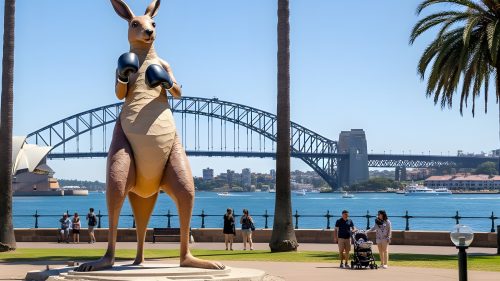
The Giant Kangaroo Statue: Australia’s Icon Made Monumental
The kangaroo is one of the most recognizable creatures in the world—an animal so strongly associated with Australia that it has become a national emblem. Known for their bounding leaps, powerful tails, and pouches that carry joeys, kangaroos are not only symbols of the Outback but also icons of resilience, adaptability, and strength. So what happens when this already impressive animal is transformed into something even larger-than-life? Enter the giant kangaroo statue, an oversized work of art that captures attention, sparks curiosity, and celebrates the cultural significance of this extraordinary marsupial. From roadside attractions to public art projects, giant kangaroo statues embody both humor and pride. They serve as beacons of place identity, cultural storytelling, and sometimes outright whimsy. Whether they’re realistic depictions of the animal or playful caricatures, these statues have earned their spot among the most memorable giant sculptures in the world.
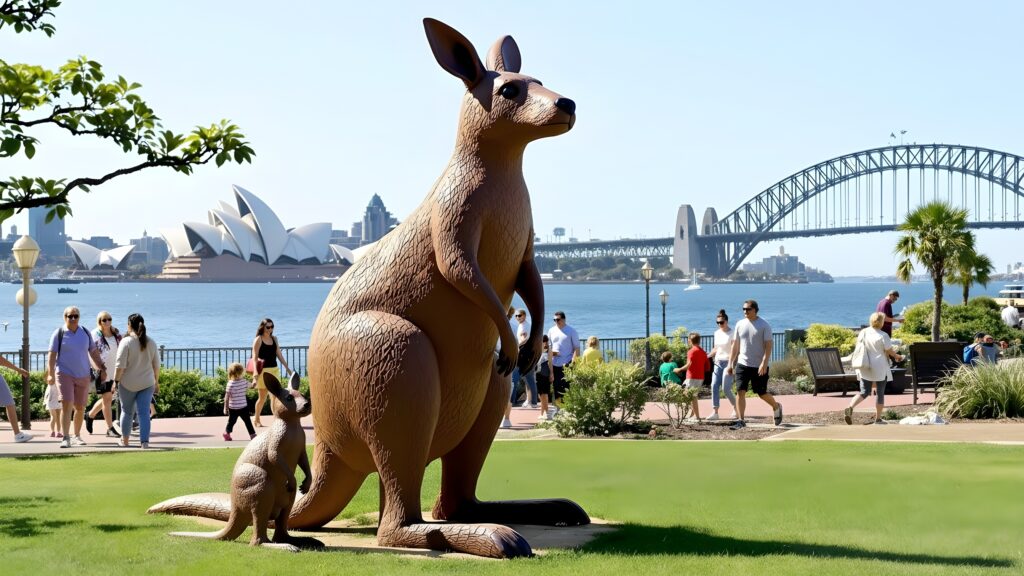
Why the Kangaroo? Symbolism and Cultural Meaning
Kangaroos are deeply tied to Australian identity. They appear on the nation’s coat of arms, coins, airline logos, and countless tourism campaigns. To outsiders, the kangaroo is shorthand for Australia’s rugged landscapes and unique wildlife. To locals, it represents energy, progress, and national pride.
The kangaroo has also been a figure in Indigenous Australian culture for tens of thousands of years. In Dreamtime stories, kangaroos often play important symbolic roles, embodying survival, strength, and the cycles of life. Artwork depicting kangaroos is etched into rock shelters and painted on bark, showing the depth of their cultural resonance. When turned into giant statues, kangaroos become more than just roadside oddities—they transform into monumental symbols of identity, heritage, and imagination.
Roadside Americana Meets Aussie Outback
The tradition of building oversized statues has long been associated with roadside culture. In the United States, “roadside Americana” gave rise to giant cows, hot dogs, donuts, and dinosaurs, all meant to lure travelers off the highway. Australia embraced its own version of this culture, creating what are affectionately known as “Big Things.” From the Big Banana to the Big Pineapple, Australia’s landscape is dotted with enormous statues of fruits, animals, and everyday objects. The giant kangaroo statue fits seamlessly into this tradition. These Big Things are more than tourist gimmicks—they’re expressions of humor, pride, and creative identity that help small towns stand out on the map.
Famous Giant Kangaroo Statues
The Boxing Kangaroo
Perhaps the most famous motif for giant kangaroo statues is the “boxing kangaroo.” This playful image draws on the stereotype of kangaroos as fighters, with their strong legs and boxing-like stance. In places like Queensland and Victoria, giant kangaroo statues with boxing gloves have been erected, celebrating both the humor and toughness associated with the animal.
Big Kangaroo Roadside Attractions
Across rural Australia, travelers may encounter large fiberglass kangaroos stationed at petrol stations, roadhouses, or small-town entrances. These statues often serve dual purposes—as mascots, advertising props, or simple photo opportunities for tourists. Some even include interactive features, like giant joey pouches where kids can climb in for pictures.
The Global Spread
While most giant kangaroo statues are found in Australia, a few exist abroad, often near zoos or Australian-themed attractions. These statues act as cultural ambassadors, instantly signaling “Australia” to international audiences.
Why Do Giant Kangaroo Statues Resonate?
Few animals are as iconic as the kangaroo. Enlarged into monumental form, the kangaroo’s silhouette—long tail, upright stance, and alert ears—is unmistakable. Australians embrace the kangaroo as a symbol of their country. A giant kangaroo statue serves as a patriotic landmark, anchoring identity in physical form. The kangaroo lends itself naturally to playful interpretations. Statues featuring boxing gloves, sunglasses, or human-like poses emphasize humor while still celebrating the animal. These statues are magnets for travelers, offering both a photo opportunity and a story to tell. They also connect visitors to the broader tradition of Australia’s “Big Things,” making the kangaroo part of a beloved national narrative.
Artistic Interpretations: From Realistic to Playful
Not all kangaroo statues look alike. Some strive for hyper-realism, capturing the sinewy muscles, fur textures, and lifelike proportions of the animal. Others lean into stylization, exaggerating features for comic or whimsical effect. Cartoon-like kangaroos, often painted in bright colors, are especially popular in family-friendly attractions. Meanwhile, abstract versions—reduced to sweeping metal forms or minimalist outlines—have begun to appear in modern urban art settings. Each artistic style serves a purpose, from awe-inspiring realism to approachable fun.
How a Giant Kangaroo Statue Might Be Fabricated
Constructing a giant kangaroo is an ambitious project requiring the skills of both engineers and artists.
Design and Concept
The process begins with research into kangaroo anatomy and movement. Artists create sketches and digital 3D models to refine proportions, pose, and style. Will the kangaroo be realistic, whimsical, or abstract? Will it stand tall on two legs, crouch mid-leap, or hold boxing gloves? These decisions shape the entire project. A scale model or maquette is often produced, giving stakeholders a tangible preview of the final design.
Internal Framework
Like most large statues, a giant kangaroo requires a strong skeleton. Steel frameworks form the internal support system, designed to carry the weight of the exterior shell and withstand environmental stresses like wind, rain, and heat. Special attention must be given to the kangaroo’s long legs and tail, which require careful engineering to prevent tipping or bending. Counterweights or reinforced bases may be necessary.
Exterior Shell
The outer body is typically created from durable materials such as:
- Fiberglass: Lightweight, moldable, and weather-resistant, ideal for roadside attractions.
- Concrete: Heavier and more permanent, often used for statues meant to last decades.
- Bronze: Prestigious and durable, but costly and labor-intensive.
Fiberglass is the most common choice for whimsical roadside kangaroos, while bronze or concrete may be used for civic monuments.
Surface Detailing
Once the shell is complete, surface details bring the kangaroo to life. Sculptors add fur textures, muscle definition, and facial features. Painters apply lifelike shades of brown and gray, or—if the design is playful—bright, bold colors. Protective coatings shield the surface from UV rays and weather damage.
Transport and Assembly
Large statues are usually built in sections (head, torso, legs, tail) and transported to the installation site. Cranes lift the pieces into place, where they are bolted or welded to the framework. A reinforced concrete foundation ensures stability.
Finally, landscaping and lighting are added, enhancing the statue’s visibility and integrating it into its surroundings.
Kangaroo Statues as Community Landmarks
Many towns and roadhouses with giant kangaroo statues treat them as more than mere decoration—they become community mascots. Festivals and events are often organized around the statues, and merchandise (such as postcards, T-shirts, or miniature replicas) reinforces the landmark’s role in local identity. In this way, giant kangaroo statues aren’t just art—they’re economic and cultural investments.
Tourism and the “Big Things” Trail
Australia’s “Big Things” are so numerous that they’ve become tourist attractions in their own right. Travelers often plan road trips around seeing as many of these oversized landmarks as possible. The giant kangaroo fits right in, adding both humor and cultural resonance to the trail. These statues are particularly valuable in rural communities, drawing visitors who might otherwise bypass small towns. By giving travelers a reason to stop, snap photos, and share their experience, the statues provide tangible economic benefits.
Maintenance and Preservation
Outdoor statues face constant exposure to weather, and giant kangaroo statues are no exception. Sunlight can fade paint, heat can stress materials, and rain can cause erosion. Regular maintenance—cleaning, repainting, resealing—is essential to preserve their appeal. Some communities organize fundraising campaigns or volunteer efforts to maintain their statues, ensuring that these landmarks remain vibrant symbols of pride for future generations.
The Kangaroo in Popular Culture
The kangaroo is more than a real animal; it’s also a cultural figure. From sports mascots to animated characters like Skippy the Bush Kangaroo, this marsupial appears in countless forms of media. The image of the boxing kangaroo became especially popular in the 20th century, tied to sports, wartime propaganda, and entertainment. Giant kangaroo statues tap into this cultural cachet, offering both nostalgia and novelty. They remind visitors of the kangaroo’s deep-rooted presence in everyday imagination.
The Future of Giant Kangaroo Statues
As public art evolves, giant kangaroo statues are likely to grow more innovative. Interactive elements such as lighting, sound, or augmented reality apps could transform them from static monuments into dynamic experiences. Imagine a giant kangaroo statue that lights up at night, plays recorded sounds of bounding footsteps, or offers AR animations through smartphones.
Sustainability is also shaping the future of statue fabrication. Recycled materials, solar-powered lighting, and eco-conscious design ensure that giant kangaroo statues reflect not just national pride, but also modern values.
Conclusion: Bounding into Memory
The giant kangaroo statue is more than just an oversized sculpture—it’s a celebration of national identity, cultural storytelling, and artistic imagination. Whether standing guard at a town entrance, welcoming travelers at a roadhouse, or anchoring a park as public art, these statues are unforgettable. They embody the spirit of Australia: bold, unique, and full of life. For travelers, they offer photo ops and memories. For locals, they serve as mascots and monuments. For all, they remind us that the ordinary can be transformed into the extraordinary when scaled up, celebrated, and shared. The next time you see a giant kangaroo statue, stop and take it in. Behind the humor and whimsy lies a deeper story—of community pride, cultural reverence, and humanity’s timeless urge to make the creatures we love truly monumental.
Check out WhiteClouds’ 3D Statues for more information.
Contact us today to learn more about our 3D services and how we can help you achieve your goals.