
The Giant Native Indian Statue: A Monument of Heritage, Art, and Identity
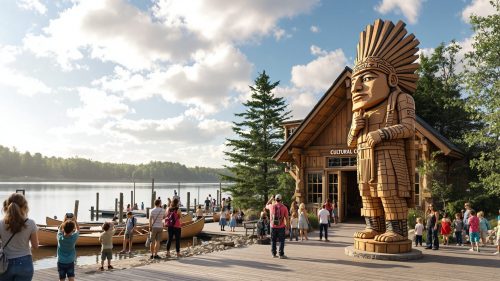
Across the wide landscapes of North America, one may occasionally encounter towering figures of stone, metal, or fiberglass representing Native Indian leaders, warriors, or spiritual figures. These giant Native Indian statues are not only awe-inspiring in size but also powerful symbols of resilience, tradition, and cultural pride. Standing tall in fields, at the entrances of towns, or in bustling parks, they serve as reminders of history while also engaging communities in storytelling, art, and identity. The giant Native Indian statue is not merely a tourist attraction. It is an artistic endeavor, a cultural landmark, and in many cases, a point of education and reflection. The scale of these statues makes them visible from miles away, ensuring that the narratives they embody—whether about leadership, wisdom, or respect for the land—are impossible to ignore.
The Origins of Monumental Statues in America
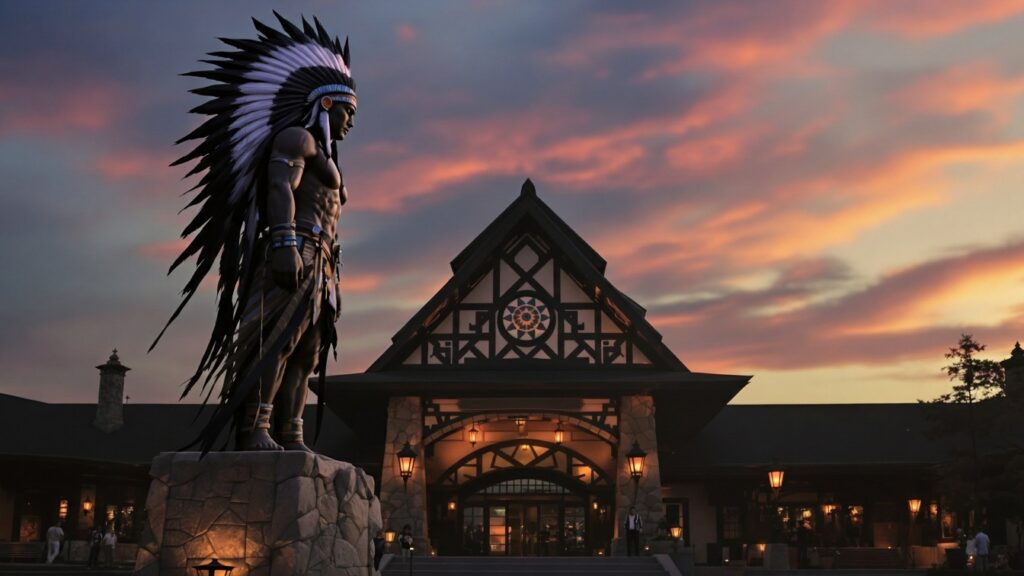
Monuments and statues have always been part of human civilization, from the pharaohs of Egypt to the emperors of Rome. In North America, however, giant statues gained popularity during the mid-20th century with the rise of roadside attractions and civic landmarks. While many of those statues were playful or commercial, the creation of giant Native Indian statues often had deeper roots. Some were built to honor specific tribal leaders who shaped history. Others were designed by artists seeking to highlight Native Indian traditions and values. A number were commissioned as community landmarks during a time when roadside tourism flourished, using the powerful image of the Native figure as both a tribute and a beacon. Over time, these statues became points of pride for towns, especially in regions with strong Native heritage. Whether realistic or stylized, each giant Native Indian statue has carried with it a story far greater than its physical size.
Famous Giant Native Indian Statues
Hiawatha, the World’s Tallest Indian (Ironwood, Michigan)
Perhaps the most famous of them all, Hiawatha is a 52-foot-tall fiberglass statue located in Ironwood, Michigan. Built in 1964, it is often described as “the world’s tallest Indian.” Painted in vibrant colors with full feathered headdress, Hiawatha overlooks the town, serving as both a roadside attraction and a controversial figure of conversation around representation and cultural respect. Regardless, it remains one of the most recognized Native Indian statues in America.
The Whispering Giant Series by Peter Wolf Toth
Hungarian-born artist Peter Wolf Toth dedicated his career to honoring Native Americans through colossal wooden sculptures known as the “Whispering Giants.” He carved more than 70 of these massive statues, one for each U.S. state (and several in Canada). Each carving represents local tribes and was made in consultation with Native communities. While not always as tall as some fiberglass giants, these statues carry immense symbolic weight and authenticity.
Standing Proud Across the Midwest
Many towns across the Midwest and Plains feature giant Native Indian statues, often depicting warriors in headdresses or chiefs gazing stoically across the horizon. While some were originally built as roadside attractions, communities have increasingly used them as opportunities to educate visitors about Native heritage and the tribes who once inhabited the land.
Symbolism in Stone and Steel
The giant Native Indian statue holds layers of meaning. To many, it represents strength, wisdom, and guardianship. A towering figure standing watch over a town or highway recalls the Native tradition of respecting the land and serving as a protector of one’s people. These statues often highlight iconic symbols such as the feathered headdress, a spear, or open hands raised in welcome or prayer. Each element carries cultural meaning, though interpretations differ depending on tribe and region. For some, the giant Native Indian statue also sparks conversations about representation—how Native identity is portrayed in public art, and who gets to tell those stories. In this way, the statues become more than silent monuments; they become platforms for dialogue, history, and awareness.
Roadside Attractions or Cultural Beacons?
One of the most fascinating aspects of giant Native Indian statues is how they straddle two worlds: kitschy roadside attractions and serious cultural symbols. In the mid-20th century, when highways were new and road trips were a form of entertainment, towns built giant statues to lure travelers off the road.
For better or worse, Native imagery was often chosen because it carried connotations of American heritage, nobility, and connection to the land. While some of these statues were commercial in origin, communities today are reframing them as opportunities to honor real Native histories. Signs, plaques, and guided tours often accompany the statues, transforming them into cultural landmarks rather than just tourist novelties.
How Giant Native Indian Statues Are Made
The fabrication of a giant Native Indian statue is an incredible mix of engineering, artistry, and craftsmanship. Whether the statue is 20 feet tall or over 50 feet, building such a colossal figure requires careful planning and collaboration.
Concept and Design
The process begins with an idea—often sketched by an artist or sculptor. In projects seeking cultural authenticity, tribal elders or cultural advisors may contribute to ensure symbols and regalia are depicted respectfully. Modern technology allows artists to create detailed 3D digital models, ensuring proportions look correct even when scaled up.
The Skeleton Framework
Just as our bodies have bones, giant statues need an internal skeleton. This framework is usually made of steel, engineered to withstand wind, rain, snow, and seismic forces. For extremely large statues, the skeleton might be anchored deep into concrete foundations.
Building the Form
Fiberglass is a common material for roadside giants due to its lightweight durability and ability to mold into organic shapes. Earlier statues often used carved wood, welded sheet metal, or even concrete. The sculptor creates each body part—head, torso, arms, legs, feathers—separately before attaching them to the steel frame.
Surface Detailing
The exterior must capture fine details such as facial expressions, folds in clothing, and textures of feathers. These are sculpted into molds and reinforced with fiberglass layers. Artists use reference photos, models, and sometimes live subjects to ensure accuracy.
Painting and Finishing
Once assembled, the statue is painted using durable, UV-resistant paints. Traditional designs may include bright reds, blues, and yellows for clothing, while skin tones are carefully blended to achieve realism. Protective coatings help the colors resist fading from years of sunlight and rain.
Installation
Installation is a feat in itself, often requiring cranes to lift each section into place. Anchors secure the statue to concrete foundations, ensuring stability for decades. Many communities hold dedication ceremonies, unveiling the statue with celebrations that honor Native traditions and bring together locals and travelers alike.
Community and Tourism Impact
Giant Native Indian statues serve as gathering places. Families stop for photographs, schools bring children for history lessons, and towns host cultural festivals around the statues. These landmarks generate tourism dollars while also creating opportunities for education. Some statues have become global icons, appearing on postcards, travel blogs, and even in films. They help small towns carve out unique identities, drawing attention in ways no billboard could achieve. In this sense, the statues act as cultural ambassadors, connecting visitors with the history of Native peoples.
Controversy and Conversation
It would be incomplete to discuss giant Native Indian statues without acknowledging the controversies surrounding them. While many were built with good intentions, some perpetuate stereotypes or reduce Native identity to generalized imagery. This has sparked conversations about cultural appropriation versus cultural celebration. Increasingly, towns are working with Native communities to re-contextualize existing statues—adding historical markers, correcting inaccuracies, or commissioning new works by Native artists that authentically reflect heritage. These discussions, though complex, are valuable. They show that giant Native Indian statues are not just static monuments but living parts of a cultural dialogue.
The Future of Giant Native Indian Statues
Looking ahead, the creation of new giant Native Indian statues will likely emphasize collaboration with Native artists and tribes. This ensures accuracy, authenticity, and respect. Materials may evolve—eco-friendly composites, recycled metals, or sustainable woods—but the symbolism will remain. We may also see integration of technology. Augmented reality apps could allow visitors to scan the statue and learn about the specific tribe, hear traditional songs, or watch storytelling animations. Lighting systems might highlight statues at night, transforming them into glowing landmarks visible for miles. What is clear is that these statues, whether historic or modern, will continue to inspire awe. Their scale demands attention, and their subject matter ensures that conversations about Native heritage remain part of public consciousness.
Conclusion: Standing Tall for Heritage and Imagination
The giant Native Indian statue is more than roadside spectacle. It is a complex blend of artistry, culture, memory, and even controversy. These towering figures remind us of the people who came before us, the traditions that shaped the land, and the importance of keeping those stories alive.
Whether you stand beneath Hiawatha in Michigan, marvel at a Whispering Giant carved by Peter Wolf Toth, or encounter a smaller yet equally significant figure in your travels, the message is the same: heritage matters, and monuments can help keep it alive. In a world that often races forward, the giant Native Indian statue asks us to pause, look upward, and reflect on the narratives that have shaped nations. It is a monument not just of stone, steel, or fiberglass, but of human identity, memory, and the timeless pursuit of meaning.
Check out WhiteClouds’ 3D Statues for more information.
Contact us today to learn more about our 3D services and how we can help you achieve your goals.