

Giant High Chair: A Playful Icon with Big Personality
High chairs are one of the most recognizable pieces of furniture in the world. They conjure up images of childhood, family meals, and the joy of early milestones. But what happens when you take something so ordinary, so practical, and scale it up dramatically? The result is the giant high chair—a whimsical, oversized creation that turns everyday familiarity into something extraordinary. From public art installations to roadside attractions and even playful backyard projects, giant high chairs are catching attention everywhere. They’re not just oversized furniture; they’re conversation starters, cultural symbols, and creative statements that blur the line between function and fantasy. In this article, we’ll explore the history, appeal, design, and cultural significance of giant high chairs, and why they’re so captivating for both children and adults alike.
A Seat Through History: From Utility to Icon
The traditional high chair has been a staple of family life for centuries. Its origins trace back to the 17th and 18th centuries in Europe, when elevated chairs with footrests allowed small children to sit at the same level as adults during meals. By the Victorian era, high chairs became more refined and often included trays, safety rails, and even wheels for mobility. Throughout the 20th century, high chairs evolved into practical, safe, and mass-produced items for households across the world. Their function was simple but meaningful: to bring children into the family dining space, symbolizing inclusion and nurturing. Scaling the high chair into a giant form builds upon this cultural history. It takes an object deeply tied to childhood and amplifies its meaning, evoking nostalgia, humor, and awe. A giant high chair is at once familiar and strange—recognizable in shape, yet monumental in scale.
Why Go Giant? The Appeal of Oversized High Chairs
The fascination with giant high chairs stems from more than their impressive size. They play on human psychology and emotion in ways that ordinary furniture cannot.
First, there’s the element of surprise. Encountering a giant high chair in a park, plaza, or roadside stop is unexpected. It flips perspective, making adults feel small and inviting children to feel as though they’ve entered a fantastical world where furniture belongs to giants.
Second, giant high chairs tap into nostalgia. Nearly everyone remembers sitting in one as a child, and seeing an enormous version brings those memories rushing back in a playful, exaggerated way.
Third, they create social experiences. People flock to giant high chairs for photographs, laughter, and shared enjoyment. They become destinations in themselves, fostering connection and conversation.
Finally, they offer symbolic resonance. A high chair represents care, nurturing, and early growth. A giant version amplifies that symbolism, becoming a monument to childhood, family, and the shared rituals of eating together.
Design Styles of Giant High Chairs
Giant high chairs may be whimsical in concept, but they come in many different designs that reflect both their purpose and setting.
Classic Wooden Giants
Many oversized high chairs mimic the traditional wooden designs of the past. Crafted from timber beams or planks, these pieces often feature spindled backs, sturdy legs, and exaggerated trays. They’re popular in rustic settings or as nostalgic roadside attractions.
Modern Metal Sculptures
In urban spaces or contemporary parks, giant high chairs are often created with steel or aluminum. Their sleek lines and bold silhouettes make them feel less like furniture and more like abstract sculptures—artistic landmarks that invite curiosity.
Playful Painted Chairs
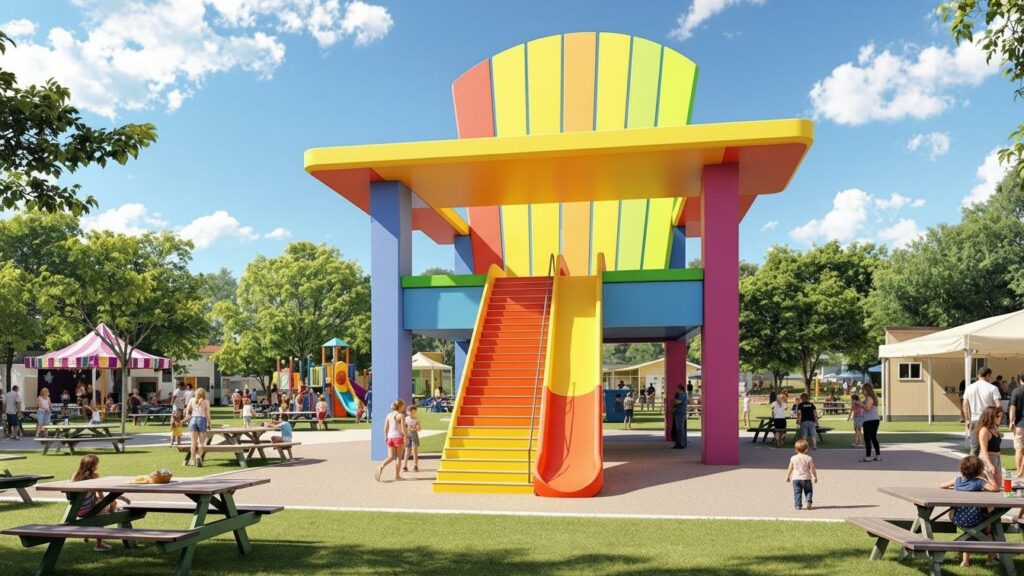
Some high chairs are painted in bright, whimsical colors, emphasizing their cartoonish quality. These designs lean into the fun and childlike spirit of oversized furniture, making them especially popular in playgrounds or amusement parks.
Interactive High Chairs
Certain giant high chairs are designed for climbing, sitting, or even sliding. These functional variations turn the oversized furniture into playground equipment, giving children a chance to experience the fantasy firsthand.
Each design style transforms the same familiar object in different ways—sometimes nostalgic, sometimes modern, and sometimes purely playful.
Materials That Matter
Building a giant high chair isn’t as simple as scaling up a household version. The materials used must ensure durability, safety, and weather resistance, especially for outdoor installations. Wood is a common choice, especially for rustic or nostalgic designs. Sturdy timbers like oak or cedar provide strength and authenticity but require sealing to withstand the elements. Metal—particularly steel or aluminum—is often chosen for large public installations. Powder-coated finishes prevent rust and allow for bold color applications. Fiberglass and composites are also used, especially in art projects where lighter weight and sculptural versatility are needed. The choice of material depends on whether the chair is purely decorative, interactive, or structural. In all cases, scale demands careful engineering to ensure stability and safety.
Benefits Beyond Novelty
While giant high chairs may seem like whimsical curiosities, they actually offer benefits that go beyond their novelty.
Community Engagement
Placed in parks, town squares, or tourist attractions, giant high chairs serve as gathering spots. They draw people in, encourage photography, and create memorable experiences.
Tourism and Marketing
Quirky, oversized landmarks often become iconic for towns or businesses. A giant high chair can attract travelers looking for unique roadside attractions and help local economies thrive.
Artistic Expression
For artists and designers, the giant high chair is a blank canvas. Its exaggerated form invites experimentation with color, shape, and cultural themes, turning furniture into public art.
Nostalgia and Storytelling
They remind adults of childhood while sparking children’s imaginations. Families often connect over these installations, sharing stories and creating new memories together.
Play and Exploration
Interactive versions provide opportunities for physical play, climbing, and exploration, turning the high chair into more than an object—it becomes an experience.
Famous Giant High Chairs Around the World
Several giant high chairs have gained international recognition as landmarks:
Casey, Illinois, USA: Known for its collection of “world’s largest” objects, Casey is home to a record-breaking giant high chair that draws tourists from around the country.
Art Installations in Europe: Cities across Germany and the UK have hosted giant high chairs as part of temporary art exhibits, often exploring themes of childhood and memory.
Amusement Parks Worldwide: Oversized high chairs are sometimes featured in themed play zones, allowing children to interact with furniture in fantastical ways.
These examples highlight how giant high chairs resonate universally, regardless of culture or geography.
Bringing a Giant High Chair Home
While most giant high chairs are built for public enjoyment, some homeowners with expansive yards or playful design sensibilities have installed their own versions. A giant high chair in a backyard or garden becomes a bold focal point, blending humor with creativity. However, scaling up furniture for private use requires planning. The size must suit the space, and materials must be weatherproofed. For families, safety considerations—such as secure anchoring and child-safe finishes—are essential. Many choose to work with custom carpenters or artists to bring their vision to life.
Styling and Decorating Giant High Chairs
A giant high chair is already a statement piece, but styling can amplify its impact. Painted finishes, from classic wood tones to vibrant colors, define its character. Seasonal decorations, like garlands or string lights, can turn it into a year-round centerpiece for celebrations. In community settings, landscaping around the chair can enhance its presence. Flower beds, paths, or small seating areas make the giant high chair feel integrated into its environment rather than just placed there.
Safety Considerations
Because of their size, giant high chairs must be carefully engineered for safety. Public installations, especially interactive ones, should be designed with child-friendly features such as rounded edges, stable bases, and slip-resistant surfaces. Clear signage may be necessary to guide safe use. Maintenance is also key. Regular inspections for wear, loose bolts, or weather damage ensure the chair remains safe and inviting.
The Cultural Symbolism of the Giant High Chair
High chairs symbolize nurture, family, and the transition from infancy to childhood. Enlarging this object elevates those themes, turning them into public art that celebrates care, growth, and shared memory. On a deeper level, giant high chairs invite us to reflect on perspective. Adults feel small when standing beside them, reconnecting with the vulnerability and wonder of childhood. Children, in turn, see a fantastical object that validates their imagination. In this way, the giant high chair is both playful and profound—an object that brings lightness while prompting reflection on family, growth, and belonging.
The Future of Giant High Chairs
As oversized art and furniture installations continue to gain popularity, giant high chairs are likely to remain part of the movement. Future versions may incorporate sustainable materials, interactive technology, or modular designs that can be moved and adapted to different events. Social media will continue to fuel their appeal. Their playful, photogenic quality ensures that giant high chairs will remain popular backdrops for photos, making them ideal for tourism and community branding.
Conclusion: Bigger Than Childhood
The giant high chair takes a familiar, humble piece of furniture and turns it into something extraordinary. More than a curiosity, it is a playful reimagining of childhood, family, and the joy of shared experiences. Whether found on a roadside in Illinois, in a European art exhibit, or in a backyard with a sense of humor, giant high chairs captivate us with their mix of nostalgia, novelty, and cultural symbolism. They remind us that sometimes, seeing the world differently is as simple as changing scale. By making adults feel small and children feel like giants, they spark imagination, laughter, and connection. In a fast-moving world, the giant high chair stands tall as both a work of art and a celebration of life’s simplest joys.
Contact us today to learn more about our 3D services and how we can help you achieve your goals.