
Planning a Giant goggles prop
Giant goggles prop: one oversized goggle prop with a supplied lens shape, sealed-looking frame, nose bridge or center connection, and head strap. Recognition depends on the broad protective lens or paired lenses, wraparound frame, face seal, strap attachments, adjustable strap, and sport-specific contour. The central scale question is that the curved lens and flexible-looking strap must stay coherent at scale without collapsing into ordinary eyeglasses or sunglasses. The images are goggles design concepts rather than photographs of completed WhiteClouds work.
Plan a goggles Display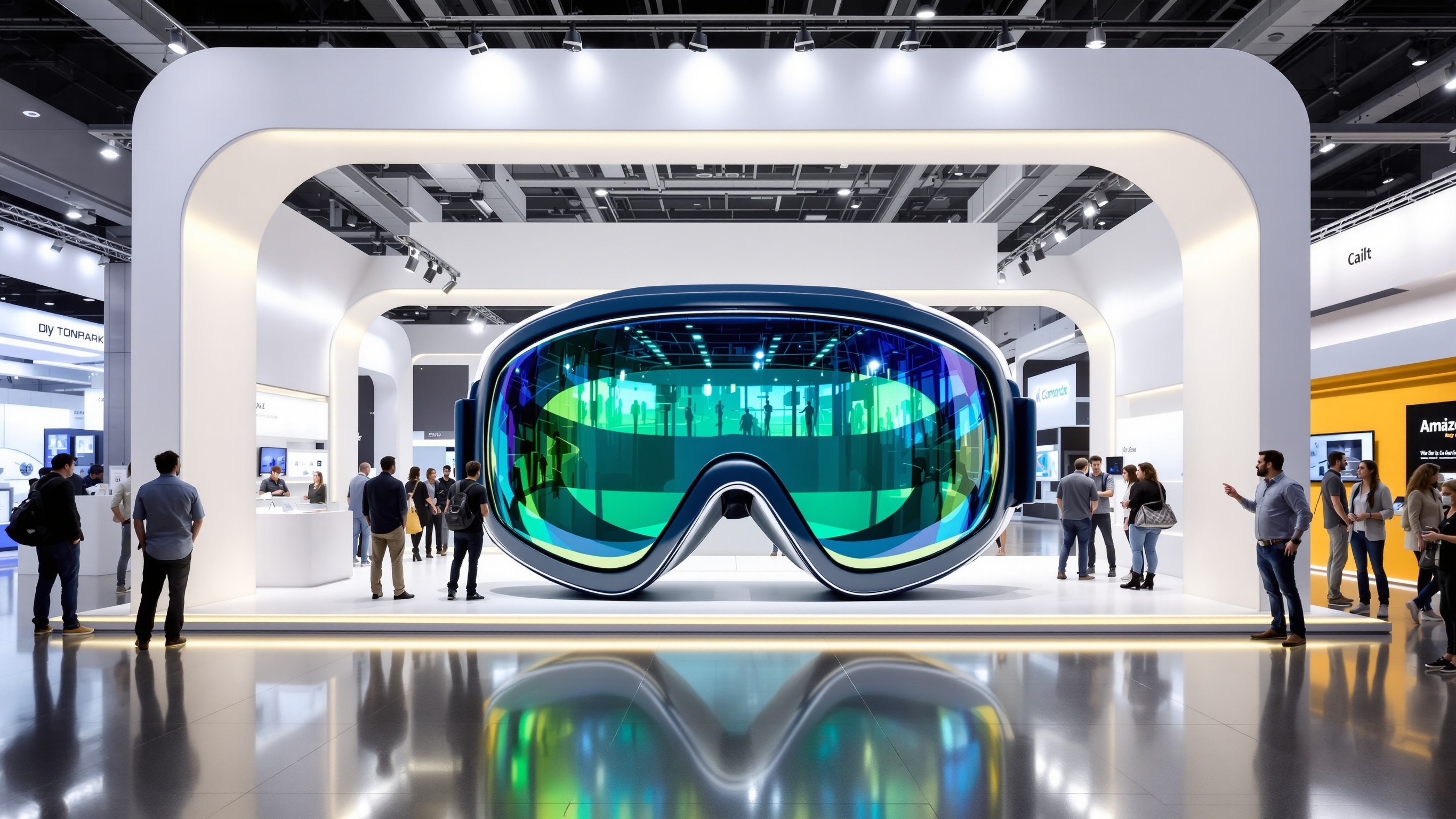
Define the goggles Form
goggles physical scope: one oversized goggle prop with a supplied lens shape, sealed-looking frame, nose bridge or center connection, and head strap. Its geometry includes overall width and height, lens curvature, bridge width, frame depth, strap length and width, buckle position, and base contact. Its defining visual cues are the broad protective lens or paired lenses, wraparound frame, face seal, strap attachments, adjustable strap, and sport-specific contour.
goggles presentation: a ski-, swim-, safety-, or supplied goggle form staged as a static eyewear landmark with lens and strap both visible. The visual treatment can use approved lens color or reflective-looking treatment, frame color, strap graphics, and no optical-performance claim. Keep the goggles scope separate from templed eyeglasses, open sunglasses frames, wearable optics, protective certification, working lenses, visibility claims, and invented sponsorships.
Goggles need a sealed-looking frame and strap relationship that ordinary glasses do not have. Begin with one type: ski goggles may use a broad curved shield and deep frame, while swim goggles use smaller paired lenses and a narrow bridge. The brief should map strap attachment points, visible buckle details, lens curvature, frame thickness, and the primary viewing angle. A front view explains the lens field; a side or three-quarter view explains wrap depth and strap routing. Lens tint and reflective-looking color are visual choices only and should not be described as providing real optical or safety performance.
The first decision is whether the object follows ski, swim, safety, motocross, or another supplied goggle geometry. Ski goggles generally read through one broad shield, deep wraparound frame, and wide strap. Swim goggles use two smaller eyepieces, a narrow center bridge, and a lighter strap path. Safety-goggle references may add a continuous face-seal outline, ventilation shapes, or a clearer lens field. Select one vocabulary and document its lens perimeter, bridge, brow line, cheek contour, frame depth, strap anchors, buckle, and rear strap span without borrowing temples from ordinary glasses.
A front elevation controls symmetry and lens proportion, while the side study resolves wrap depth and the point where the strap leaves the frame. If the display stands upright, state whether the strap lies behind the frame, sweeps outward, or forms part of the support silhouette. Tint, mirror-like color, transparency, frost, and printed lens graphics are visual treatments; they do not promise optical clarity, impact resistance, UV filtering, or protective certification. Faces, helmets, snow, water, or sport scenery can supply context only when intentionally included as separate scenic scope. The page remains about the goggle object itself.
Control the Details That Identify the goggles
goggles planning variables include overall width and height, lens curvature, bridge width, frame depth, strap length and width, buckle position, and base contact; the broad protective lens or paired lenses, wraparound frame, face seal, strap attachments, adjustable strap, and sport-specific contour; approved lens color or reflective-looking treatment, frame color, strap graphics, and no optical-performance claim; and a ski-, swim-, safety-, or supplied goggle form staged as a static eyewear landmark with lens and strap both visible.
goggles form
For the goggles, set overall width and height, lens curvature, bridge width, frame depth, strap length and width, buckle position, and base contact. Show one oversized goggle prop with a supplied lens shape, sealed-looking frame, nose bridge or center connection, and head strap, and keep the complete outline readable from the primary approach.
goggles recognition
Preserve the broad protective lens or paired lenses, wraparound frame, face seal, strap attachments, adjustable strap, and sport-specific contour. Rank the goggles cues for the expected viewing distance, and make every permitted simplification explicit.
goggles surface
Develop approved lens color or reflective-looking treatment, frame color, strap graphics, and no optical-performance claim. Place each requested goggles graphic on the reference views with usable artwork, orientation, and scale.
goggles setting
Plan a ski-, swim-, safety-, or supplied goggle form staged as a static eyewear landmark with lens and strap both visible. Record the footprint and visible sides for the goggles, then add circulation around the goggles, access limits, support preference, and fixed site constraints.
Plan Scale, Viewing, and Placement
goggles scale issue: the curved lens and flexible-looking strap must stay coherent at scale without collapsing into ordinary eyeglasses or sunglasses. Resolve that relationship through overall width and height, lens curvature, bridge width, frame depth, strap length and width, buckle position, and base contact, then test the goggles against its principal view and available floor or site area.
goggles settings may include sport or outdoor campaign; safety or equipment exhibit; retail, event, or photo display. Useful buyer inputs include specific goggle type and reference; overall width and lens curve; frame and seal details; strap path and buckle; approved colors or graphics; site and schedule. State any requested goggles contact, movement, lighting, or exterior exposure as a separate requirement.
Compare goggles Directions
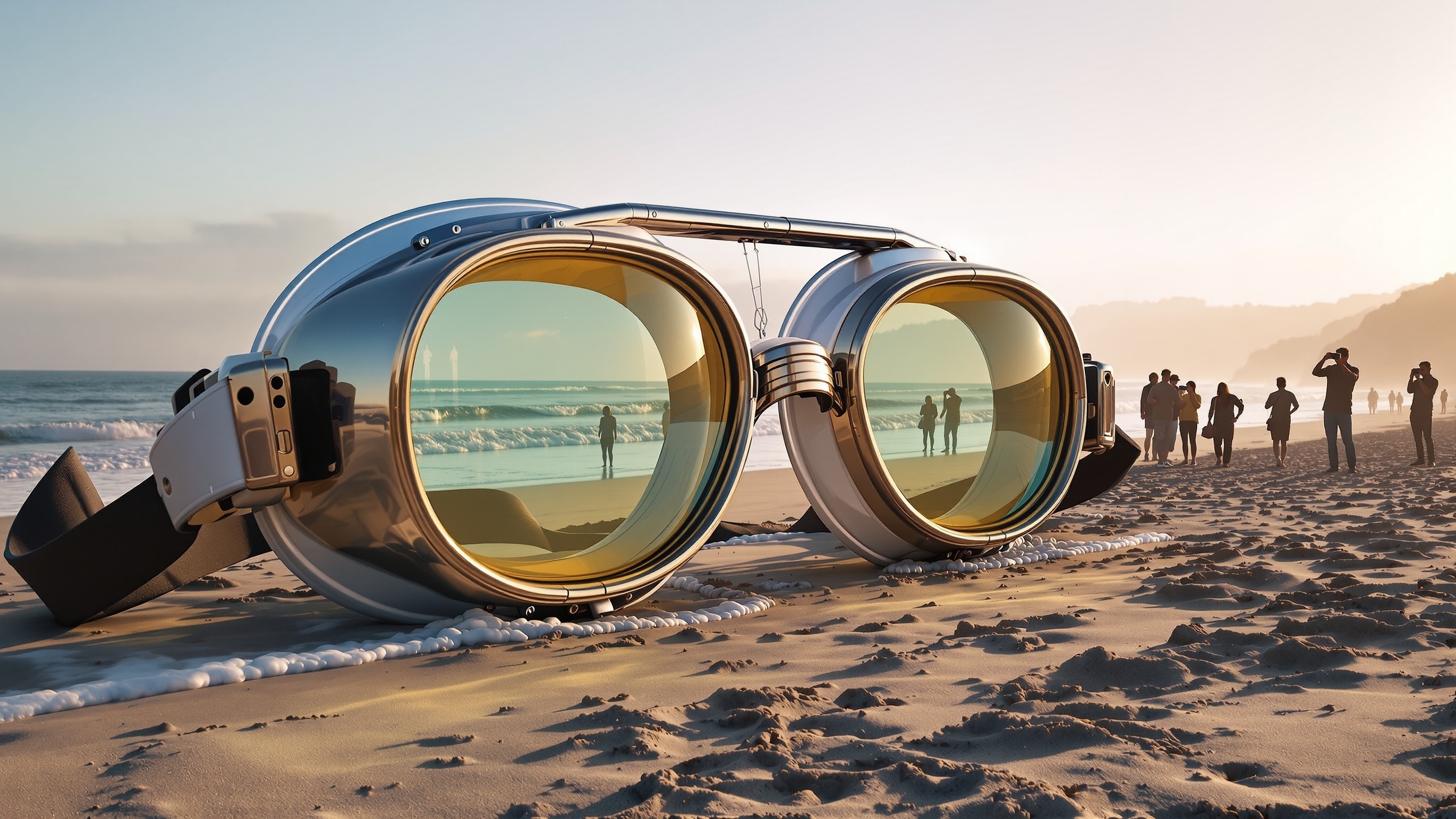
goggles reference 1: Shows the shield-lens profile and strap relationship that separate goggles from glasses. goggles reference 2: Provides a second sport-specific geometry for comparison.
Compare the goggles concepts as visual directions. They do not identify a prior goggles customer or commission. Use the goggles views to compare overall width and height, lens curvature, bridge width, frame depth, strap length and width, buckle position, and base contact and approved lens color or reflective-looking treatment, frame color, strap graphics, and no optical-performance claim. The images do not establish final goggles dimensions, construction, performance, transport, installation, or outcome.
Prepare the goggles Project Brief
goggles quote inputs should connect the defining goggles cues with its intended dimensions and display setting. Include each applicable goggles item below.
- specific goggle type and reference
- overall width and lens curve
- frame and seal details
- strap path and buckle
- approved colors or graphics
- site and schedule
- Physical subject: one oversized goggle prop with a supplied lens shape, sealed-looking frame, nose bridge or center connection, and head strap
- Geometry: overall width and height, lens curvature, bridge width, frame depth, strap length and width, buckle position, and base contact
- Recognition cues: the broad protective lens or paired lenses, wraparound frame, face seal, strap attachments, adjustable strap, and sport-specific contour
- Surface direction: approved lens color or reflective-looking treatment, frame color, strap graphics, and no optical-performance claim
- Display direction: a ski-, swim-, safety-, or supplied goggle form staged as a static eyewear landmark with lens and strap both visible
- Scale issue: the curved lens and flexible-looking strap must stay coherent at scale without collapsing into ordinary eyeglasses or sunglasses
- goggles setting: sport or outdoor campaign
- goggles setting: safety or equipment exhibit
- goggles setting: retail, event, or photo display
- Excluded scope: templed eyeglasses, open sunglasses frames, wearable optics, protective certification, working lenses, visibility claims, and invented sponsorships
- Requested goggles contact, movement, lighting, or exterior exposure
Request a Custom Quote
Send the goggles reference, specific goggle type and reference, overall width and lens curve, frame and seal details, strap path and buckle, approved colors or graphics, site and schedule, destination, and required date. Also describe a ski-, swim-, safety-, or supplied goggle form staged as a static eyewear landmark with lens and strap both visible. WhiteClouds can review the defined scope and prepare a custom quote. The concept images support visual planning and do not depict a completed WhiteClouds project.