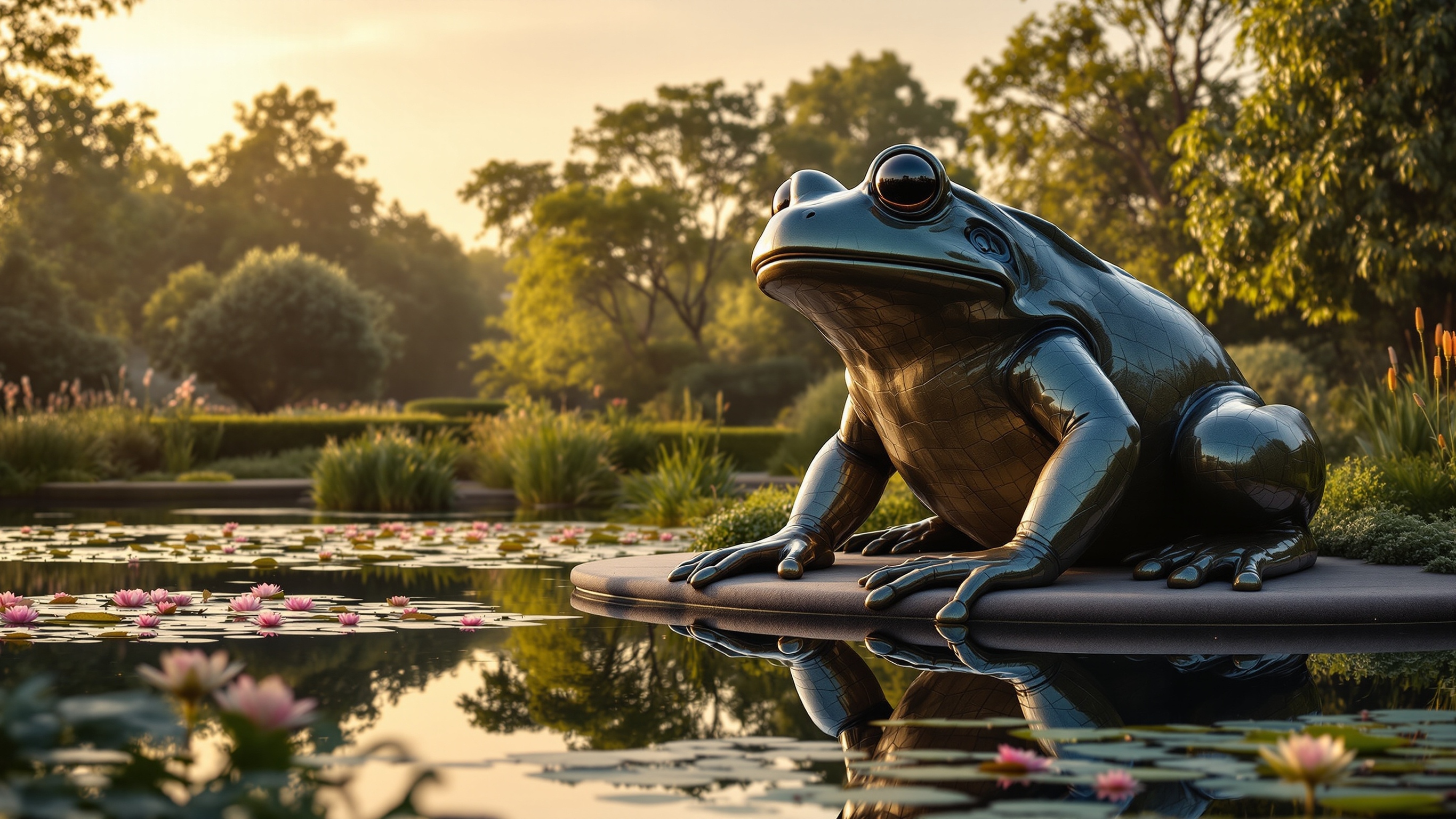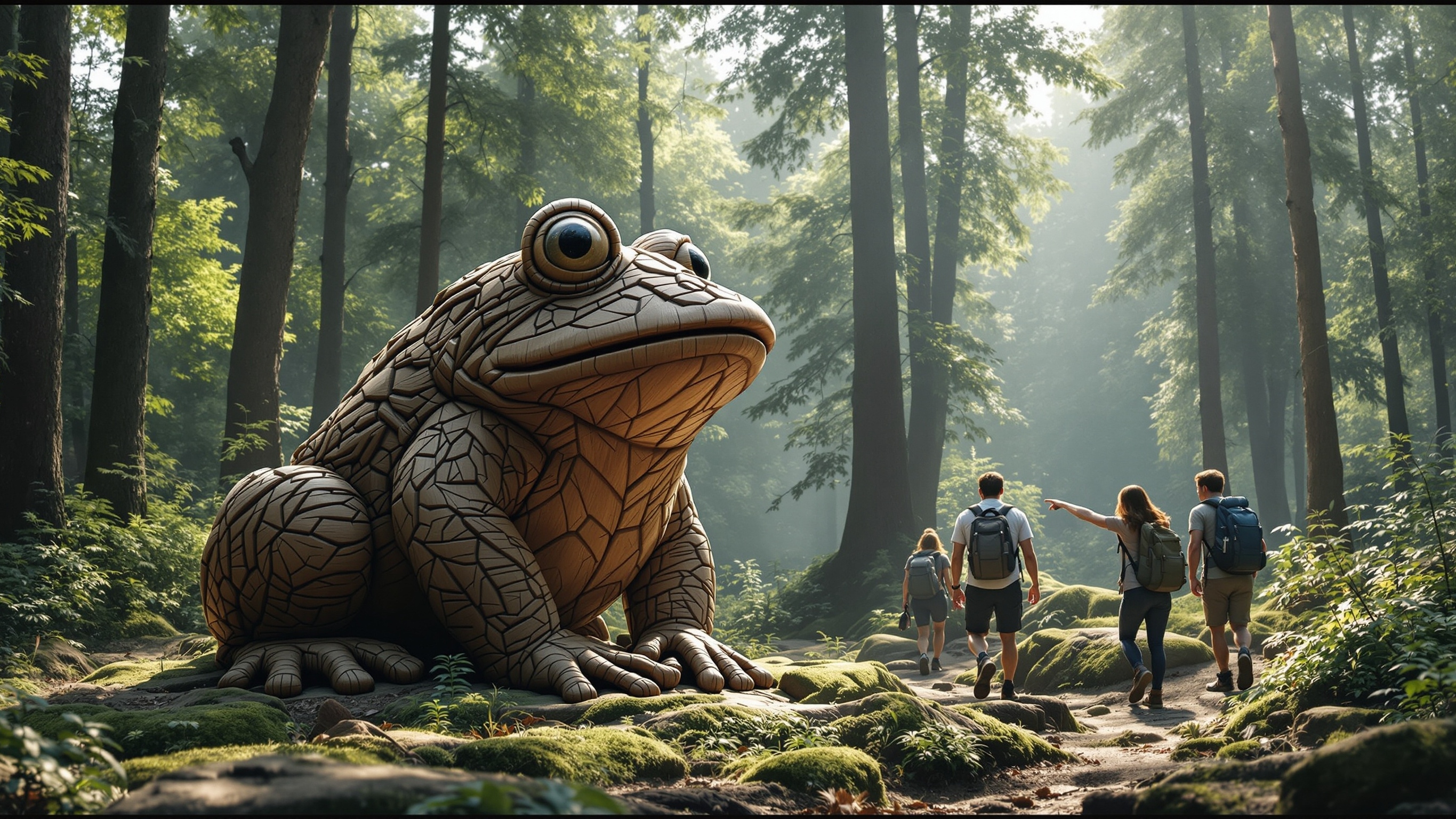
Giant Frog Statue
Giant Frog Statue
We Build Custom Giant Frog Statues
The Giant Frog Statue: Whimsy, Art, and Nature in Monumental Form
Frogs are creatures that have captivated human imagination for centuries. From children’s storybooks and fairy tales to cultural symbols of transformation and good luck, frogs hold a unique place in global storytelling. But when a frog is taken from its natural pond or forest and scaled up into a towering statue, something magical happens. It transforms from a simple amphibian into a monument of creativity, charm, and local pride. The giant frog statue has become an emblem of whimsy and humor, while also paying tribute to nature and community identity. These oversized amphibians appear in parks, roadside attractions, town squares, and even near lakes where frogs naturally thrive. Some are playful and cartoonish, while others are sculpted with breathtaking realism. Either way, they leap straight into our hearts—and into the tourist photos of travelers from around the world.

Frogs in Culture and Symbolism
Before diving into the statues themselves, it’s worth understanding why frogs make such appealing subjects for monumental art. In many cultures, frogs symbolize renewal, transformation, and luck. Their ability to transition from tadpole to frog represents change and growth, while their association with rain ties them to fertility and abundance. In Chinese traditions, the “money frog” is considered a powerful charm for prosperity. In Native American stories, frogs often serve as keepers of water and rain, essential for survival. Beyond symbolism, frogs are simply fun. Their wide eyes, expressive faces, and playful shapes make them natural fits for art. Whether portrayed in realistic detail or exaggerated cartoon style, frogs are instantly recognizable and relatable. This makes them ideal for statues meant to spark smiles and draw attention.
The Rise of Roadside and Public Frog Monuments
The tradition of building giant statues grew rapidly during the 20th century, particularly in North America, where roadside attractions became part of the golden age of automobile travel. Towns competed to stand out by building colossal objects—be it a Paul Bunyan, a hot dog, or an animal native to the area. Communities that identified with frogs, whether because of local wetlands, annual frog-jumping festivals, or cultural ties, naturally embraced the idea of a giant frog statue. It became both a playful marketing tool and a way to build civic identity. Soon, frog statues popped up in public spaces worldwide. Some were tied to local folklore, others to environmental awareness campaigns, and still others were simply quirky tourist draws. Each giant frog statue carried its own personality and story.
Famous Giant Frog Statues Around the World
“Big Bullfrog” in Texas
In several small towns across Texas, giant frog statues pay homage to frog-jumping contests that have been celebrated for generations. These statues often feature bright green paint, enormous bulging eyes, and playful poses that invite photos and laughter.
Frog Park in California
California’s Calaveras County, famous for Mark Twain’s story The Celebrated Jumping Frog of Calaveras County, features frog imagery everywhere. Statues, murals, and frog-themed festivals abound, with oversized frog sculptures acting as mascots of the region.
The Frog Sculptures of Japan
In Japan, where frogs (or “kaeru”) are symbols of luck and safe returns, giant frog statues can often be found near shrines, parks, or roadside stops. Some are brightly painted, while others are crafted in stone with serene expressions, merging playfulness with spiritual reverence.
Whimsical Frogs of Europe
In parts of Germany and France, frog statues dot town centers as part of local legends. These statues, often made of bronze or stone, depict frogs in playful or regal poses—sometimes with crowns, referencing fairy tales like The Frog Prince.
Why We Love Giant Frog Statues
The appeal of a giant frog statue lies in its ability to blend whimsy with meaning. Frogs are approachable. They’re not intimidating, and even in giant form, they evoke laughter rather than awe or fear. Their playful, almost goofy appearance makes them beloved by children, while their cultural symbolism gives them depth for adults. They also serve as powerful mascots for towns. A frog can represent wetlands, environmental awareness, or simply the local sense of humor. Communities embrace them as characters, sometimes naming their statues or incorporating them into festivals and parades. And of course, there’s the selfie factor. Tourists adore unusual landmarks, and nothing says “memorable” like standing beside a frog ten times your size.
Artistic Styles of Giant Frog Statues
One of the joys of frog statues is their diversity of artistic styles. Some are realistic, crafted with lifelike detail, every wart and ripple of skin meticulously sculpted. These statues emphasize the beauty of the natural animal, often tying into conservation themes. Others are cartoon-inspired, with oversized smiles, googly eyes, and bright colors. These statues radiate joy and often serve as attractions in family-friendly spaces like parks or playgrounds. Some are abstract or artistic, using the frog shape as a base but reinterpreting it with unusual textures, patterns, or exaggerated proportions. These works often appear in modern art installations or cultural exhibits. This variety ensures that no two giant frog statues are quite alike. Each one hops to its own rhythm, reflecting the personality of the community that created it.
Fabricating a Giant Frog Statue: From Sketch to Landmark
Creating a giant frog statue is a complex process that combines artistry, engineering, and craftsmanship. Here’s how it might come to life:
Concept and Design
It begins with imagination. Artists sketch or digitally model the frog, deciding on its style—realistic, cartoonish, or abstract. The pose is crucial: will the frog crouch as if ready to leap, sit regally like a king, or lounge playfully? Communities often weigh in, ensuring the design resonates with local identity.
Building the Skeleton
The statue’s skeleton, or framework, is usually built from steel. This internal support ensures the frog remains stable and safe, even in harsh weather. Engineers design it to handle wind loads, weight distribution, and long-term durability.
Sculpting the Body
The outer shell can be crafted from fiberglass, concrete, or bronze, depending on budget and desired aesthetic. Fiberglass is popular for its lightweight durability and ability to capture smooth curves. For permanent monuments, bronze or stone may be chosen.
Detailing
The magic is in the details. Sculptors craft wide, bulging eyes, textured skin, and expressive mouths. For cartoon versions, the details may be exaggerated—huge grins, bright eyes, and vivid colors. For realistic versions, fine surface textures create lifelike impressions.
Painting and Finishing
Frog statues are often painted in shades of green, but artists may also choose more creative palettes—golden tones for regal frogs, or whimsical multi-colored designs. UV-resistant paint ensures the statue withstands sunlight, while protective coatings preserve vibrancy.
Installation
The completed frog is transported to its location and lifted into place, anchored securely on a foundation. Communities often celebrate with an unveiling ceremony, complete with music, festivals, or even frog-themed events.
Community and Tourism Impact
Giant frog statues do more than decorate a park or plaza—they become integral parts of community life. They attract tourists, drawing visitors off highways to see “the big frog.” Souvenir shops sell frog-themed merchandise, local restaurants feature frog logos, and entire festivals may revolve around the statue. They also provide educational opportunities. Many frog statues are accompanied by plaques or signage explaining the cultural symbolism of frogs or highlighting local wetland conservation efforts. For children, the statue becomes a memorable way to learn about nature. Perhaps most importantly, giant frogs foster community pride. Residents embrace their quirky mascot, and the statue becomes a symbol of home, woven into local identity and tradition.
Frogs, Folklore, and Fairy Tales
The frog has leapt through countless stories, from The Frog Prince to The Celebrated Jumping Frog of Calaveras County. Giant frog statues often tie into these tales, becoming physical embodiments of beloved folklore. A statue of a frog with a crown might directly reference the fairy tale of transformation and love. A crouched, ready-to-leap frog might symbolize contests and athleticism. Others, more abstract, may tie into myths of frogs as rainmakers or guardians of water. By embodying these stories, giant frog statues bridge the gap between myth and reality, turning cultural narratives into living landmarks.
The Future of Giant Frog Statues
As public art evolves, so too will frog statues. Future installations may feature interactive elements, such as augmented reality apps that animate the frog or tell its story when scanned by a smartphone. Some may be illuminated at night with LED lights, casting magical glows across parks and plazas. Sustainability will also play a role. Artists may use recycled metals, eco-friendly paints, or solar-powered lighting to align with conservation values that frogs themselves often symbolize. No matter the future form, one thing is certain: giant frog statues will continue to hop their way into our imaginations, blending humor, artistry, and cultural meaning in ways that delight all generations.
Conclusion: A Leap Into Whimsy and Wonder
The giant frog statue is more than an oversized amphibian—it is a leap into creativity, culture, and community spirit. Whether realistic or cartoonish, bronze or fiberglass, regal or goofy, these statues embody both the charm of the frog and the imagination of the people who build them. Standing before a giant frog, you can’t help but smile. Its playful form and cultural echoes remind us of the joy in everyday life and the magic of turning the ordinary into the extraordinary.
As landmarks, they capture attention. As symbols, they embody transformation, luck, and humor. And as works of art, they prove that even the smallest creatures—when enlarged—can make the biggest impact. So, the next time you spot a giant frog statue, stop for a moment. Snap a picture, admire its artistry, and remember that in both folklore and reality, frogs are creatures of change, laughter, and endless fascination.