
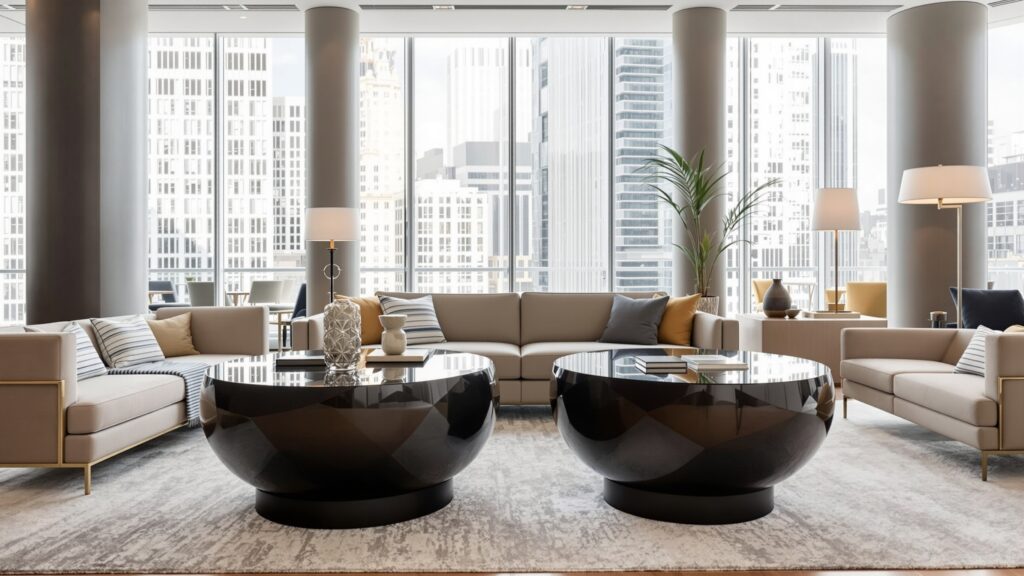
Giant End Tables: Oversized Style Meets Everyday Function
In the world of furniture design, size matters more than many of us realize. Proportions define the character of a space, influencing how comfortable, functional, and stylish it feels. While end tables are often considered supporting players in interior design—small surfaces tucked beside sofas or chairs—the idea of a giant end table flips that script. Enlarged to striking proportions, giant end tables demand attention, reshape living spaces, and elevate an ordinary accent into a dramatic centerpiece.
Whether found in art galleries, design showcases, hotels, or homes that embrace bold aesthetics, giant end tables are more than simply scaled-up furniture. They are statements of creativity, personality, and architectural daring. This article explores their history, design, functionality, and cultural impact while shedding light on why they’ve become such a fascinating part of modern furniture trends.
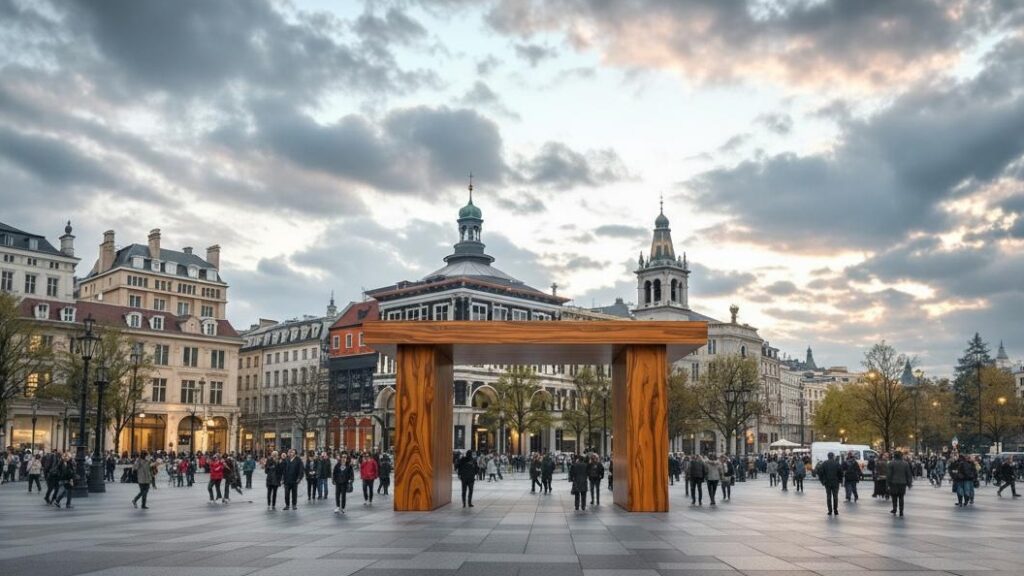
The Origins of the End Table
To appreciate the concept of a giant end table, it helps to first understand where the end table came from. The origins of side tables date back centuries. In Europe, during the Renaissance and Baroque periods, small tables were used to hold candles, writing tools, or decorative items. By the 18th and 19th centuries, they had become household staples, often ornately carved to showcase craftsmanship.
The modern end table as we know it evolved in the early 20th century alongside the rise of more casual living spaces. As sofas and upholstered chairs became the norm, smaller tables were placed conveniently beside them to hold drinks, books, or lamps. By mid-century, end tables were a common feature in almost every home, with countless styles ranging from minimalist modernist designs to rustic wooden forms. But what happens when designers decide that end tables should not just “support” a room but dominate it? That’s where the idea of the giant end table comes in.
What Makes an End Table “Giant”?
A standard end table is typically about 18 to 24 inches high and 18 to 24 inches wide. A giant end table can be two or three times those dimensions—or even larger when used as art installations or public pieces.
Unlike traditional end tables, which blend into a room, giant end tables assert themselves as focal points. Their scale transforms them from accessories into bold statements. In some cases, their size is playful and surreal, making people feel as though they’ve stepped into a world where proportions have been whimsically reversed, like Alice in Wonderland. In others, their size is practical, providing surfaces for gatherings or oversized seating arrangements. A giant end table is “giant” not only in physical size but in visual impact. It dominates attention, sparks conversation, and often redefines the way a room is experienced.
The Design Challenge of Going Big
Designing a giant end table presents unique challenges that go beyond simply enlarging the proportions of a regular one.
The structural stability must be carefully considered. Larger tables need reinforced bases and legs that can bear significant weight without wobbling. Materials must be carefully selected to prevent sagging or cracking across large surfaces.
Functionality is another important consideration. A giant end table that towers too high or stretches too wide may lose its usability. Designers often have to balance spectacle with practicality, ensuring the table is both striking and functional.
Aesthetics also play a crucial role. The boldness of a giant end table requires clean lines, intentional proportions, and careful integration with surrounding furniture. Some designers opt for sleek minimalism to let the size speak for itself, while others embrace exaggerated ornamentation to highlight the whimsical nature of scale.
Famous Giant End Tables Around the World
While giant dining tables and picnic tables often attract headlines, giant end tables have quietly made their way into galleries, hotels, and public spaces.
In design exhibitions such as Salone del Mobile in Milan or Maison&Objet in Paris, oversized furniture—including giant end tables—has been used to provoke thought about scale, perception, and the relationship between people and objects.
Hotels in design-centric cities like Dubai and Singapore have commissioned oversized end tables as part of their lobby decor, creating memorable focal points that double as conversation starters for guests.
Public art projects have also played with the concept of giant end tables, placing them in outdoor parks or plazas as playful installations that invite visitors to rethink the ordinary.
These examples demonstrate that giant end tables are not just furniture—they are cultural expressions.
The Psychology of Oversized Furniture
Why do people find giant end tables and other oversized furniture so captivating? The answer lies in the psychology of scale. When we encounter objects larger than expected, our brains register novelty. This break from the norm sparks curiosity, delight, and sometimes even awe. Oversized furniture often makes us feel playful, bringing back childhood memories when the world itself seemed bigger.
In interior design, a giant end table can also alter the dynamics of a space. Instead of fading into the background, it demands attention and challenges traditional ideas of balance and proportion. It becomes not just a piece of furniture but a symbol of boldness, creativity, and unconventional thinking. At the same time, oversized furniture emphasizes abundance. Just as a giant dining table suggests generosity, a giant end table communicates a sense of extravagance and presence.
Giant End Tables in Popular Culture
Oversized furniture often appears in art, cinema, and literature as a metaphor for surrealism, power, or childlike wonder. Giant end tables are no exception.
In art galleries, they are used to distort perspective, making visitors feel miniature and encouraging them to reimagine everyday life. In movies and theater, oversized tables serve as dramatic props, heightening tension or humor by exaggerating scale.
Even advertising campaigns have embraced giant furniture—including end tables—to capture attention and highlight lifestyle ideals. The playfulness of scale serves as a powerful visual metaphor, making ordinary products seem extraordinary.
Function Meets Spectacle
While many giant end tables exist as artistic or decorative statements, some are surprisingly functional.
In residential design, a large end table might serve as both side table and coffee table, bridging the gap between furniture categories. In hospitality spaces, giant end tables often double as platforms for decorative displays such as flower arrangements, sculptures, or art pieces.
Some designers push functionality further, creating multi-purpose giant end tables that integrate storage, seating, or even technology. These innovative pieces blur the lines between traditional furniture categories, emphasizing flexibility and adaptability in modern design.
DIY vs. Professional Construction
For homeowners intrigued by the idea of a giant end table, smaller “giant” versions—perhaps double the standard size—are achievable as DIY projects. With basic carpentry skills and durable materials such as reclaimed wood, one can create an oversized piece that instantly transforms a living room.
However, for truly monumental versions, professional expertise is required. Designers and architects collaborate to ensure that large tables are structurally sound, aesthetically pleasing, and safe for long-term use. Large-scale installations often require permits, custom fabrication, and specialized transportation.
Whether DIY or professional, the result is a bold piece of furniture that makes an unforgettable impression.
Sustainability and Oversized Furniture
Like all furniture, giant end tables raise questions about sustainability.
Eco-conscious designers have embraced reclaimed wood, recycled metal, and bamboo to reduce environmental impact. Oversized furniture often requires significant material resources, so sustainability becomes particularly important at larger scales. Some designs also emphasize modularity, allowing giant end tables to be disassembled and reused in different contexts. This not only extends the life of the furniture but also reduces waste. By aligning bold design with eco-friendly practices, giant end tables can embody both extravagance and responsibility.
The Future of Giant End Tables
The future of giant end tables lies at the intersection of design, technology, and culture. As experiential design continues to grow, oversized furniture will likely become even more prominent in both private and public spaces. Designers may integrate technology into giant end tables, with built-in wireless charging, LED lighting, or interactive digital surfaces.
We may also see giant end tables as part of hybrid indoor-outdoor living spaces, crafted from weather-resistant materials that allow them to serve as focal points on patios or rooftops. As bold statements become increasingly valued in design, giant end tables will continue to push the boundaries of what furniture can be—functional, artistic, and conversation-worthy.
Why Giant End Tables Resonate
At their core, giant end tables resonate because they reimagine the ordinary. They take something familiar, enlarge it, and challenge us to see it differently. They remind us that even the most modest furniture pieces can hold extraordinary potential.
They also symbolize presence. A giant end table doesn’t hide in the corner—it asserts itself, demanding to be noticed. It represents boldness, creativity, and the courage to break away from convention. Above all, giant end tables embody the joy of design itself: the ability to transform space, spark conversation, and turn the ordinary into something unforgettable.
Final Thoughts
The giant end table is more than oversized furniture. It is a cultural statement, a design experiment, and a playful twist on a household classic. Whether used as art, decoration, or functional furniture, it transforms spaces and challenges perceptions. In a world where people crave uniqueness and expression, giant end tables remind us that design is not limited by scale. By enlarging the everyday, they elevate it, making the simple act of placing a table beside a sofa into a story of creativity, presence, and imagination.
Contact us today to learn more about our 3D services and how we can help you achieve your goals.