
Giant Dining Tables: Where Scale Meets Celebration
There is something undeniably captivating about sitting at a dining table that seems larger than life. A table that dwarfs the usual furniture and stretches long enough to seat dozens—sometimes hundreds—of people at once. These giant dining tables are not simply oversized pieces of wood; they are cultural symbols, architectural marvels, and social statements that turn everyday meals into extraordinary experiences.
In a world that increasingly values connection and shared moments, giant dining tables have carved out a fascinating niche. From historical banquet halls and royal feasts to modern art installations and public festivals, they embody the joy of gathering, the grandeur of tradition, and the sheer delight of eating together on a grand scale.
A Brief History of the Dining Table
To understand the magic of giant dining tables, it helps to look back at the origins of communal dining. Early societies gathered around fires, with meals shared on the ground or from communal vessels. Tables, in their earliest forms, were simple raised platforms. As civilizations grew, so did the scale of their furniture, often reflecting wealth, power, and cultural values.
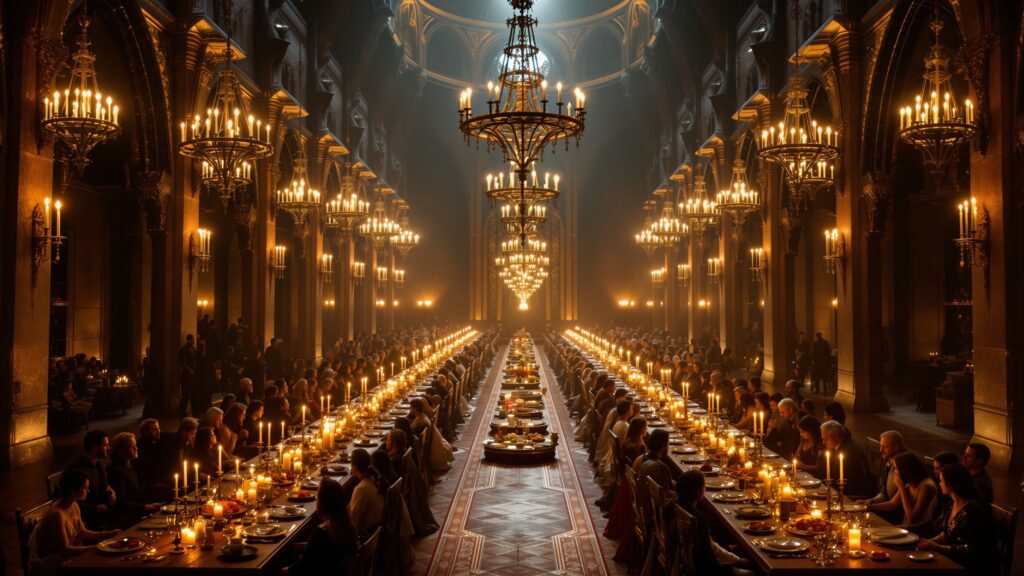
In medieval Europe, long wooden trestle tables dominated banquet halls, designed to feed entire courts or armies of retainers. These tables could be dismantled and moved, but their impressive length made them central to grand feasts and political gatherings. Meanwhile, in Asia, round tables emphasized equality and inclusivity, while also growing in size to accommodate larger family gatherings. The concept of the giant dining table grew from these traditions of scale and symbolism. Over time, these tables became more than just places to eat; they evolved into backdrops for rituals, negotiations, celebrations, and the forging of human connections.
What Defines a Giant Dining Table?
While there is no official measurement for what qualifies as “giant,” the term usually refers to dining tables that dramatically exceed conventional sizes. A standard dining table typically seats four to twelve people. A giant dining table, by contrast, can host dozens, stretching anywhere from twenty to several hundred feet in length.
Some giant dining tables are permanent fixtures, carved from massive single slabs of wood or constructed from engineered components designed to withstand heavy use. Others are temporary, designed for festivals or world-record attempts, where length takes priority over permanence. What unites them all is the spectacle they create—an ordinary piece of furniture elevated to extraordinary proportions.
The Engineering of Scale
Designing a giant dining table is not as simple as just making a longer tabletop. The engineering challenges are surprisingly complex. A giant table must remain stable across its length, which often requires specialized supports or sectional construction. Weight distribution is another key factor. A table meant to hold dozens of people eating simultaneously must support not only the weight of the tabletop itself but also food, drink, and tableware, sometimes totaling several tons.
Materials also play a critical role. While traditional giant tables might use oak, mahogany, or teak, modern versions incorporate steel reinforcements, modular platforms, and sustainable engineered woods. Some are designed to be easily assembled and dismantled, particularly when built for large-scale public events. The result is both functional and symbolic: a table that is as much an architectural achievement as it is a piece of furniture.
Famous Giant Dining Tables Around the World
Several giant dining tables have achieved fame, either for their historical significance or their record-breaking size.
One of the most iconic examples is the enormous trestle table in England’s Hampton Court Palace, where King Henry VIII entertained his court. Stretching across a grand hall, it represented not just dining but the power and authority of the monarchy.
In Germany, the city of Bremen once hosted the world’s longest dining table as part of a public festival, measuring more than a kilometer in length and seating thousands of participants.
In the United States, community gatherings and state fairs often feature long tables that stretch through city blocks, designed to bring people together in celebration. Events such as “long table dinners” have become increasingly popular, where local farms or city centers transform into temporary spaces for communal dining on a massive scale.
These examples illustrate that giant dining tables are not just curiosities—they are stages for history, community, and cultural expression.
The Social Psychology of Giant Tables
Why do giant dining tables appeal to us so much? The answer lies in human psychology.
Food has always been central to social bonding. Sharing a meal creates a sense of community and belonging, and the dining table is the stage for this ritual. A giant dining table magnifies this effect, transforming the act of eating into a collective celebration.
Sitting at such a table also offers a sense of spectacle and novelty. It disrupts the ordinary rhythm of dining, sparking curiosity and delight. For many, the sheer size of the table becomes part of the experience, making the meal memorable long after the plates are cleared. Additionally, there’s something symbolic about everyone gathering around the same table. It represents unity, equality, and togetherness, whether in a family reunion, a festival, or even a diplomatic event.
Giant Dining Tables in Art and Culture
Beyond their practical use, giant dining tables often appear in art, literature, and popular culture as metaphors for abundance, unity, or power. Artists have used oversized tables as installations to challenge ideas of space, community, and interaction. Imagine walking into a gallery where the table towers over you, forcing you to reconsider your own relationship to scale and consumption.
In cinema, giant dining tables often set the stage for dramatic moments, from lavish feasts to comical exaggerations. They symbolize either excess—highlighting greed and indulgence—or inclusivity, showing large groups coming together in joy. By straddling the line between utility and symbolism, giant dining tables have become cultural icons as much as physical objects.
The Role of Giant Dining Tables in Modern Events
In today’s world, giant dining tables are increasingly popular at public events, corporate gatherings, and weddings. The appeal lies in their ability to turn meals into experiences.
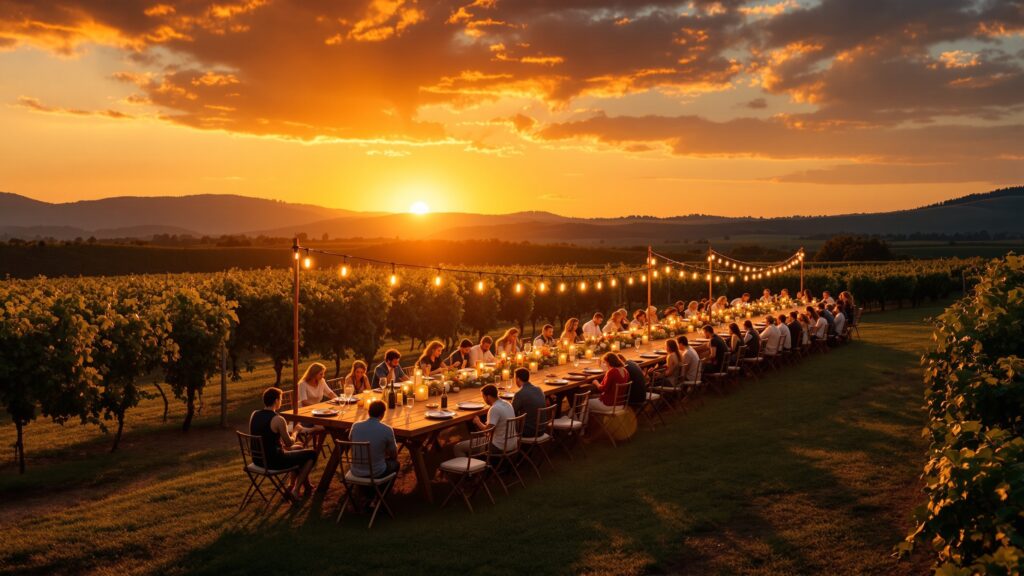
Imagine a long table running down the middle of a vineyard, where guests dine under string lights and stars. Or picture a massive table in a city square, where strangers come together to share food and conversation. These are not just meals—they are immersive experiences that linger in memory.
Corporate brands have also used giant dining tables as marketing tools, staging record-breaking feasts to promote inclusivity and community. Nonprofits have employed them for fundraising events, where the sheer size of the table symbolizes the collective effort of donors and volunteers. By combining function with spectacle, giant dining tables have become powerful tools for storytelling and connection.
DIY vs. Professional Construction
For those intrigued by the idea of building a giant dining table, the approach depends on purpose and scale.
Smaller versions—large enough to seat 20 or so—can be crafted by skilled carpenters using modular designs. These often become centerpieces for family reunions, community clubs, or themed restaurants.
For public or record-breaking events, however, professional engineering is necessary. Safety regulations, weight-bearing requirements, and logistical considerations demand expertise. These projects often involve teams of carpenters, engineers, and event planners working together to ensure the table is not only spectacular but also safe.
Sustainability and Giant Dining Tables
As with any large-scale construction, sustainability is an important consideration. Some giant dining tables are made from reclaimed wood, giving new life to materials that would otherwise go to waste. Others use modular designs that allow them to be reused across multiple events, reducing waste and cost.
Innovative designers are also incorporating sustainable practices such as bamboo construction, biodegradable tableware, and eco-friendly finishes. These choices ensure that the joy of coming together at a giant dining table does not come at the expense of the environment.
The Future of Giant Dining Tables
Looking ahead, the role of giant dining tables is likely to grow. In a world where people crave connection, these oversized pieces of furniture provide a tangible way to bring communities together.
Architects are already incorporating giant dining tables into co-living spaces, universities, and office environments, where they serve as both functional furniture and social anchors. Advances in materials and modular construction mean that giant tables will be easier to build, transport, and repurpose. We may even see technological integrations—tables with built-in lighting, heating, or interactive surfaces designed to enhance the dining experience. Whatever form they take, giant dining tables will continue to symbolize community, abundance, and celebration.
Why Giant Dining Tables Matter
At their heart, giant dining tables remind us of something deeply human: our need to gather, share, and celebrate together. They take an ordinary object and amplify it into a statement about connection.
When you sit at a giant dining table, you’re not just eating a meal—you’re participating in a story of togetherness that stretches back centuries. Whether in medieval banquet halls, bustling city squares, or modern art installations, these tables have always represented more than food. They symbolize the bonds that unite us.
Final Thoughts
The giant dining table is more than furniture—it is an experience, a cultural artifact, and a celebration of human connection. Its size amplifies the joy of gathering, the warmth of community, and the wonder of scale.
In a fast-moving world, giant dining tables invite us to slow down, sit side by side, and share something timeless: the simple yet profound act of dining together.
Contact us today to learn more about our 3D services and how we can help you achieve your goals.