
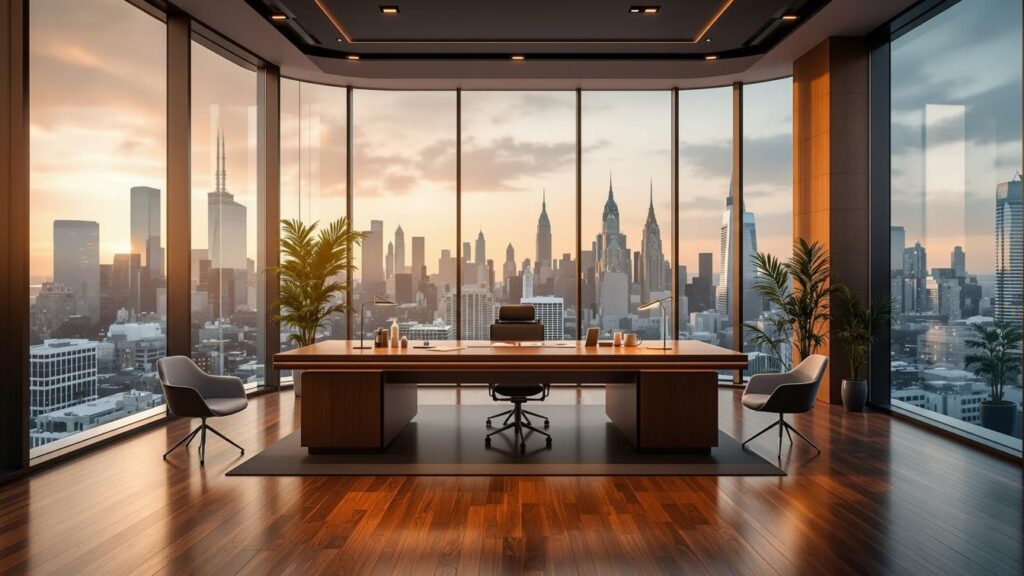
Giant Desks: Oversized Workspaces That Redefine Productivity and Design
Desks are central to the way we work, study, and create. From the carved wooden desks of centuries past to the sleek ergonomic setups of modern offices, these surfaces are where ideas take shape and decisions are made. But what happens when you scale this humble piece of furniture up to extraordinary proportions? That’s where the concept of the giant desk comes in. A giant desk is more than just an oversized piece of furniture. It’s a bold design choice, a practical solution for collaboration, and sometimes even a playful or artistic installation that makes people see the ordinary in an extraordinary light. These desks capture our imaginations by transforming something familiar into something monumental.
In this article, we’ll explore the fascinating world of giant desks — their history, design, engineering, cultural impact, and future. Whether in offices, schools, art galleries, or public spaces, these enormous work surfaces tell us something about how humans use furniture to shape experiences, environments, and interactions.

The Origins of the Desk
The history of the desk stretches back centuries. Early writing desks appeared in monasteries and royal courts, where scholars and scribes needed specialized furniture for reading, writing, and record-keeping. These desks were often ornate and heavy, built to showcase status as much as function.
By the Renaissance, desks became more varied in design, including standing desks, roll-top desks, and large cabinet desks. With the Industrial Revolution came mass production, making desks more accessible to the general population. Offices began to standardize furniture for clerical work, and the desk became a symbol of productivity. The modern desk is a streamlined piece of furniture that balances utility with comfort. It can be as small as a writing surface in a student dorm or as large as an executive desk dominating a corporate office. The idea of the giant desk takes this evolution one step further, exaggerating scale to create impact, functionality, or spectacle.
What Makes a Desk “Giant”?
A standard desk is usually about 48 to 60 inches wide and 24 to 30 inches deep, designed for individual use. A giant desk, by contrast, dramatically exceeds these proportions. Some giant desks are designed for practical purposes, such as large collaborative tables in offices or classrooms that can seat multiple people. Others are whimsical installations, so large that they make adults feel child-sized, playing with perspective in surreal ways. Some are record-breaking, stretching across entire rooms or halls to host dozens of people at once. Whether practical or playful, giant desks share one defining trait: they transform the desk from a personal workspace into a statement piece that reshapes the way people interact with their environment.
The Design and Engineering of Scale
Scaling up a desk involves more than simply enlarging its dimensions. Designers and engineers must carefully consider proportion, stability, and usability. Large desks must be structurally reinforced to prevent sagging in the middle or wobbling under weight. Materials such as solid hardwoods, reinforced steel, engineered composites, or tempered glass are often used to provide both durability and aesthetic appeal. Functionality is also key. A giant desk in an office setting needs to accommodate computers, wires, power outlets, and storage. Collaborative versions often include built-in charging stations, data ports, or integrated lighting to enhance usability.
For oversized art installations, designers must focus on safety as much as spectacle. A giant desk large enough for people to climb on or interact with must be engineered to withstand heavy use while maintaining balance and visual impact.
Famous Giant Desks Around the World
Several giant desks have captured public imagination through scale, novelty, or symbolism. In museums and art galleries, oversized furniture — including desks — has been displayed as part of installations that challenge perceptions of everyday life. Visitors walking among giant desks feel as though they’ve been transported into a world where proportions have been reversed, evoking both wonder and nostalgia.
In government and corporate settings, giant desks have served as symbols of power and authority. Large executive desks, stretching several feet across, project status and dominance while commanding attention in a boardroom or office.
At schools, universities, and collaborative workspaces, giant desks have been designed to seat dozens of students or workers simultaneously, emphasizing inclusivity and teamwork. Even in public events, record-breaking giant desks have been constructed, sometimes seating hundreds of people working together on community projects or educational initiatives.
The Psychology of Oversized Furniture
Why do giant desks resonate with us so strongly? The answer lies in psychology. Oversized objects disrupt our expectations, sparking curiosity and delight. Encountering a desk that towers over us or stretches across a room makes us reevaluate its purpose and meaning. For adults, giant desks can evoke childhood memories of sitting at a grown-up’s desk, feeling small and full of wonder.
In workplaces, the symbolism is different. A giant desk can project power, control, and authority, particularly when it belongs to a leader or figurehead. Conversely, collaborative giant desks can symbolize inclusivity and community, encouraging open communication and shared responsibility. Ultimately, giant desks amplify the emotions we already associate with furniture — productivity, creativity, authority, or nostalgia — making them unforgettable experiences.
Giant Desks in Popular Culture
Giant desks have appeared in movies, advertising, and art as metaphors for power, surrealism, or humor. In films, oversized executive desks often emphasize the dominance of powerful characters, visually reinforcing their authority. In comedies, giant desks exaggerate the awkwardness of scale, highlighting absurdity. Artists have long used giant furniture — including desks — to explore themes of perspective, memory, and scale. By enlarging ordinary objects, they force viewers to confront the extraordinary within the everyday. Even advertising campaigns have used giant desks to symbolize ambition, productivity, or the “bigger-than-life” potential of a product or service.
Function Meets Spectacle
While some giant desks exist purely for artistic or symbolic reasons, many are highly functional. In offices, oversized desks can serve as collaborative workstations, providing ample space for brainstorming sessions, group projects, or team meetings. In educational environments, they can accommodate entire classes, fostering inclusivity and group learning.
Luxury offices often feature giant executive desks, blending utility with status. These desks are not only functional surfaces but also centerpieces that convey prestige, success, and control. Some designs go further, incorporating multifunctional features such as built-in filing systems, hidden compartments, or interactive technology. The result is a desk that blurs the line between furniture, architecture, and digital innovation.
DIY vs. Professional Construction
For creative homeowners or hobbyists, building a “giant” desk — perhaps twice the size of a regular one — can be a fun DIY project. Using reclaimed wood, reinforced metal legs, and a durable finish, it’s possible to create a striking piece that serves as both workspace and statement.
For monumental or record-breaking projects, however, professional expertise is essential. Engineers, designers, and carpenters must collaborate to ensure structural stability, safety, and usability. Large-scale desks often require modular construction, heavy-duty supports, and specialized materials. The larger the desk, the more it shifts from furniture to installation or architecture, requiring planning and expertise beyond standard carpentry.
Sustainability and Oversized Furniture
As with all large-scale furniture, sustainability is a key consideration when building giant desks. Eco-friendly designs often incorporate reclaimed wood, recycled steel, or responsibly sourced materials. Some desks are modular, allowing for reassembly, relocation, or repurposing, reducing waste. Sustainable finishes — such as natural oils or low-VOC sealants — also ensure that the grandeur of the desk doesn’t come at the cost of environmental health. By combining scale with sustainability, designers demonstrate that bold furniture can be both spectacular and responsible.
The Future of Giant Desks
Looking ahead, giant desks are likely to evolve with the changing nature of work and design. In an age of hybrid work, interactive desks equipped with technology such as wireless charging, built-in screens, or augmented reality may become the norm. Giant desks could serve as digital hubs, where physical and virtual collaboration intersect.
Designers are also experimenting with flexible and modular solutions, allowing large desks to transform into smaller units or adapt to different purposes. This adaptability will make them valuable in multipurpose spaces such as co-working hubs, schools, and public venues. Culturally, we may see more artistic and playful uses of giant desks in exhibitions, festivals, and public spaces, reminding us that even work-related furniture can inspire joy and wonder.
Why Giant Desks Matter
At their core, giant desks remind us of the profound role furniture plays in shaping our lives. They are not just oversized objects — they are symbols of productivity, authority, creativity, and community. They encourage us to think differently about scale, challenge our perceptions of ordinary furniture, and invite us to engage with our environments in new ways. Whether they dominate an executive office, anchor a collaborative workspace, or appear in a public art exhibit, giant desks make an impression that is impossible to ignore.
Final Thoughts
The giant desk is more than just a big piece of furniture. It is a bold design statement, a practical solution for collaboration, and a cultural symbol that reflects the ways we work and interact. From historic executive offices to futuristic co-working spaces, from art installations to playful public attractions, these oversized desks captivate our imaginations and elevate the ordinary into the extraordinary. In a world that constantly redefines how and where we work, giant desks serve as both anchors and inspirations — surfaces where ideas grow, where collaboration thrives, and where the scale of our ambitions finds a worthy stage.
Contact us today to learn more about our 3D services and how we can help you achieve your goals.