
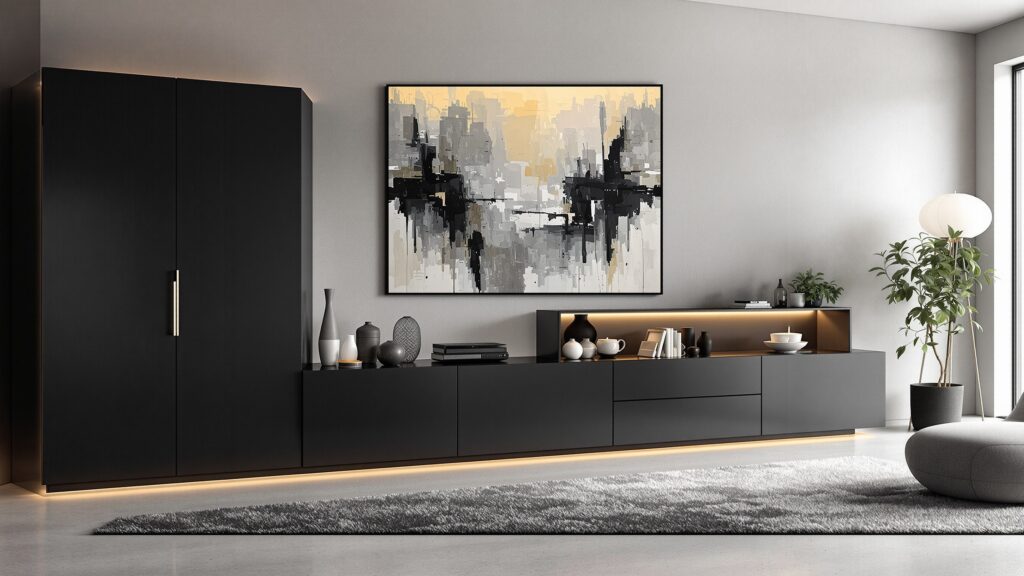
The Enduring Allure of the Giant Credenza: A Statement Piece in Furniture Design
Furniture has always played a vital role in shaping the way we live, work, and experience our spaces. While some pieces are purely functional, others transcend utility to become icons of design, artistry, and cultural expression. Among such pieces, the giant credenza holds a unique place. A blend of grandeur and practicality, the giant credenza stands as both storage solution and showpiece, blending old-world tradition with modern-day style. The word “credenza” may sound elegant, even mysterious, to those unfamiliar with its origins, but this piece of furniture has a fascinating history that stretches back centuries. Today, whether in a stately dining room, a sleek corporate office, or a modern living space, the giant credenza is celebrated for its commanding presence, versatile functionality, and timeless beauty.
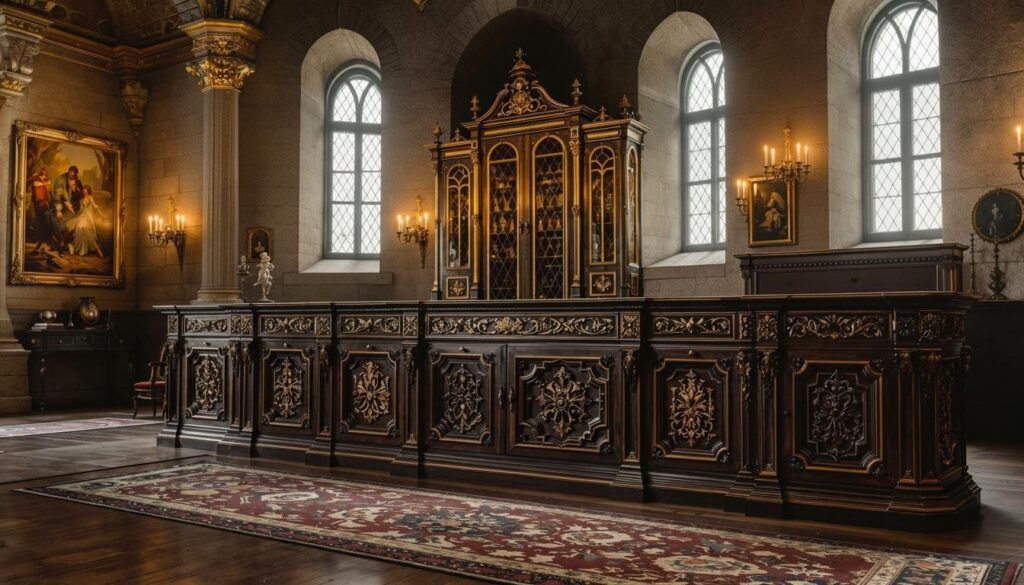
The Origins of the Credenza
The term “credenza” comes from the Italian word credere, meaning “to believe” or “to trust.” In the 16th century, Italian nobility used the credenza as both a serving table and a place where food and drink could be tasted for poison before being offered to the family. This ritual of “credence” gave the piece its name. In its earliest forms, a credenza was a simple table or sideboard, but over time, it evolved into a more elaborate piece of cabinetry. With the Renaissance came a surge in craftsmanship and artistry, and credenzas transformed into highly decorated storage pieces, adorned with carvings, gilding, and intricate details that mirrored the grandeur of their aristocratic owners.
By the 18th and 19th centuries, credenzas had spread across Europe, especially in France and England, becoming synonymous with elegance and refinement. They often featured marble tops, fine veneers, and ornate brass or bronze hardware. These were not merely storage units but works of art—status symbols that communicated wealth, sophistication, and cultural taste.
What Makes a Credenza “Giant”?
A traditional credenza is typically a low, long sideboard or cabinet, often placed against a wall. But the giant credenza is in a class of its own. It stretches far beyond the usual proportions, commanding attention through its size, design, and functionality. While a standard credenza might measure five to seven feet in length, a giant credenza can easily span ten feet or more, sometimes stretching the entire length of a dining room wall. In terms of height, these pieces can tower over standard sideboards, often featuring multiple compartments, shelving, and ornate decorations that emphasize their monumental presence. The term “giant” doesn’t refer only to scale—it also implies grandeur. A giant credenza is designed to dominate a space, acting as both centerpiece and conversation starter. Whether antique or modern, its size amplifies its role as a symbol of abundance, stability, and taste.
The Design Appeal of Giant Credenzas
The appeal of a giant credenza lies in its ability to merge form and function. It is a piece that provides ample storage while also serving as a canvas for artistry. Designers and homeowners alike admire giant credenzas for their:
- Visual impact: Their size ensures they are noticed immediately upon entering a room.
- Functional storage: With vast cabinets and drawers, they store everything from fine china to office files.
- Decorative surfaces: The top of a credenza offers space to display art, lighting, or personal collections.
In essence, a giant credenza is both furniture and architecture. It anchors a space, shaping how the room feels and functions while adding personality and sophistication.
Materials and Craftsmanship
The craftsmanship of giant credenzas has always been central to their appeal. Historically, they were made of hardwoods like walnut, mahogany, and oak—woods valued not only for their durability but also for their richness in tone and ability to hold intricate carvings.
Many antique giant credenzas featured:
- Marble or stone tops for added luxury and durability.
- Intricate inlays of contrasting woods, ivory, or even semi-precious stones.
- Carved panels depicting mythological scenes, floral motifs, or heraldic emblems.
- Ornate hardware crafted from bronze or brass.
Modern credenzas, while often streamlined, still carry forward this emphasis on quality. Today, designers experiment with glass, metals, laminates, and engineered woods, ensuring that even contemporary pieces retain a sense of elegance and durability. Some even integrate sustainable materials like bamboo or reclaimed wood, appealing to eco-conscious consumers.
The Giant Credenza in Dining Rooms
One of the most traditional settings for a giant credenza is the dining room. Here, it serves both practical and decorative roles. Historically, it held fine china, silverware, linens, and serving dishes, all neatly hidden behind its doors. During feasts and gatherings, the surface of the credenza doubled as a serving station, displaying platters of food, ornate candelabras, or floral arrangements. In modern homes, the dining room credenza continues this tradition, often updated with contemporary features like built-in wine racks, hidden lighting, or soft-close drawers. Its scale and elegance ensure that it elevates the overall dining experience, making meals feel like events.
The Giant Credenza in Living Rooms and Beyond
The adaptability of the giant credenza extends far beyond the dining room. In living rooms, it can serve as an entertainment center, providing storage for electronics, books, or decorative items. Its long surface makes it perfect for displaying artwork, sculptures, or large statement lamps. In offices and libraries, giant credenzas function as sophisticated storage solutions for files, books, and supplies. In some cases, they even double as desks or conference tables, merging practicality with elegance. Because of their versatility, giant credenzas have become staples in both residential and commercial spaces, from high-end hotels and lobbies to executive boardrooms and stylish studios.
Giant Credenzas in Different Cultures
Across cultures, the giant credenza has taken on unique forms and meanings. In Europe, it often symbolized opulence and aristocracy, while in Asia, similar large-scale storage cabinets carried symbolic motifs, lacquered finishes, and cultural designs. In Japan, for example, large cabinetry pieces were minimalist yet profound, embodying the principles of harmony and balance. In China, storage chests and sideboards often featured symbolic carvings of dragons, cranes, or lotus flowers, representing luck, longevity, and prosperity. The global variations of the credenza highlight its universal role as a fusion of utility and cultural expression.
Famous Examples of Giant Credenzas
Many museums and historical estates showcase giant credenzas that are masterpieces of their time. In France, Louis XIV’s reign produced some of the most ornate credenzas, adorned with gilded bronze and elaborate veneers. At the Victoria and Albert Museum in London, visitors can view giant credenzas from the 18th and 19th centuries, each reflecting the artistic trends of its era—from Rococo flourishes to Neoclassical restraint. In the United States, mid-century modern designers like Florence Knoll and George Nelson reimagined the credenza, giving it sleek lines, minimal ornamentation, and a new role in contemporary office spaces. Even at this scale, the credenza remained a staple of good design.
Practical Considerations for Owning a Giant Credenza
While glamorous, owning a giant credenza also comes with practical considerations. Its sheer size requires ample space, making it unsuitable for smaller apartments or narrow rooms. Moving or transporting such a large piece can also be a challenge, particularly for antique models made of solid hardwood. Homeowners also need to consider weight: a marble-topped credenza can weigh hundreds of pounds. Floors may need reinforcement to support such mass. Additionally, because of their large surfaces, giant credenzas demand regular upkeep, from dusting to polishing wood or stone finishes. Yet for many, these challenges are outweighed by the benefits. A giant credenza provides unmatched storage, enhances room design, and often becomes a lifelong investment.
The Modern Evolution of the Credenza
In today’s design landscape, the giant credenza continues to evolve. Minimalist versions feature sleek lines, matte finishes, and hidden compartments, aligning with modern aesthetics. Some contemporary credenzas incorporate technology, such as built-in charging stations, hidden speakers, or smart lighting. In luxury settings, credenzas are still crafted as bespoke pieces, tailored to fit a client’s exact space and lifestyle. For eco-conscious buyers, reclaimed woods and sustainable materials ensure that the credenza remains both timeless and responsible. This adaptability ensures the credenza remains relevant, bridging tradition and innovation.
Symbolism and Identity
The giant credenza is more than a piece of furniture—it’s a statement of identity. It reflects not only the tastes of the owner but also their relationship to space, hospitality, and style. A dining room credenza may symbolize abundance and generosity, while a sleek office credenza might project professionalism and authority. In this sense, the credenza is both personal and cultural, telling a story about who we are and how we choose to live.
The Future of Giant Credenzas
Looking ahead, the giant credenza will likely become even more multifunctional. Designers are already imagining pieces that integrate modular systems, allowing them to shift between storage, workspace, and display as needed. As smart home technology advances, future credenzas may incorporate climate-controlled storage for wine or textiles, motion-sensor lighting, or even voice-controlled compartments. Despite these innovations, the core essence of the credenza remains: a fusion of storage, style, and symbolism. Its giant form will always command attention, acting as both a practical anchor and a timeless centerpiece.
Conclusion: The Timeless Majesty of the Giant Credenza
The giant credenza is more than oversized furniture—it is an emblem of history, culture, and artistry. From Renaissance Italy to modern loft apartments, it has adapted to changing needs while maintaining its aura of grandeur. Its enduring appeal lies in its dual nature: both functional and decorative, practical and symbolic. Whether made from carved oak, adorned with marble, or reimagined in sleek modern materials, the giant credenza transforms any space into a place of elegance, authority, and refinement. In a world where design trends shift rapidly, the giant credenza remains steadfast—a monumental piece of furniture that bridges past and present, reminding us that true design is as much about scale and presence as it is about utility.
Contact us today to learn more about our 3D services and how we can help you achieve your goals.