
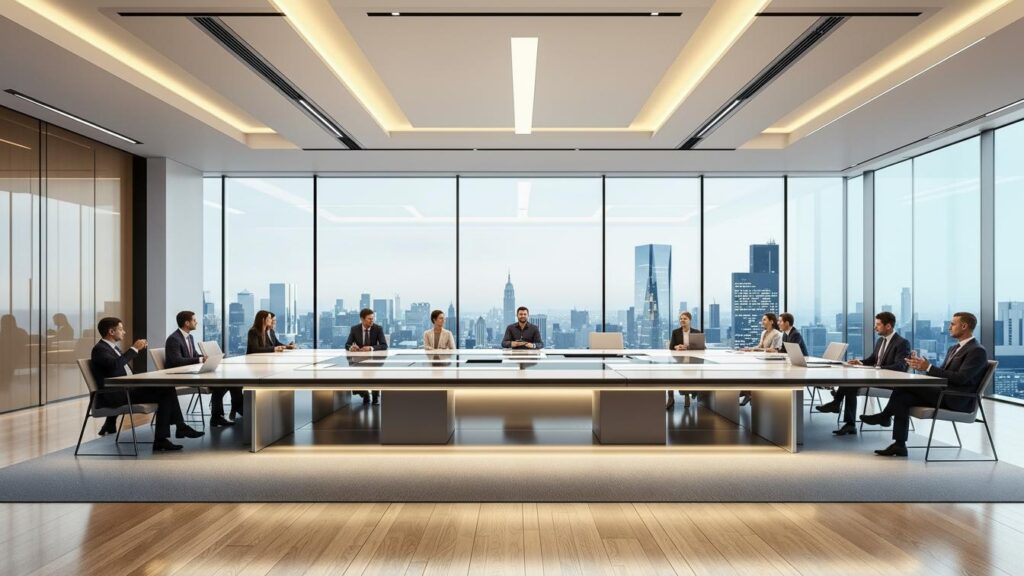
Giant Conference Tables: Power, Presence, and Collaboration at Scale
When people gather around a table, it’s rarely just about the furniture—it’s about communication, collaboration, and decision-making. And in the world of business, diplomacy, and design, there are few objects as symbolic as the conference table. But what happens when that table grows to extraordinary proportions? Enter the world of giant conference tables—oversized creations that are as much about scale and symbolism as they are about practicality. These enormous tables do more than hold laptops, papers, or cups of coffee. They command attention, project authority, and become architectural statements in their own right. They shape the way people interact, influence the dynamics of meetings, and often serve as the visual centerpiece of a room where important ideas and strategies are born.
This article explores the history, design, engineering, and cultural significance of giant conference tables. From legendary political negotiations to futuristic corporate headquarters, we’ll discover why these tables continue to fascinate and inspire.
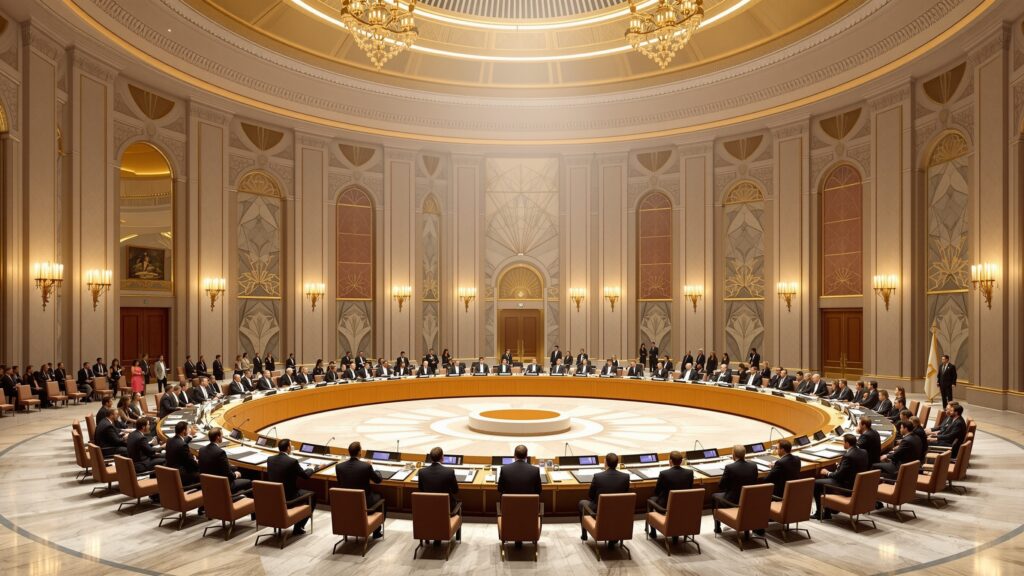
A Brief History of the Conference Table
The idea of people gathering around a table to make decisions is not new. Ancient councils, royal courts, and tribal gatherings all used communal spaces—often centered around large surfaces—for discussion and judgment.
The round table of King Arthur is perhaps the most iconic historical example, symbolizing equality and shared purpose. In medieval Europe, elongated tables were common in guild halls and royal courts, designed to accommodate large councils. These early forms highlight how tables weren’t just functional—they carried deep symbolism about hierarchy, inclusion, and authority.
The modern conference table took shape during the rise of corporate culture in the 19th and 20th centuries, when boardrooms became the nerve centers of growing businesses. As companies expanded globally, their meeting rooms—and the tables within them—grew larger to reflect both practicality and prestige. Today, the giant conference table is a fixture not only in corporate offices but also in government halls, universities, and international organizations.
What Makes a Conference Table “Giant”?
A standard conference table might seat 8 to 12 people. A giant conference table, by contrast, can stretch to seat dozens or even hundreds. Some are more than 60 feet long, designed to fill entire rooms, with carefully engineered shapes to ensure visibility and acoustics for all participants.
These tables aren’t just large—they are designed with intent. Some are elongated ovals or rectangles, emphasizing hierarchy and focus. Others are circular, stressing equality. The size alone amplifies the symbolism, transforming the table into a stage where critical decisions and negotiations take place.
The Engineering of Scale
Building a giant conference table is a challenge that goes far beyond simply enlarging a normal design.
One of the primary considerations is structural integrity. A large tabletop must remain perfectly level and supported across its span. This often requires reinforced frames, sectional construction, and materials designed to resist warping or sagging. Material choice is also crucial. While traditional hardwoods such as oak, walnut, or mahogany are popular for prestige, many giant conference tables incorporate steel supports, modular composite panels, or even glass. Some cutting-edge designs use sustainable materials such as bamboo or engineered wood to balance durability with environmental responsibility.
Technology also plays a vital role. Modern giant conference tables often integrate microphones, power outlets, video conferencing equipment, and lighting systems directly into the design. Ensuring that these features work seamlessly at such a large scale requires both engineering expertise and aesthetic finesse.
Famous Giant Conference Tables Around the World
Several giant conference tables have achieved global fame, becoming symbols of power, diplomacy, or design.
At the United Nations Security Council in New York, the circular conference table emphasizes equality among member states while still carrying the weight of global decision-making. Its scale and symbolism make it one of the most recognized conference tables in the world.
In Russia, the long oval conference table in the Kremlin gained global attention during high-level meetings, often stretching the perceived physical and psychological distance between leaders. Its size was as much about strategy as function.
In corporate settings, giants like Apple, Google, and Amazon have commissioned massive custom-built tables for their headquarters, designed to reflect innovation and inclusivity while still projecting authority. These tables, often made from single slabs of wood or bespoke modular designs, become architectural features in themselves. Even universities and research institutions boast enormous conference tables, designed to host academic councils, international collaborations, or major strategic discussions. Each reflects its own blend of symbolism, functionality, and prestige.
The Psychology of Giant Conference Tables
Why do giant conference tables matter so much? The answer lies in psychology.
First, size projects power and authority. Sitting at a massive table in a grand boardroom immediately conveys seriousness and influence. The table becomes an extension of the institution’s strength and legacy.
Second, giant tables influence group dynamics. Rectangular or oval shapes reinforce hierarchy, placing power at the “head” of the table. Round or square shapes foster equality, encouraging collaboration. The sheer size of the table amplifies these effects, shaping how participants communicate and perceive one another.
Finally, giant conference tables serve as symbols of unity or division. A table that can seat hundreds suggests inclusivity and global collaboration, while one that stretches long and narrow may emphasize distance, both physically and metaphorically.
Giant Conference Tables in Popular Culture
Conference tables have frequently appeared in popular culture, often as symbols of power or tension.
In films, giant boardroom tables are the backdrop for critical negotiations, corporate intrigue, or dramatic confrontations. They represent the stakes of the decisions being made and the gravity of the setting. In television series about politics or business, oversized tables often highlight the seriousness of leadership, reinforcing the idea that what happens at the table shapes the world outside of it.
Even in satire, giant conference tables are used to poke fun at bureaucracy, excess, or the theatrical nature of corporate and political negotiations. Their sheer size becomes part of the storytelling, reminding viewers of the scale of the decisions—and egos—involved.
Functionality Meets Spectacle
While their symbolic role is powerful, giant conference tables are also functional tools.
In multinational corporations, they allow dozens of executives to sit together, fostering collaboration and efficiency. In governments, they accommodate representatives from different regions, ensuring everyone has a place at the table. In universities, they create a shared space for councils to debate and strategize.
The integration of technology is especially important. Giant conference tables often feature microphones, translation systems, embedded screens, and wireless connectivity, turning them into interactive hubs. For hybrid meetings, they may include integrated cameras and speakers designed to make every participant visible and audible. The result is a blend of practicality and spectacle—a table that not only functions as furniture but also as infrastructure for modern communication.
DIY vs. Professional Construction
For smaller offices, creating a “giant” conference table—large enough to seat 20 or so—can be a manageable project for skilled carpenters. These tables are often modular, allowing sections to be joined together or taken apart for transport.
But for truly massive designs—whether seating dozens or stretching across monumental halls—professional expertise is essential. Architects, engineers, and designers work together to create pieces that balance safety, technology, aesthetics, and symbolism. Large-scale projects often require months of planning, specialized materials, and customized solutions. The result is a piece of furniture that is as much an architectural feature as it is a meeting space.
Sustainability and Oversized Furniture
As businesses and governments embrace sustainability, the design of giant conference tables has evolved to reflect environmental values.
Many are now crafted from reclaimed or responsibly sourced wood, reducing ecological impact while maintaining prestige. Others use engineered materials that are lightweight yet strong, designed to minimize waste. Sustainable finishes and coatings are also increasingly popular, ensuring that the grandeur of the table does not come at the planet’s expense. By blending tradition with innovation, designers are creating tables that reflect both corporate responsibility and cultural significance.
The Future of Giant Conference Tables
The future of giant conference tables is shaped by both design innovation and shifting work culture. As hybrid and remote work become more common, giant tables are being reimagined as interactive hubs equipped with advanced technology for video conferencing and collaboration. Some designs even incorporate touchscreens, augmented reality, or smart systems that adapt lighting and acoustics to meeting needs.
Designers are also experimenting with flexibility. Modular tables that can be reconfigured into different shapes and sizes are increasingly popular, allowing companies to adapt spaces for different purposes. And as workplaces emphasize collaboration over hierarchy, the symbolism of giant conference tables may shift. Instead of long, imposing ovals that emphasize power, we may see more circular or innovative designs that foster inclusivity, creativity, and open dialogue.
Why Giant Conference Tables Resonate
At their core, giant conference tables represent something deeply human: the desire to gather, to discuss, and to decide together. Their size amplifies their role, turning them into symbols of power, collaboration, or equality. They remind us that furniture is not just functional—it shapes the way we think, act, and relate to one another. A giant conference table is never just a surface. It is a stage for strategy, a symbol of unity, and a witness to decisions that can shape industries, nations, and even the world.
Final Thoughts
The giant conference table is far more than an oversized piece of furniture. It is a cultural artifact, a design achievement, and a powerful symbol of authority and collaboration. Whether in the halls of global diplomacy, the boardrooms of Fortune 500 companies, or the councils of major universities, these tables command attention and define the spaces around them.
As design and technology evolve, giant conference tables will continue to reflect the values of the organizations that use them—whether projecting power, fostering inclusivity, or bridging physical and digital communication. Ultimately, they remind us of something timeless: that gathering around a table, no matter the size, is one of the most human acts of all. But when the table is giant, the act itself becomes monumental.
Contact us today to learn more about our 3D services and how we can help you achieve your goals.