
Giant Cartoon Characters Statue: Where Nostalgia Meets Monumental Art
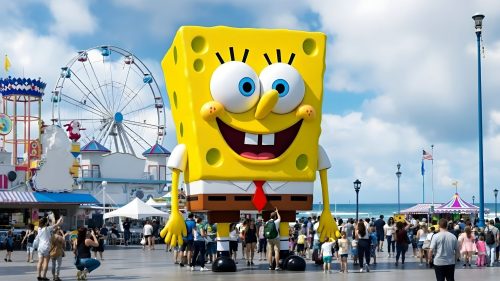
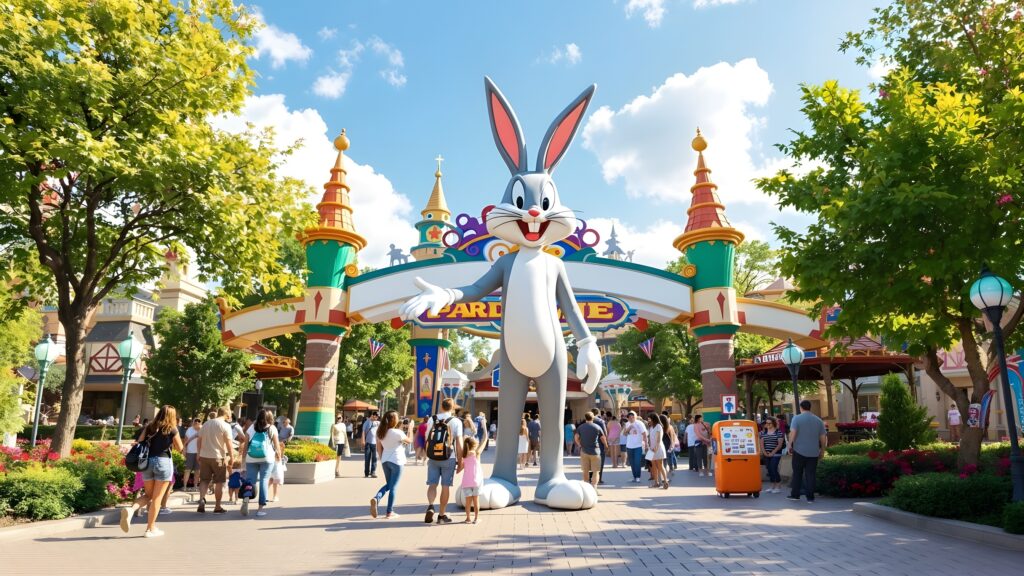
Cartoons have always held a magical place in our hearts. They remind us of Saturday mornings with cereal bowls in hand, of childhood laughter echoing through living rooms, and of larger-than-life personalities who shaped the way we see imagination itself. But what happens when those beloved characters are brought into the real world—not in miniature collectibles, not on screen, but in towering, larger-than-life form? Enter the giant cartoon characters statue, a cultural phenomenon where nostalgia, artistry, and spectacle collide. These statues have become landmarks, marketing marvels, and treasured photo ops for travelers. Whether it’s a towering Bugs Bunny at a theme park entrance or a massive SpongeBob grinning from a boardwalk, these statues embody the joy of cartoons while elevating them to the scale of monumental art. Let’s dive deep into their history, cultural significance, creative fabrication, and the magic they bring to communities around the world.
The Origins of Giant Cartoon Statues
The tradition of turning cartoons into oversized statues can be traced back to the mid-20th century. Roadside attractions in America were already filling highways with fiberglass giants—Paul Bunyan lumberjacks, colossal hot dogs, and massive muffler men. It was only natural that cartoons, which were the pop-culture icons of the era, would get similar treatment. Theme parks were among the first to embrace the idea. Disneyland introduced figures of Mickey, Goofy, and other characters not just in animatronic form but as towering sculptures welcoming guests into whimsical lands. These installations turned beloved animated characters into tangible companions, inviting fans to step into the world of fantasy they had previously only watched from afar.
Why We Love Giant Cartoon Characters
Cartoon statues are more than marketing gimmicks. They touch something deep in us. The exaggerated proportions and vibrant colors of cartoons translate perfectly to monumental scale, creating a sense of joy and wonder that appeals to both kids and adults. Children see their heroes brought to life in a way that feels real and approachable, while adults reconnect with nostalgic memories. Standing beneath a 20-foot Scooby-Doo or a towering Pikachu can transport someone decades back to their childhood living room, sparking warm waves of familiarity. There’s also the element of pure fun. Unlike serious monuments, cartoon statues don’t demand solemn reflection. They encourage selfies, laughter, and playfulness, creating a shared cultural experience for everyone who encounters them.
Global Icons: Famous Examples Around the World
From Japan’s manga-inspired monuments to American roadside attractions, giant cartoon statues have become truly global.
- Japan is perhaps the ultimate hub for cartoon character monuments. The towering Gundam statue in Tokyo, standing over 60 feet tall, isn’t just a statue—it’s a national landmark. Doraemon, Astro Boy, and Pokémon characters also appear in oversized form across public plazas, festivals, and shopping districts.
- The United States boasts giant statues of Looney Tunes characters, Hanna-Barbera icons, and Nickelodeon favorites scattered across amusement parks, malls, and roadside attractions. Universal Studios’ oversized statues of The Simpsons and SpongeBob have become must-photograph landmarks.
- Europe adds its own flavor. In Belgium, where Tintin was born, large statues of the boy reporter and Snowy are proudly displayed. In France, Asterix statues greet visitors to Parc Astérix, blending national comic heritage with amusement park charm.
Each of these examples proves that the larger the character, the larger the emotional impact.
The Marketing Power of Cartoon Giants
Beyond their cultural charm, giant cartoon character statues are incredibly effective marketing tools. Imagine driving along a highway and spotting a 25-foot Tweety Bird perched outside a family entertainment center—you’d remember it. These statues act as beacons, drawing visitors from miles away. They also function as photo magnets in today’s social media era. Tourists can’t resist posting pictures of themselves with oversized characters. Every post becomes free advertising, spreading the brand’s presence far beyond the physical location. For businesses, the return on investment is enormous. A statue that may cost hundreds of thousands to fabricate can attract millions of eyeballs over its lifespan, embedding itself into community memory and travel guides.
The Fabrication Process: How Giant Cartoon Statues Are Made
Transforming a 2D animated character into a towering 3D sculpture requires both artistry and engineering. The process blends digital modeling, sculpting, and industrial construction techniques to achieve both accuracy and durability.
- Concept and 3D Modeling
Artists begin by creating a digital 3D model of the cartoon character, ensuring proportions match the recognizable style of the original. Special attention is given to facial expressions, hand gestures, and iconic details like costumes or accessories. - Structural Engineering
At larger scales, the statue needs an internal skeleton—often steel tubing or rebar—to support its weight and withstand weather conditions. Engineers design frameworks that distribute stress evenly while allowing the character’s whimsical shapes to remain intact. - Foam and Fiberglass Sculpting
High-density foam is CNC-carved into rough shapes, which are then refined by hand to achieve detail. These foam pieces are coated in fiberglass and resin to create a hard, weatherproof shell. Some parts may be molded separately (like hands or heads) and attached later. - Surface Detailing and Paint
Once sealed, artists apply primers and paints, carefully matching the bold colors of cartoons. UV-resistant coatings protect against sun fading, while weatherproofing ensures durability against rain, snow, and wind. - Installation
The statue is transported in sections (sometimes requiring cranes and oversized trucks) and reassembled onsite. Anchoring systems secure it to concrete bases, ensuring it can endure decades of exposure.
This process combines art studio precision with construction-site logistics, resulting in monumental works that are as durable as they are delightful.
Community Landmarks and Roadside Wonders
Many towns and cities proudly adopt giant cartoon statues as unofficial mascots. They become backdrops for parades, seasonal festivals, and family traditions. Local businesses often benefit from increased foot traffic, as tourists stop to take photos and grab a snack nearby. Some statues even gain legendary status, becoming symbols of entire regions. A town with a giant Garfield or SpongeBob might see itself appear in travel magazines, road trip blogs, and family vacation itineraries. Over time, these statues become part of local identity, just as recognizable as historic courthouses or city parks.
The Blend of Realism and Whimsy
One of the fascinating aspects of giant cartoon statues is the spectrum of design approaches. Some artists strive for hyper-realism, sculpting every detail of fur, fabric folds, and textures, bringing the cartoon into a near-lifelike form. Others embrace stylization, preserving the exaggerated features of cartoons in pure, bold shapes that look like they’ve leapt straight from the screen.
This artistic flexibility allows statues to fit various contexts. A realistic Bugs Bunny might impress at a major theme park, while a stylized blocky SpongeBob might work perfectly in a children’s playground. Both approaches remind us that cartoons thrive on adaptability.
Giant Cartoon Statues in Pop Culture
These statues are not just physical landmarks—they often appear in films, commercials, and even viral videos. A giant Homer Simpson doughnut statue has appeared in comedic scenes. Oversized Pokémon statues are staged at major gaming conventions. These appearances reinforce their status as pop-culture icons while extending their life in media beyond their physical footprint.
In some cases, the statues themselves become meme-worthy. Social media thrives on quirky roadside attractions, and giant cartoon statues fit that mold perfectly. From TikTok dances in front of a towering Pikachu to Instagram reels featuring Scooby-Doo, these monuments live double lives—anchored in place yet shared endlessly online.
The Future of Giant Cartoon Characters Statues
As technology advances, so does the potential for these statues. 3D printing on industrial scales allows for more intricate designs. Augmented reality could let visitors point a phone at a statue and see it come to life in animation. Interactive elements—like glowing LED eyes or motion sensors—are already being experimented with in modern theme parks. We’re also seeing a trend toward sustainability. Fabricators are beginning to explore eco-friendly resins, recycled foams, and solar-powered lighting for statues, ensuring these beloved figures remain symbols of joy without harming the environment.
Why They’ll Never Go Out of Style
Cartoons are timeless, and so is the appeal of seeing them brought to life in monumental size. Children will always have their favorite animated heroes, and adults will always treasure the nostalgia of the ones they grew up with. Giant statues are a way of honoring those characters, making them permanent in a world where media changes quickly. No matter how much technology evolves, there will always be something magical about standing next to a giant statue of a character that once lived only on a screen. It’s a reminder that imagination can be built in steel, foam, and fiberglass—and that joy can be as tall as a building.
Conclusion
The giant cartoon characters statue is more than just oversized décor. It is nostalgia, marketing genius, artistry, and community spirit combined into one. From Bugs Bunny to Pikachu, from SpongeBob to Tintin, these statues celebrate the universality of cartoons and their ability to bring people together.
They remind us that the stories we cherished as children still have the power to inspire wonder, laughter, and awe—especially when they tower over us in colorful, monumental form. Whether you stumble upon one on a roadside trip, pose for a picture at a theme park, or marvel at a high-tech reimagining, you’re witnessing the perfect marriage of pop culture and monumental art. And chances are, you’ll leave smiling.
Check out WhiteClouds’ 3D Statues for more information.
Contact us today to learn more about our 3D services and how we can help you achieve your goals.