
Giant Camera Props for Photo Experiences
A giant camera prop can turn photography itself into the setting for a launch, exhibit, retail display, or guest experience. WhiteClouds can start with a specific camera reference, a classic camera silhouette, or an early event concept. The enlarged object may function as a product-inspired sculpture, a visual frame for visitors, or a playful landmark for a photography-centered program.
Plan a Giant Camera Prop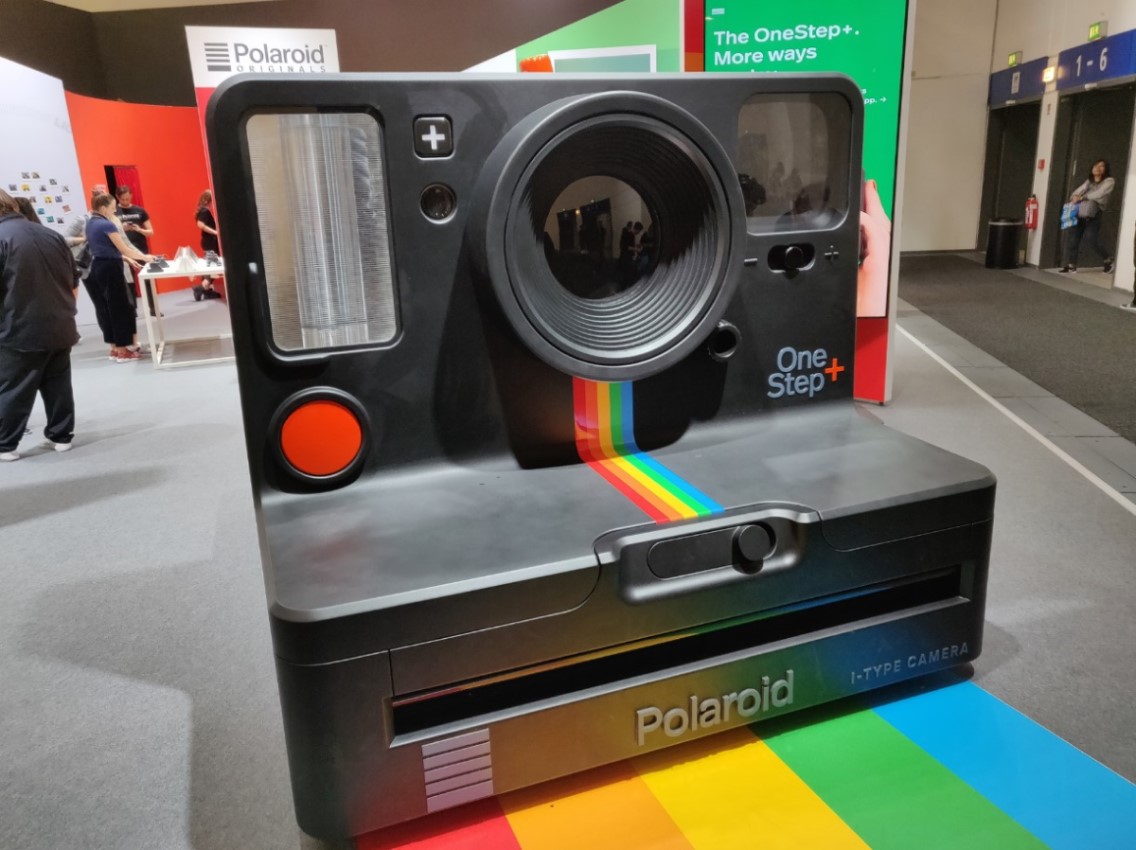
- A boxy instant-camera profile creates a broad face for controls, lens detail, and graphic treatment.
- When quick recognition matters, make the lens the dominant feature.
Turn the camera into the subject
Cameras are designed to look outward, so making one the central object creates an immediate visual reversal. The lens, viewfinder, shutter controls, body shape, and familiar hand-held proportions can be enlarged into a display that celebrates taking pictures while also becoming something visitors want to photograph.
A camera-inspired piece does not have to reproduce a working device. The brief can prioritize the exterior, create an opening where a lens might be, or use the camera body as a scenic structure. Product brands may need closer fidelity, while festivals and museums may prefer a broader visual reference. The intended story and viewing distance help decide how exact the object should become.
Ways to use the camera in the experience
The design can emphasize product identity, photographic interaction, or the camera's cultural symbolism.
Product-inspired replica
Translate the body profile, lens arrangement, controls, color breaks, and brand zones of a camera reference.
Walk-up photo object
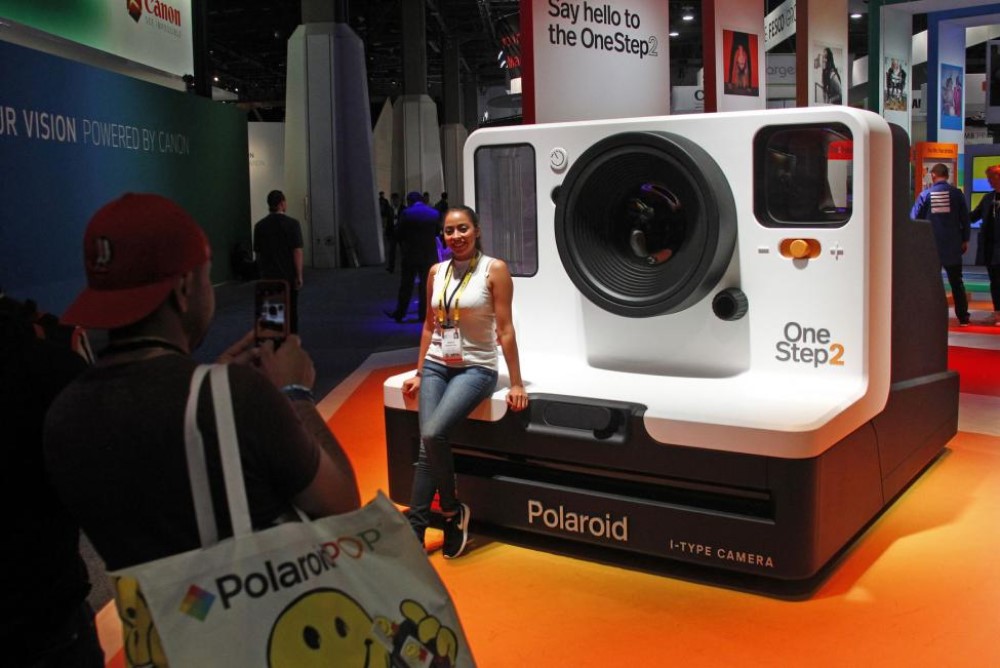
Use the enlarged lens or viewfinder area as part of a composed guest photo without implying a functional camera.
Classic camera landmark
Draw on a recognizable instant, film, or studio-camera silhouette for a festival, museum, or themed setting.
Campaign scene
Combine the camera with dimensional photographs, a backdrop, or concise messaging that fits the event story.
A natural fit for brands and visual culture
The camera can connect a physical display to the images visitors are already creating and sharing.
Product launches
Make a camera model or imaging category visible within a press event, dealer meeting, or exhibit.
Museums and festivals
Use the familiar object to introduce photographic history, technique, visual storytelling, or community work.
Retail and activations
Use the camera as a storefront feature, event landmark, or photo zone within the surrounding campaign.
Balance familiar camera controls with a strong silhouette
The right level of detail depends on whether the piece represents a product, an era, or the broader act of photography.
Body and lens
Set the proportions and decide whether the lens, viewfinder, flash, or grip should dominate the composition.
Era and style
Use modern, instant, film, studio, playful, or abstract cues while keeping the object coherent.
Audience access
Plan openings, platforms, standing zones, and the camera angle when guest photography is part of the idea.
Begin with the camera and the intended photograph
The project can start from a physical product or from the kind of scene guests should create around it.
Provide multiple views when a specific body and lens arrangement should guide the object.
Explain how the prop should appear in event photography and where visitors may stand.
Share floor area, viewing distance, access, and surrounding display elements.
What may shape the quote
Scale, lens and control detail, graphics, openings, support, finish, quantity, and any audience-access features can influence pricing. Product-faithful replicas usually require more reference and review than symbolic camera forms.
Useful context for an early conversation
Can the prop resemble a specific camera model?
Yes. Clear product views and approved artwork can guide the recognizable exterior features and proportions.
Does an oversized lens need to function?
No. A nonfunctional lens can still provide the visual cue. Any requested optical, illuminated, or interactive behavior requires separate technical scoping.
Tell us about the camera experience you want to frame
Share the camera reference, event or exhibit setting, approximate scale, and how visitors should encounter the object. We can help define the next step.