
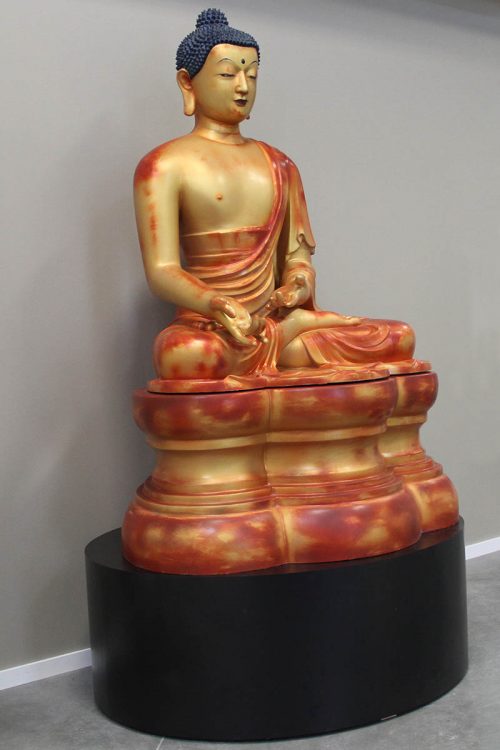
Giant Buddha Statue: A Monument of Peace, Faith, and Awe
There are few sights in the world as captivating as a giant Buddha statue. Rising high above landscapes, perched on mountaintops, or tucked into tranquil valleys, these colossal works of art exude serenity and power. They are not just religious monuments; they are cultural landmarks, architectural marvels, and spiritual beacons that draw millions of visitors each year. A giant Buddha statue is at once a reminder of compassion, a testament to human craftsmanship, and a symbol that transcends borders. From the serene smile of the Leshan Giant Buddha in China to the gleaming golden figures of Thailand and Myanmar, these statues have become icons of peace and devotion. Their sheer scale makes them impossible to ignore, and their presence often turns remote landscapes into global destinations.
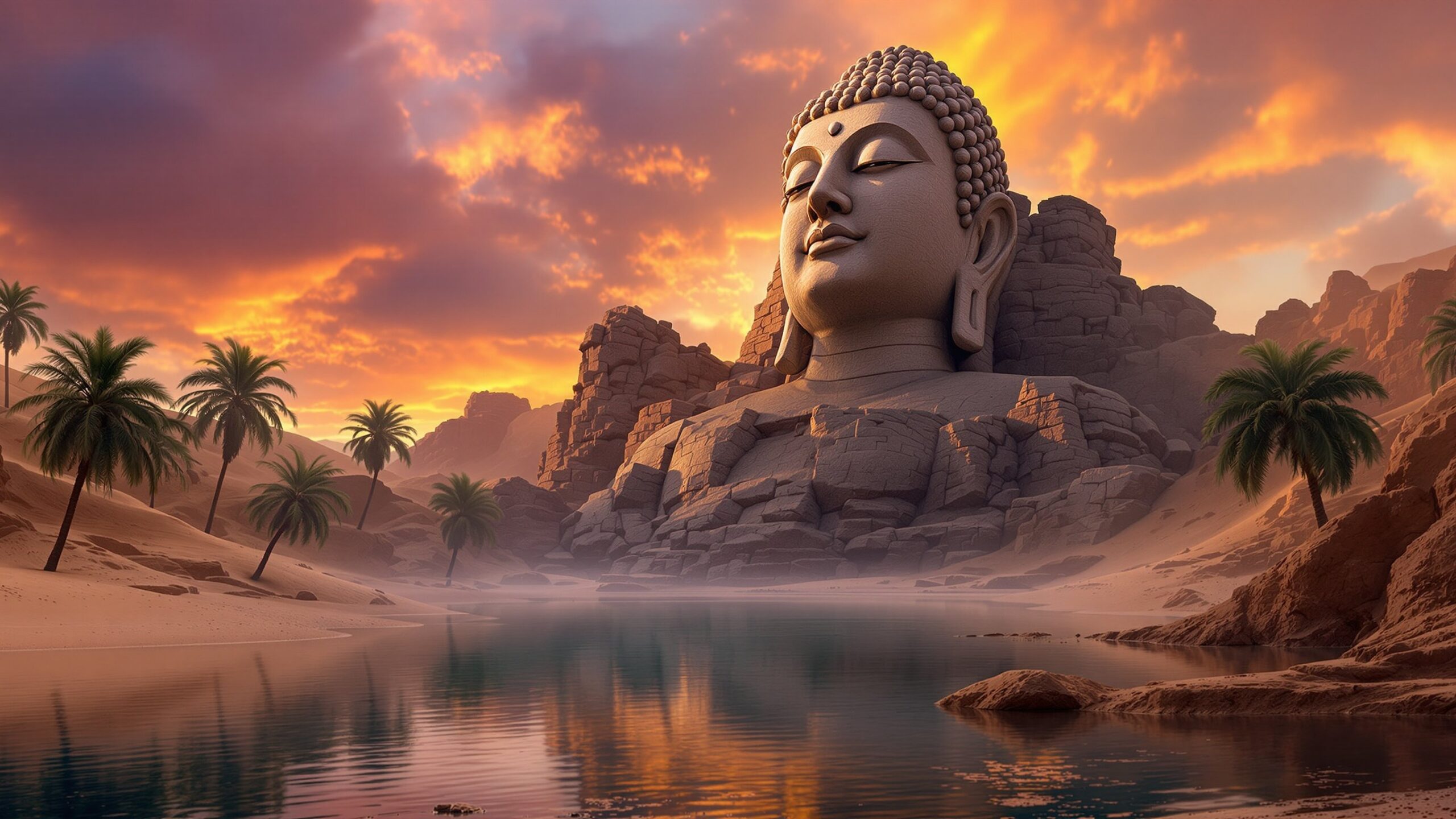
The History Behind Giant Buddha Statues
The tradition of creating monumental Buddha statues stretches back nearly two thousand years. In ancient India, where Buddhism was born, sculptors began carving images of the Buddha into stone cliffs and temples. As the faith spread across Asia, the tradition expanded, with each culture adding its own artistic touch.
China gave us the Leshan Giant Buddha, carved in the 8th century, standing over 230 feet tall. Japan’s Todai-ji in Nara houses a Great Buddha made of bronze, cast in the 8th century as well. In Southeast Asia, gilded and adorned Buddhas tower above cities and countryside alike, reflecting sunlight and symbolizing enlightenment.
These statues were never built for spectacle alone. They were designed to embody the teachings of the Buddha, to inspire reflection, and to connect people to something greater than themselves. Their construction often required centuries of dedication, with emperors, monks, and artisans working together to leave behind a spiritual legacy.
Why Societies Build Giant Buddha Statues
Why do cultures pour immense time, energy, and resources into building such statues? The answer lies in both faith and symbolism. The Buddha represents peace, wisdom, and compassion. Enlarging his image to monumental scale amplifies these qualities for entire communities.
A giant Buddha statue also serves as a beacon of faith, a visible reminder that spirituality can rise above worldly struggles. In some cases, rulers commissioned massive statues to demonstrate their devotion and legitimize their power. In others, entire communities contributed, seeing the statue as a collective act of merit-making.
Today, these statues remain powerful cultural anchors. They attract pilgrims who seek blessings, tourists eager to marvel at their grandeur, and artists who draw inspiration from their harmony of form and spirit.
How a Giant Buddha Statue Is Fabricated
Behind the serene face of every giant Buddha statue lies an incredible feat of engineering and artistry. The fabrication process blends ancient techniques with modern innovation.
The journey often begins with a detailed design—sometimes sketched by monks or architects, other times modeled with advanced 3D software. Artists determine the proportions carefully, ensuring that the Buddha’s face, hands, and posture embody spiritual calm. Even a small miscalculation at monumental scale could disrupt the sense of serenity.
For stone statues, like the Leshan Buddha, the process involves years of carving directly into cliffs or massive stone blocks. Artisans use chisels, hammers, and later modern tools, cutting away material layer by layer to reveal the form within.
Bronze statues, like those in Japan, are cast in sections. Craftsmen create large clay or wax molds, into which molten bronze is poured. Once cooled, these sections are welded together, polished, and gilded.
In modern times, reinforced concrete, steel, and fiberglass have become popular materials for giant Buddhas. Foam models carved by CNC machines can form the basis of molds, allowing precision at immense scale. Polyurea coatings or gold leaf applications add durability and brilliance.
The construction site itself is a logistical marvel. Giant cranes lift pieces into place. Scaffolding towers surround the statue for years, sometimes decades. Artisans, painters, and engineers collaborate to bring the serene figure to life, blending technology with devotion. The result is not just a statue—it is a living monument of artistry, faith, and teamwork.
Iconic Giant Buddha Statues Around the World
Some of the most famous statues have become global landmarks:
-
The Leshan Giant Buddha (China): Carved into a cliff face overlooking the confluence of rivers, this statue is one of the tallest pre-modern stone statues in the world.
-
The Great Buddha of Kamakura (Japan): A 44-foot bronze masterpiece that has stood since the 13th century, open to the sky after its temple was destroyed by a tsunami.
-
The Spring Temple Buddha (China): Once the tallest statue in the world, standing at over 500 feet, clad in golden bronze panels.
-
The Reclining Buddha of Wat Pho (Thailand): A massive 150-foot-long reclining figure symbolizing the Buddha’s passing into nirvana.
-
The Laykyun Sekkya Buddha (Myanmar): Towering at 381 feet, this gilded statue dominates the skyline, with a reclining Buddha at its base.
Each of these statues is unique, yet all share the goal of inspiring reverence and wonder.
The Symbolism of the Buddha’s Pose
Every giant Buddha statue tells a story through posture and gesture. Known as mudras, these hand positions carry deep symbolic meaning. A raised hand may symbolize protection, a seated pose with hands resting in the lap represents meditation, and a reclining Buddha signifies the transition into enlightenment.
These gestures remind viewers that the statue is not simply an oversized work of art—it is a teaching tool, a spiritual message carved into stone or cast in bronze.
Tourism, Pilgrimage, and Economic Impact
The magnetism of a giant Buddha statue extends beyond faith. These monuments often transform towns into thriving centers of tourism and pilgrimage. Hotels, restaurants, and local markets flourish as visitors arrive from across the globe. In some cases, entire regions become known internationally because of a single statue. For pilgrims, visiting a giant Buddha is a profound spiritual journey. For tourists, it is an unforgettable cultural experience. The fusion of faith and economy ensures these statues remain central to both local identity and global interest.
The Symbolism of Scale
Why must a Buddha be giant? Scale itself is symbolic. A towering Buddha dwarfs human size, reminding us of humility and the vastness of enlightenment. At the same time, the serene face—whether 20 feet or 200 feet tall—communicates calm and compassion. The contrast between size and serenity leaves visitors in awe.
The Role of Technology in Modern Builds
Technology has redefined how giant Buddha statues are built in the 21st century. Drones survey landscapes for optimal placement. Computer-aided design ensures perfect proportions. CNC carving machines speed up stone cutting or foam shaping. Advanced materials make statues lighter, stronger, and more weather-resistant.
This blend of tradition and technology allows us to build taller, faster, and more detailed statues than ever before—while still honoring the sacred role these monuments play.
Challenges in Construction and Preservation
Building and preserving giant Buddha statues is no small task. Weathering, erosion, and pollution threaten their beauty over centuries. Preservation teams constantly repair cracks, replace gilding, and clean away environmental damage. For cliff-carved Buddhas like Leshan, river flooding and rain pose constant threats. Modern construction also faces logistical challenges—transporting massive materials, coordinating thousands of workers, and ensuring safety when working at great heights. Yet these challenges only add to the sense of awe when the final statue stands complete.
Controversy and Criticism
Not every giant Buddha statue is universally admired. Critics sometimes argue that enormous sums could be better spent on schools, hospitals, or poverty relief rather than colossal monuments. Others question the environmental impact of construction. Still, defenders point out that these statues inspire faith, create jobs, and drive tourism revenue.
This tension between devotion, culture, and practicality has always accompanied monumental art—and perhaps it is part of what makes these statues so compelling.
The Future of Giant Buddha Statues
As technology advances and global interest in Buddhism continues, new statues will rise. Some will be built in traditional style, clad in gold and placed in sacred landscapes. Others may blend modern design with ancient symbolism, becoming contemporary architectural marvels. Regardless of style, their purpose will remain the same: to inspire peace, compassion, and reflection on the human condition.
Why We Can’t Look Away
At their core, giant Buddha statues capture the human imagination because they represent something bigger than ourselves—both literally and spiritually. They are monuments of hope, artistry, and endurance. Whether carved into cliffs, cast in bronze, or built with modern composites, they stand as serene guardians of wisdom. When you gaze up at a giant Buddha, you feel small—but also connected. You feel humbled—but also uplifted. And perhaps that is the true purpose of these monumental figures: to remind us that peace, compassion, and enlightenment are always within reach, no matter how vast the world may seem.
Check out WhiteClouds’ 3D Statues for more information.
Contact us today to learn more about our 3D services and how we can help you achieve your goals.