

Giant Bicycle Prop: Pedaling Whimsy Into the World of Oversized Art
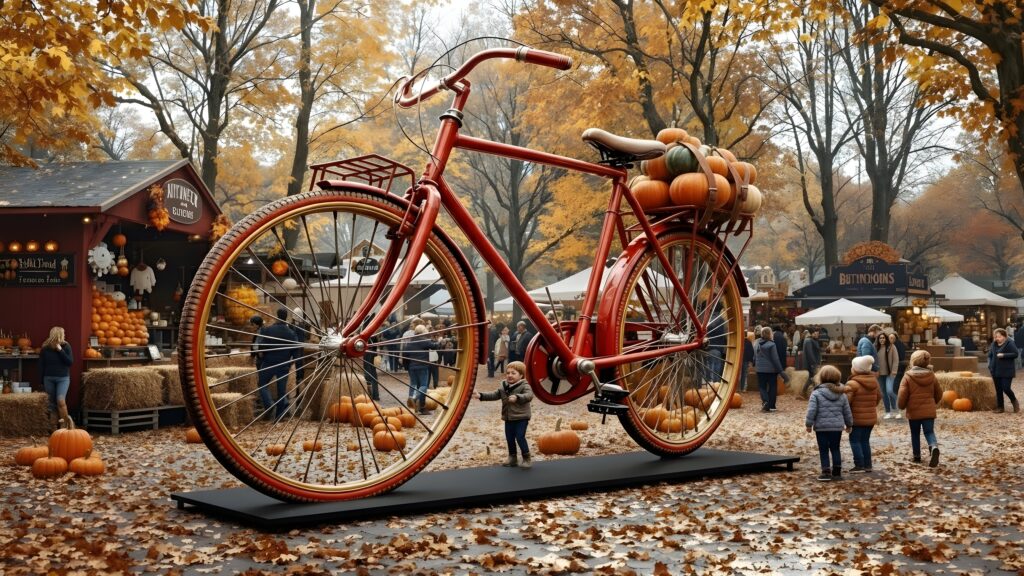
Imagine rounding a corner at a street fair, outdoor festival, or art installation and suddenly spotting a giant bicycle prop. Towering wheels glint in the sunlight, handlebars curl gracefully above the crowd, and its playful size transforms the ordinary act of cycling into something extraordinary. A giant bicycle is more than a prop—it’s an oversized invitation to joy, nostalgia, and curiosity. From roadside Americana to cutting-edge public art, the giant bicycle prop has pedaled its way into culture as a beacon of fun, spectacle, and storytelling. Whether crafted for advertising, events, or simply as a landmark, these props turn heads, spark selfies, and bring the timeless symbol of bicycles to a whole new scale. This article takes you on a ride through the cultural resonance of the bicycle, the places giant bicycle props appear, how they’re designed and fabricated, and why they remain unforgettable icons.
Why the Bicycle Is the Perfect Object to Enlarge
Few inventions carry as much symbolism as the bicycle. It represents freedom, childhood adventure, sustainability, athletic challenge, and simple human-powered joy. Nearly everyone has a bicycle memory: learning to balance with a parent’s hand on the seat, racing friends through neighborhoods, or coasting down a sunlit hill with the wind in your face. As a prop subject, the bicycle has all the right ingredients. Its shape is instantly recognizable—the two wheels, the frame, the handlebars—and scaling it up only exaggerates its visual appeal. Unlike more static props, bicycles suggest motion. Even standing still, a giant bicycle feels alive, as though it could roll forward at any moment. Enlarging a bicycle also adds humor without undermining its dignity. A giant slice of pizza is whimsical; a giant bicycle is whimsical and noble, reminding us of independence, exploration, and play.
A Brief History of Oversized Props in Americana
Oversized props became a roadside tradition in America during the golden age of highways and car travel. By the 1940s and 50s, diners and motels used giant versions of everyday items—coffee cups, hamburgers, donuts—to lure motorists. These props didn’t just advertise; they became landmarks and part of the adventure of travel.
Bicycles joined the oversized parade somewhat later, often tied to sporting events, tourism campaigns, or parades. In Europe, massive bicycle sculptures sometimes celebrate Tour de France stages, while in the U.S., they appear at fairs, cycling events, and museums. Today, giant bicycle props are as much about art as advertising, installed in public spaces to inspire and amuse.
Where You’ll See Giant Bicycle Props Today
Walk through a modern city or countryside festival, and chances are you’ll spot a giant bicycle prop in one of these contexts:
Cycling Races and Sports Events
At international races like the Tour de France, organizers often place oversized bicycle sculptures on hillsides, rooftops, or town squares to celebrate the sport. Local races and charity rides use similar props to pump up community spirit.
Festivals and Fairs
Whether at a county fair or a citywide summer festival, giant bicycles act as selfie magnets. They symbolize play, activity, and energy.
Museums and Cultural Centers
Bicycle museums or transport heritage centers often feature giant bicycles at their entrances as playful nods to their subject matter.
Parks and Public Art Installations
Cities commission giant bicycles as whimsical public art pieces. They double as sculptures and symbols of sustainable transport.
Marketing Campaigns
Outdoor gear companies, cycling brands, or even unrelated businesses sometimes use giant bicycle props to create memorable campaigns. Nothing grabs attention like an object everyone knows, suddenly made enormous.
The Emotional Appeal of the Giant Bicycle
Why do people stop and smile when they encounter a giant bicycle? Part of it is surprise: seeing something familiar in an unfamiliar scale delights the brain. Another part is nostalgia. Bicycles tie us to childhood freedom. Enlarging them exaggerates that feeling, as though we’re children again standing beside an impossibly large “grown-up” bike. The bicycle also carries cultural weight as a symbol of eco-friendliness and simplicity. A giant bicycle prop doesn’t just amuse; it can inspire conversations about green transport, urban design, and health. In other contexts, it might simply remind people of the fun of pedaling fast down a hill. Either way, the emotional pull is strong.
Design Choices: From Realistic to Playful
When it comes to giant bicycle props, designers choose between realistic renderings and playful exaggerations.
A realistic giant bicycle looks as though someone simply enlarged a normal bike. Welded steel frames, chainrings, pedals, and handlebars are carefully replicated, right down to bolts and spokes. These pieces often serve as tributes to cycling and appeal to sports fans and museums.
Playful designs lean into bright colors, simplified shapes, or cartoonish proportions. Wheels may be thicker, pedals exaggerated, or handlebars looped whimsically. These are often found in festivals or children’s events, where the aim is to create smiles and photo opportunities.
Both approaches work beautifully—the choice depends on whether the prop should feel serious or silly.
How a Giant Bicycle Prop Is Fabricated
Behind every whimsical giant bike is a serious fabrication process. Here’s how fabricators turn sketches into monumental two-wheelers:
Step 1: Concept and Modeling
Designers begin with sketches and digital 3D models. They decide scale, style, and materials based on where the bicycle will stand. A prop meant for an outdoor plaza requires sturdier materials than one for a temporary trade show.
Step 2: Frame Construction
The frame of a giant bicycle is usually built from steel tubing. This ensures stability and allows the piece to support its own weight. The tubing is bent and welded into the familiar triangular frame shape, oversized but proportionate.
Step 3: Wheels and Spokes
The wheels present a dramatic challenge. Large circular rims are often fabricated from metal rings, reinforced to prevent warping. Spokes can be steel rods or aluminum tubing, arranged for both aesthetics and structural integrity. Some fabricators exaggerate spoke thickness to keep the wheel sturdy.
Step 4: Components and Details
Pedals, cranks, handlebars, and seats are sculpted either from metal, fiberglass, or foam coated with polyurea. Depending on the design, they may be hyper-realistic (with chains and gears) or simplified for visual effect.
Step 5: Coating and Painting
Outdoor bicycles are painted with automotive-grade coatings to resist rust and weathering. Indoor props might receive lighter paint finishes or artistic detailing. Colors often mimic classic bicycle hues—red, blue, green—or bold carnival tones.
Step 6: Installation and Anchoring
Because of their height and weight, giant bicycles are anchored with steel plates, concrete bases, or buried mounts. Safety is crucial, as crowds often touch, lean, or pose with the statues.
The result is a structure that appears whimsical yet is engineered for safety and durability.
Giant Bicycles in Pop Culture
The bicycle has always been a cultural touchstone, and oversized versions have rolled into pop culture many times. In Europe, giant bicycles painted on hillsides mark stages of the Tour de France. In the U.S., parades sometimes feature rolling props shaped like bikes, complete with riders in costume. In advertising, bicycles symbolize health, youth, and environmental responsibility—making a giant one the perfect visual shorthand. In art, monumental bicycles can feel surrealist, transforming a familiar object into something dreamlike.
Why Businesses and Cities Love Them
A giant bicycle prop isn’t just art—it’s a marketing powerhouse. Cities use them to brand themselves as bike-friendly, reinforcing green initiatives. Businesses use them as billboards people actually want to photograph. Event organizers use them as meet-up points, landmarks, and conversation starters. In the age of Instagram, a giant bicycle delivers free publicity. Visitors pose by the oversized wheels, climb onto small steps to “pretend ride,” and share the images online. Each post spreads the prop’s fame further.
The Practical Challenges
Scaling up a bicycle brings specific challenges. Wheels must be engineered to stay perfectly round under their own weight. Brims or broad features (like handlebars) must resist bending. Transport is tricky—wheels taller than a person don’t fit easily into standard trucks, so props are often built in modular sections.
Outdoor bicycles need weather-resistant finishes and coatings. Anchoring them safely requires engineering calculations, especially in windy areas. Indoor bicycles need lightweight construction so floors aren’t overloaded. Despite the complexity, fabricators relish the challenge. Giant bicycles are a mix of art, sport, and playful design all in one project.
The Future of Giant Bicycle Props
Looking forward, giant bicycles are set to become even more creative. Imagine props with interactive features: wheels that light up with LED spokes at night, or augmented reality experiences that let you “ride” them in a virtual overlay. 3D printing may soon allow finer details—chains, gears, and textures—to be replicated with precision. We may also see giant bicycles used more in sustainability campaigns, anchoring conversations about reducing car use and promoting cycling. Imagine a city square with a massive green-painted bicycle prop, symbolizing its bike-friendly identity.
Why We’ll Always Smile at a Giant Bicycle
At the end of the day, the giant bicycle prop’s appeal is simple: it magnifies something already beloved. Bicycles are about freedom, fun, and human-powered journeys. Make one larger than life, and you amplify those values.
When people encounter a giant bicycle, they stop, laugh, and take photos. Children gape, adults reminisce, and cyclists nod with appreciation. It’s a reminder that joy doesn’t need to be complicated—it just needs a little creative exaggeration. That’s the beauty of the giant bicycle prop: it pedals straight into our imaginations, no helmet required.
Check out WhiteClouds’ 3D Props for more information.
Contact us today to learn more about our 3D services and how we can help you achieve your goals.