
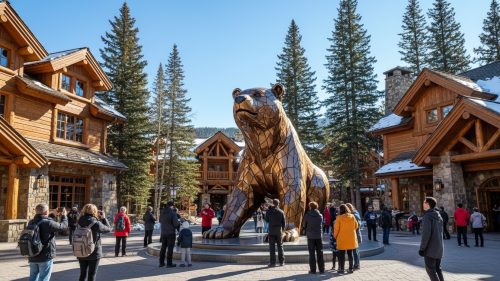
The Giant Bear Statue: A Monument of Power, Wilderness, and Wonder
Across cultures, the bear has always stood as a symbol of strength, mystery, and survival. From mythic spirit animals to beloved mascots, bears capture both reverence and affection. But while most people only encounter bears in forests, mountains, or zoos, there are some places where you can meet one in a totally unexpected form: the giant bear statue. These massive sculptures don’t just celebrate wildlife—they transform the bear into an icon of place and pride. A giant bear statue may loom at the entrance to a national park, greet travelers on the roadside, or stand proudly in a town square. Wherever it appears, it demands attention. It’s art, attraction, and cultural marker all rolled into one. This article explores the world of giant bear statues—why they resonate, where you can find them, the meanings they hold, and even how such towering sculptures can be fabricated in the modern age.
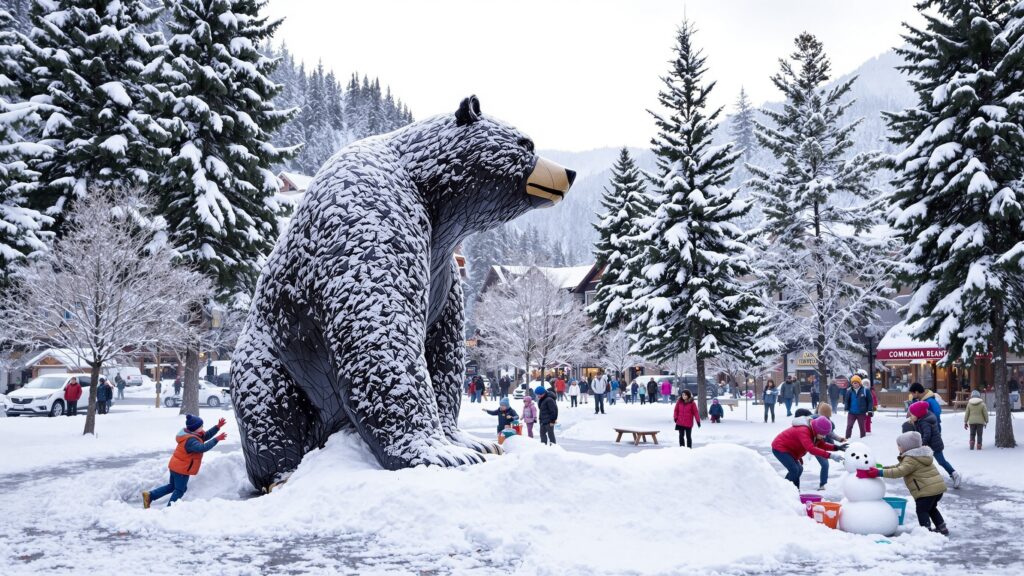
Why the Bear? Symbolism of a Mighty Creature
Before diving into the statues themselves, it’s worth asking: why the bear?
The answer lies in the long history of human-bear relationships. Across Native American, Siberian, and Nordic traditions, the bear is a sacred figure. It embodies courage, leadership, healing, and endurance. In many Indigenous North American cultures, the bear represents a spiritual guide. In Norse mythology, warriors called berserkers invoked the bear’s ferocity in battle. Even in contemporary culture, bears are deeply embedded. Think of Smokey Bear, cautioning us about wildfires. Or the bear as a beloved stuffed animal, the teddy bear, comforting children worldwide. Bears straddle the line between ferocious wilderness guardians and approachable symbols of care. When turned into monumental statues, these qualities scale up. A giant bear statue can exude awe and power, or invite warmth and family-friendly charm—depending on how the artist chooses to interpret it.
Roadside Americana and the Rise of Giant Animals
The tradition of building giant animal statues has deep roots in North America. During the golden age of automobile culture in the mid-20th century, businesses and towns erected enormous creatures to attract road-trippers. From giant cows and moose to oversized chickens and dinosaurs, these statues doubled as advertising and local landmarks.
Bears naturally joined this tradition. For communities near mountain ranges or national parks, a giant bear statue makes perfect sense. It announces: this is bear country. For tourist destinations, it’s an irresistible photo-op, ensuring visitors stop, take a picture, and hopefully spend time (and money) nearby. Like other roadside icons, bear statues often carry a touch of whimsy. They’re designed to be larger-than-life, playful, and unforgettable.
Famous Giant Bear Statues Around the World
Yellowstone Country and the American West
The American West, with its abundant wildlife and national parks, is home to several giant bear statues. Towns near Yellowstone, Glacier, and Yosemite often feature towering bear figures, posed in either roaring ferocity or friendly welcome. Some are realistic, painted in shades of brown or black, while others are stylized with cartoon features.
Canadian Bear Monuments
In Canada, where the bear is central to wilderness identity, giant bear statues are common in mountain towns. Banff, Jasper, and Whistler boast sculptures of bears that both honor local wildlife and delight tourists. Canada’s bear statues often lean toward the realistic, reflecting the nation’s commitment to wilderness preservation.
Urban Surprises
Not all bear statues live in forests or mountains. Some cities have adopted giant bear sculptures as part of their urban art programs. Berlin, for example, is famous for its bear mascot, and giant bear statues dot the city as symbols of pride and identity. Public art projects sometimes commission abstract or brightly painted bear statues, turning the wild creature into an accessible urban icon.
Theme Parks and Zoos
Many zoos, amusement parks, and themed attractions feature giant bear statues as entry markers or decorative centerpieces. These statues are often whimsical, designed to be family-friendly, and serve as orientation points within sprawling parks.
The Appeal of the Giant Bear Statue
What makes these statues so captivating? Several factors converge:
Spectacle and Scale: A bear is already a large, powerful creature. Enlarge it into a statue, and it becomes monumental—an unforgettable visual anchor.
Cultural Recognition: Everyone knows what a bear looks like. Unlike obscure symbols, the bear is universally recognizable, making its giant statue instantly approachable.
Photo and Memory Value: In today’s social media world, giant bear statues are natural selfie magnets. They become symbols of travel memories, attached forever to photos shared online.
Tourism Branding: For towns and attractions, the bear is shorthand for wilderness, adventure, and authenticity. A giant statue reinforces the brand identity of the place.
Artistic Interpretations: From Ferocious to Friendly
One of the most interesting aspects of giant bear statues is how differently artists interpret them.
Some are designed to highlight the bear’s raw power. These statues may depict a roaring grizzly on its hind legs, claws extended, mouth open wide. They evoke awe—and perhaps a touch of fear. Perfect for emphasizing the wild, untamed nature of the region.
Others lean into cuteness. These bears might wave, smile, or wear clothing. In some cases, they even hold props like honey pots or welcome signs. These are especially popular in family-oriented attractions, making the bear less intimidating and more approachable.
Then there are abstract bears—statues that reduce the animal to sleek, geometric forms or colorful patterns. These modernist takes appeal to art lovers and fit seamlessly into contemporary public spaces.
Each interpretation tells a different story, but all share the same core idea: the bear as a powerful, defining presence.
How a Giant Bear Statue Might Be Fabricated
Bringing a bear of monumental size to life is no small feat. Fabricating a giant bear statue requires a careful blend of artistry, engineering, and durable materials.
Concept and Design
The process begins with research and sketches. Artists study bear anatomy, movement, and posture, deciding whether the statue will be realistic, cartoonish, or abstract. Digital 3D modeling software is often used to refine proportions and test how the statue will look from all angles. A scale model or maquette may then be created, serving as a physical reference point before full-size production.
Structural Framework
At the heart of a giant bear statue is a strong skeleton. Steel frameworks form the internal support, designed to withstand weight, wind, snow, and time. Engineers calculate load distribution, anchoring points, and safety considerations, especially for statues placed outdoors.
Exterior Shell
Fiberglass is one of the most popular materials for creating giant statues. It’s lightweight, durable, and moldable, making it ideal for replicating the bear’s curves and textures. For more permanent installations, reinforced concrete or bronze may be used. Each material has trade-offs. Fiberglass is easier to transport and paint, while bronze offers timeless durability but requires significant cost and expertise.
Surface Detailing
This is where artistry shines. Sculptors carve or mold fur textures, facial expressions, and body details. Painters apply realistic shades of brown, black, or white (for polar bears), often layering to create depth and lifelike sheen. Gloss coatings protect against UV damage and weather.
Assembly and Installation
Large bear statues are typically built in sections—torso, legs, head—then transported and assembled onsite with cranes. Once anchored to a reinforced base, seams are hidden, and final detailing is applied. The installation is carefully planned, often in highly visible spots such as town entrances, plazas, or park gateways. Landscaping, lighting, and signage complete the presentation.
Bears as Guardians of Place
Beyond aesthetics, giant bear statues often carry symbolic roles as guardians. Placed at town entrances, they serve as protective spirits welcoming travelers. At parks, they embody the wilderness waiting within. This guardian role has deep cultural roots. Many Indigenous traditions view the bear as a protector or spiritual elder. By erecting a giant statue, communities connect modern tourism with timeless symbolism.
Tourism and Economic Impact
Giant bear statues are not just art—they’re economic engines. Travelers planning road trips often seek out quirky roadside attractions. A giant bear becomes the centerpiece of itineraries, drawing visitors who might otherwise pass through. Restaurants, gift shops, and hotels benefit from the traffic. Some communities even create merchandise around their statue—mini replicas, T-shirts, and mugs—further boosting revenue. In this way, a giant bear statue isn’t just a one-time project. It’s an investment in long-term tourism branding.
Maintenance and Preservation
Like all outdoor monuments, giant bear statues require care. Sunlight can fade paint, rain can cause wear, and snow can strain joints. Regular cleaning, repainting, and occasional repairs are essential to preserve their appeal. Communities often take pride in maintaining their bear statues, treating them as beloved landmarks. Fundraisers, volunteer efforts, and even local festivals help ensure these statues remain vibrant for generations.
The Bear in Popular Culture
Bear statues don’t exist in isolation. They tap into a broader cultural fascination with bears in media, sports, and branding. Think of sports teams like the Chicago Bears, or movies from Brother Bear to The Revenant. The bear’s enduring popularity ensures that its giant statues are instantly relatable, regardless of cultural background.
Tourists often connect these statues to personal experiences—seeing a bear in the wild, childhood teddy bears, or animated bear characters. The emotional connections deepen the statue’s resonance.
The Future of Giant Bear Statues
As public art evolves, the giant bear statue continues to adapt. Future installations may incorporate interactive technology—LED lighting, augmented reality apps, or soundscapes of bear calls.
Sustainable materials and eco-friendly construction are also gaining traction. Imagine a giant bear statue built with recycled metals, solar lighting, or locally sourced stone, aligning the monument with environmental values. As tourism shifts toward experience-driven travel, the giant bear statue is poised to remain a fixture of cultural imagination—offering not just a photo, but a story, a memory, and a connection.
Conclusion: When Art Meets Wilderness
The giant bear statue is more than just an oversized animal figure. It is a cultural beacon, a tourist magnet, and a work of art that bridges wilderness with community identity. Whether ferocious or friendly, realistic or whimsical, these statues celebrate the majesty of the bear while rooting towns and parks with unforgettable landmarks. Next time you pass by one, stop and take it in. Look beyond the humor or spectacle, and you’ll see something deeper: a community’s pride, an artist’s vision, and humanity’s enduring respect for one of nature’s most powerful creatures.
Check out WhiteClouds’ 3D Statues for more information.
Contact us today to learn more about our 3D services and how we can help you achieve your goals.