Giant Animal Statues for Zoos and Parks
We Build Custom 3D Statues
Where Art, Imagination, and Wildlife Come to Life
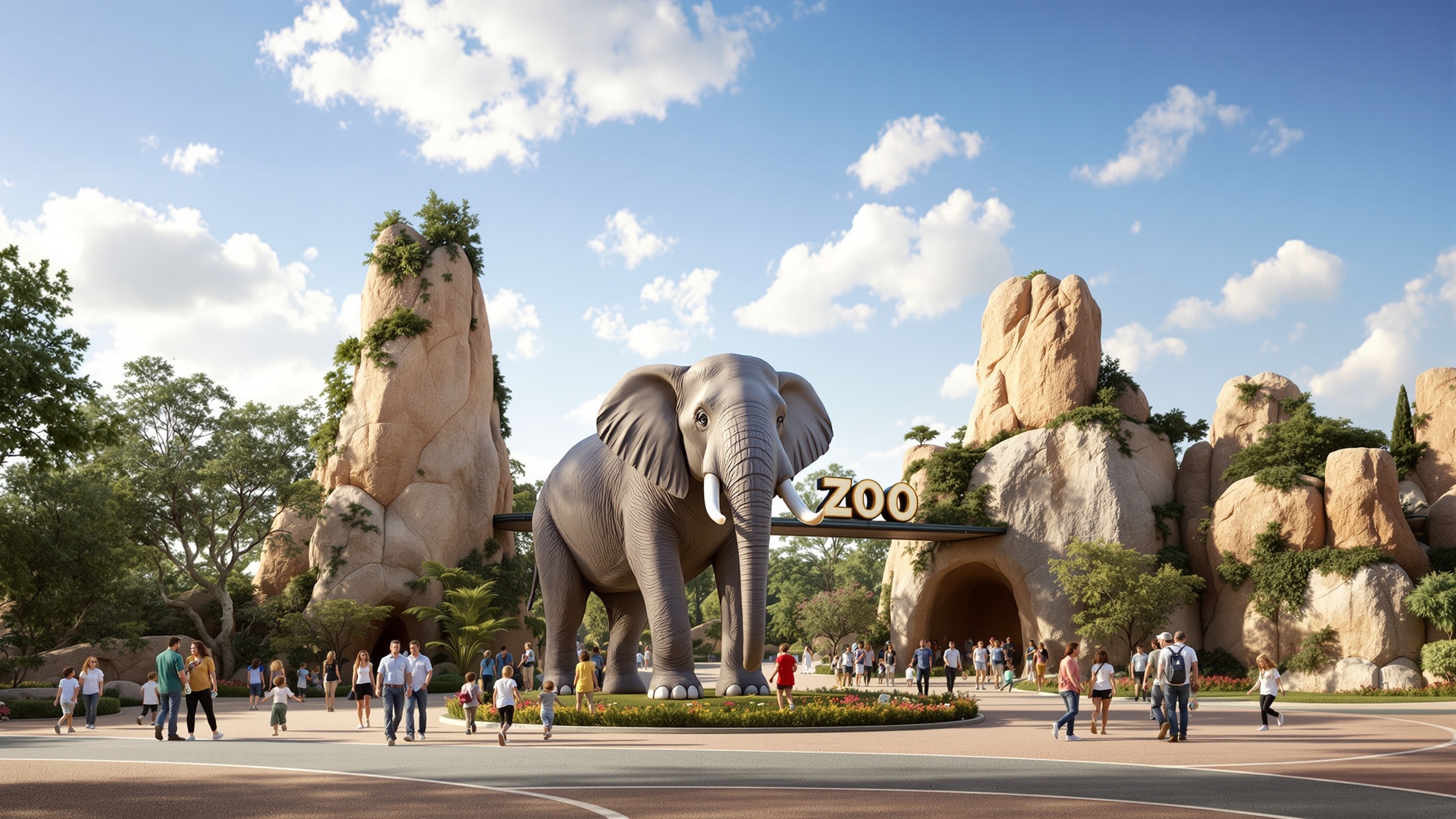
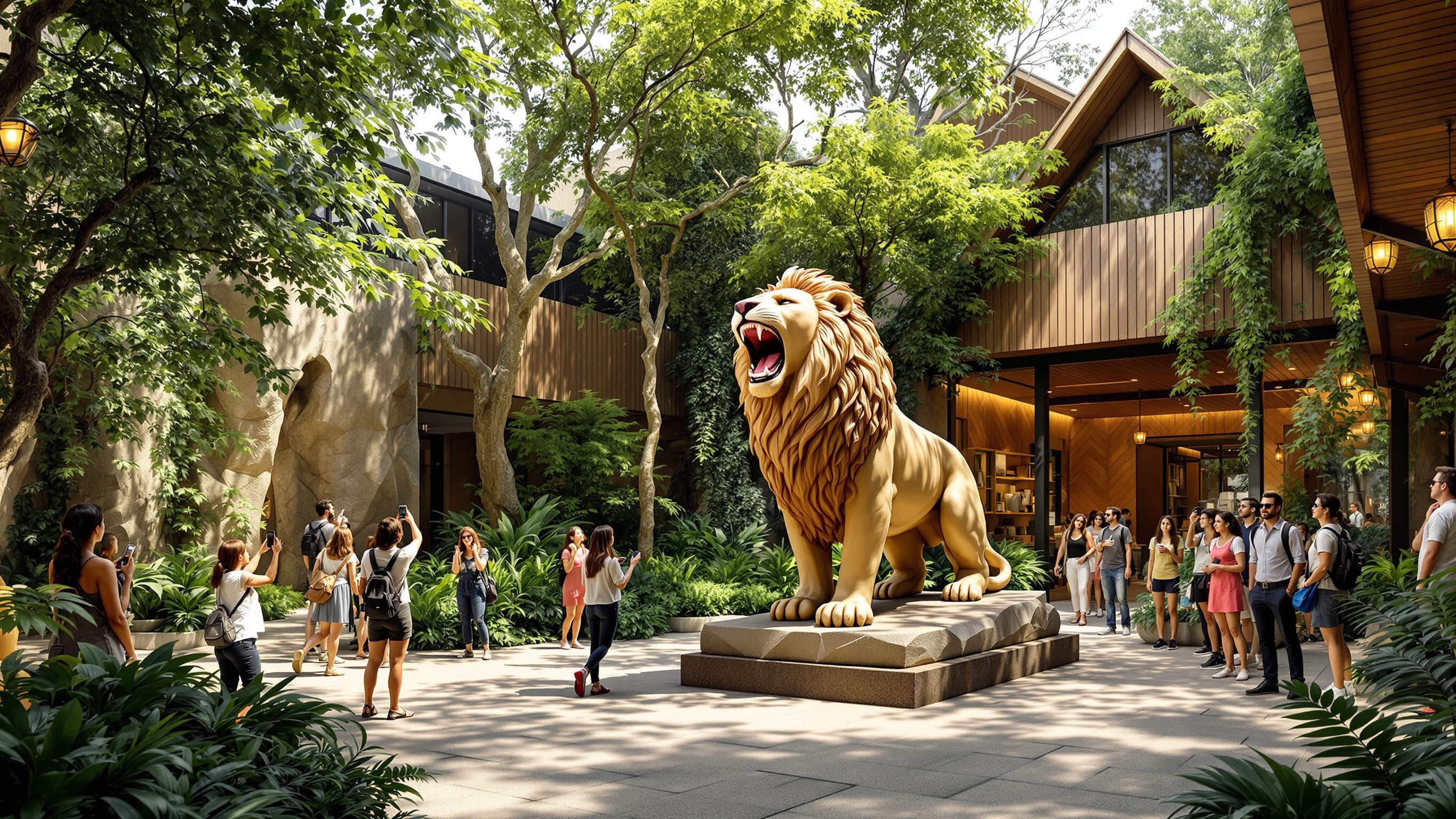
Few things capture a child’s imagination—or a traveler’s camera—quite like a towering elephant, a majestic lion mid-roar, or a giraffe peering over the treetops. Giant animal statues have become signature attractions in zoos and parks across the world, transforming everyday spaces into immersive experiences that blend education, fantasy, and artistry. These colossal creations don’t just decorate—they tell stories, guide visitors, and connect people emotionally to the natural world. From whimsical playground guardians to life-size replicas of extinct beasts, these sculptures are redefining how we experience wildlife in public spaces. Let’s step into the creative and technical world of giant animal statues—their design, their magic, and the meticulous craftsmanship behind them.

The Rise of the Giants: Why Zoos and Parks Embrace Oversized Wildlife
Modern zoos and parks have evolved from simple enclosures into dynamic storytelling environments. Visitors crave more than a glance at real animals; they want an experience—an adventure that begins the moment they step through the gates. Giant statues create that sense of wonder instantly. A 20-foot panda at an entrance becomes an irresistible photo spot, instantly social-media-worthy. A herd of steel antelope leaping across a garden tells a silent story of motion and grace. A whale emerging from a courtyard fountain blurs the line between sculpture and spectacle. These installations anchor memories, build brand identity, and create year-round visual interest that draws new visitors. In an era when attention spans are measured in seconds, monumental design is a zoo or park’s visual roar—a statement that says, “This is no ordinary day out.”
Beyond Decoration: The Purpose Behind the Animals
Giant animal sculptures serve multiple roles that go far beyond aesthetics. They educate, guide, inspire, and even protect.
Educational Significance:
A giant frog at an amphibian exhibit isn’t just cute; it sparks curiosity. Children can climb on it, touch it, and learn about species conservation in a tactile, visual way. Statues become conversation starters for zookeepers and educators to share facts about habitats, diets, and survival challenges.
Wayfinding and Thematic Unity:
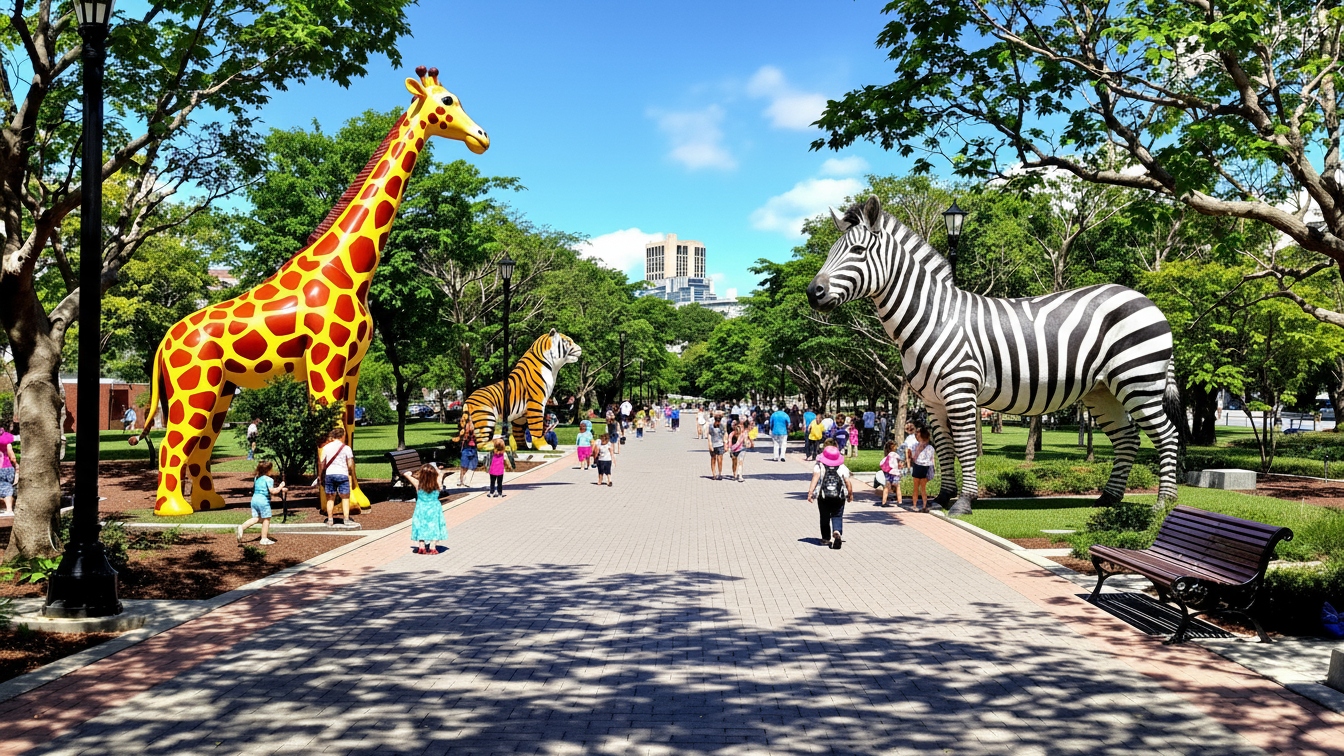
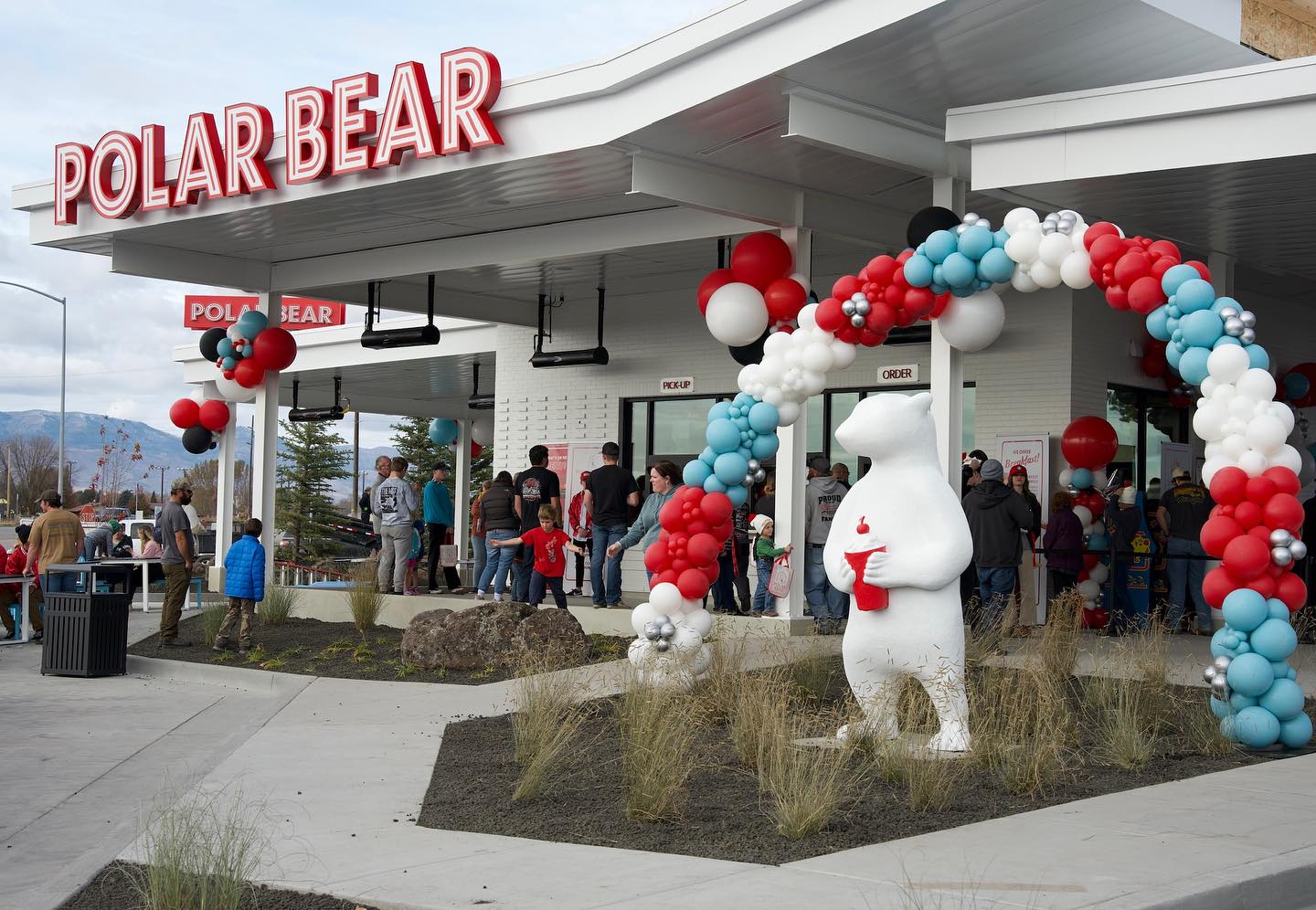
Large animal figures are perfect visual anchors for organizing zones. A towering giraffe signals the African Savannah exhibit; a stylized polar bear marks the Arctic section. Visitors instinctively know where they are, guided by scale and species.
Emotional and Artistic Connection:
Humans connect emotionally to animals—and by enlarging them to monumental scale, we amplify that empathy. A gentle elephant sculpture can embody family bonds, while a ferocious tiger captures strength and vitality. These emotions help visitors connect not only to art but to wildlife preservation messages.
Safety and Durability:
Unlike live animals, these giants endure crowds, weather, and decades of admiration. Some are even designed to double as play structures—safe, rounded, climbable, and robust enough for kids’ endless energy.
From Concept to Creature: The Design Process
Every giant animal statue starts with an idea—often a mix of artistic vision and environmental storytelling. Designers, sculptors, and engineers collaborate to bring each creature to life.
- Concept Art and Inspiration
The journey begins with sketches, digital renders, or even 3D scans of real animals. Teams decide whether the statue should look ultra-realistic, stylized, or cartoonish based on the park’s branding and audience. A children’s zoo might prefer oversized, playful proportions, while a safari-themed park may demand lifelike accuracy. - Scale and Site Integration
The scale must harmonize with its surroundings. A ten-foot tiger might feel imposing near a café, but tiny next to a 40-foot treehouse. Designers use virtual models and augmented-reality previews to ensure proportions feel natural from every angle. - Material Selection and Structure
Weather, safety, and lifespan determine the materials—fiberglass for lightweight detail, EPS or XPS foam for form, steel armatures for strength, and polyurea coatings for durability. Some sculptures even integrate lighting or sound effects to mimic animal calls or glowing eyes at night. - Artistry and Surface Detailing
This is where the sculpture gains soul. Skilled artists carve muscle tone, feather texture, or fur ripples, then apply layers of scenic paint and protective clear coats. Realism emerges from gradients, gloss, and the illusion of depth.
The Fabrication: How Giant Animal Statues Are Made
The creation of a massive animal statue is a fascinating blend of modern fabrication technology and traditional artistry. Here’s how these giants come to life from concept to installation.
Digital Modeling and Scaling
Designers begin with 3D modeling software to perfect anatomy, posture, and balance. Digital scaling ensures the animal’s proportions look natural even when enlarged ten times. Engineers use these models to plan internal supports and weight distribution.
Foam Carving and Core Shaping
Expanded polystyrene (EPS) or extruded polystyrene (XPS) foam blocks form the base structure. Using CNC hot-wire cutting machines or robotic mills, fabricators carve the foam into rough shape. Sculptors then refine details by hand, sanding and texturing the surface to perfection.
Internal Framework and Stability
A welded steel armature or aluminum skeleton provides strength. This ensures the statue can resist wind loads, crowds, and occasional bumps from curious visitors. The framework also serves as a mount for anchoring bolts when installing outdoors.
Hard Coating and Sealing
The foam form is coated with a layer of polyurea, fiberglass, or epoxy resin. This hard shell protects the sculpture from impact, moisture, and UV rays. For outdoor environments like zoos and theme parks, a UV-resistant, weatherproof finish is essential for longevity.
Painting and Finishing Touches
After priming, scenic painters airbrush and hand-paint realistic patterns—tiger stripes, elephant wrinkles, or iridescent bird feathers. Several layers of clear protective coating lock in color and resist fading from sunlight and rain.
Installation and Anchoring
The completed statue is delivered in sections if oversized. Crews use cranes or forklifts to position it, then anchor it to concrete pads or embedded steel plates. Hidden joints are sealed and touched up with color to create a seamless final piece.
The Material Menagerie: What They’re Made Of
Each environment demands a specific balance of strength, realism, and maintenance simplicity. Here’s how materials bring the giants to life:
- EPS Foam – Lightweight, sculptable, and ideal for large organic shapes. Coated with protective materials for durability.
- Fiberglass – Perfect for intricate textures, smooth finishes, and weatherproof resilience.
- Steel Frameworks – Provide internal skeletons, load-bearing strength, and mounting points.
- Polyurea Coatings – Offer impact resistance, waterproofing, and UV protection—ideal for outdoor use.
- Scenic Paints and Clear Coats – Add realism and vibrant color that lasts through seasons.
Modern technology even allows hybrid materials, like foam cores wrapped in fiberglass or composite resins, to balance weight and strength efficiently.

The Art of Realism: Capturing Movement and Emotion
A truly memorable giant animal statue doesn’t just look like its subject—it feels alive. Achieving that illusion takes exceptional artistry.
Artists study muscle structure, natural poses, and facial expression to infuse personality into static forms. The subtle tension in a crouching tiger’s limbs, the curiosity in a chimp’s gaze, or the sway of a giraffe’s neck all require anatomical knowledge and visual storytelling finesse.
Texture also plays a role. Matte finishes convey fur softness, while glossy surfaces make reptiles and amphibians gleam under the sun. Many installations even include dynamic features—like integrated LED lighting in fish eyes or fog machines near marine creatures—to amplify the illusion of life.
Bringing Character to the Landscape
Strategic placement transforms these sculptures from isolated art pieces into cohesive experiences. A pair of giant flamingos can mark the start of a wetlands path. A towering gorilla can peek from behind jungle foliage, creating surprise and delight. Designers use scale contrast—placing small human figures beside monumental beasts—to amplify the magic. Some zoos take this further by integrating interactive storytelling zones: children can crawl inside a giant turtle shell, pose in a kangaroo’s pouch, or sit under a whale’s arching fin. These tactile encounters bridge the gap between education and play, turning the learning process into adventure.
Zoo Identity and Branding Through Sculpture
Giant statues often become a zoo’s unofficial mascot or landmark. Think of the monumental gorilla that greets visitors in front of the primate house or the giant panda that anchors the entrance plaza. These icons appear in brochures, merchandise, and social media, becoming part of the zoo’s visual DNA.
For example:
A life-size woolly mammoth in a natural history park symbolizes ancient wildlife preservation.
A massive rhino sculpture near a conservation center underscores endangered-species awareness.
A stylized butterfly canopy in a botanical garden merges art, shade, and pollinator education.
In this way, every sculpture becomes a storytelling medium—speaking about conservation, heritage, and imagination all at once.
The Emotional Power of Scale
Why do giant animal statues move us so deeply? The answer lies in perspective. When we look up at a creature several times our height, we feel small in the best possible way—reminded of nature’s grandeur and our role within it. Children, in particular, respond with awe and empathy. Standing next to a 12-foot giraffe gives them a tangible sense of the animal’s majesty, sparking curiosity and compassion. For adults, these sculptures evoke nostalgia and wonder—a playful escape into the wild heart of creativity.
Maintenance and Longevity: Keeping the Giants Glorious
Maintaining these sculptures requires regular care to ensure they look pristine for years. Seasonal inspections check for surface cracks, fading, or joint stress. Technicians wash away dust, bird droppings, and pollen buildup with gentle cleaning solutions. Repainting may be needed every few years, especially in sunny climates.
For zoos and parks, sustainability is increasingly important. Many fabricators now use eco-friendly coatings, recycled foam, and non-toxic paints, ensuring beauty doesn’t come at the environment’s expense. Lighting upgrades and subtle landscaping changes can also refresh the look without reconstructing the statue, keeping attractions feeling new and vibrant to repeat visitors.
Giant Animal Statues as Educational Tools
Beyond attraction value, these sculptures are silent educators. Plaques or QR codes placed nearby can link to interactive apps, trivia, or conservation stories. Some installations integrate AR experiences, letting visitors point their phones at a sculpture to see animations or hear the animal’s real calls.
Children’s programs use these sculptures for scavenger hunts, photo missions, or storytelling hours. By tying art to information, parks nurture curiosity and empathy—an essential part of conservation culture.
Custom Commissions: Tailoring a Creature for Every Environment
Every location has its own spirit, and so does every statue. Parks commission sculptors to design pieces that echo their mission and landscape. A desert wildlife center might commission a giant tortoise with realistic sandstone hues. A coastal park may prefer a playful pod of dolphins breaching over a splash pad. Commissioning involves collaboration between curators, architects, artists, and fabricators to ensure the final piece aligns with the park’s identity, message, and maintenance capabilities. Many sculptors even invite zookeepers or biologists to review anatomical accuracy before production.
The Future of Giant Animal Sculptures: Technology Meets Nature
As fabrication evolves, so do the possibilities. The next generation of giant animal statues will merge art, engineering, and interactivity in unprecedented ways.
3D Printing and CNC Robotics now allow hyper-precise detailing with faster turnaround times. Augmented Reality (AR) and projection mapping can bring movement to static forms, creating nighttime spectacles where lions appear to blink or birds flutter across walls. Some future-facing designs include solar-powered lighting or sound sensors that react to visitor movement.
In eco-themed parks, sculptures may be made from biodegradable composites or reclaimed materials—proving that environmental awareness can coexist with large-scale creativity.
How Fabrication Shapes the Visitor Experience
The artistry behind these sculptures directly impacts visitor engagement. Smooth craftsmanship, seamless paint gradients, and realistic posture draw people closer. The way a sculpture weathers over time, catches light at sunset, or interacts with surrounding landscaping all shape emotional memory. Fabrication isn’t just a technical step—it’s the invisible storytelling glue. When a giant elephant’s textured hide feels almost touchable, or a playful otter gleams with lifelike energy, visitors forget they’re looking at foam and fiberglass. They’re meeting a creature—frozen in time but alive in imagination.
Where Art Meets the Wild
Giant animal statues for zoos and parks stand at the crossroads of art, science, and wonder. They invite us to reconnect with wildlife through scale and storytelling, merging the human impulse to create with the natural world’s majesty. Every brushstroke, weld, and sculpted curve reminds us of the beauty worth preserving—and the joy of encountering it face-to-face, even in monumental form. Whether perched by a pond, guarding a gate, or rising from a playground meadow, these statues roar, trumpet, and whisper one message loud and clear: nature’s imagination has no limits—and neither should ours.