Food & Beverage Themed Statues
We Build Custom 3D Props
Exploring the Art, Craft, and Culture Behind Oversized Food Icons
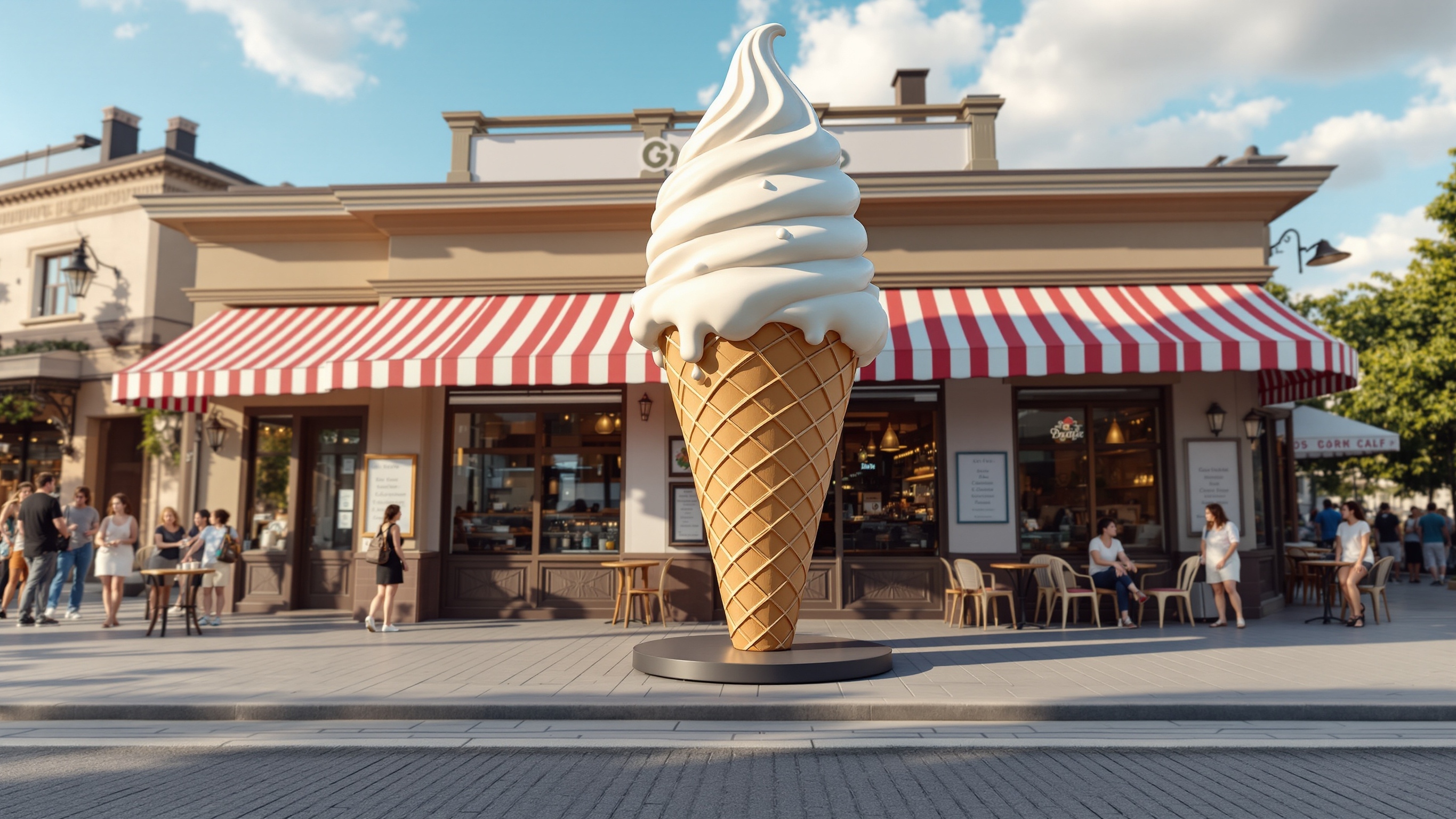
Food has always been more than nourishment. It’s memory, culture, celebration, comfort, and identity. When food leaves the plate and enters the physical landscape as sculpture, it becomes something even more powerful: a shared visual language everyone understands instantly. Food and beverage themed statues transform everyday cravings into oversized icons, turning burgers, coffee cups, ice cream cones, tacos, donuts, soda bottles, and slices of pizza into landmarks that stop people in their tracks. From roadside attractions and restaurant mascots to city art installations and immersive entertainment spaces, food-themed statues blend playfulness with marketing genius. They invite selfies, spark nostalgia, and create a sense of place that feels approachable rather than intimidating. These statues don’t demand reverence. They invite joy. In this article, we explore why food and beverage themed statues have become cultural fixtures, where they appear, how they’re designed, and how modern fabrication techniques make these delicious giants possible.

Why Food Makes the Perfect Subject for Sculpture
Food is universal. No translation required. A towering ice cream cone or a massive coffee mug communicates instantly, regardless of age, language, or background. That instant recognition gives food-themed statues a unique advantage over abstract art or symbolic monuments. There’s also an emotional component. Food carries memories of childhood, travel, celebrations, and comfort. When those memories are transformed into oversized sculptures, they create a powerful emotional hook. People don’t just look at food statues—they react to them. They smile, laugh, point, and pull out their phones. This emotional accessibility is a big reason why food and beverage statues thrive in public-facing spaces where engagement matters.
A Brief History of Food as Monument
Food-themed statues are not a modern invention. Early roadside attractions in the mid-20th century embraced giant hot dogs, donuts, and milk bottles as bold visual signals to passing drivers. These structures weren’t subtle. They were designed to be seen from far away, often doubling as buildings or signage.
Over time, the aesthetic evolved. What began as kitschy roadside architecture gradually transformed into refined, highly detailed sculptures used for branding, placemaking, and experiential design. Today’s food statues may reference nostalgia, but they’re executed with modern craftsmanship and artistic intention. The result is a blend of whimsy and professionalism that feels timeless rather than dated.
Where Food and Beverage Statues Appear Today
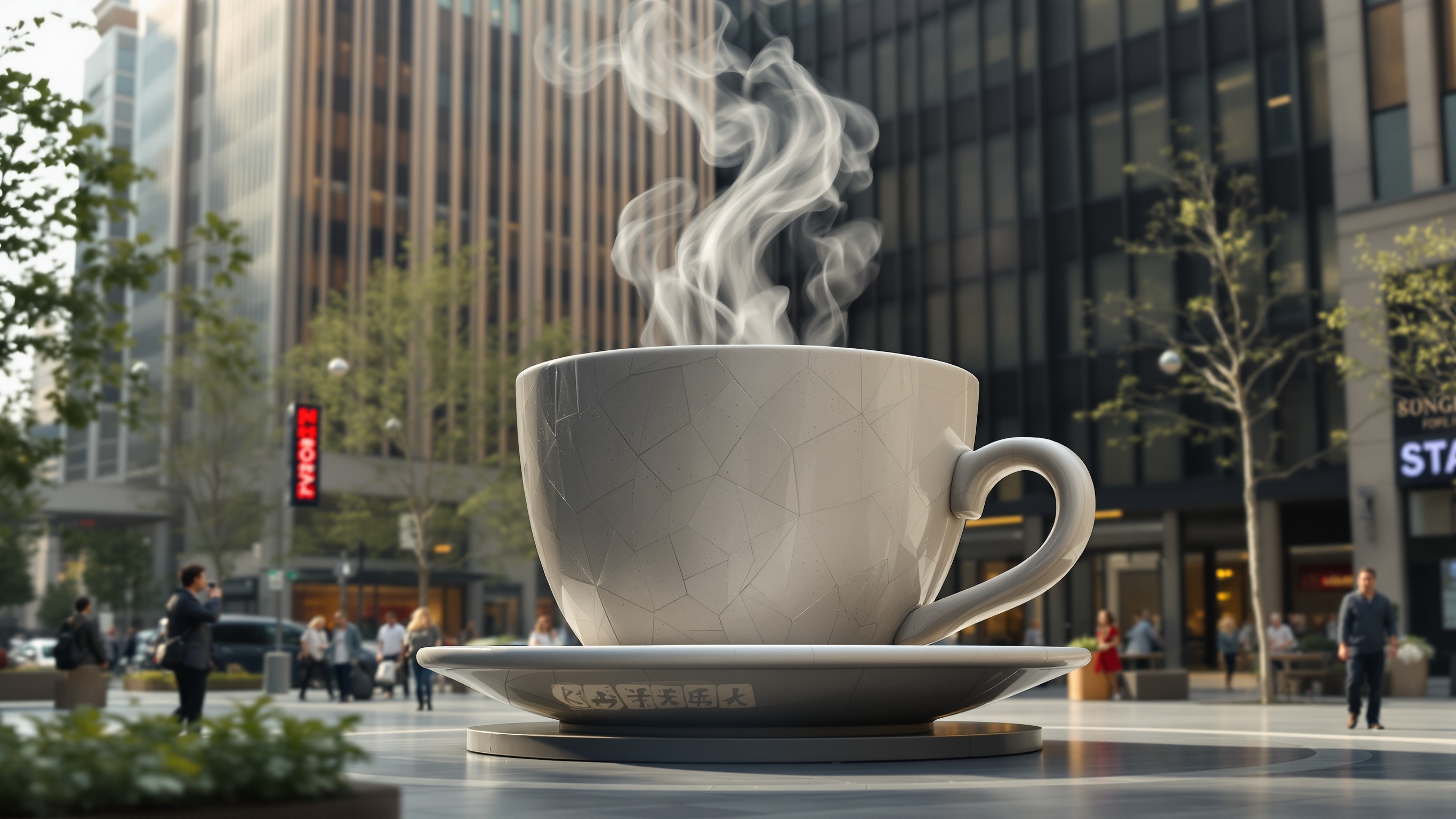
Food-themed statues now appear in a wide range of environments. Restaurants and cafés use them to create instantly recognizable brand icons. A giant coffee cup outside a café signals warmth and energy before customers even step inside.
Theme parks and entertainment venues use oversized food sculptures to enhance immersion. Walking past a massive slice of pizza or a towering soda cup turns a casual stroll into an experience.
Cities and towns also embrace food statues as cultural markers. From fruit statues celebrating local agriculture to seafood sculptures honoring regional industries, these pieces help define local identity.
Even museums and galleries have begun incorporating food-themed sculptures as commentary on consumption, culture, and modern life.
The Balance Between Playful and Polished
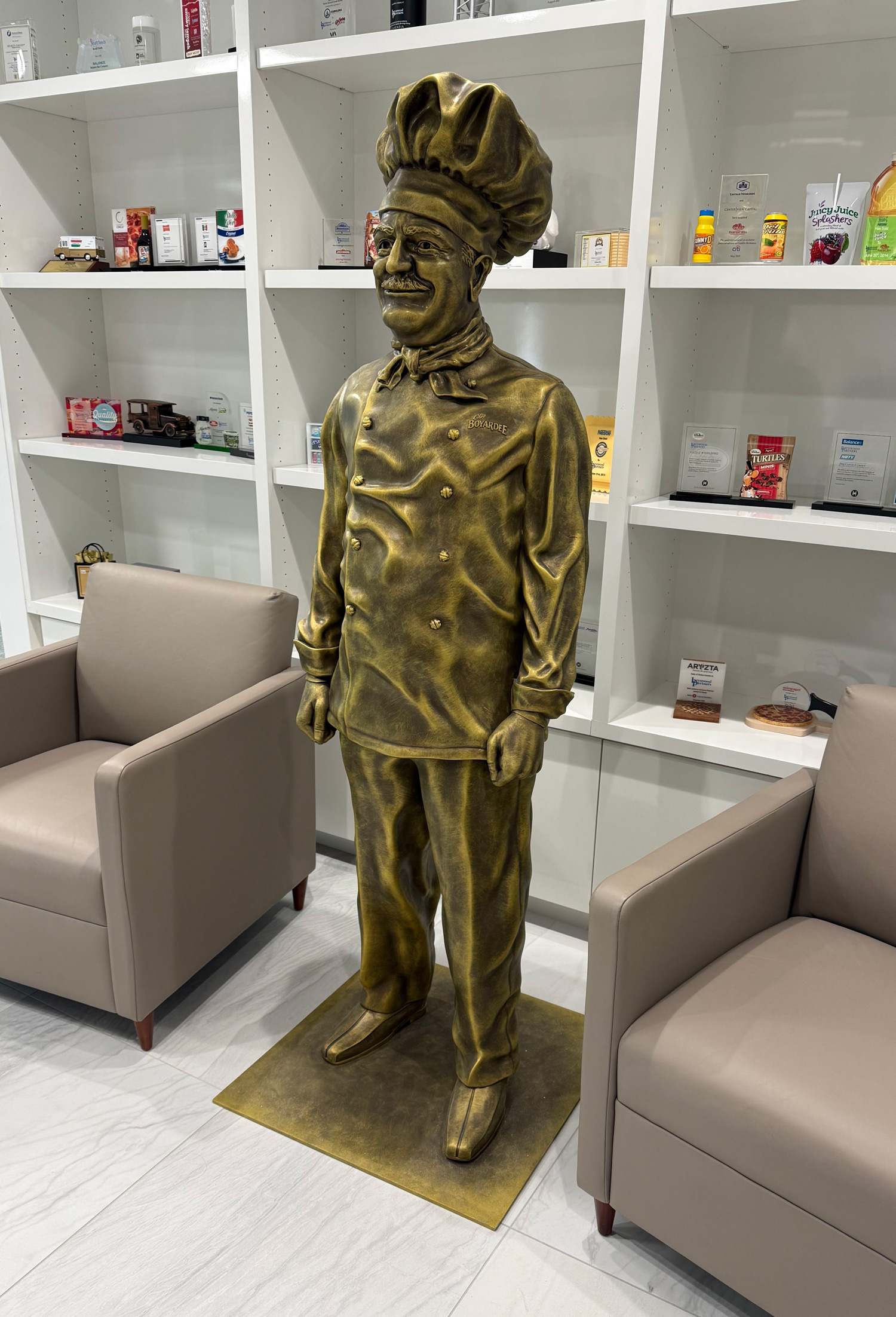
One of the biggest challenges in food-themed sculpture is avoiding cheap novelty. While humor and exaggeration are essential, successful food statues maintain a level of craftsmanship that elevates them beyond props. Surface texture, proportion, color accuracy, and finish all matter. A giant burger statue should look appetizing, not cartoonish. A towering wine bottle should feel elegant, not gimmicky. This balance is what separates memorable installations from forgettable ones. The goal is to make people smile without making the sculpture feel disposable.
Why Scale Matters More Than Size
Food and beverage statues rarely aim for extreme height. Instead, they focus on scale that feels surprising but approachable. A twelve-foot ice cream cone feels massive without being overwhelming. A fifteen-foot coffee mug feels playful, not intimidating.
This “oversized but human” scale invites interaction. People want to stand next to these statues, touch them, photograph them, and incorporate them into their personal stories. Going too large risks losing that intimacy. The magic lives in the space between familiar and fantastical.
Cultural Symbolism Hidden in Plain Sight
Food statues often carry deeper meaning than they first appear to. A giant apple may reference health, agriculture, or even education. A towering loaf of bread can symbolize community, sustenance, or tradition. Beverage statues frequently carry cultural cues as well. Coffee represents productivity and connection. Wine suggests heritage and celebration. Soda can evoke nostalgia and pop culture. When thoughtfully designed, food-themed statues become visual storytelling tools rather than simple decorations.
How Food and Beverage Themed Statues Are Designed
The design process usually begins with research rather than sketching. Artists study the real object closely, analyzing proportions, textures, and surface details. They ask questions like how melted ice cream drips naturally, how a paper cup creases, or how carbonation bubbles distort liquid inside a glass.
Digital modeling is often used to refine scale and form before physical fabrication begins. This allows designers to adjust proportions so the object reads correctly at a larger size. Small imperfections that look fine at tabletop scale can become awkward when enlarged. The final design aims to feel instantly recognizable while subtly exaggerated for visual impact.
How Food and Beverage Themed Statues Are Fabricated
Fabricating oversized food and beverage statues without traditional heavy materials relies on a layered construction process that combines engineering with artistry. The process typically starts with a steel armature that serves as the internal skeleton. This structure defines posture, balance, and anchoring points while remaining hidden from view.
Once the armature is complete, lightweight foam is added to build volume. Artists carve the foam to establish the basic form, refining curves, contours, and surface transitions. This stage is highly sculptural and allows for hands-on adjustments.
After shaping, layers of fiberglass or composite materials are applied to create a durable shell. This shell captures fine detail while protecting the internal structure. Once cured, the surface is sanded, textured, and prepared for finishing.
Paint and coatings bring the statue to life. Food statues often use layered paint techniques to replicate realistic textures like glaze, frosting, carbonation, condensation, or grill marks. Protective sealants ensure the statue can withstand outdoor conditions without fading or cracking.
The finished sculpture is transported in sections if necessary and assembled on site, anchored to a foundation designed for stability and longevity.
The Science of Making Food Look Real at Large Scale
Making oversized food look believable requires more than accurate color. Texture plays a crucial role. Smooth surfaces can look artificial, while subtle irregularities create realism. Artists study how light interacts with food surfaces. Gloss levels vary depending on the material being mimicked. Ice cream may have a soft sheen, while glazed donuts reflect light more sharply. Beverages often require translucent layers to simulate liquid depth. These details ensure the statue feels convincing from both a distance and up close.
Durability Without Losing Charm
Food-themed statues are designed to endure public interaction. People touch them, lean against them, and take photos up close. Durability is essential, but it cannot come at the expense of visual warmth.
Modern materials allow for both. Protective coatings shield the sculpture from UV exposure, moisture, and temperature changes while preserving vibrant color and texture. Regular maintenance, such as cleaning and minor touch-ups, keeps these statues looking fresh for years.
Food Statues as Branding Powerhouses
Few marketing tools are as effective as a memorable physical landmark. Food and beverage statues create instant brand recognition and encourage organic social sharing. A single well-designed statue can become synonymous with a business or destination. People don’t just remember the place—they remember the statue. This visual shorthand builds emotional connection far faster than signage or advertising alone.
Food Statues in the Age of Social Media
The rise of social media has amplified the impact of food-themed statues. These sculptures are inherently shareable. Their playful nature invites photos, and their scale adds drama to every shot.
Designers now consider how statues will appear on camera, from angles that encourage framing to textures that photograph well in different lighting conditions.
In many ways, these statues function as physical social media content, living permanently in the real world.
The Line Between Art and Experience
Food and beverage themed statues sit at the intersection of art, design, and experience. They don’t ask viewers to stand back and observe quietly. They invite participation. This interactive quality aligns perfectly with modern expectations for public spaces, where engagement and enjoyment matter just as much as aesthetics.
The Future of Food-Themed Sculpture
As materials and fabrication techniques continue to evolve, food-themed statues will become even more detailed, durable, and imaginative. Sustainable materials, recycled composites, and advanced coatings are already influencing how these sculptures are built.
Digital tools and 3D modeling will further streamline design while allowing for customization at scale. The future promises more flavor, not less.
Why Food and Beverage Statues Endure
Food-themed statues succeed because they celebrate the everyday. They elevate familiar objects into shared experiences, blending humor, nostalgia, and craftsmanship. In a world filled with screens and digital distractions, these tangible, playful landmarks remind us that joy can be simple—and sometimes shaped like a giant ice cream cone.
Check out WhiteClouds’ 3D Props for more information.
Contact us today to learn more about our 3D services and how we can help you achieve your goals.