
Foam as the Core of Giant Statues
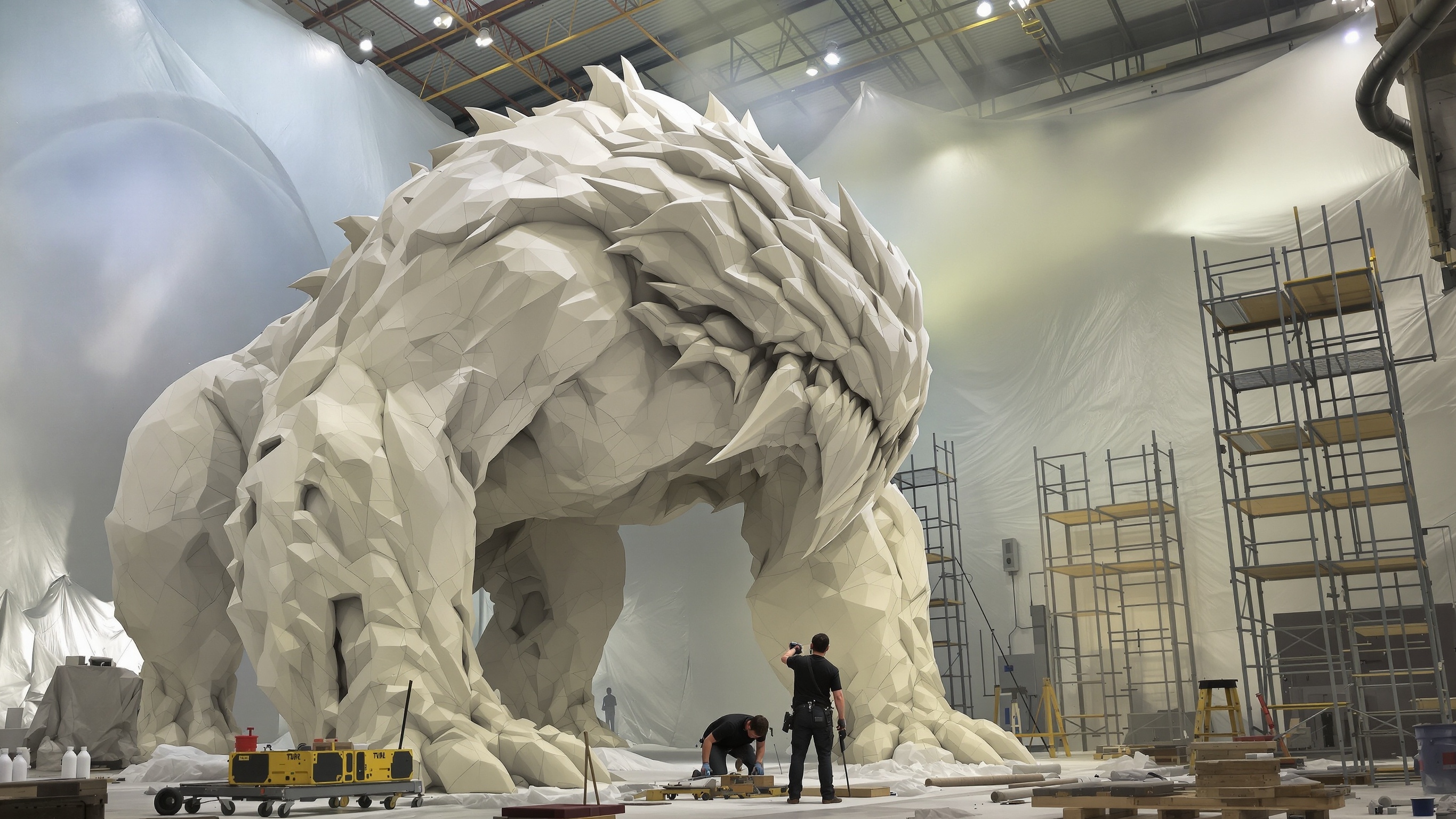
Why Foam Is Used as a Core Material
From the towering guardians watching over theme parks to the mythical creatures bursting from parade floats, giant statues have a magical way of redefining space and scale. They captivate us, transport us, and convince us to believe—even if just for a moment—that the extraordinary is real. But here’s the secret you may not know: beneath the brilliant paint, sculpted detail, and glossy finish, these colossal creations aren’t built entirely from steel or concrete. Instead, their beating heart is something surprisingly soft, incredibly versatile, and shockingly lightweight: foam. Foam is the unsung structural hero of large-scale sculptural art. It allows designers, fabricators, and artists to dream bigger—literally. Without it, many statues would be too heavy to move, too expensive to fabricate, or too fragile to survive the outdoors. Foam unlocks the sculpture industry’s boldest possibilities while keeping production efficient, practical, and safe. This is the story of why foam stands tall at the center of giant statues everywhere.
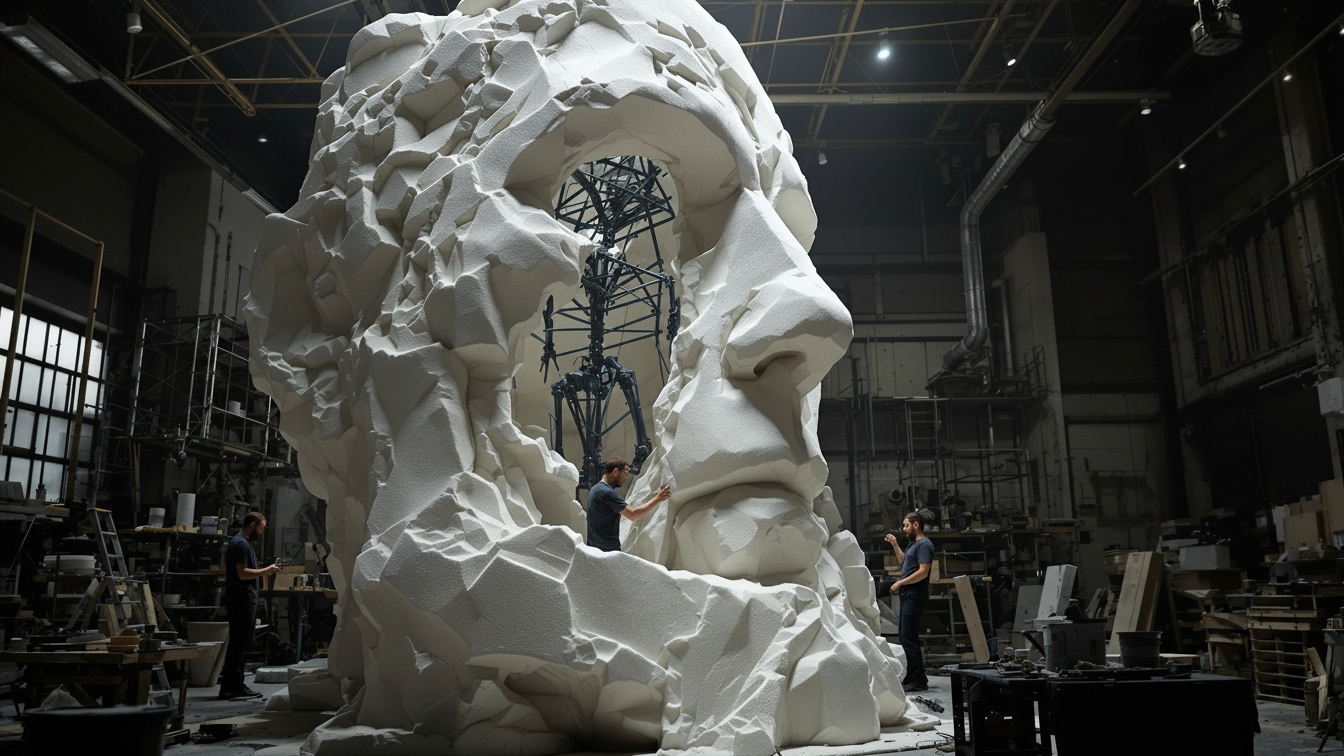
The Rise of Foam in Sculptural Engineering
Historically, large statues relied on stone, bronze, or concrete. These materials still hold prestige, but they come with unavoidable baggage: massive weight, slow fabrication, risky transportation, and sky-high cost. As the entertainment, retail, and experiential industries expanded—think amusement parks, corporate brand installations, public art tours—artists needed a new approach. Foam became the ideal solution: easy to shape, fast to produce, and strong enough to take on huge forms once paired with coatings and internal structure.
Foam-based fabrication gives creators the power to build:
- Larger-than-life characters for theme parks
- Sculptures for movies and TV sets
- Promotional mascots towering over crowds
- Theatrical props that look like steel but move like cardboard
- Parade icons that stay lightweight for safety
Suddenly, big ideas weren’t limited by physics—they were only limited by imagination.
What Makes Foam So Perfect for Giant Statues?
Foam is the king of controllable volume. It doesn’t fight gravity the way traditional sculpture materials do. Instead, it gives artists a massive lightweight canvas that can be carved into hyper-realistic shapes—or stylized dream-world visions. Here’s why foam wins in the world of giant artwork:
Lightweight Strength
Foam dramatically reduces weight, making large structures easier to handle, move, install—and sometimes even wear as costumes.
Fast and Flexible Sculpting
Whether forming smooth curves or sharp edges, foam cuts effortlessly while maintaining shape—perfect for expressive details like fur, feathers, armor, and architectural textures.
Cost Efficiency
Compared to the expense of metals or carved stone, foam keeps budgets manageable without sacrificing visual punch.
Compatibility With Coatings and Reinforcements
Foam is just the start. Once hardened with resin, epoxy, polyurea, or fiberglass—and supported with metal armatures—it becomes durable enough for long-term displays.
Scale Without Limit
Need a ten-foot dinosaur? Sure. A thirty-foot pirate ship figurehead? No problem. Foam scales up with surprising ease.
With foam, giant statues stop being engineering headaches and start being awe-inspiring attractions. Foam’s unique combination of strength, lightness, and sculptability is exactly why it has become the backbone of so many large-scale builds. Artists and fabricators rely on foam because it allows massive structures to be shaped, transported, and installed without the weight and cost of traditional materials. If you’d like a deeper look into why foam performs so well in oversized artwork, FoamStreets has an excellent breakdown of the lightweight advantages that make foam ideal for large sculptures.
Types of Foam Used in Giant Sculpture
Not all foam is created equal. Artists choose materials based on scale, durability, and carving detail.
- Expanded Polystyrene (EPS):
The most common core foam—affordable, lightweight, perfect for CNC shaping and hand carving. - Extruded Polystyrene (XPS):
Denser, smoother, better for coating adhesion and fine details. - Polyurethane Foam:
Ideal for intricate carving and high-detail character sculpture, especially in film production. - Spray Foam:
Used to bulk up structures quickly and fill internal cavities around armatures.
Each type brings its own advantages, allowing sculptors to tailor foam choices to the creative goal.
The Art of Going Big: Shaping Foam Into Spectacle
Foam may begin as a block or sheet, but it soon transforms through a combination of technology and craftsmanship.
Digital Precision Meets Hand-Carved Magic
Most large statues start with a 3D model. This digital blueprint is then fed into CNC hot-wire or robotic routers that cut foam into rough sculpted pieces. Those pieces are bonded into a single large mass and then refined by hand. Artists bring the soul to the sculpture—adding wrinkles to dragon wings, personality to a robot’s stance, or the perfect curve to a mythical goddess’s hair. Foam accepts every slice gracefully, revealing form with each swipe of a rasp or hot knife.
From Soft Sculpture to Hard-Shell Showpiece
Once sculpting is complete, the foam is sealed and reinforced. Hard-coat systems vary based on environment:
-
- Polyurea for weatherproof strength
- Epoxy/fiberglass layering for impact resistance
- Resin coatings for sleek, smooth finishes
- Acrylic stucco for architectural style surfaces
When complete, the statue may look like granite or forged metal—but it remains delightfully lightweight behind the scenes.
Painting the Illusion of Reality
A giant statue’s magic often lies in the paint. Artists use texture, shading, pigments, and airbrushing to push realism—creating lifelike skin pores, rusted metal armor, glossy geometric patterns, or ancient-stone carvings.
Special finishes can simulate anything:
- Polished marble
- Copper with patina
- Cracked stone
- Scaly reptile hide
- Luminescent mythical energy
Foam gives artists the shape; paint gives it personality.
Planning Structure and Surface Treatment
A foam-core statue does not have one universal build sequence. Size, geometry, handling, transport, display location, exposure, and intended lifespan affect the internal support and surface system. Those requirements should be resolved for the individual design before any material, coating, finish, or installation method is specified.
From Theme Parks to City Squares: Foam Everywhere You Look
You may not notice foam’s role while admiring a towering superhero or mythical beast—but it’s there. Some of the most impressive installations include:
- Theme park icons that greet visitors with thrilling scale
- Theater and film props towering behind performers
- Festival centerpieces ready to withstand cheering crowds
- Public art installations that spark conversation
- Retail mascots and seasonal displays that shift between locations
Foam allows art to travel, evolve, and stand front-and-center in the world’s most dynamic environments. Without it, many of these attractions would never escape the drawing board.
Sustainability and Innovation in Foam Sculpture
The industry continues to seek greener options, such as:
- Recycled foam integration
- Advanced coatings extending lifespan
- Modular assemblies allowing reuse
- Digital fabrication reducing waste
As sustainability expectations grow, foam materials evolve with them—continually redefining what giant artwork can be.
Why Giant Foam Statues Captivate Us
There’s something deeply human about large-scale sculpture. It challenges our perspective, tests our imagination, and invites us into a world where normal rules don’t apply. Foam gives these dreams structure—not by weighing them down, but by elevating them into physical form.
It’s a paradox that fuels creativity: Foam is soft enough to shape into wonder—yet strong enough to hold up the impossible.
Every towering dragon, colossal candy cane, or monumental movie icon owes its presence to this combination of imagination and engineering. Foam is more than a material—it’s the foundation of big dreams. The Future: Bigger, Stranger, Smarter Technology keeps pushing what foam-based art can accomplish:
- Robotics inside statues for movement
- Projection-mapped surfaces for digital storytelling
- Lightweight exoskeletons supporting even more dramatic shapes
- Rapid prototyping from concept to installation
Soon, giant statues won’t just stand still—they’ll glow, speak, interact, and respond. Foam is ready for all of it.
Planning a Foam-Core Giant Statue
Foam gives sculptors a medium that’s bold yet forgiving, monumental yet manageable. It democratizes giant art. It makes imagination physically possible. It allows creators to go big without going broke—or breaking the laws of physics. The next time you’re surrounded by larger-than-life creativity—whether at a theme park or a seasonal parade—take a moment to think about the soft foundation beneath that magic. Foam doesn’t just support the structure; it supports the dream. And in the art world, that’s everything.
Check out WhiteClouds’ 3D Statues for more information. Contact us today to learn more about our 3D services and how we can help you achieve your goals.
Custom project planning: For a foam-core character or statue project, review WhiteClouds' custom character-prop and statue capabilities and related project gallery. Size, internal support, surface treatment, handling, transport, display conditions, and intended lifespan should be resolved for the individual design.
Related custom statue resources
See WhiteClouds fabrication services and completed projects for custom character props and 3D statues.
Custom Character Prop & Statue Quote
Share the size, placement, finish, timing, and reference files available for your project.