
How Large Aluminum Letters Can Withstand Harsh Weather
How Large Aluminum Letters Can Withstand Harsh Weather
We Build Custom Aluminum Letters
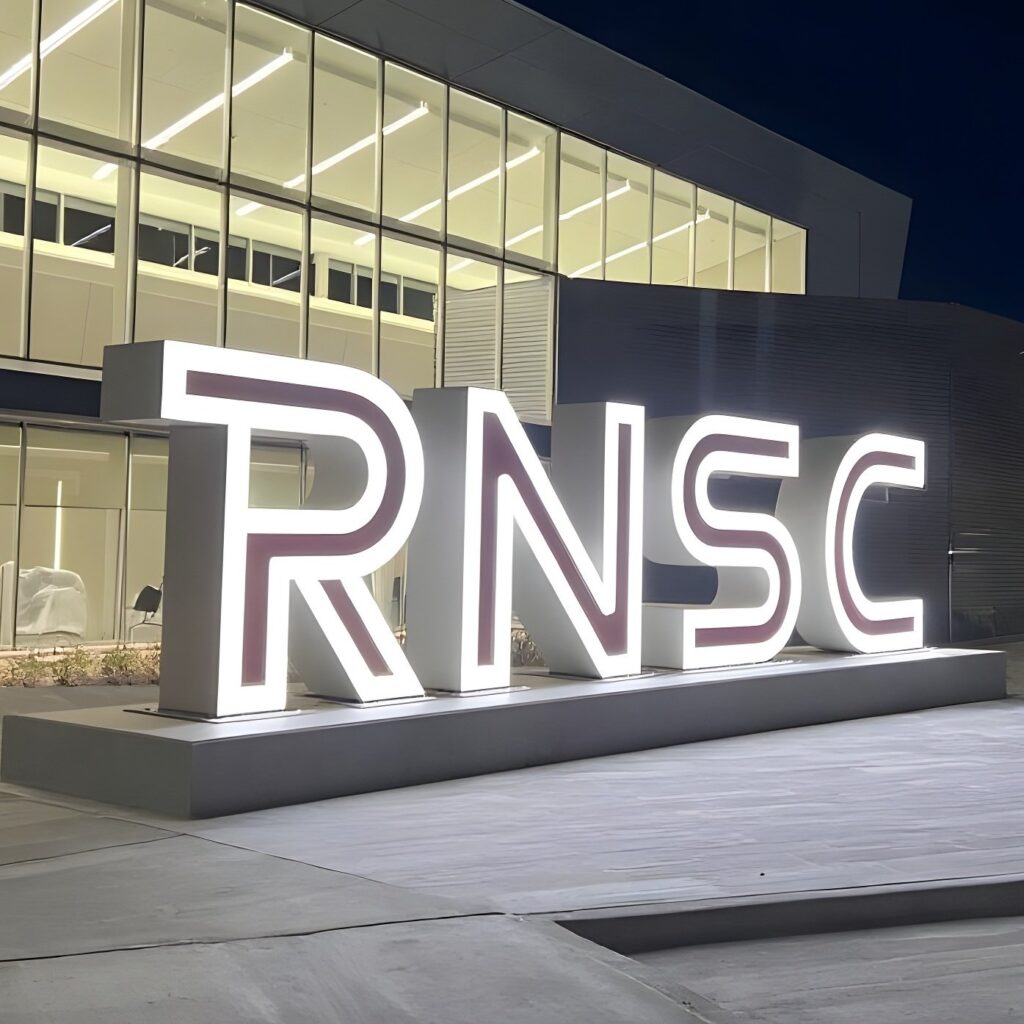
Built to Brave the Elements: The Weatherproof Power of Large Aluminum Letters
Across city skylines, campuses, and corporate headquarters, large aluminum letters stand tall through storms, snow, and scorching sun. Their sleek surfaces and metallic sheen seem impervious to the elements, maintaining their bold character long after paint has peeled and steel has rusted nearby. What makes these letters so resilient? The answer lies in the unique properties of aluminum, its surface treatments, and the precision engineering that transforms raw metal into enduring art. In this article, we’ll explore how large aluminum letters are designed to withstand harsh weather while continuing to shine year after year.
1. Aerodynamic profiles: Slightly radiused edges and eased corners reduce wind eddies and uplift on 6′–10′ letters.
2. Deep-return shells with ribs: Internal stiffeners and perimeter flanges keep faces flat and resist oil-canning in gusts.
3. Vent & weep strategy: Hidden vents at the top and slotted weeps at the bottom manage condensation and driven rain.
4. Modular segmentation: Oversized letters split into registered modules to limit sail area and simplify secure attachment.
5. Backer plates & spreader bars: Distribute loads across cladding; reduce point stresses on EIFS and thin façades.
6. Expansion relief: Slotted mount holes and floating studs accommodate thermal movement from −20°F to 120°F.
7. Gasketed seams: EPDM or silicone baffles behind face/return joints stop capillary water pathways.
8. Reinforced attachment zones: Locally thicker aluminum at stud clusters for improved pull-out capacity.
9. Wind-zone engineering: Profiles sized for site wind speeds (per local code) with factor of safety built in.
10. Impact-aware faces: For hail zones, specify polycarbonate or thicker aluminum faces and protected LED cavities.
1. Alloy selection: 5052 for formed, salt-tolerant returns; 6061-T6 for stiff, flat faces and brackets.
2. Anodize (Class I): Hard, dense oxide layer excels in coastal exposure; preserves crisp edges.
3. Powder coat (AAMA 2604/2605): UV-stable, chalk-resistant colors for desert sun and rooftop installs.
4. Primer stacks: Chromate/epoxy primers under powder or topcoat add corrosion margin in marine air.
5. Clear coats: UV clears lock in brushed or polished aluminum in high-sun regions.
6. Hardware: 316 stainless fasteners with nylon or EPDM isolators to break galvanic couples.
7. Sealants & tapes: Silicone/neutral cure sealants and VHB systems rated for wet-freeze cycles.
8. Lighting enclosure: IP67 LED modules, potting at terminations, and drip loops on leads.
9. Face materials: Polycarbonate for hail/impact zones; acrylic where optics and clarity are prioritized.
10. Anti-graffiti options: Sacrificial coatings ease cleanup without degrading UV performance.
1. Engineering review: Site wind, elevation, and exposure category drive section thickness and anchorage.
2. Mock-ups: Full-scale corners validate gasket compression, weep performance, and LED glow uniformity.
3. Salt-spray & UV cycles: Coating stacks validated with accelerated corrosion and sunlight exposure tests.
4. Thermal cycling: Expansion slots and fastener torques proven across cold-soak to heat-soak ranges.
5. Weld integrity: TIG seams dye-penetrant checked; ground flush where seals and finishes demand.
6. Ingress checks: Water-hose and drip-rack tests confirm no pooling in cavities and clear weep function.
7. Electrical QA: LED load tests at low temp; conformal coatings on boards and sealed connectors.
8. Mount templates: CNC patterns with datum references reduce on-site penetrations and reseal time.
9. Crating for climate: Foam-blocked, film-wrapped with desiccant packs and handling orientation labels.
10. Close-out docs: Finish schedules, maintenance guides, and hardware maps for long-term care.
1. Aluminum vs. steel: Aluminum won’t rust and is lighter; steel has higher tensile strength but needs robust coatings.
2. Anodize vs. powder coat: Anodize shines in salty air; powder offers limitless color and strong UV stability.
3. Acrylic vs. polycarbonate faces: Acrylic = clarity; polycarbonate = superior impact for hail and debris.
4. Stud-mount vs. rail/backer: Studs are discreet; rails/backers spread loads on weak claddings and windy rooftops.
5. Halo-lit vs. front-lit: Halo hides LEDs and protects optics; front-lit optimizes readability in rain/fog.
6. Cast/fabricated vs. flat-cut: Cast/fab for deep, stiff shells; flat-cut for lighter sail area and simple drainage paths.
7. 316 SS vs. 304 fasteners: 316 for coastal and de-icing salts; 304 for inland with less chlorides.
8. Sealant chemistries: Neutral-cure silicone handles UV and movement; polyurethane excels in abrasion zones.
9. Single skin vs. double skin: Double skin adds rigidity and space for baffled air/water management.
10. Rigid vs. flexible couplings: Flexible isolators tame vibration on parapets and lightweight canopy edges.
1. Coastal marinas & piers: Class I anodize, 316 hardware, and sealed LEDs fight salt spray and UV.
2. Hurricane corridors: Module splits, reinforced rails, and engineered anchors for extreme gusts.
3. High-altitude resorts: Freeze–thaw-rated sealants and polycarbonate faces resist snow load and ice.
4. Desert rooftops: UV-max powders and vented shells limit heat soak and color fade.
5. Transit hubs: Anti-graffiti topcoats, impact-resistant faces, and tamper-resistant fasteners.
6. Industrial plants: Chemical-resistant primers and clear weeps for wash-down areas.
7. Stadiums & arenas: Large letter sets with spreader bars and vibration-tolerant mounts.
8. University campuses: Long-warranty coatings and consistent kerning across multiple buildings.
9. Mountain towns: Snow-shedding profiles and hidden heat-trace options for ice-prone faces.
10. City landmarks: Public-touch surfaces with eased edges and hard-coat finishes for durability.
Q: How big can letters get and still pass wind requirements?
A: We routinely engineer 6′–10′ letters. Final size depends on site wind speed, exposure, and substrate capacity.
A: We routinely engineer 6′–10′ letters. Final size depends on site wind speed, exposure, and substrate capacity.
Q: What finish is best near the ocean?
A: Class I anodize or 2605-grade powder over robust primer; 316 stainless hardware with isolators.
A: Class I anodize or 2605-grade powder over robust primer; 316 stainless hardware with isolators.
Q: How do you prevent water intrusion?
A: Gasketed seams, vent/weep paths, sealed cable penetrations, and IP67 components.
A: Gasketed seams, vent/weep paths, sealed cable penetrations, and IP67 components.
Q: Will color fade in intense sunlight?
A: UV-rated powder systems and clears resist chalking and fading; color warranties available.
A: UV-rated powder systems and clears resist chalking and fading; color warranties available.
Q: What about hail or debris impact?
A: Specify thicker aluminum or polycarbonate faces; internal ribs protect LEDs and wiring.
A: Specify thicker aluminum or polycarbonate faces; internal ribs protect LEDs and wiring.
Q: How is thermal expansion handled?
A: Slotted mounts, floating studs, and controlled torque maintain alignment across temperature swings.
A: Slotted mounts, floating studs, and controlled torque maintain alignment across temperature swings.
Q: Maintenance expectations?
A: Rinse and mild soap quarterly in coastal/desert sites; annual hardware and lighting checks.
A: Rinse and mild soap quarterly in coastal/desert sites; annual hardware and lighting checks.
Q: Do you provide engineered drawings for permits?
A: Yes—anchor calcs, materials schedules, and installation details tailored to local code.
A: Yes—anchor calcs, materials schedules, and installation details tailored to local code.
Q: Can you retrofit existing letters for weather resilience?
A: Often—by adding rails, upgrading hardware, resealing cavities, and replacing faces/LEDs.
A: Often—by adding rails, upgrading hardware, resealing cavities, and replacing faces/LEDs.
Q: What drives cost in harsh-weather builds?
A: Size, finish class, hardware grade, lighting spec, and required structural reinforcement.
A: Size, finish class, hardware grade, lighting spec, and required structural reinforcement.
The Natural Resilience of Aluminum
Aluminum is a remarkable metal that combines strength, lightness, and corrosion resistance. These traits make it one of the most weather-resistant materials used in signage fabrication today. Unlike iron or steel, aluminum naturally forms a thin oxide layer when exposed to air. This layer acts as a shield, preventing oxygen and moisture from penetrating deeper into the metal and causing rust or degradation. This self-protective behavior allows aluminum letters to hold up beautifully in humid, salty, or cold environments. ‘
According to WhiteClouds, large aluminum letters are a favorite among architects and designers precisely because they can face the elements without losing their structural integrity or visual appeal. Even under continuous exposure to rain, UV radiation, and temperature fluctuations, aluminum remains stable. Its surface doesn’t pit, peel, or corrode in the same way many other metals do. The result is signage that looks brand-new even years after installation, saving maintenance costs while retaining professional appearance.
Engineering Precision: The Backbone of Durability
The weather resistance of large aluminum letters isn’t just about the material—it’s also about the craftsmanship. CNC machining, laser cutting, and water-jet technology allow manufacturers to produce perfectly sealed edges and exacting shapes that reduce weak points where moisture could seep in. The more precise the fabrication, the better the protection. These precision-cut methods eliminate unnecessary joints or seams, creating smoother surfaces that resist wear and oxidation. Large-scale fabrication, like the kind featured at WhiteClouds, takes engineering a step further by considering wind load, thermal expansion, and mounting systems that prevent vibration or structural fatigue. A well-engineered mounting system keeps large aluminum letters stable in high winds, while hidden anchors or stud mounts reduce stress on the façade and prevent water from pooling behind the letters. This attention to detail transforms aluminum letters from mere signage into architectural features designed for decades of performance.
While aluminum is naturally resistant to weathering, surface finishes can make it virtually invincible. Powder coating is one of the most effective ways to enhance durability and color longevity. During this process, a fine electrostatic powder is sprayed onto the letter’s surface and then cured in an oven to create a smooth, even coating. The result is a hard, baked-on finish that resists chipping, fading, and scratching. WhiteClouds offers powder-coated aluminum letters in a variety of finishes—from matte to glossy metallics—that not only enhance aesthetics but also act as a barrier against harsh conditions. Powder coating prevents UV rays from bleaching color, protects from rain and salt, and eliminates the risk of corrosion even in coastal or industrial environments. The coating bonds so tightly to the metal that it becomes part of the structure, meaning even years of sunlight or snowmelt won’t cause the paint to peel or bubble. In short, powder coating doesn’t just decorate aluminum—it shields it.
The Science of Anodizing: Nature’s Built-In Shield
Another powerful finishing technique that helps aluminum withstand severe climates is anodizing. Through an electrochemical process, the natural oxide layer on aluminum is thickened, creating a surface that’s both harder and more resistant to corrosion and UV exposure. The anodized layer becomes an integral part of the aluminum, rather than a coating applied on top, which means it won’t chip, crack, or flake. WhiteClouds notes that anodized aluminum letters are especially popular for outdoor signage because they retain their luster even under direct sunlight or in regions prone to heavy rain and pollution. The finish also resists fingerprints and grime, making maintenance nearly effortless. Anodizing can be done in various colors by adding pigments during the process, allowing creative flexibility without sacrificing performance. Whether in silver, bronze, or black, anodized aluminum provides a high-end finish that’s as tough as it is beautiful.
Weather Extremes: From Blizzards to Heatwaves
To understand the resilience of large aluminum letters, consider the environments they’re often exposed to. In northern climates, signage must endure freezing temperatures, snow accumulation, and ice expansion. In southern or coastal regions, heat, humidity, and salt spray test every surface. Aluminum, with its inherent resistance to thermal expansion and oxidation, adapts seamlessly to both extremes. It doesn’t warp in heat or crack in cold. The oxide layer protects against condensation and moisture intrusion, while finishes like powder coating and anodizing add extra defense against UV degradation and salt corrosion. Large aluminum letters are frequently used in coastal cities where salty air corrodes most metals within months. Yet aluminum signage in these regions maintains its shine for decades with minimal upkeep. Likewise, in desert environments, the metal’s low thermal conductivity prevents it from becoming dangerously hot or expanding excessively, ensuring stable mounting and alignment.
The Role of Design in Longevity
Beyond material and finish, design plays a critical role in helping large aluminum letters withstand harsh weather. When signage is custom-engineered, every curve, join, and angle is considered to promote water runoff and prevent dirt accumulation. Smooth surfaces and beveled edges allow rain to slide away rather than collect in crevices where corrosion could start.
Additionally, letter thickness and return depth contribute to structural rigidity. Thicker aluminum letters can resist bending under high wind loads or impact from debris. Engineers at WhiteClouds factor in aerodynamic profiles and internal reinforcements that minimize vibration and fatigue over time. Even mounting systems are part of the design equation—hidden stud mounts and secure brackets prevent letters from loosening or shifting during storms. Each of these design choices extends the lifespan of aluminum letters, ensuring they remain a permanent feature in both form and function.
The Protective Finishes That Seal the Deal
The key to all-weather durability lies in the layered approach to finishing. Aluminum letters often go through multiple treatment stages to guarantee resilience. First, they are cleaned and degreased to remove impurities. Then, depending on the desired appearance, they undergo powder coating or anodizing, each of which adds a unique protective layer. Powder coating creates a thick, customizable armor that’s ideal for colorful or textured finishes, while anodizing enhances metallic tones and adds hardness. For some projects, a clear coat may be added for additional UV resistance. The final result is a letter face that reflects light beautifully yet resists fading and corrosion under intense exposure. As WhiteClouds emphasizes, these finishes are not simply decorative—they are critical performance layers that make aluminum one of the most weather-enduring signage materials available.
Maintenance and Longevity: Decades of Brilliance
The maintenance advantage of aluminum letters is one of their biggest selling points. Unlike materials that require repainting or rust treatment, aluminum letters only need periodic cleaning with mild soap and water to remove dirt or pollutants. Because aluminum doesn’t rust, even scratches won’t lead to structural damage. The oxide layer reforms naturally, providing continuous protection. Anodized finishes, in particular, can last decades without noticeable fading. Powder-coated surfaces remain vibrant for years, even under intense sunlight. In addition, aluminum’s light weight reduces stress on building façades, preventing structural strain that can occur with heavier materials like steel or stone. For businesses, institutions, and public installations, this means fewer maintenance costs and less downtime. Large aluminum letters offer a combination of visual prestige and practical reliability unmatched in the signage industry.
Real-World Examples of Endurance
From mountain resorts to beachfront hotels, aluminum letters prove their worth daily. Consider outdoor signage in regions that experience temperature swings from freezing nights to blazing days. While painted wood or composite materials expand, crack, or delaminate, aluminum maintains its dimensions and finish. Similarly, large aluminum letters used on sports arenas, airports, and shopping centers show minimal wear even after decades of exposure.
Many municipalities choose aluminum for public landmarks and monuments because it provides both the bold visual presence required for visibility and the structural endurance to withstand the elements. Whether it’s an illuminated logo high above a skyscraper or large standalone letters along a desert highway, aluminum has earned its reputation as the gold standard of outdoor signage.
Sustainable Strength: Weatherproof and Eco-Friendly
Durability isn’t just about toughness—it’s about sustainability. Aluminum is one of the most recyclable metals on Earth, and recycling it requires only a fraction of the energy used in its initial production. That means signs built from aluminum can be reprocessed and repurposed indefinitely without losing quality. This sustainable life cycle pairs beautifully with its weather resistance: a material that lasts for decades also prevents waste by reducing the need for replacements. Many businesses and architects seeking eco-friendly design solutions choose aluminum for both its aesthetic and environmental performance. Combined with low-maintenance finishes like powder coating and anodizing, large aluminum letters provide long-term beauty that aligns with modern sustainability goals.
Comparing Aluminum with Other Materials
When evaluating signage materials for outdoor use, few can compete with aluminum. Steel is strong but prone to rust and requires regular coatings or galvanization. Wood offers warmth but decays quickly in moisture and sunlight. Acrylic and PVC can warp or discolor under UV exposure. Aluminum, by contrast, holds its own in every category—strength, weight, corrosion resistance, and finish versatility. It remains dimensionally stable under fluctuating temperatures, does not rust, and can be shaped into intricate designs without sacrificing durability. Because aluminum is lightweight, even large installations are easier and safer to mount, reducing both material and labor costs. For designers and engineers, it’s a rare blend of performance and elegance.
The Role of Technology in Weather Resistance
Modern fabrication technologies play a huge part in making aluminum signage nearly impervious to harsh conditions. Advanced CNC routing ensures precision joints and smooth finishes that reduce weak points. Laser cutting creates exact geometries without burrs or rough edges. Powder coating techniques have evolved to include anti-graffiti and high-UV formulas, while anodizing can be controlled to microscopic accuracy for consistent color and surface hardness.
3D modeling allows engineers to simulate wind loads, moisture accumulation, and temperature expansion before manufacturing even begins. This integration of digital design and real-world durability is what makes contemporary aluminum signage truly future-proof. When you invest in large aluminum letters today, you’re benefiting from decades of engineering progress.
One of the most impressive aspects of large aluminum letters is how they age—or rather, how they don’t. Unlike painted wood or corroded steel, aluminum maintains its visual appeal through decades of exposure. Powder-coated surfaces keep their color, while anodized finishes develop a subtle, sophisticated patina that enhances rather than detracts from the design. Rainwater slides off effortlessly, leaving no streaks or stains. Even after years of direct sun, anodized aluminum letters retain their deep metallic sheen.
This aesthetic stability makes aluminum the ideal material for high-profile branding, public art, and architectural signage where first impressions matter. The combination of durability and elegance ensures that large aluminum letters not only survive the elements but continue to look as inspiring as the day they were installed.
Installation and Structural Stability in Harsh Conditions
No matter how strong the material, proper installation determines how well signage holds up against nature’s forces. Large aluminum letters are mounted using engineered brackets, backplates, or studs that distribute weight evenly and anchor securely into the building façade. The light weight of aluminum reduces the load on mounting systems, making them safer and longer-lasting than heavier materials. In high-wind regions, letters can be designed with aerodynamic profiles or hollow interiors to minimize resistance. Sealed mounts prevent water infiltration, and expansion joints allow for natural thermal movement without stress. This careful engineering means aluminum letters remain firmly in place even through hurricanes, hailstorms, and extreme temperature shifts.
Minimal Upkeep, Maximum Longevity
Part of the reason aluminum letters thrive outdoors is the ease of upkeep. Simple routine cleaning removes dirt, grime, or pollutants that could dull the finish over time. Most surfaces can be maintained with nothing more than mild detergent and water—no special chemicals or repainting required. Because both anodized and powder-coated finishes resist corrosion, scratches, and fading, the letters maintain their professional appearance for decades. Businesses appreciate that this low-maintenance quality translates directly into cost savings. There’s no need for frequent touch-ups or replacements, even in climates known for extreme weather. In this sense, aluminum’s durability isn’t just about surviving storms—it’s about delivering consistent, lasting value.
As technology and materials science continue to evolve, large aluminum letters are poised to become even more durable and sustainable. Innovations in nanocoatings and smart materials may soon enhance self-cleaning properties and environmental adaptability. Future powder coatings may include reflective or solar-absorptive features, turning signage into both a design and energy-efficient element. Meanwhile, precision fabrication will continue improving, allowing for even tighter tolerances and seamless assemblies. Through each advancement, aluminum’s fundamental strength and corrosion resistance will remain the cornerstone of its longevity. For modern architecture and branding, aluminum letters represent not only a durable choice but a commitment to long-term excellence.
Weatherproof Art in Motion: The Timeless Appeal of Aluminum Letters
When storms roll in, aluminum signage doesn’t flinch. It stands as a quiet testament to engineering, chemistry, and artistry fused into one. From its naturally protective oxide layer to advanced finishes like powder coating and anodizing, every stage of aluminum letter fabrication is designed to withstand the unpredictable power of nature. Whether they face salty ocean breezes, icy mountain winds, or desert heat, large aluminum letters endure without compromise. For designers, architects, and business owners seeking signage that’s as enduring as it is elegant, WhiteClouds offers solutions that merge form, function, and resilience. From powder-coated finishes to anodized options and fully engineered large aluminum letters, the possibilities are as strong as the metal itself. Aluminum letters aren’t just signage—they’re weatherproof works of art built to shine through every season, every storm, and every sunrise to come.