Movie Character Replicas
We Build Custom 3D Props
Bringing Icons to Life Through Art, Craft, and Imagination
There’s something undeniably captivating about seeing a beloved movie character step out of the screen and into the real world. Whether it’s a towering statue of Darth Vader, a hyper-realistic bust of Iron Man, or a full-scale figure of Jurassic Park Velociraptor, movie character replicas have a unique ability to blur the line between imagination and reality. These creations are more than just decorative pieces—they are immersive storytelling tools, fan tributes, and works of art that embody the essence of cinema. In a world where fandom culture continues to grow, replicas have become a central part of how people celebrate their favorite films. From collectors filling entire rooms with cinematic icons to businesses using replicas for themed experiences and marketing, the demand for movie character replicas has exploded. But what exactly goes into creating these lifelike figures? And why do they hold such a powerful place in our hearts?

What Are Movie Character Replicas?
Movie character replicas are physical recreations of characters from films, designed to mimic their appearance as accurately as possible. These replicas can range from small collectible figures to life-size statues or even animatronic installations. The goal is always the same: to capture the spirit, detail, and presence of the character as seen on screen.
Some replicas are stylized and artistic, while others aim for extreme realism, down to skin texture, fabric folds, and subtle expressions. High-end replicas often use reference materials directly from film studios, including costume scans, 3D models, and production stills, ensuring a level of authenticity that fans deeply appreciate.
Why Movie Character Replicas Are So Popular
The popularity of movie character replicas is rooted in emotional connection. Films create lasting impressions, and characters often become symbols of identity, nostalgia, and inspiration. Owning a replica allows fans to maintain a tangible connection to those stories.
There is also a strong experiential component. A life-size replica of Spider-Man posed mid-swing or a dramatic statue of Wonder Woman can transform a space into something cinematic. For collectors, these pieces are not just objects—they are centerpieces that evoke memories and spark conversation.
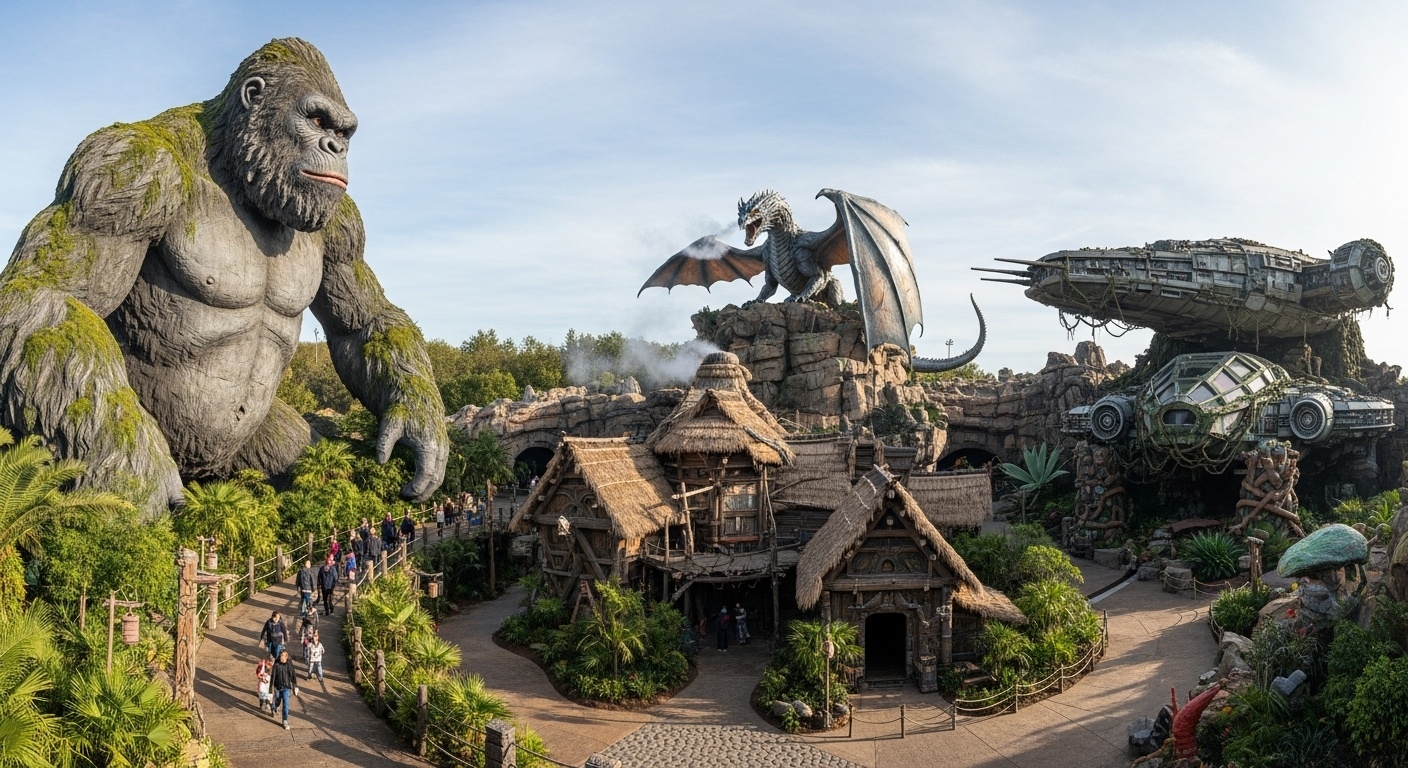
Additionally, replicas are widely used beyond personal collections. Theme parks, museums, retail stores, and events frequently rely on them to create immersive environments. A well-crafted replica can instantly communicate a brand, theme, or story without a single word.
Types of Movie Character Replicas
Movie character replicas come in a wide variety of forms, each designed to serve a different purpose or audience. Some are compact and collectible, while others are massive, attention-grabbing installations.
Miniature figures are often the entry point for collectors. These smaller replicas, while not life-size, can still feature impressive detail and craftsmanship. Moving up in scale, busts and half-body sculptures focus on capturing facial likeness and costume detail, often displayed on pedestals.
Life-size replicas are where the magic truly comes alive. Standing at full human scale—or even larger for creatures—these pieces create a powerful presence. They are commonly used in exhibitions, themed attractions, and high-end private collections.
Animatronic replicas take things even further by adding movement and sometimes sound. A blinking eye, a subtle head turn, or a mechanical gesture can make a character feel eerily alive, enhancing the immersive experience.
The Art Behind Realism
Creating a convincing movie character replica requires a blend of artistic talent and technical precision. Sculptors begin by studying reference material to understand proportions, anatomy, and expression. Every detail matters, from the curve of a cheekbone to the tension in a hand gesture.
Painting is equally critical. Skin tones, weathering effects, and subtle shading can make the difference between a statue that looks plastic and one that appears lifelike. Artists often use multiple layers of paint to achieve depth and realism, carefully replicating textures such as skin, fabric, or metal.
Costuming is another key component. For characters with complex outfits, fabrics must be selected and tailored to match the original design. This includes everything from stitching patterns to how the material drapes under gravity. In some cases, actual costume designers are consulted to ensure accuracy.
How Movie Character Replicas Are Fabricated
From Concept to Creation
The fabrication of a movie character replica is a fascinating journey that combines digital technology with traditional craftsmanship. It typically begins with concept development and reference gathering. Artists collect images, film stills, and, when possible, studio-provided assets.
Next comes sculpting. This can be done digitally using 3D modeling software or physically using clay. Digital sculpting has become increasingly popular because it allows for precise adjustments and easy scaling. Once the sculpt is finalized, it is prepared for production.
Mold Making and Casting
After the sculpt is complete, molds are created. These molds are used to produce multiple copies of the replica. Materials such as silicone are often used for molds because they can capture fine details. Casting materials vary depending on the desired outcome. Fiberglass is commonly used for large, durable pieces, while resin is favored for smaller, highly detailed replicas. For ultra-realistic skin effects, silicone may be used, especially in animatronic or museum-quality figures.
Assembly and Detailing
Once the parts are cast, they are assembled and refined. Seams are smoothed out, and surfaces are prepared for painting. This stage requires meticulous attention to detail to ensure the final product looks seamless.
Painting is done in layers, often starting with base colors and gradually adding highlights, shadows, and texture. Airbrushing techniques are frequently used to achieve smooth gradients and realistic finishes.
Costumes, accessories, and props are added in the final stages. Whether it’s a helmet, a weapon, or intricate armor, these elements are essential for completing the character’s look.

Optional: Animatronics and Electronics
For advanced replicas, animatronics can be integrated. This involves installing motors, sensors, and control systems that allow the figure to move. Engineers work closely with artists to ensure that movement appears natural and enhances the realism of the piece.
Lighting can also be incorporated, especially for characters with glowing elements, such as the arc reactor of Iron Man. These features elevate the replica from a static display to an interactive experience.
Materials Used in Movie Character Replicas
The choice of materials plays a significant role in the final appearance and durability of a replica. Fiberglass is widely used for large statues because it is lightweight and strong. Resin offers excellent detail reproduction, making it ideal for smaller pieces.
Silicone is often used for skin-like surfaces due to its flexibility and realistic texture. Foam and lightweight plastics may be used for internal structures to reduce weight while maintaining stability.
Metal components are sometimes included for structural support or to replicate metallic surfaces. Fabrics, leather, and synthetic materials are used for costumes, carefully selected to match the original design as closely as possible.
Where You’ll Find Movie Character Replicas
Movie character replicas are everywhere once you start looking for them. Theme parks use them to create immersive environments that transport visitors into fictional worlds. Museums display them as part of film history exhibitions, showcasing the artistry behind cinema.
Retail spaces often use replicas to attract attention and create memorable shopping experiences. A life-size superhero or villain at the entrance of a store can instantly draw in fans.
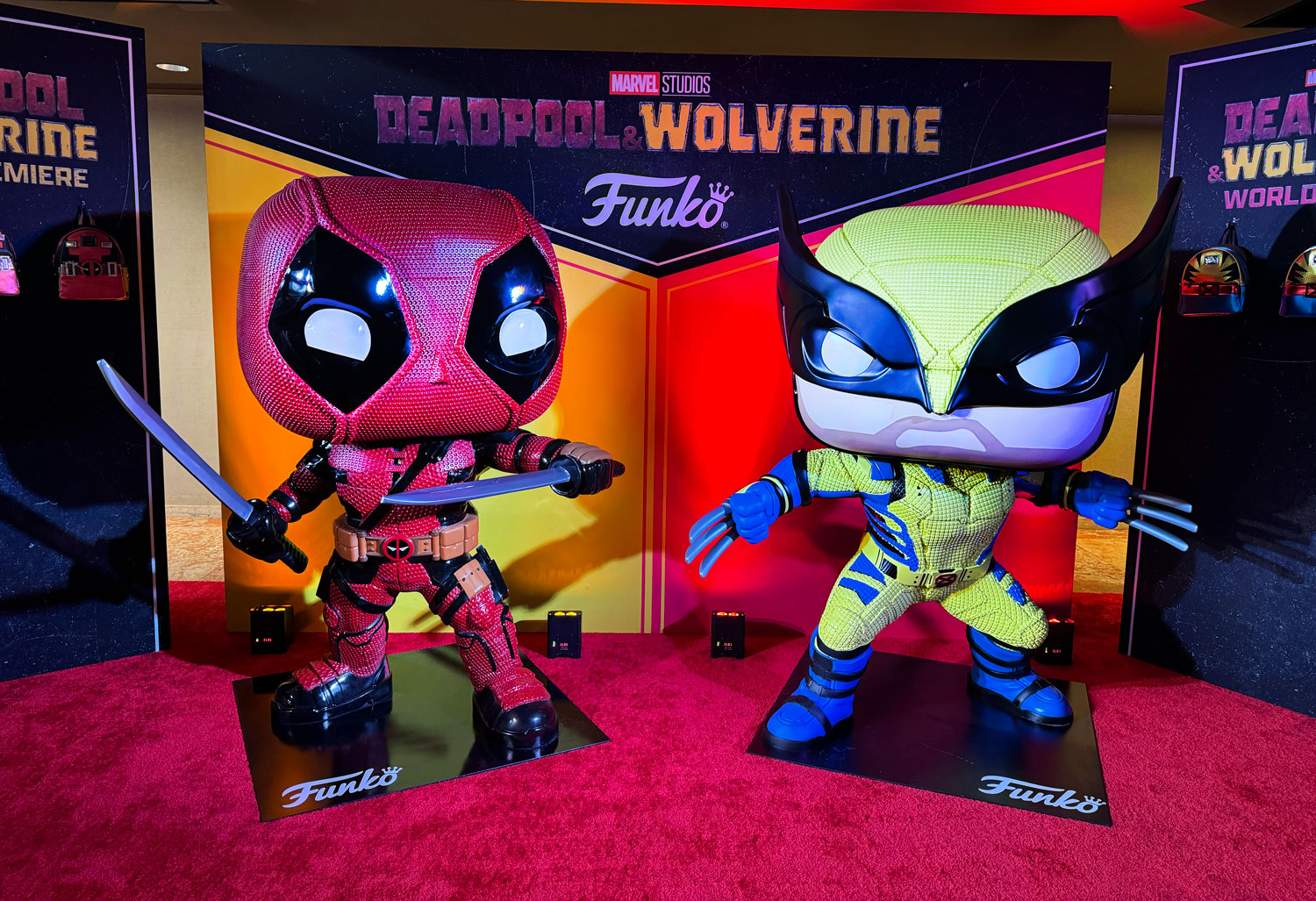
Events such as conventions and film premieres frequently feature replicas as centerpieces. These installations provide photo opportunities and enhance the overall atmosphere.
Private collectors also play a major role in the replica market. Some enthusiasts dedicate entire rooms—or even buildings—to showcasing their collections, turning their passion into a personal museum.
Custom vs. Mass-Produced Replicas
Not all movie character replicas are created the same way. Mass-produced replicas are typically manufactured in larger quantities and sold to a wide audience. While they can still be highly detailed, they are designed to be more accessible in terms of cost.
Custom replicas, on the other hand, are often one-of-a-kind or produced in very limited quantities. These pieces are usually commissioned by collectors, businesses, or event organizers who want something unique. Custom replicas can be tailored in size, pose, and level of detail, making them truly special.
The choice between custom and mass-produced often comes down to budget, purpose, and personal preference. Both options offer their own advantages, but custom pieces tend to deliver a higher level of exclusivity and craftsmanship.
The Role of Replicas in Modern Marketing
Movie character replicas have become powerful tools in marketing and brand engagement. Businesses use them to create visually striking displays that capture attention and encourage interaction.
A well-placed replica can serve as a focal point, drawing people in and creating opportunities for social media sharing. In today’s digital age, experiences that are visually appealing and shareable are incredibly valuable.
Replicas are also used in promotional events, product launches, and themed campaigns. They help create a sense of excitement and immersion that traditional marketing methods often struggle to achieve.
Challenges in Creating Movie Character Replicas
Despite their appeal, creating movie character replicas is not without challenges. Achieving accuracy requires access to high-quality reference material, which is not always readily available. Licensing and intellectual property rights can also be complex, especially for commercial use.
Technical challenges include ensuring structural stability, especially for large pieces, and maintaining durability in different environments. Outdoor replicas must withstand weather conditions, while indoor pieces need to be safe for public interaction.
Balancing cost and quality is another significant challenge. High-end materials and detailed craftsmanship can be expensive, making it important to find the right balance for each project.
The Future of Movie Character Replicas
As technology continues to evolve, the future of movie character replicas looks incredibly exciting. Advances in 3D printing, digital sculpting, and materials science are making it easier to create highly detailed and accurate replicas. Augmented reality and interactive elements may also play a role, allowing replicas to respond to viewers or integrate with digital experiences. Imagine standing next to a replica that recognizes your presence and reacts accordingly—it’s a level of immersion that feels straight out of a science fiction film. Sustainability is another area of focus. As awareness grows, creators are exploring eco-friendly materials and production methods to reduce environmental impact.
Why Movie Character Replicas Matter
At their core, movie character replicas are about connection. They bring stories into the physical world, allowing people to interact with the characters they love in a tangible way. They celebrate creativity, craftsmanship, and the enduring power of storytelling.
Whether you’re a collector, a filmmaker, or simply a fan, these replicas offer a unique way to experience cinema beyond the screen. They remind us that great stories don’t just live in theaters—they live in our homes, our communities, and our imaginations.